
Some songs become popular for a season. Others seem to grow more meaningful with time.
In 1960, one country song captured listeners with something remarkably simple: an intimate story, a gentle melody, and emotions that felt completely genuine. There was no need for elaborate production or dramatic performances. The song’s strength came from the feeling behind every word.
Decades later, it remains an example of how a quiet, heartfelt recording can leave a lasting mark on country music.
A Song Inspired by an Unexpected Conversation

The story behind the song began with an ordinary moment.
Songwriters Joe and Audrey Allison found inspiration in a scene that might easily have gone unnoticed. Joe reportedly overheard a man in a bar speaking softly on the telephone to someone he deeply cared about.
There was something about the man’s voice that stayed with him.
He sounded hopeful, but also vulnerable. His words carried the unmistakable feeling of someone separated from a person who mattered deeply to him. Rather than turning the moment into an elaborate story, the Allisons drew from its emotional simplicity.
That real-life encounter eventually became the foundation for “He’ll Have to Go,” a song that would become closely associated with the distinctive voice of country singer Jim Reeves.
Jim Reeves and the Nashville Sound

When Jim Reeves recorded the song, his smooth, controlled vocal style gave it an especially intimate quality.
Rather than relying on a powerful or highly dramatic delivery, Reeves sang with remarkable restraint. His voice seemed almost conversational, allowing the listener to focus on the story and emotion.
The recording also reflected the changing sound of Nashville at the time.
During the late 1950s and early 1960s, country music was evolving. Traditional country instrumentation and storytelling were increasingly being blended with smoother arrangements and polished production. This emerging style became known as the Nashville Sound.
“He’ll Have to Go” fit beautifully into that transition.
Its sophisticated yet accessible sound helped demonstrate that country music could appeal beyond its traditional audience.
Why the Song Connected With So Many People
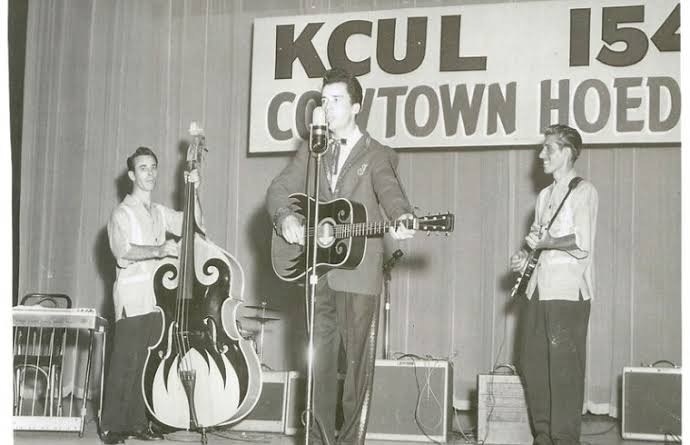
At the heart of the song is a situation that remains easy to understand: wanting to be close to someone who is far away.
That emotional simplicity is part of what made the recording so powerful.
Listeners didn’t need to know the specific circumstances behind the story. They could simply recognize the emotions—longing, affection, uncertainty, and the desire to hear someone’s voice.
The song also benefited from Reeves’ understated performance. Instead of pushing the emotion too hard, he allowed the words to carry much of the weight.
That approach gave the recording an unusual sense of warmth and intimacy.
A Lasting Place in Country Music History
“He’ll Have to Go” became one of Jim Reeves’ signature recordings and helped cement his reputation as one of the defining voices associated with the Nashville Sound.
Its success also illustrated an important shift happening within country music.
Country songs could still tell deeply personal stories while adopting a smoother, more polished musical style. That combination would influence the direction of the genre and help country music reach audiences who might not traditionally have considered themselves country listeners.
In that sense, the song represented more than a successful recording. It was part of a broader transformation in the way country music was produced and presented.
Why It Still Sounds Special Today
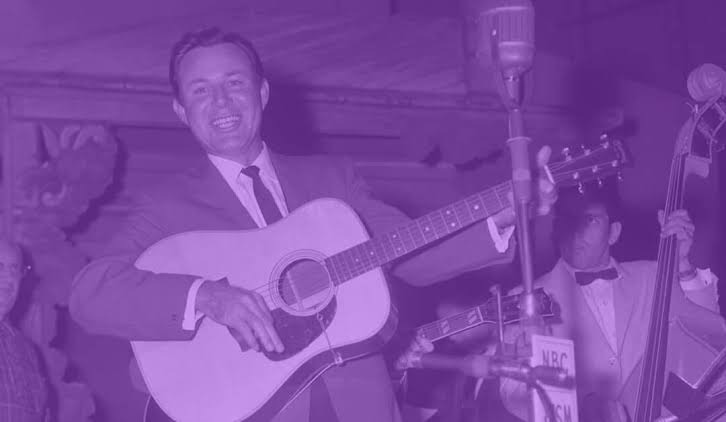
Music trends change constantly, but genuine emotion rarely goes out of style.
More than six decades after its original release, the appeal of “He’ll Have to Go” comes from the same qualities that made it memorable in the first place: simplicity, sincerity, and a story listeners can understand.
There are no complicated ideas required to appreciate it.
Just a voice, a melody, and a feeling that almost everyone can recognize.
That may be the greatest lesson of the song. Sometimes, the recordings that stay with us longest aren’t the loudest or most complicated. They’re the ones that make us feel as though someone is quietly telling us a story meant just for us.
And that is exactly why this 1960 classic continues to hold a special place in the history of country music.