Everyday Life in the 1970s: Fashion, Family, Entertainment and Memory
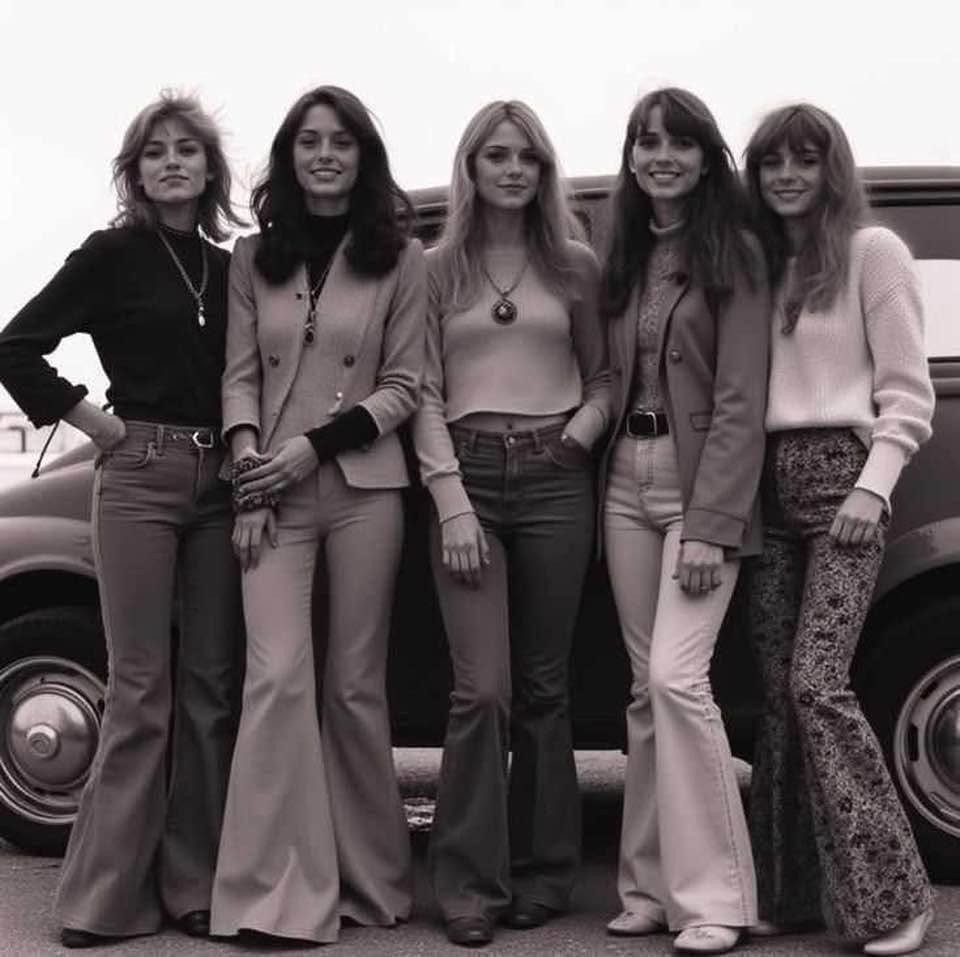
Photographs from the 1970s offer more than a nostalgic view of unusual wallpaper, wide-legged trousers, and old cars. They provide valuable evidence of how people dressed, communicated, spent their free time, and documented family life during a decade of significant cultural, economic, and technological change.
For many people, a photograph from the 1970s may show an ordinary birthday party, a family meal, children outside on bicycles, friends at a school event, or a holiday gathering. At the time, such moments may not have seemed historically important. Decades later, however, they help explain what daily life looked like before mobile phones, digital cameras, online media, and instant communication became routine.
Looking back at the 1970s can encourage a more balanced understanding of the past. The decade included memorable music, distinctive design, expanding popular culture, and changing social expectations. It also included inflation, energy concerns, unequal opportunities, and major debates about politics, work, family life, and civil rights. Vintage photographs are meaningful not because the past was perfect, but because they preserve real moments from a world that has changed substantially.
Why 1970s Photographs Remain So Fascinating
Everyday photographs are often among the most accessible historical records. Major news images document elections, international events, and famous cultural figures. Family snapshots, by contrast, show how ordinary people lived. A living room, a kitchen table, a school uniform, or a parked family car can reveal details that formal historical accounts may overlook.
Images from the 1970s frequently capture the visual identity of the era. Interior design often featured earth tones such as brown, orange, gold, olive green, and beige. Homes might include patterned carpets, wood-paneled walls, large television cabinets, rotary telephones, and furniture with bold fabrics. These details were shaped by changing consumer tastes, manufacturing trends, and the styles promoted through magazines, television, and department stores.
Photographs also remind viewers that history is personal. A faded print may show relatives who are no longer alive, a childhood home that has been renovated or demolished, or friendships that began long before modern digital communication. For families, preserving these images can be a way of maintaining intergenerational connections and sharing stories that may otherwise be lost.
1970s Fashion and Hairstyles
Fashion is one of the quickest ways to recognize a photograph from the 1970s. Although styles varied by country, region, age, income, and community, many popular looks became strongly associated with the decade. Bell-bottom and flared trousers, denim, polo shirts, turtlenecks, platform shoes, colorful prints, long dresses, and oversized collars all appeared in mainstream fashion during different parts of the 1970s.
The decade did not have one single uniform style. Early 1970s fashion continued some influences from the late 1960s, including casual clothing, handmade looks, and bold patterns. Later in the decade, disco culture influenced more glamorous evening wear, while punk and other youth subcultures introduced styles that challenged conventional fashion. Sportswear also became increasingly important in everyday wardrobes, reflecting changing ideas about leisure and comfort.
Hairstyles were equally varied. Longer hair was popular among many men and women, while layered cuts, feathered styles, afros, braids, and other looks reflected personal preference and cultural identity. Photographs from the period can show how style was connected to music, age, work, local trends, and individual expression.
It is important not to treat 1970s fashion as a costume or a single stereotype. Clothing was shaped by practical concerns as well as style. Many households repaired garments, passed clothing between siblings, shopped at local stores, or made some items at home. A family photograph may therefore show both widely recognized trends and highly personal choices.
Life Before Smartphones and Social Media
One of the greatest differences between the 1970s and the present day is the absence of personal digital technology. There were no smartphones, social media platforms, video calls, search engines, or instant photo sharing. Communication was often slower and depended more heavily on landline telephones, letters, printed newspapers, radio broadcasts, and in-person conversations.
This does not mean that people in the 1970s were disconnected. Communities had many ways to exchange information and maintain relationships. Neighbors spoke in person, friends arranged plans by telephone, families wrote letters, and people followed local events through newspapers, radio, and television. Schools, workplaces, places of worship, sports clubs, and community organizations also played an important role in social life.
Landline telephones were central to many households, but they were shared devices rather than personal accessories. A phone call could be overheard by family members nearby, and long-distance calls could be expensive. Arranging a meeting often required planning in advance. If someone was late, there was usually no quick message to explain the delay.
Modern technology has made many tasks easier, including access to information, emergency communication, education, and long-distance contact. At the same time, photographs from the 1970s invite reflection on the different rhythms of life before constant alerts and online availability. They show a period when personal moments were less likely to be recorded continuously and more likely to remain private unless someone deliberately took a photograph.
Family Life, Childhood, and Community
Family life in the 1970s differed widely across households. Some families had two parents working outside the home, while others followed more traditional divisions of paid work and domestic labor. Women’s participation in the labor force increased during the decade, contributing to important changes in workplaces, family expectations, and public discussion about equality and opportunity.
Children’s daily routines were also shaped by their neighborhood, school, family circumstances, and local safety conditions. Many people remember spending time outdoors, riding bicycles, playing games, visiting friends, or participating in school and community activities. These memories are common, but they should not be generalized as a universal experience. Access to safe parks, recreation, transportation, and free time was not equal for everyone.
Family photographs often show gatherings around tables, birthdays, holidays, graduations, and visits with relatives. Such images can reveal the importance of shared meals and celebrations, but they may not show the full complexity of family life. Like all photographs, they represent selected moments. A smiling image can coexist with financial pressures, health concerns, discrimination, or other challenges that may not be visible in the frame.
Still, these images are useful reminders that ordinary relationships form an essential part of history. A photograph of children playing outside or relatives talking in a kitchen may not appear in a textbook, yet it can tell future generations how people created routines, traditions, and a sense of belonging.
Entertainment in the 1970s
Entertainment was an important part of 1970s life, and much of it was shared in homes or public spaces. Music listeners used vinyl records, cassette tapes, radios, and, later in the decade, portable players. Radio stations helped popularize rock, soul, disco, country, funk, and many other genres. Record stores, concerts, and music programs connected audiences with artists and new trends.
Television was also a major source of entertainment and information. Families often watched programs together because many homes had only one television set. Broadcast schedules mattered: if viewers missed an episode, they usually could not watch it later on demand. This made popular shows, sporting events, and major news broadcasts shared cultural experiences.
Movie theaters remained important social spaces, while libraries, community centers, local sports, board games, card games, and hobbies provided alternatives to television. The first commercially successful home video game systems also emerged during the 1970s, marking an early stage in a technological change that would eventually reshape leisure around the world.
Entertainment in the 1970s was not necessarily more personal or better than today’s options; it was organized differently. People had fewer channels and less immediate choice, but some activities required direct participation with friends, relatives, or neighbors. Vintage photographs of record players, television rooms, game nights, and outdoor recreation capture these patterns of shared leisure.
Film Photography and the Value of Printed Memories
In the 1970s, most personal photographs were taken with film cameras. Taking pictures involved buying film, loading it carefully, choosing when to use a limited number of exposures, and waiting for prints to be developed. This process made photography more deliberate for many households than it is today.
People could not usually see their photographs immediately after taking them. A roll of film might contain images from weeks or months of family life, and the final results were only visible after processing. Blurry images, closed eyes, or imperfect lighting were often discovered later. Rather than being deleted, many imperfect pictures remained in albums, envelopes, drawers, and boxes.
Printed photographs became physical objects with lasting emotional value. Families labeled albums, wrote dates on the backs of prints, mailed photos to relatives, and displayed portraits in homes. Today, digitizing these materials can help preserve them, especially when older prints are fading or vulnerable to damage.
Archives and museums also recognize the historical value of personal photography. Images from everyday life can support research into housing, work, migration, fashion, childhood, local business, and community traditions. When families preserve dates, names, locations, and stories alongside photographs, they make those images much more useful for future generations.
The Wider Social and Economic Context of the 1970s
A realistic view of the 1970s must include the broader conditions behind the family snapshots. The decade was marked by economic uncertainty in several countries, including periods of high inflation, unemployment, and energy disruption. In the United States, the oil crisis and changing global economic conditions affected household budgets, transportation, and consumer confidence.
Social movements and political debates also shaped the era. Discussions about civil rights, women’s rights, disability rights, environmental protection, labor, education, and representation continued to influence public life. These developments did not affect all communities in the same way, but they helped reshape laws, institutions, workplaces, and cultural expectations.
International events were closely followed through newspapers and television, even though the media environment was far less immediate than it is today. Television news brought major events into living rooms, while print journalism remained a primary source of detailed reporting and commentary. The decade therefore combined a growing mass-media culture with a much slower flow of information than modern audiences experience.
Recognizing this context helps prevent overly simplified nostalgia. The 1970s were a period of creativity and social change, but they were also marked by serious challenges. Historical photographs gain meaning when viewers consider both what is visible in an image and the larger world surrounding it.
What Vintage Photos Teach Future Generations
Photographs from the 1970s show that ordinary life is historically significant. A family may not have intended to create a record of the past when they posed in a garden, opened gifts, or stood beside a car. Yet those images now document the material culture and social habits of an earlier generation.
The same will be true of photographs taken today. Future viewers may be curious about current clothing, devices, transportation, workplaces, homes, and online habits. They may notice details that seem unremarkable now but will later appear distinctive. This is one reason to preserve photographs thoughtfully, organize digital files, identify people and places, and back up important memories.
The enduring appeal of 1970s photographs is not simply that they look different from modern images. Their value lies in their humanity. They show people celebrating, learning, relaxing, working, and spending time with others. Across changing technology and fashion, those experiences remain recognizable.
Conclusion: Appreciating Everyday History
The 1970s now belong to history, yet photographs from the decade continue to make that history feel immediate. They preserve the colors, clothing, homes, music, and everyday routines of a period before smartphones and social media transformed communication and photography.
These images should be viewed with curiosity rather than idealization. They can inspire warm memories while also encouraging an honest understanding of the social and economic realities of the time. Most importantly, they show that ordinary moments matter. A casual family snapshot can become a powerful connection between generations, offering future viewers a glimpse of how people once lived and what they valued.
Sources
- Library of Congress — historical collections and resources on American life and photography.
- Smithsonian Institution — museum and research resources on American culture, design, and history.
- U.S. Census Bureau — demographic and household data for historical context.
- U.S. Bureau of Labor Statistics — labor force and economic data relevant to the 1970s.
- Encyclopaedia Britannica: Oil Crisis — background on the energy crisis and its economic impact.
Disclaimer: This content is intended for entertainment purposes only and is not based on real events.