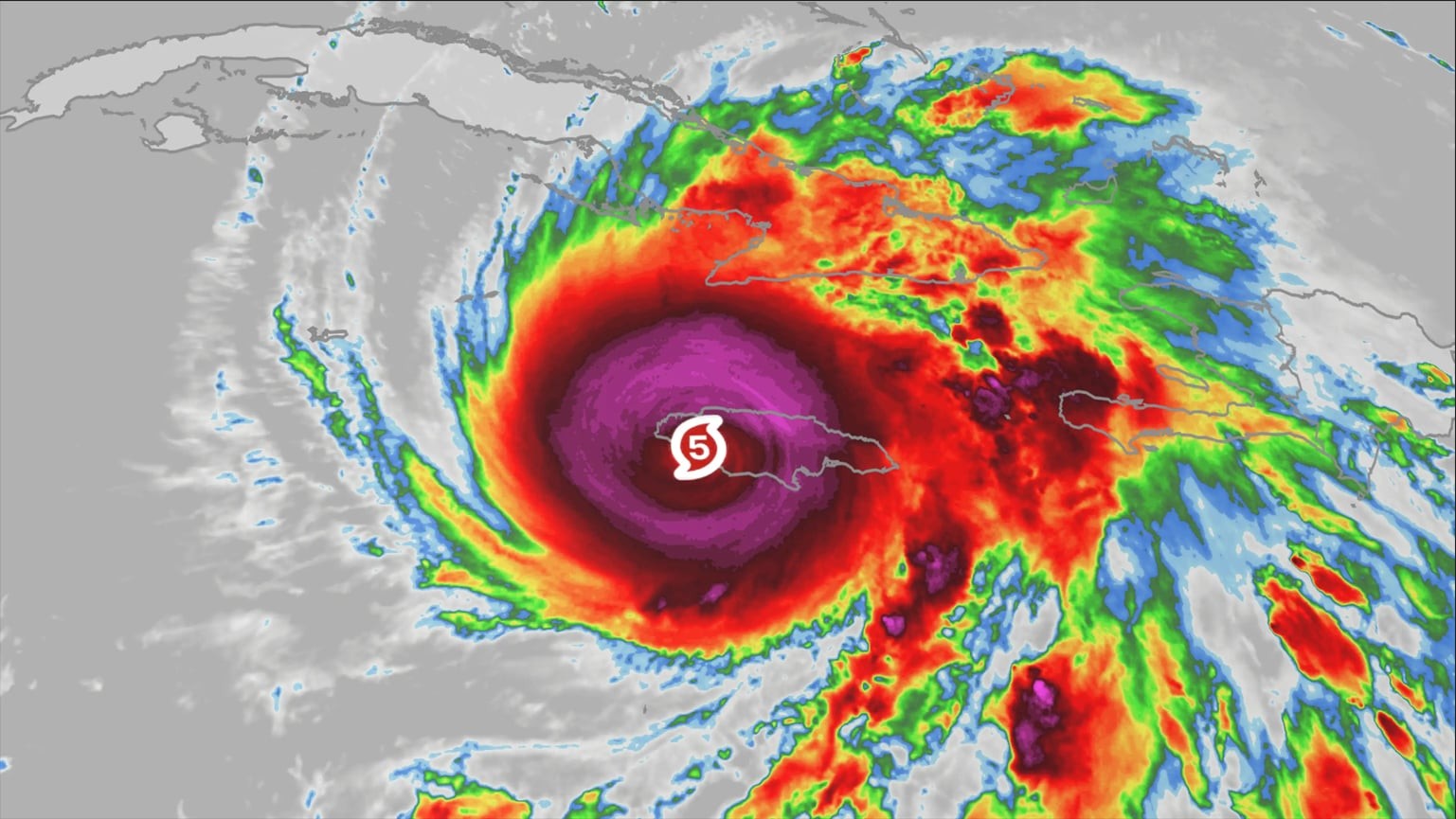
Melissa Ranks as Most Powerful Hurricane to Strike Jamaica
Hurricane Melissa has cemented itself in meteorological history as the most powerful hurricane to ever make a direct strike on Jamaica. Its extraordinary characteristics have drawn the attention of scientists, governments, and residents throughout the Atlantic basin, setting new benchmarks in both wind speed and atmospheric pressure. This article offers an in-depth analysis of Hurricane Melissa, including its significance in hurricane records, the scientific mechanisms behind its intensity, the impacts on Jamaica and beyond, and how international experts and societies are responding.
The Meteorological History of Hurricane Melissa
Hurricane Melissa originated in the Atlantic as a tropical depression before rapidly intensifying over warm ocean waters. Its development was closely monitored by agencies such as the National Hurricane Center (NHC) due to favorable conditions for storm strengthening, including low wind shear and above-average sea surface temperatures. By the time Melissa approached the Caribbean, meteorologists observed unprecedented changes in the storm’s structure, indicating an unusual level of intensification.
Forecasters issued early warnings as satellite and reconnaissance data suggested Melissa was strengthening at an alarming rate. Preparedness measures were initiated throughout the region, especially in Jamaica, which eventually experienced a direct and devastating landfall.
Melissa’s Record-Breaking Energetics
The extraordinary power of Hurricane Melissa is underscored by several meteorological records:
- Wind Speed: At landfall, Melissa’s sustained winds reached 185 mph (298 km/h), matching the record for the strongest hurricane to make landfall anywhere in the Atlantic basin. This placed Melissa alongside historic storms like Hurricane Dorian (2019), Hurricane Irma (2017), and the 1935 Labor Day Hurricane.
- Central Pressure: The central pressure of Melissa at landfall was measured at 892 millibars (mb), equaling the 1935 Labor Day Hurricane as the most intense storm on record to strike land.
- Wind Gusts: Hurricane Hunter aircraft, which fly dangerous missions into the heart of hurricanes to gather data, recorded a peak wind gust of 252 mph (406 km/h) just above the ocean surface before the storm made landfall. This reading is only slightly below the world record for the highest wind gust recorded in a tropical cyclone, 253 mph (408 km/h) during Cyclone Olivia in 1996 in Western Australia.
These unique characteristics position Melissa as a defining event in the history of Atlantic hurricanes.
Importance of Wind Gust Data and Hurricane Hunter Missions
The remarkable wind gusts measured by the Hurricane Hunter aircraft highlight the crucial role of direct scientific investigation in understanding storm dynamics. The U.S. Air Force Reserve Command’s 53rd Weather Reconnaissance Squadron, commonly known as the “Hurricane Hunters,” regularly flies specially equipped aircraft into the core of hurricanes. Their observations allow for real-time data on winds, pressure, temperature, and humidity profiles right at the center of the storm.
In the case of Melissa, their data was vital for refining forecasts, issuing timely warnings, and providing critical information to emergency managers and residents. Such data is also invaluable to climate researchers studying trends in hurricane intensity and structure.
Comparisons With the Most Powerful Tropical Cyclones on Record
In a historical context, Hurricane Melissa stands shoulder-to-shoulder with a short list of the most powerful tropical cyclones ever documented. The 1935 Labor Day Hurricane, which made landfall in Florida, has stood as a benchmark for intensity in the Atlantic, with a central pressure of 892 mb and comparable maximum winds at landfall. In recent decades, Hurricane Dorian (2019) reached 185 mph sustained winds in the Bahamas but had marginally higher central pressure.
Globally, the strongest winds measured in a tropical cyclone remain Cyclone Olivia (1996) in Western Australia, with a 254 mph (408 km/h) gust. Melissa’s wind gusts were just 1 mph (1.6 km/h) shy of matching this all-time record, a testament to the storm’s extraordinary ferocity. Such comparisons help scientists contextualize Melissa’s place in the broader landscape of tropical cyclone extremes.
Atmospheric Conditions That Fueled Melissa
Experts attribute Melissa’s exceptional strength to a perfect alignment of atmospheric and oceanic conditions. Sea surface temperatures across the central Atlantic were 1 to 2 degrees Celsius above normal during Melissa’s formation and intensification. This provided the latent heat energy that hurricanes need to grow stronger.
Additionally, Melissa encountered minimal wind shear in the upper atmosphere. Wind shear often disrupts the vertical structure of hurricanes, making it difficult for them to intensify. With shear at record lows, Melissa was able to build a symmetrical core with a tight eyewall, facilitating maximum wind speeds.
Impact on Jamaica: Damage and Response
Melissa’s unprecedented strength brought serious concerns for Jamaica. As the hurricane approached, national disaster agencies declared states of emergency, and local authorities issued evacuation orders for vulnerable areas, particularly along the coast and in low-lying communities.
At landfall, the storm caused severe wind and flood damage, especially in communities directly in its path. Widespread power outages, collapsed infrastructure, and extensive flooding were reported. Emergency shelters were quickly filled as residents sought refuge from the dangerous conditions. Jamaica’s Prime Minister and government worked closely with international emergency relief partners to coordinate a rapid response and restore essential services.

International and Regional Reactions
In the wake of Hurricane Melissa, regional partners—including the Caribbean Disaster Emergency Management Agency (CDEMA) and the Pan American Health Organization (PAHO)—mobilized resources for humanitarian relief. Neighboring nations offered offers of aid, while international NGOs coordinated to deliver shipments of food, water, and medical supplies.
The event also triggered broader discussions at the United Nations on the compounded risks posed by climate change to small island nations. Repeated severe hurricanes have prompted renewed calls for increased support for climate adaptation, resilient infrastructure, and disaster preparedness in the Caribbean.
Expert Views: Understanding Intensification in a Warming Climate
Meteorologists and climate scientists have closely studied Hurricane Melissa to understand its rapid intensification and extreme characteristics. According to Dr. Michael Brennan, director of the National Hurricane Center, “Melissa is a classic example of what we call rapid intensification—a process we’re seeing more often as sea surface temperatures continue to rise.” Research published in reputable outlets such as the American Meteorological Society has corroborated the trend of more frequent and more intense hurricanes in the Atlantic, consistent with ongoing ocean warming.
Dr. Kerry Emanuel, a prominent hurricane researcher at MIT, has noted that “storms like Melissa give us direct evidence of how modest increases in ocean heat can lead to highly destructive hurricanes,” stressing the importance of investing in coastal resilient infrastructure and enhanced early warning systems.
The Outlook: Preparing for Future Extremes
Hurricane Melissa is a powerful reminder for Caribbean nations about the escalating risks associated with climate-sensitive disasters. The lessons drawn from Melissa’s warning, preparedness, and coordinated response will inform future disaster management efforts in Jamaica and the wider region.
Many experts emphasize that public education and investment in resilient infrastructure are key strategies for reducing risk in hurricane-prone areas. International collaborations, such as those facilitated by the United Nations and World Meteorological Organization, will be crucial in supporting small island states under increasing threat of intense cyclones.
Conclusion
Hurricane Melissa stands as a milestone in Atlantic hurricane history—matching or setting new records for wind speed and pressure, and testing the resilience of Jamaica’s infrastructure and emergency response systems. As scientific understanding of hurricane behavior deepens, and as the climate continues to change, Melissa’s legacy will be a cornerstone in the ongoing effort to prepare for and mitigate the impacts of the world’s most powerful storms.
Sources
- National Hurricane Center (NHC)
- BBC
- Reuters
- CNN Weather
- World Meteorological Organization
- The Guardian
Disclaimer: This content is intended for entertainment purposes only and is not based on real events.