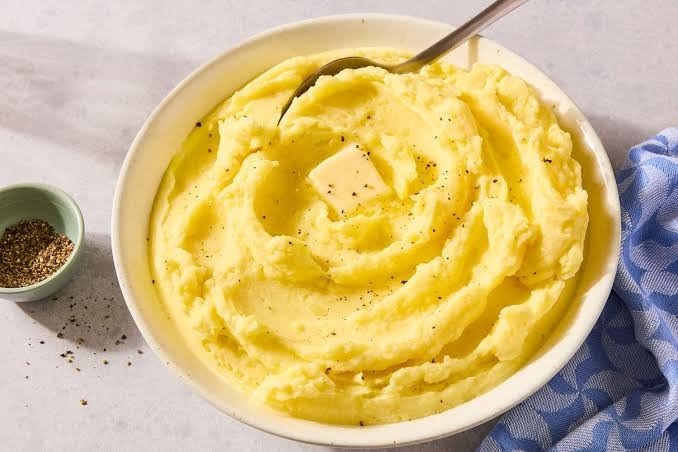
The debate between homemade and instant mashed potatoes is not just about preference or taste—it touches on deeply held values regarding food, family, time, and tradition. As mashed potatoes are a staple in many cultures and a centerpiece of countless meals, the choices we make in preparing them can reflect broader attitudes toward cooking itself. This article examines the various aspects that come into play when deciding between making mashed potatoes from scratch or using instant mixes, offering historical context, nutritional comparisons, expert insights, and societal reactions.
The Historical Roots of Mashed Potatoes
Mashed potatoes have a rich history, tracing back to 18th-century Europe. The earliest known recipe appeared in English cookbooks, highlighting mashed potatoes as a dish for special occasions and large family gatherings. Across generations, mashed potatoes became associated with comfort, celebration, and home-cooked traditions. For many families, the act of peeling, boiling, and hand-mashing potatoes is as important as the flavor itself. This communal cooking tradition fosters connection, turning simple ingredients into memorable meals that evoke nostalgia and warmth.
Homemade Mashed Potatoes: The Hallmark of Tradition and Control
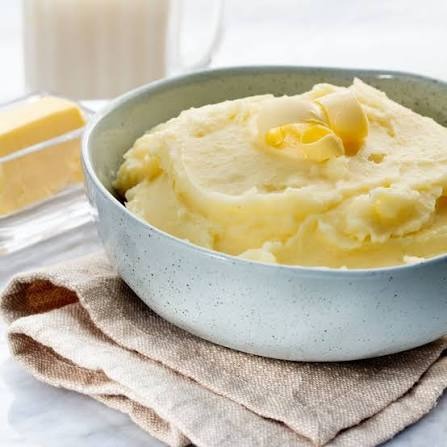
One of the strongest arguments for homemade mashed potatoes is the continuity of tradition. Many people recall fond memories of family members—often grandparents—laboring over large pots, transforming humble potatoes into a creamy, comforting side dish. In these moments, the kitchen becomes a space for sharing stories, passing down techniques, and expressing care through food.
Homemade preparation also offers total control over ingredients and technique. Cooks can choose potato varieties with differing starch levels—like Yukon Gold for creamy results or Russets for fluffiness. The choice of butter, milk, cream, and seasoning allows for personal customization, whether one desires rustic chunkiness or velvety smoothness. Experts like culinary scientist Harold McGee emphasize that such decisions can significantly affect both texture and flavor, empowering home cooks to design their ideal version of mashed potatoes.
Many people perceive the time and effort invested as a form of love, enhancing the emotional significance of the meal. This attention to detail is often most evident during holidays and family events, where preparing food from scratch is viewed as a celebration of togetherness—as much an experience as a necessity.
Instant Mashed Potatoes: The Evolution of Convenience
Instant mashed potatoes, typically composed of dehydrated potato flakes or granules, appeared in the mid-20th century as society began to embrace convenience foods. Their popularity soared as they provided a simple solution for busy cooks who needed to prepare meals quickly, without sacrificing the familiar taste and comfort of mashed potatoes. With only hot water required, instant potatoes found their way into home kitchens, school cafeterias, and even emergency food kits.
Instant mashed potatoes offer several distinct advantages. They save time, require minimal skills, and ensure consistent results. For individuals with demanding work schedules or limited cooking resources, instant mixes can be a practical option without compromising the comfort that a warm bowl of mashed potatoes provides. Furthermore, many people find that with a few additions—such as real butter, warm milk, herbs, cheese, or roasted garlic—instant potatoes can approach the flavor and texture of homemade versions.
Nutritionists note that, while instant mashed potatoes are more processed, many brands now use minimal additives and fortify their products with vitamins. This makes them a relatively wholesome side dish option, particularly when fresh potatoes are unavailable or when expedience is paramount.
Nutritional Comparison: How Do Homemade and Instant Differ?
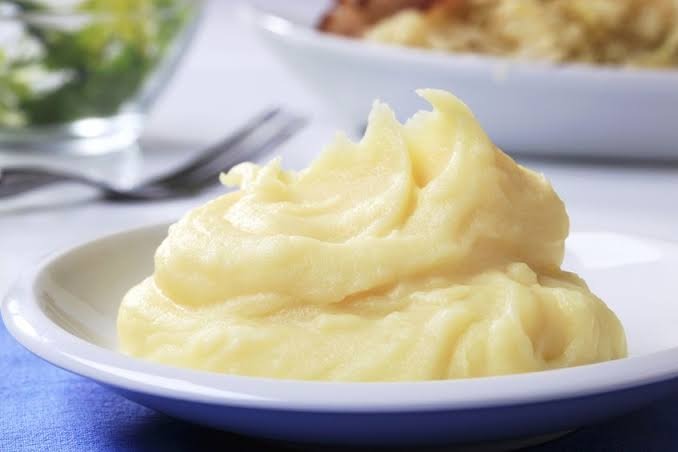
From a nutritional standpoint, both homemade and instant mashed potatoes can be healthful choices, depending largely on preparation methods and added ingredients. Homemade mashed potatoes typically contain only potatoes, milk, butter, and seasoning. When made with moderate amounts of fat and salt, they provide vitamin C, potassium, and dietary fiber. However, extra cream or butter can increase saturated fat and calorie content.
Instant mashed potatoes usually have a different nutrient profile. The dehydration process removes some vitamins (such as vitamin C), but manufacturers often fortify the flakes with nutrients. Instant mixes are generally lower in fiber because of the removal of potato skins, but they remain a decent source of carbohydrates and can be part of a balanced meal. Some instant products contain preservatives or additives to improve shelf life and texture, so it’s worth reading labels, especially for those monitoring sodium intake.
Both options can be part of a healthy lifestyle when enjoyed in moderation and paired with a variety of other foods, including vegetables and proteins.
Expert Perspectives: Chefs, Nutritionists, and Cultural Commentators
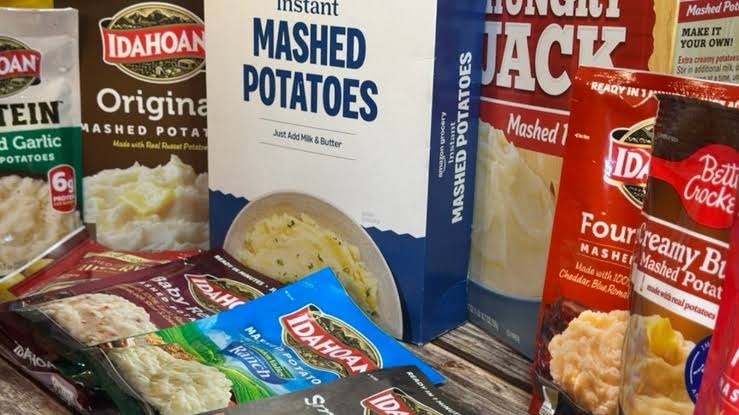
Culinary experts and nutritionists often weigh in on the homemade vs. instant debate. Renowned chefs like Julia Child and Ina Garten have praised the subtle flavors and textures obtained from fresh potatoes and real dairy, noting that the process is as much about ritual as it is about taste. On the other hand, chefs in high-volume establishments may rely on instant mashed potatoes to ensure speed and consistency for large numbers of customers.
Food historians point out that convenience foods such as instant mashed potatoes reflect broader societal shifts in values—particularly around time management and labor. As more households have two working parents, the value of speed and ease in meal preparation has increased. This change is echoed in nutritional advice, which frequently focuses not on the superiority of one preparation over the other, but on how to make any choice healthier. For example, Registered Dietitian Nutritionists (RDNs) often recommend adding extra vegetables, reducing added fats, and being mindful of sodium with both types.
Mashed Potatoes in Modern Society: Global and Local Perspectives
Mashed potatoes have a significant role both in Western cuisine and in the culinary traditions of many other societies. While countries like the United States, United Kingdom, and Canada favor mashed potatoes as a staple side dish, instant versions have expanded internationally, responding to urbanization and new patterns of work and food access. In Japan, instant mashed potatoes have been adapted for local flair, sometimes flavored with wasabi or other regional ingredients.
Societal attitudes toward homemade and instant foods are evolving. For some, preparing food from scratch remains a badge of pride, a way to connect with heritage and family. For others, convenience foods like instant mashed potatoes represent modern solutions to the challenges of daily living. During times of crisis, such as natural disasters or the COVID-19 pandemic, shelf-stable foods like instant mashed potatoes gained renewed appreciation for their practicality and reliability.
Cultural commentators note that the desire for both comfort and efficiency in meals mirrors broader trends in society, where technology and tradition coexist, and consumers seek to balance time with the desire for authenticity.
Personal and Family Traditions: The Emotional Value of Choice
The question of which mashed potato option to choose often reflects one’s personal cooking philosophy and circumstances. In the midst of a quiet weekend with family, or during holidays such as Thanksgiving, homemade mashed potatoes may be a cherished ritual, signaling care, patience, and tradition. At other times—such as a busy weeknight or when unexpected guests arrive—instant mashed potatoes may provide the comfort of a beloved dish with minimal fuss or stress.
Many families blend both approaches, keeping instant mashed potato flakes on hand for emergencies or snacks, while reserving the from-scratch version for special occasions. In both scenarios, the intent is often the same: to bring people together around a meal that is nourishing, comforting, and familiar.
The Bottom Line: There Is No Wrong Choice
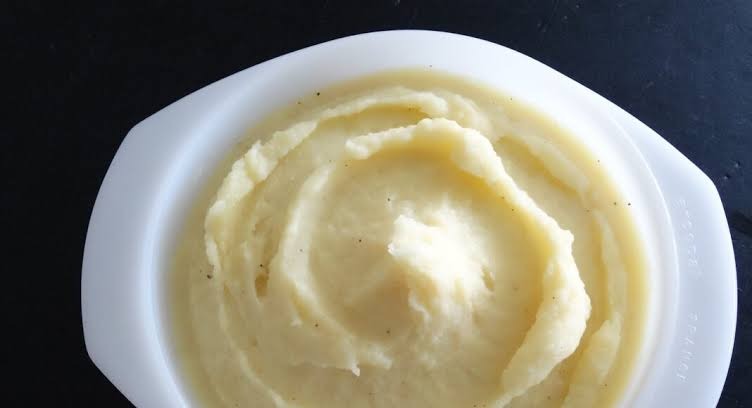
Ultimately, the debate between homemade and instant mashed potatoes highlights the diversity of modern cooking and family life. Each preparation style has its own merits: homemade mashed potatoes provide tradition and control, while instant options offer unparalleled convenience. What unites both is the warmth and comfort that mashed potatoes bring to the dining table. The most important factor is not the method, but the connection and enjoyment shared with others.
As societal norms change and food technology evolves, both approaches continue to coexist, allowing each person or family to find the balance that best suits their needs and values. Whether you hand-mash Yukon Golds for a festive gathering or stir up a quick bowl of instant mash after a long day, mashed potatoes remain an enduring symbol of comfort and care in the modern kitchen.
Sources
- BBC Food: Mashed Potatoes
- Reuters: Why Homemade Mashed Potatoes Matter
- The Guardian: The Comeback of Instant Mashed Potatoes
- Mayo Clinic: Are Potatoes Healthy?
Disclaimer: This content is intended for entertainment purposes only and is not based on real events.