An “Unruly Toddler” Grounds Toronto-Bound Flight: The Full Story Behind the Travel Disruption
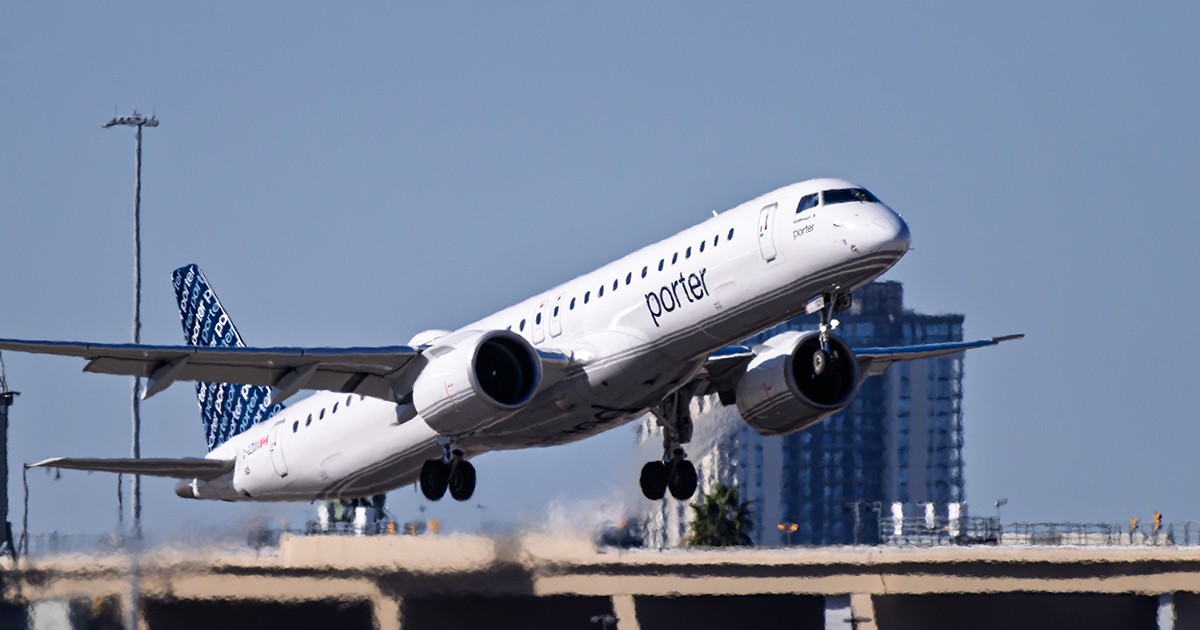
On August 6th, a routine Porter Airlines redeye flight from Victoria International Airport in British Columbia to Toronto Pearson International Airport turned into an unexpected ordeal for over a hundred passengers. The reason cited by the airline was both unusual and contentious: a very young child refused to sit down and fasten their seatbelt, prompting the crew to cancel takeoff and ultimately strand passengers overnight. This incident has since opened up discussions about airline safety protocols, parental responsibility, and the unique challenges families face while traveling by air.
How the Incident Unfolded
The scheduled flight, operating a 132-seat aircraft, had already departed the gate and was taxiing toward the runway when the cabin crew noticed that a young child was repeatedly standing in their seat and not wearing a seatbelt. Despite several attempts by both the accompanying parent and aircraft crew to secure the child or persuade cooperation, these efforts proved unsuccessful, according to an official statement from Porter Airlines.
Aviation safety regulations require all passengers, including small children, to be seated and belted during taxi, takeoff, and landing. This policy is not subject to discretion, as non-compliance could endanger the safety of the child, other passengers, and crew members. Recognizing the persistent risk, the airline crew was left with no alternative but to return the aircraft to the terminal and initiate a passenger disembarkation.
The Delays and Their Consequences
Upon arrival back at the terminal, passengers hoped for a swift resolution. However, it would take close to an hour before the child and their parent left the aircraft. One passenger, Hillary Hertzberg, recounted to CBC News that the situation was prolonged and stressful. “It took forever,” Hertzberg said. “The kid eventually got off the plane at 11:30 p.m., so we had been on the flight for about almost an hour at that point.”
By the time the situation was resolved, a new problem emerged: Victoria International Airport’s “scheduled airfield closure” at 12:30 a.m. Per airport operational rules, no departures could take place after this time. The time spent addressing the issue, retrieving baggage, and filing required paperwork meant that it was no longer possible for the flight to take off that night. As a result, all passengers were deplaned and had to make alternative arrangements for overnight stay. Many were understandably frustrated at the unexpected disruption, while the airline issued an apology and rescheduled flights for the following day.
A Deeper Look at Passenger Experiences
Experiences on board the delayed flight varied. Some passengers pointed to mounting frustration and blamed the delay on the behavior of the child. Others showed greater empathy, believing that the situation was not simply a matter of discipline or unwillingness to follow the rules, but may have stemmed from the child’s intense fear or sensory overload.
Passenger Aryeh Kozuch, interviewed by The Canadian Press, pushed back on the narrative of a “tantrum.” From his perspective, the situation was driven by the child’s fear of flying. “They just kept hiding under their seat. If they got forced into [being] strapped in, they just kind of slid out underneath… This was a child that was in a tube with 150 people. They’re obviously terrified, and their response was to try and hide under the seat in front of them,” Kozuch said. He emphasized that fear, rather than defiance, seemed to be motivating the child’s actions.
Such accounts highlight the complexities of traveling with young children and the potential for fear or anxiety in unfamiliar or crowded environments, especially during late-night flights. These perspectives drew both sympathy and criticism in the public discourse.
Regulatory and Safety Considerations
The issue at the heart of this incident is compliance with aviation safety protocols. According to the Canadian Air Regulations and similar standards worldwide, all passengers must be securely seated and belted during critical phases of flight. These rules are strictly enforced by national aviation authorities and are published in every commercial airline’s safety policy to reduce injury risks during turbulence, sudden stops, or emergency situations.
For children under two, many airlines permit the option of being held on a parent’s lap, provided a special restraint is used. Once a child occupies their own seat, they must, by law, use a standard seatbelt unless a certified child restraint system is installed. Flight crews are charged with upholding these rules; failure to do so can lead to serious accidents or regulatory penalties. In this case, Porter Airlines’ decision to abort takeoff was consistent with established safety requirements and aligned with international best practices.
Experts in airline safety underscore the non-negotiable nature of these rules, which exist to keep everyone onboard as safe as possible. While rare, cases where non-compliance leads to flight cancellations illustrate the challenges of balancing compassion with guaranteed public safety.
Parental Responsibility Versus Empathy
The incident quickly became the subject of heated debate, both on social media and in public forums. Some commentators criticized the parents for not enforcing seatbelt compliance, suggesting that more assertive action should have been taken. Points were raised about the responsibility parents and guardians bear when traveling with children, especially when flight safety is at stake.
On platforms like Reddit, opinions varied. Some argued that “there are very few times where things are non-optional, and this is one of them,” emphasizing that parental intervention was needed regardless of the child’s fear. Others focused on the duration of the incident, believing the parent should have volunteered to deplane sooner to minimize disruption to others. The debate highlighted frustrations about perceived “selfish behavior” and the fairness of causing delays for over a hundred passengers due to one child’s distress.
Conversely, some voices urged greater empathy for both the child’s fear and the parent’s predicament, suggesting that situations like this are inherently challenging and emphasizing the importance of compassion in high-stress public environments. This perspective called attention to the invisible difficulties parents may face when managing children with special needs, sensory issues, or anxiety.
The Psychology of Childhood Fear and Flying
Fear of flying, or aviophobia, is common not only in adults but also in children. According to child psychologists, unfamiliar environments, crowded spaces, the noise of aircraft, and the anticipation of travel can be overwhelming for young children, especially at night. Some children may experience panic, leading to resistance or outright inability to comply with instructions, no matter how rational or necessary those instructions may seem to adults.
Dr. Margaret Weiss, a child psychiatrist specializing in anxiety disorders, notes that “children with high anxiety may enter into a ‘fight, flight, or freeze’ mode when confronted with overwhelming experiences. Coaxing or physical intervention can sometimes intensify their distress.” In such cases, even well-intentioned efforts by parents and crew may not succeed quickly. While aviation rules are clear, the psychological realities on board are often more complex, especially in high-pressure scenarios.
Impact on Passengers and Airline Protocol
The ramifications for those stranded extended beyond inconvenience. Overnight cancella tions can mean lost connections, missed work or family commitments, and unexpected expenses for accommodation. Porter Airlines issued an apology and acknowledged the impact on passengers, though it has not been made public whether passengers received compensation for disrupted plans and associated costs.
Airlines typically offer meal vouchers, hotels, or rebooking in accordance with policies and regulations established by authorities such as Transport Canada or the Canadian Transportation Agency. These remedies, however, may feel inadequate for travelers dealing with the compounded stress of a sudden overnight stay and uncertainty. The airline community continues to reflect on such situations to inform future training and customer care improvements.
The Broader Conversation: Lessons for Travelers
This incident serves not only as a cautionary tale but also as a conversation starter on the realities of air travel in a post-pandemic, highly connected world. Airlines, regulators, and advocacy groups continue to develop policy and resources to guide families traveling with young or high-needs children, while informing passengers of their rights and responsibilities.
Education, clear communication, and proactive planning—like preparing media, snacks, or calming strategies—can sometimes prevent escalation. However, the unpredictability of children’s emotions and the pressure of travel mean that not all situations can be easily resolved.
Looking ahead, both the aviation industry and the traveling public can benefit from examining this event. It illustrates how rules, individual needs, and community accountability intersect—and why empathy, patience, and preparedness remain essential for everyone taking to the skies.
Continuing the Dialogue
As this story circulated, many travelers reflected on their own experiences. Could the parent have taken responsibility sooner? Did the airline’s adherence to protocol ensure everyone’s safety at the expense of wider disruption? Above all, the event underscores that ensuring safety for all sometimes means making difficult and unpopular decisions.
The debate remains open: Was the child’s distress a justifiable reason for the delay, or should the parent have acted more decisively to avoid inconveniencing the rest of the passengers? As air travel continues to evolve, incidents like these highlight not only the importance of safety compliance, but also the value of transparency, empathy, and practical support for families and all travelers alike.
Related Stories
- Woman stirs drama after refusing to switch plane seats with child
- Airline introduces exclusive ‘adults-only’ section for a peaceful travel experience
Sources
Disclaimer: This content is intended for entertainment purposes only and is not based on real events.