Many personality quizzes claim that the way you sleep can reveal hidden traits about your character. One popular example suggests your favorite sleeping position can determine how “lazy” you are. While these ideas are entertaining, scientific research tells a more balanced story.
Sleep position is influenced by factors such as comfort, physical health, body shape, and personal habits. Although it may reflect certain preferences, there is no reliable evidence that a person’s favorite sleeping posture can accurately measure motivation, work ethic, or productivity.
Let’s explore some of the most common sleeping positions and the popular interpretations often associated with them.
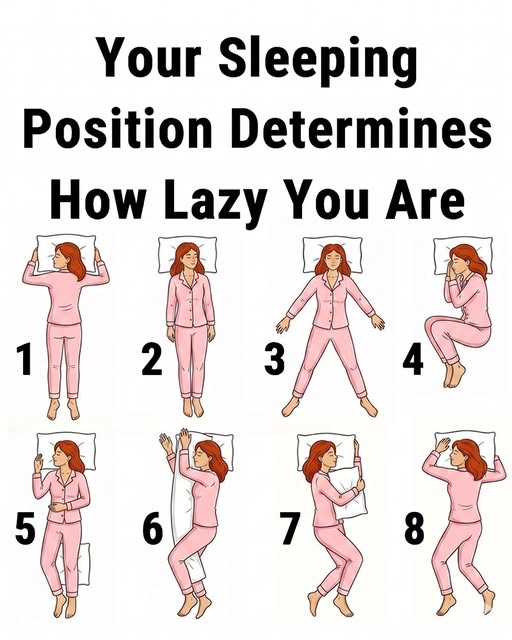
The “Arms Up” Sleeper
People in this position lie on their backs with both arms raised near the pillow.
Popular personality quizzes often describe these sleepers as curious, independent, and mentally active. They may enjoy solving problems in their own way and appreciate comfort without avoiding responsibility.
There is no scientific evidence linking this position to higher or lower levels of laziness.
The Straight Sleeper
This position involves lying flat on the back with the arms resting alongside the body.
Informal interpretations suggest these individuals appreciate routine, structure, and consistency. They are often described as dependable once they begin a task, even if they appear quiet or reserved.
Again, these descriptions are speculative rather than scientifically validated.
The Starfish Sleeper
The starfish position features both arms and legs comfortably spread out while lying on the back.
Some personality quizzes associate this posture with relaxation, generosity, and a preference for comfort. Because this position occupies more space, playful interpretations sometimes label these sleepers as enjoying leisure.
However, comfort during sleep does not indicate a person’s willingness to work or accomplish goals.

The Curled-Up Sleeper
Many people naturally sleep on their side with their knees drawn toward the chest.
This position is frequently associated with thoughtful, cautious, or emotionally sensitive personalities. Some descriptions suggest these individuals conserve their energy and choose carefully where to focus their efforts.
In reality, curled sleeping positions are extremely common and often develop simply because they feel comfortable.
The Casual Side Sleeper
Sleeping comfortably on one side is among the most common positions worldwide.
Popular interpretations describe these sleepers as adaptable and balanced, preferring efficiency without unnecessary effort.
Medical experts often recommend side sleeping for certain individuals because it may help reduce snoring and improve comfort during sleep.
The Pillow Hugger
Some people naturally sleep while hugging a pillow, either on their stomach or side.
Personality quizzes often connect this position with emotional comfort, security, and relaxation. While hugging a pillow may feel soothing, it does not provide meaningful insight into someone’s motivation or productivity.
Many sleepers simply find this posture more supportive for their shoulders or back.
The Half-Turn Sleeper
Half-turn sleepers alternate between lying on their back and side throughout the night.
Informal interpretations often describe them as flexible and easygoing individuals who adapt well to changing situations.
In reality, changing positions throughout the night is completely normal and helps reduce pressure on muscles and joints.
What Science Says About Sleep Position
Researchers who study sleep focus primarily on how sleeping positions affect physical health rather than personality.
Sleep posture may influence:
- Breathing during sleep.
- Snoring.
- Acid reflux symptoms.
- Neck and back comfort.
- Joint pressure.
There is currently no scientific evidence demonstrating that sleep position predicts laziness, ambition, intelligence, or other personality traits.
Motivation is shaped by a wide range of factors, including health, sleep quality, lifestyle, environment, personal goals, and emotional well-being.
Why Personality Sleep Quizzes Are So Popular
Despite their lack of scientific support, personality quizzes remain popular because they are enjoyable and encourage conversation.
People naturally enjoy comparing their results with friends and family, discussing similarities, and reflecting on their own habits. These quizzes work best as lighthearted entertainment rather than accurate psychological assessments.
Conclusion
Your favorite sleeping position may reveal what feels most comfortable for your body, but it cannot accurately determine whether you are lazy or hardworking. Scientific research suggests that sleep posture is primarily influenced by comfort, anatomy, and health rather than personality. While playful quizzes about sleep habits can be fun to explore, they should not be treated as reliable measures of character. Ultimately, our actions, habits, and choices throughout daily life provide a much better picture of who we are than the position we naturally adopt while asleep. Human curiosity keeps these quizzes popular because they invite us to reflect on ourselves, even when the answers are meant more for entertainment than scientific certainty.
Sources
- American Academy of Sleep Medicine (AASM). Sleep health and sleeping positions.
- National Sleep Foundation. Information on sleep habits and sleep posture.
- Mayo Clinic. Healthy sleep habits and sleep quality.
- Johns Hopkins Medicine. Sleep health and factors affecting restful sleep.