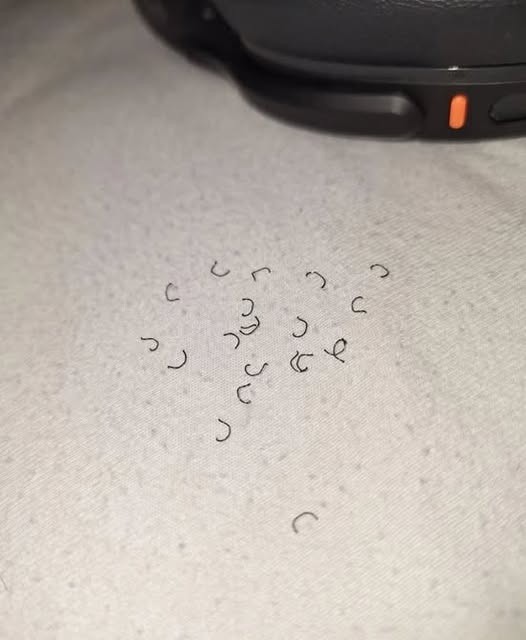
Why You’re Finding Tiny Rubber Shavings Near Your Smartwatch
Small curled fragments around a smartwatch can be surprising, especially when they appear on bedding, a desk, clothing, or the skin after a long day. In many cases, these pieces come from normal wear on a silicone, rubber, or elastomer watch band. Understanding why this happens can help smartwatch owners keep their bands cleaner, more comfortable, and in good condition.
What Are the Tiny Rubber Shavings Near a Smartwatch?
Tiny dark, clear, or colored curls found near a smartwatch often resemble miniature hooks, crumbs, or pieces of worn Velcro. They may be fragments shed from the watch strap, particularly if it is made from silicone, rubber, thermoplastic elastomer, or another flexible synthetic material.
Smartwatch bands are exposed to frequent bending, stretching, pressure, moisture, and contact with everyday surfaces. Over months or years, these forces can gradually affect the outer surface of a strap. A band may start to develop minor abrasions, dull areas, small cracks, peeling, or small particles. The process is generally a form of material wear rather than an indication that the watch itself is malfunctioning.
However, not every small particle near a watch necessarily comes from the strap. Lint from clothing, pet hair, dried skin products, desk debris, or residue from a protective case can also collect around the wrist and buckle. Looking closely at the band for rough patches, cracking, or missing material can help identify the source.
Why Silicone and Rubber Watch Bands Wear Down
Flexible watch bands are popular because they are lightweight, water-resistant, easy to clean, and suitable for exercise. Yet no wearable material is completely immune to aging. Silicone and related elastomer materials can eventually show signs of use, especially when worn daily.
Friction From Everyday Movement
Friction is one of the most common reasons a band begins to shed small pieces. A smartwatch strap rubs against skin, sleeves, keyboards, desks, gym equipment, bedding, and other surfaces throughout the day. Repeated contact can slowly abrade the material. People who type frequently, rest their wrist against a desk edge, or wear the watch during high-movement activities may notice wear sooner in certain areas.
The underside of the strap, the edges near the buckle, adjustment holes, and sections that bend repeatedly are often the first locations to show changes. These points experience the greatest stress when the band is fastened, removed, or flexed around the wrist.
Sweat, Skin Oils, Lotions, and Sunscreen
Perspiration, natural skin oils, lotions, sunscreen, cosmetics, and soaps can accumulate on a watch band. While many smartwatch straps are designed to handle ordinary moisture, residue left on the surface may contribute to discoloration, odor, or a less smooth texture over time. Regular cleaning is useful not only for appearance but also for reducing buildup that can sit between the band and the skin.
During exercise or warm weather, sweat may remain trapped beneath a tightly worn band. This can make the area more humid and increase rubbing. The American Academy of Dermatology notes that friction, moisture, and contact with certain materials can contribute to skin irritation or contact dermatitis in some people. A clean, dry, properly fitted band can reduce these common comfort issues.
Heat, Sunlight, and Environmental Exposure
Heat and ultraviolet light can affect many polymers over time. Leaving a watch band in direct sun for long periods, inside a hot vehicle, or near strong heat sources may accelerate fading or surface changes. Exposure to household chemicals, insect repellent, fragrances, cleaning sprays, and solvents may also damage some strap materials.
For this reason, manufacturers commonly advise users to avoid exposing wearable devices and accessories to products that are not specifically recommended for them. The exact care instructions differ by brand and band material, so the watch maker’s official guidance should take priority.
Material Quality and Design Differences
Not all watch bands use the same material formulation or manufacturing standards. Some inexpensive third-party straps may wear more quickly, particularly when they use thin material, lower-grade silicone, or less durable coatings. That does not mean every affordable strap will fail early, but performance can vary considerably between products.
Higher-quality bands may use engineered elastomers, including fluoroelastomer in some premium sports bands. These materials are often selected for durability and resistance to sweat, oils, and environmental conditions. Even durable straps will eventually age, but better materials and careful construction may help them retain their shape and finish for longer.
Are Rubber Shavings From a Watch Band a Health Concern?
Finding a small amount of worn material does not automatically mean there is a serious safety problem. Still, visible degradation is a practical reason to inspect the strap and pay attention to how the skin beneath it feels. A deteriorating band can become rougher, trap moisture, or develop cracks that are harder to clean.
If there is no discomfort and the band remains structurally sound, routine cleaning and monitoring may be enough. But replacement is sensible when a strap has substantial cracking, deep gouges, loose components, sharp edges, stretching, or frequent shedding. A worn strap may also be more likely to break unexpectedly, increasing the chance that the watch could fall.
Skin symptoms deserve additional attention. Redness, itching, swelling, persistent dryness, pain, or a rash beneath the band may result from irritation, friction, moisture, or sensitivity to a material or product that contacted the skin. These symptoms do not always mean the band is the cause, but removing the watch temporarily and keeping the area clean and dry may be helpful. People with persistent, severe, or worsening skin symptoms should seek advice from a qualified healthcare professional or dermatologist.
How to Check Whether Your Smartwatch Band Is Wearing Out
A quick inspection can reveal whether the particles are likely coming from the strap. Remove the watch and examine it under good lighting. Focus on the areas that touch the wrist, bend around the buckle, and sit near adjustment holes.
- Look for fine cracks, splits, peeling, or flaking on the band surface.
- Check for rough edges or areas that feel sticky, unusually dry, or uneven.
- Inspect the buckle, clasp, and attachment points for looseness or damage.
- Compare heavily used sections with less exposed parts of the strap.
- Notice whether particles match the color of the band.
- Check whether the strap has stretched, become misshapen, or no longer fastens securely.
If a strap appears intact but particles continue to appear, consider other sources. Clothing cuffs, wrist supports, laptop surfaces, silicone phone cases, and fabric furniture can all leave small fibers or fragments behind. Cleaning the band and the surrounding area, then observing whether new particles appear, may help narrow down the cause.
How to Clean a Silicone or Rubber Smartwatch Band
Cleaning a watch band regularly is one of the simplest ways to support comfort and prolong its usable life. Always consult the official instructions for the specific watch and band before cleaning. Some bands, clasps, leather accessories, and watch bodies require different care methods.
For many silicone or fluoroelastomer-style bands, manufacturers generally recommend removing the band from the watch when possible, wiping it with a soft lint-free cloth, and using fresh water with mild soap if needed. Avoid abrasive pads, harsh detergents, bleach, solvents, and strong household cleaners unless the manufacturer explicitly approves them.
- Remove the watch band if the manufacturer’s instructions allow it.
- Wipe away loose lint, sweat residue, and dust with a soft cloth.
- Wash the band gently using water and a small amount of mild soap where appropriate.
- Rinse thoroughly so that soap residue does not remain on the material.
- Dry the band completely with a clean, non-abrasive cloth.
- Allow both the band and the skin on the wrist to dry before wearing the watch again.
Keeping a band dry after workouts, swimming, showering, or handwashing is particularly important. Moisture held under a tight strap can cause discomfort even when the strap itself is in good condition.
Ways to Reduce Watch Band Friction and Extend Its Life
Wear is unavoidable, but a few practical habits can reduce unnecessary stress on a smartwatch strap.
- Choose a comfortable fit: The band should be secure enough for the watch sensors to work properly but not so tight that it leaves deep marks or traps excessive moisture.
- Move the watch slightly during the day: Changing its position on the wrist occasionally can reduce continuous pressure on one area of skin.
- Clean the band after workouts: Removing sweat and residue promptly can help preserve the surface and improve comfort.
- Take the watch off periodically: Giving the skin time to air out can be useful, especially after exercise or long periods of wear.
- Use different bands for different activities: A sport band for workouts and a fabric, metal, or other suitable band for everyday use can distribute wear across multiple accessories.
- Avoid chemical exposure: Remove the watch when using products that may affect the band, unless the device manufacturer says it is safe to keep it on.
- Store the watch carefully: Keep it away from prolonged heat, direct sunlight, and objects that could scrape or compress the strap.
When It Is Time to Replace a Smartwatch Band
Replacing a worn band is usually straightforward and may be more cost-effective than trying to repair a degrading elastomer strap. Consider a replacement if the band sheds material repeatedly, shows visible cracking, feels uncomfortable, develops a persistent odor despite cleaning, or no longer attaches securely.
It is also worth replacing a band if it causes ongoing irritation after you have cleaned it, adjusted the fit, and allowed the skin to recover. Choose a strap that is compatible with the watch model and purchased from a reputable seller. Official bands or accessories from established manufacturers often provide clear material information and care instructions.
For individuals who have experienced sensitivity, a dermatologist may be able to help identify possible triggers. Switching to a different band material may be useful, but suitability depends on the person and the product. Materials marketed as hypoallergenic can still cause reactions in some users, so comfort and skin response are important considerations.
The Bottom Line on Tiny Watch Band Fragments
Small rubber-like shavings near a smartwatch are often a sign that a silicone or elastomer band is gradually wearing from friction, moisture, daily movement, and age. The discovery is usually a prompt to inspect and clean the strap rather than a reason for alarm.
Regular maintenance, a comfortable fit, and attention to early signs of cracking can help extend the life of a band. If shedding becomes frequent, the strap feels rough, the fastening hardware is compromised, or the skin underneath becomes irritated, replacing the band is the sensible next step. A smartwatch is designed to be worn often, and like other frequently used accessories, its band may eventually need routine renewal.
Sources
Disclaimer: This content is intended for entertainment purposes only and is not based on real events.