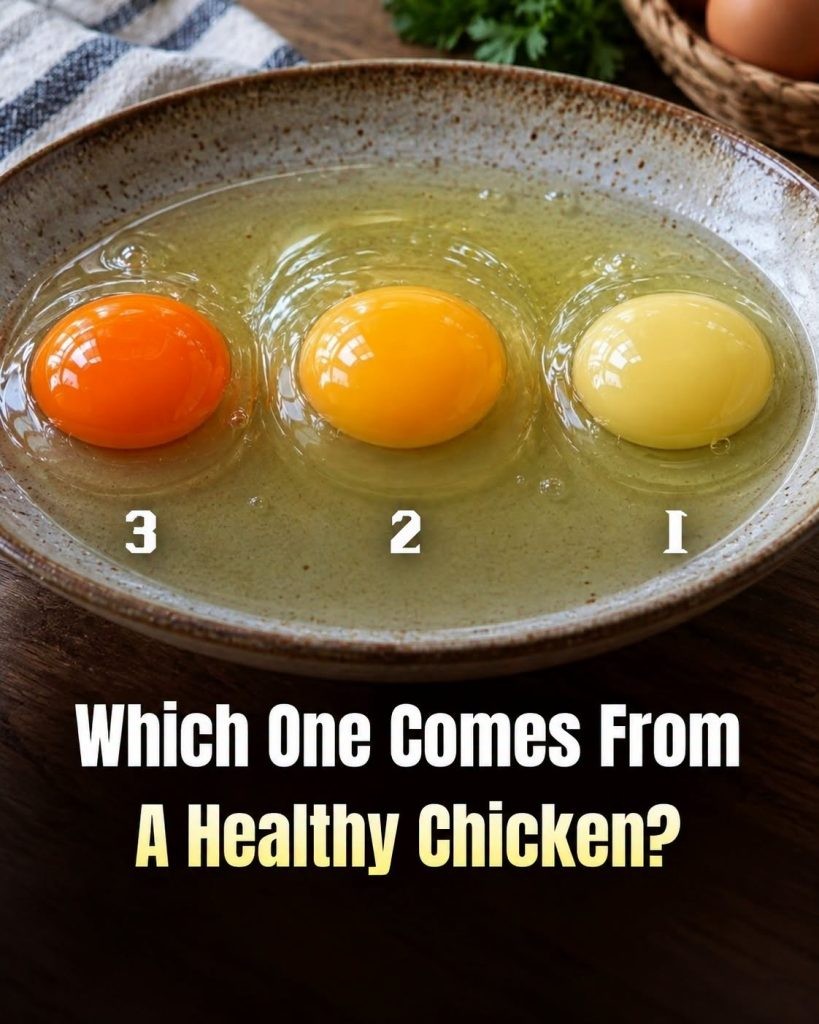
That Rich, Orange Yolk May Not Mean What You Think
Introduction: The Significance of Egg Yolk Color
Eggs are a staple in many diets around the world, prized for their versatility, nutrition, and taste. Over the years, a popular misconception has taken root: the belief that the darker, more orange an egg yolk is, the healthier or superior the egg must be. Many consumers are willing to pay extra for eggs boasting rich, orange yolks, convinced they’re choosing a product of higher quality. However, yolk color is a surprisingly complex topic, and its links to nutrition and farming are not as straightforward as advertisements or folk wisdom may suggest.
What Determines Yolk Color?
The color of an egg yolk is primarily determined by the pigments present in the hen’s diet. Hens absorb natural pigments called carotenoids from their food, most notably from plants such as grasses, alfalfa, and marigold petals. Carotenoids are responsible for the yellow, orange, or even red hues in plants and likewise contribute to the color of the egg yolk.
When hens have access to pasture or receive diets abundant in these pigments, their eggs tend to have yolks that appear deeper yellow to orange. Conversely, if a hen’s diet is limited to pale grains such as corn or wheat and lacks vibrant plant materials, the result is typically a lighter-colored yolk.
Feed Additives and Artificial Yolk Enhancement
To cater to consumer preferences and boost market appeal, some egg producers may add specific ingredients—sometimes natural, sometimes artificial—to conventional chicken feed to darken yolk color. Common additives include marigold extract, paprika, and other carotenoid-rich supplements. Such additives are approved by regulators in most countries and are generally considered safe. However, the practice means that a vivid yolk color can be engineered, regardless of the farming method or quality of life for the hens.
This means a deep orange yolk might not always be the straightforward result of a hen’s healthy, natural foraging; it could be the result of carefully calibrated feed strategies designed to meet consumer expectations rather than to improve egg quality from a nutritional or ethical standpoint.
Does Yolk Color Indicate Nutrition?
A key point often misunderstood is that yolk color on its own is not a direct indicator of nutrition. The nutrients that matter most—high-quality protein, vitamin B12, vitamin D, selenium, choline, and various antioxidants—can be present in similar quantities regardless of whether the yolk is pale yellow or a rich, golden hue.
Peer-reviewed research has shown that while diets richer in certain greens can marginally increase vitamin A and omega-3 fatty acid content in eggs, the overall nutritional profile does not directly correlate with hue alone. According to the Mayo Clinic, factors such as the hen’s health, type of feed, and levels of sunlight exposure play roles that are often greater than yolk color itself.
Egg Production Methods and Health Considerations
Beyond egg yolk color, the conditions in which the hens are raised make a significant difference to the nutritional content and safety of eggs. Pasture-raised hens, for instance, are free to forage outdoors, eat a greater variety of plants and insects, and generally live in less stressed environments. On average, eggs from these farms may contain higher amounts of omega-3 fatty acids and certain vitamins, but the difference—while measurable—is neither dramatic nor signaled solely by yolk color.
Conversely, conventional or caged egg production tends to offer a standardized diet and controlled conditions. Although these practices may yield paler yolks unless additives are used, they do allow for strict hygiene and large-scale operation, which some argue can limit the spread of zoonotic diseases.
Freshness, Storage, and Egg Quality
Another factor often overlooked in the conversation about egg quality is freshness. An older egg’s yolk and white can thin and flatten, affecting both texture and appearance. Proper storage and refrigeration are essential to maintain safety and nutritional value, as the risk of contamination with pathogens such as Salmonella rises over time.
The United States Department of Agriculture (USDA) recommends storing eggs in the coldest part of the refrigerator and using them within 3-5 weeks for best quality. Shell color, like yolk color, is also unrelated to nutrition or safety—brown, white, even speckled eggs contain similar nutrients as long as the hens are healthy and the eggs are fresh and properly handled.
Debunking Common Myths About Egg Yolk Color
- Myth: Darker yolks always mean more nutritious eggs.
Fact: The nutritional makeup of an egg is determined by the hen’s whole diet and health, not just the pigments that color the yolk. - Myth: Lighter yolks are inferior or less healthy.
Fact: Plenty of healthy eggs have lighter yolks, especially where chicken feed is lower in carotenoids but still nutritionally robust. - Myth: Yolk color reveals if an egg is organic or free-range.
Fact: Egg classification—such as organic, free-range, or pasture-raised—is determined by standards of feed, space, and outdoor access, not by yolk color. - Myth: Yolk color can be used to gauge egg freshness.
Fact: Yolk color and freshness are unrelated; indicators of freshness are more about smell, texture, and date of packaging.
What Should Consumers Look For?
Given the many variables in egg production, what can the average consumer rely on? The following guidelines can help:
- Read the label: Certifications such as “organic,” “free-range,” or “pasture-raised” indicate higher animal welfare standards and, sometimes, a more diverse diet—but not always more nutrients in the egg.
- Buy local if possible: Eggs from local sources, such as farmers’ markets, may be fresher and farmed with more transparent methods.
- Prioritize freshness: Check best-by dates and keep eggs properly refrigerated.
- Consider your cooking needs: For baking and scrambling, yolk color makes little difference. For dishes that showcase the yolk, color may affect appearance but not health benefits.
- Be wary of marketing: High price and bright packaging do not always guarantee a better product.
Expert Opinions and Scientific Research
Food scientists, nutritionists, and agencies such as the Centers for Disease Control and Prevention (CDC) and the World Health Organization (WHO) emphasize that eggs, regardless of yolk color, remain a valuable and affordable source of nutrition. While naturally darker yolks can indicate access to a varied diet and more natural living conditions for hens, color alone cannot reliably tell the story of the egg’s nutritional content or the welfare conditions of the hens that laid them.
Independent lab analyses have consistently found that while minor nutritional differences can exist, they often reflect soil quality, farming practices, and breed of the hen as much as feed pigments. Therefore, people choosing eggs for health, environmental, or ethical reasons should look beyond yolk color when making decisions.
Consumer Trends and International Perspectives
Consumer preference for yolk color varies widely around the world. In some cultures, such as Japan and parts of Europe, vibrant orange yolks are considered the gold standard and are often featured in dishes where visual appeal is important, like ramen or carbonara. In other countries, such as the United States, lighter yolks are more common due to staple feed types but attitudes are changing as specialty and “farm-fresh” eggs grow in popularity. Regardless of these preferences, egg selection remains a combination of tradition, marketing, and personal value rather than an exact science.
Conclusion: Looking Beyond the Yolk
The next time you’re browsing the egg aisle or cracking open an egg at home, remember: yolk color is just one piece of a much larger puzzle. While it can hint at the diet of the hen, it is not a definitive indicator of nutritional superiority, freshness, or farming ethics. Instead, consumers should balance their choices with wider knowledge of food safety, animal welfare, and their own nutritional needs. Ultimately, the healthiest egg might be the one that’s produced closest to home, stored properly, and eaten as part of a balanced diet—no matter what color the yolk.
Sources
Disclaimer: This content is intended for entertainment purposes only and is not based on real events.