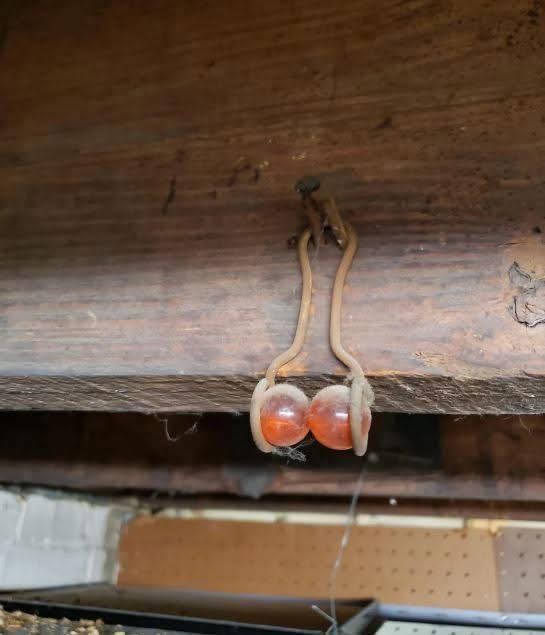
The Timeless Appeal of the Vintage Marble Razor Knife Sharpener
Introduction to Antique Tools and Their Enduring Value
Antique tools captivate both collectors and enthusiasts for their blend of history and practicality. At a time when today’s market is dominated by mass-produced gadgets and technology, these tools stand as testaments to craftsmanship, long-lasting materials, and a bygone design philosophy. The vintage marble razor knife sharpener, in particular, encapsulates this spirit. Its continued functionality and beauty make it not just a relic, but a valuable object that bridges the gap between historical curiosity and everyday use.
A Glimpse into the Past: Origins of the Marble Razor Knife Sharpener
The marble razor knife sharpener emerged in the late 19th and early 20th centuries—a period characterized by rapid technological advancement and a flourishing of industrial innovation. Within this environment, toolmakers constantly experimented with materials, shapes, and mechanisms to create items that were both effective and pleasing to use. These sharpeners, commonly featuring a marble or glass ball mounted into a stand, became a fixture in barbershops, kitchens, and workshops across Europe and North America.
Unlike many tools that evolved into purely mechanical or electric forms, the marble razor knife sharpener retained a simplicity that was both intentional and effective. Its design showcased a focus on maximizing the utility of basic materials—marble for its hardness and glass for its smoothness—while allowing for easy use and durable construction. Many examples from the period survive today, attesting to their robust build and practical purpose.
The Science Behind Sharpening: Why Marble and Glass?
One of the key reasons for the enduring popularity of these sharpeners lies in their ingenious use of material science. Marble, a metamorphic rock primarily composed of calcite, offers a unique combination of hardness and a smooth polishing surface. This makes it ideal for the precise honing required in blade maintenance. Glass balls were sometimes used as a more affordable alternative, providing a similarly smooth—though slightly less durable—sharpening surface.
When a knife is drawn against the marble or glass ball, the micro-serrations on its edge are realigned and refined. This manual method of sharpening is gentle on the blade and, when done regularly, can extend the life of the tool for generations. In fact, many culinary and trades professionals assert that regular honing with such devices can minimize the need for more abrasive sharpening techniques.
Craftsmanship and Aesthetics: A Marriage of Function and Beauty
Form meets Function: The craftsmanship displayed in vintage marble razor knife sharpeners speaks to a time when tools were designed to be both useful and visually appealing. From intricately carved stands and handles to the carefully selected marbles, every component was selected for a blend of practicality and aesthetics. Even today, these pieces stand out for their understated elegance, often doubling as decorative elements in homes and collections.
During the tool’s heyday, manufacturers paid close attention to detail. Handles might be made from hardwood, cast iron, or even early forms of plastic such as Bakelite, tailored to fit comfortably in the hand and to withstand years of repeated use. They served as both household objects and status symbols, imbued with pride of ownership.
From Flea Markets to Modern Kitchens: Rediscovery and Revival
Today, these antique sharpeners are favored not just by collectors but also by chefs, hobbyists, and craftspeople who value their effectiveness. Many are found at flea markets, antique shops, or within family estates, sometimes mistaken as mere curios rather than robust, working tools. As a result, the last decade has seen a quiet revival among those seeking alternatives to electric sharpeners and disposable gadgets.
In a world increasingly concerned with sustainability and mindful consumption, vintage tools like the marble razor knife sharpener offer practical solutions. They are reusable, need no electricity, and—when maintained properly—can last indefinitely, providing an eco-friendly option for knife and razor maintenance.
The Collector’s Market: Value and Rarity
The collector’s market for vintage marble razor knife sharpeners has grown steadily as awareness of their history and utility spreads. Condition is a critical factor: intact balls, unchipped stands, and original hardware significantly boost a piece’s value. Rarer designs, branded pieces, or models with unique features command premium prices at auction and among specialized collectors.
Some collectors focus on specific eras or manufacturers, seeking out variants marked by design flourishes or patented mechanisms. Practical users are often content with a well-balanced, functional piece, regardless of aesthetic embellishments. Regardless of approach, ownership brings with it a connection to the past and the preservation of traditional skills.
Expert Perspectives on Historical Toolmaking
Historians and craftspeople alike speak to the importance of antique tools in illuminating advances in technological and social history. According to museum curators and restoration experts, items like the marble knife sharpener reflect shifts in manufacturing processes, regional materials, and daily lives of earlier generations.
Contemporary blacksmiths and blade experts often recommend traditional sharpening tools for their ability to hone an edge gently, thus extending blade longevity. Many contemporary chefs integrate antique sharpeners into their kitchen routines as a way to honor culinary heritage and maintain their tools in peak condition.
International and Societal Interest
The appreciation for vintage tools transcends borders. Collectors’ groups and online forums, from North America to Europe and Asia, share advice on restoration and use, swap stories of rare finds, and hold exhibitions to celebrate these artifacts. In Japan and Germany, where knife-making traditions are especially strong, antique sharpeners are often incorporated into formal apprenticeships and professional kitchens.
Educational institutions and living history museums may use these artifacts to teach the next generation about traditional craftsmanship. These efforts contribute to the ongoing relevance of such tools in a world shaped by rapid technological change.
How to Identify and Care for a Vintage Marble Razor Knife Sharpener
For those interested in acquiring or using a vintage marble knife sharpener, it is important to recognize quality markers. Check for a securely mounted, smooth marble or glass ball free of cracks or chips. The stand or frame should be stable, without signs of severe rust or wood rot. Original labels, stamps, or maker’s marks can add value and authentication.
To maintain such a tool, regular gentle cleaning is advised—warm water and mild soap for glass or marble balls, with immediate drying to prevent moisture damage to wooden or metal parts. Occasional light oiling of moving mechanisms can help preserve action and prevent corrosion.
Enthusiasts recommend handling these sharpeners with care, not only to preserve their cosmetic appeal but to ensure decades more of effective use.
Integrating Antique Tools into Modern Life
Modern knife owners can incorporate antique marble razor knife sharpeners into their routines easily. These tools work best for regular maintenance and are suitable for straight blades such as kitchen or barber knives. For extremely dull or damaged blades, supplemental sharpening with a whetstone or professional service may still be required.
By pairing tradition with contemporary needs, owners gain both the practical and cultural benefits of antique tools. Their ongoing usability makes them more than collectibles—they remain active partners in daily life.
Conclusion: A Symbol of Enduring Craft and Utility
The vintage marble razor knife sharpener stands as an emblem of human ingenuity, craftsmanship, and appreciation for durability. In an era saturated with disposable gadgets, their continued function and aesthetic presence offer a powerful reminder of values that transcend time. Whether displayed in a collection, used in a kitchen, or handed down through generations, these artifacts affirm the enduring relationship between people and the tools they design.

Sources
- BBC News
- Reuters – Collecting Vintage Tools
- The Guardian – Vintage Tools in Demand
- Smithsonian Magazine
Disclaimer: This content is intended for entertainment purposes only and is not based on real events.