There is a small ritual that happens in bedrooms everywhere.
At the end of a long day, a bra comes off and is placed over the back of a chair, hung on a hook, or left neatly beside tomorrow’s clothes. The next morning, it is picked up again. It still looks perfectly fine. There is no obvious stain, no unusual smell, and nothing about its appearance suggests that it needs attention.
So it gets worn again.
For many people, this simple routine feels completely normal. After all, a bra is not a towel or workout shirt. It may spend the day beneath layers of clothing, and if there has not been much sweating, washing it immediately can seem unnecessary.
But there is more to bra care than appearance.
Fabric that rests close to the body naturally collects perspiration, skin oils, small amounts of shed skin, deodorant, perfume, and everyday environmental residue. Dermatologists note that repeatedly wearing unwashed clothing can contribute to irritation, particularly when sweat and oils remain against the skin.
At the same time, some popular advice about bras has become almost as dramatic as the problem it claims to solve.
Is it really necessary to wash a bra after every single use?
Is wearing the same one two days in a row harmful?
And where did the idea that bras must be treated according to a strict three-wear rule come from?
The scientific answer is more practical than frightening.
Why Bra Hygiene Matters More Than You Might Think
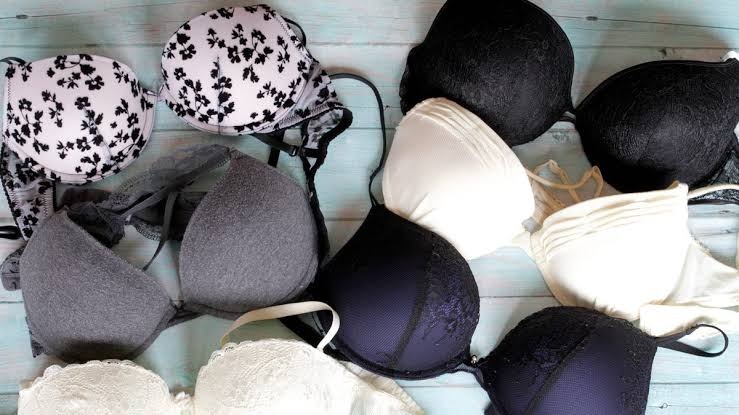
A bra is designed to remain close to the body for hours at a time. That means the fabric naturally comes into contact with areas where perspiration and body oils can accumulate.
This does not mean that an ordinary worn bra suddenly becomes dangerous. Human skin already has a complex community of microorganisms, and the presence of bacteria on clothing is not automatically a sign of poor hygiene.
The more realistic concern is accumulation.
When sweat, oils, and other residues remain in fabric repeatedly, odors can develop and the garment may become less comfortable. For people with sensitive skin, repeated exposure to sweat, friction, dyes, detergents, or particular fabrics can also contribute to irritation.
The American Academy of Dermatology recommends washing sweaty clothing before wearing it again because sweat, oils, and microorganisms left on clothing can contribute to certain skin problems.
This is why bra care is best understood as a matter of balance rather than fear.
The goal is not to sterilize your clothing.
The goal is to keep it reasonably clean while preserving the fabric and maintaining a comfortable fit.
The Myth of the “Perfect” Washing Schedule
One of the most common questions is deceptively simple: How often should you wash a bra?
There is no universal number that applies to everyone.
A person who spends the day in a cool office and experiences very little perspiration may have different needs from someone who works outdoors, exercises regularly, or lives in a hot and humid climate.
Cleveland Clinic’s dermatologist guidance suggests washing bras after roughly two or three wears as a general rule, while emphasizing that the amount of sweating and length of wear can change what counts as a reasonable interval.
Good Housekeeping similarly notes that many bras can be worn several times before washing, depending on the garment and circumstances. Sports bras used during demanding exercise are a different matter because they are exposed to significantly more perspiration.
So the famous “three wears” idea should not be treated as a scientific law.
It is better viewed as a practical guideline.
If the bra feels damp, develops an odor, becomes noticeably soiled, or has been worn during substantial sweating, washing it sooner makes sense.
If it has been worn briefly in cool conditions and remains fresh, there may be no reason to wash it immediately.
Why Rotating Bras Can Help
There is another reason not to rely on one favorite bra every day.
Your clothing has to recover from wear too.
Elastic fibers are repeatedly stretched as you move. Straps, bands, seams, and cups all experience mechanical stress. Wearing the same garment continuously can contribute to faster loss of shape.
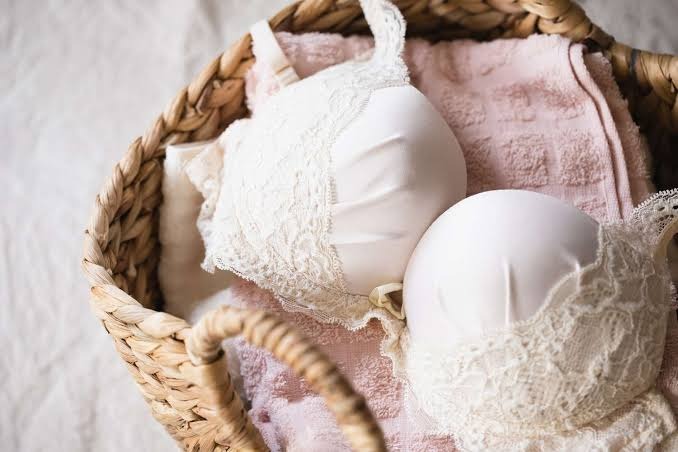
Cleveland Clinic recommends rotating bras so that the cups and straps have time to relax and retain their shape.
This does not mean that wearing the same bra on consecutive days is automatically harmful.
In fact, Cleveland Clinic specifically notes that wearing the same bra two days in a row can be reasonable when it has been removed for several hours between wears.
The bigger lesson is simply variety.
If you own several bras suitable for everyday use, rotating them can reduce the amount of continuous stress placed on any one garment.
That may help your clothing last longer while also giving each piece time to dry completely between wears.
The Historical Side of Bra Culture
The modern bra may look like a relatively recent invention, but the history of supportive garments is much older than many people realize.
In 2012, archaeologists working at Lengberg Castle in Austria reported the discovery of textile garments dating to the 15th century that included four garments resembling bras. The discovery challenged the simple assumption that modern-style bras appeared only in the 19th or 20th century.
That discovery is fascinating because clothing has never been purely about practicality.
Throughout history, garments have reflected ideas about fashion, comfort, social expectations, beauty, movement, and personal identity.
The way people support or shape clothing has changed repeatedly.
What one generation considers essential, another may consider old-fashioned.
What is regarded as comfortable in one culture may seem restrictive in another.
Even modern sports bras emerged from changing expectations about movement and physical activity. The Smithsonian’s account of the development of the Jogbra describes how three women in the 1970s experimented with a garment designed to provide greater support during exercise.
So the bra is more than a piece of fabric.
It is also part of a much longer history of clothing adapting to the way people live.
The Cultural Myth of the “Perfect” Bra
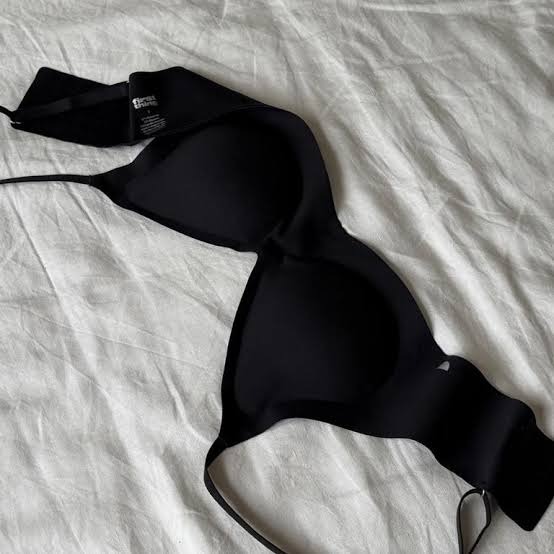
Because bras are closely associated with appearance, comfort, and confidence, they have accumulated plenty of cultural myths.
Some people believe an expensive bra automatically lasts longer.
Others believe a particular washing schedule is universally correct.
There are also claims that certain washing habits can dramatically transform the health of the skin.
Reality is usually less dramatic.
A well-made garment can still deteriorate if it is repeatedly exposed to rough washing, excessive heat, twisting, or prolonged stress. At the same time, gentle care cannot compensate forever for a garment that is simply worn out.
The most useful approach is to separate cultural advice from evidence.
If a recommendation sounds extreme, ask what problem it is actually solving.
Is it about cleanliness?
Fabric preservation?
Comfort?
Or simply a traditional laundry habit that has been repeated for years?
That small question can make everyday advice much easier to understand.
How to Wash a Bra Without Ruining It
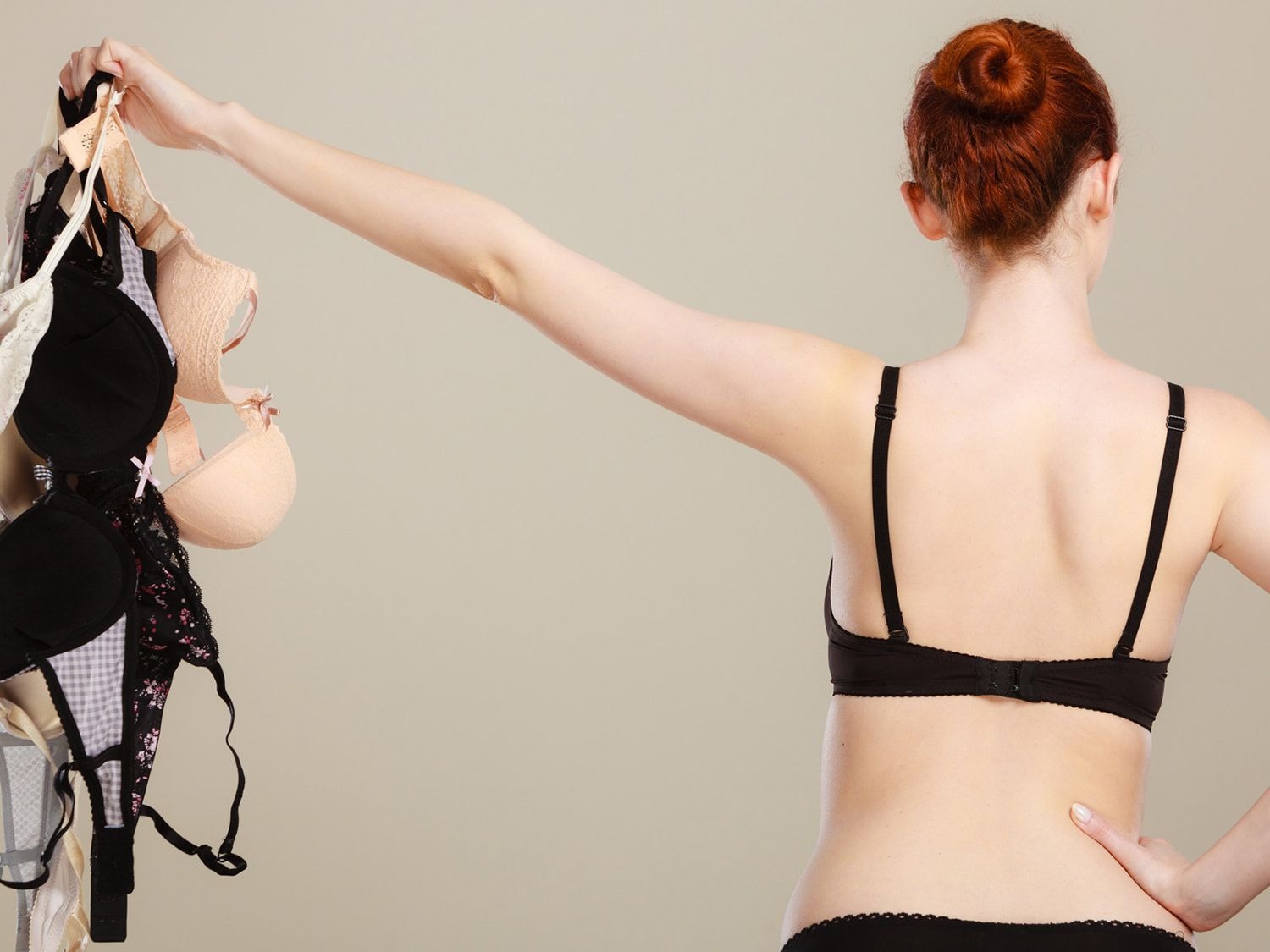
The best starting point is always the garment’s care label.
Different fabrics and construction methods require different treatment. A delicate lace garment may need more careful handling than a simple everyday bra.
For bras that can be hand washed, gentle cleaning is an excellent option.
Use cool or lukewarm water according to the care instructions and choose a mild detergent. Allow the garment to soak, gently move it through the water, and rinse thoroughly.
Avoid aggressive scrubbing.
When removing excess water, avoid twisting or wringing the garment. Instead, gently press out the water or use a towel to absorb excess moisture.
Good Housekeeping recommends gentle handling and reshaping delicate garments before allowing them to air dry.
This approach protects the shape of the cups and reduces unnecessary stress on elastic components.
What About the Washing Machine?
Hand washing may be ideal for delicate garments, but it is not always realistic.
Fortunately, machine washing can be appropriate when the care label allows it.
A mesh laundry bag can help protect the garment from excessive twisting and contact with other clothing. Fastening the hooks before washing can also reduce the possibility of snagging.
Use the gentlest suitable cycle and follow the temperature recommendation on the label.
Cleveland Clinic recommends a gentle, cold-water machine cycle for bras that are appropriate for machine washing.
The important point is that “machine washable” does not mean “wash however you want.”
A delicate garment still benefits from delicate treatment.
Why Air Drying Is Usually the Better Choice
The dryer may be convenient, but heat can be hard on elastic materials.
Repeated exposure to high temperatures can contribute to loss of stretch and changes in fit. For this reason, experts commonly recommend air drying bras rather than putting them through a heated drying cycle.
After washing, gently reshape the garment and allow it to dry naturally.
Do not twist the cups into unusual positions while storing or drying them.
Good Housekeeping recommends laying bras flat to dry after gently removing excess water.
A few extra minutes of care can therefore make a noticeable difference to the life of the garment.
Your Bra Size Can Change Too
Cleaning is only one part of proper bra care.
Fit matters.
Bodies naturally change over time, and clothing that once felt comfortable may eventually begin to feel different. Changes in body shape, weight, activity levels, and other normal life circumstances can all influence how a garment fits.
A band that is too tight may feel uncomfortable.
A band that is too loose may fail to provide the support expected from the garment.
Straps that constantly dig into the shoulders or cups that sit incorrectly are signs that it may be worth reassessing the fit.
This is not necessarily a sign that something is wrong with your body.
Sometimes the clothing simply needs to change.
A Simple Bra Care Routine
A sensible routine does not have to be complicated.
Keep several everyday bras in rotation rather than relying on one favorite piece.
Wash them according to how much they have been worn and how much perspiration they have encountered.
Wash sooner after heavy sweating.
Follow the care label.
Use gentle washing methods for delicate fabrics.
Use a mesh bag when machine washing is permitted.
Avoid unnecessary heat.
Allow the garment to dry completely before storing or wearing it again.
And replace pieces when the elastic, fabric, seams, or overall fit have clearly deteriorated.
These habits are much more useful than worrying about a rigid number of wears.
When Skin Irritation Is Actually a Skin Problem
Sometimes people assume that an uncomfortable garment is responsible for every skin issue.
That is not always the case.
The American Academy of Dermatology explains that clothing dyes, fabrics, metals, and other substances can trigger contact dermatitis in some people. Fragrances and certain laundry products can also irritate sensitive skin.
This means that washing a bra more frequently is not necessarily the solution to every irritation.
If a persistent rash or other skin problem continues despite changing clothing and laundry habits, it may be worth speaking with a qualified healthcare professional rather than continually changing washing routines.
Good hygiene is helpful, but it is not a substitute for appropriate medical advice.
The Real Lesson Behind an Ordinary Garment
A bra may seem like one of the most ordinary objects in a wardrobe.
Yet its story connects several surprisingly different worlds: personal comfort, textile technology, fashion history, cultural expectations, and modern dermatology.
For generations, people have developed rules about clothing care and passed them from one household to another.
Some of those traditions remain useful.
Others become exaggerated with repetition.
The science gives us a calmer perspective.
Your bra does not need to be treated as a dangerous object simply because you have worn it more than once. At the same time, regular cleaning, sensible rotation, proper drying, and attention to fit can make everyday clothing more comfortable and longer-lasting.
Perhaps that is the most interesting part of the story.
Human beings have always been curious about the objects closest to everyday life. We turn ordinary routines into traditions, traditions into rules, and sometimes rules into myths.
The better approach is to remain curious without becoming alarmed.
Instead of asking, “Am I doing this wrong?” a more useful question may be, “What does the evidence actually tell me?”
When it comes to bra care, the answer is refreshingly simple: keep the garment clean, treat the fabric gently, pay attention to how it feels, and adjust your routine to your lifestyle.
Sometimes good everyday care does not require a dramatic secret.
It simply requires paying attention.
Sources
- Cleveland Clinic: How Often Should You Wash Your Bra?
- American Academy of Dermatology: Preventing Common Skin Problems
- American Academy of Dermatology: Contact Dermatitis
- Good Housekeeping: How Often Should You Wash Your Bra?
- Good Housekeeping: How to Hand-Wash Clothes
- Smithsonian Magazine: A 600-Year-Old Bra Discovery
- Smithsonian Institution: The History of the Sports Bra