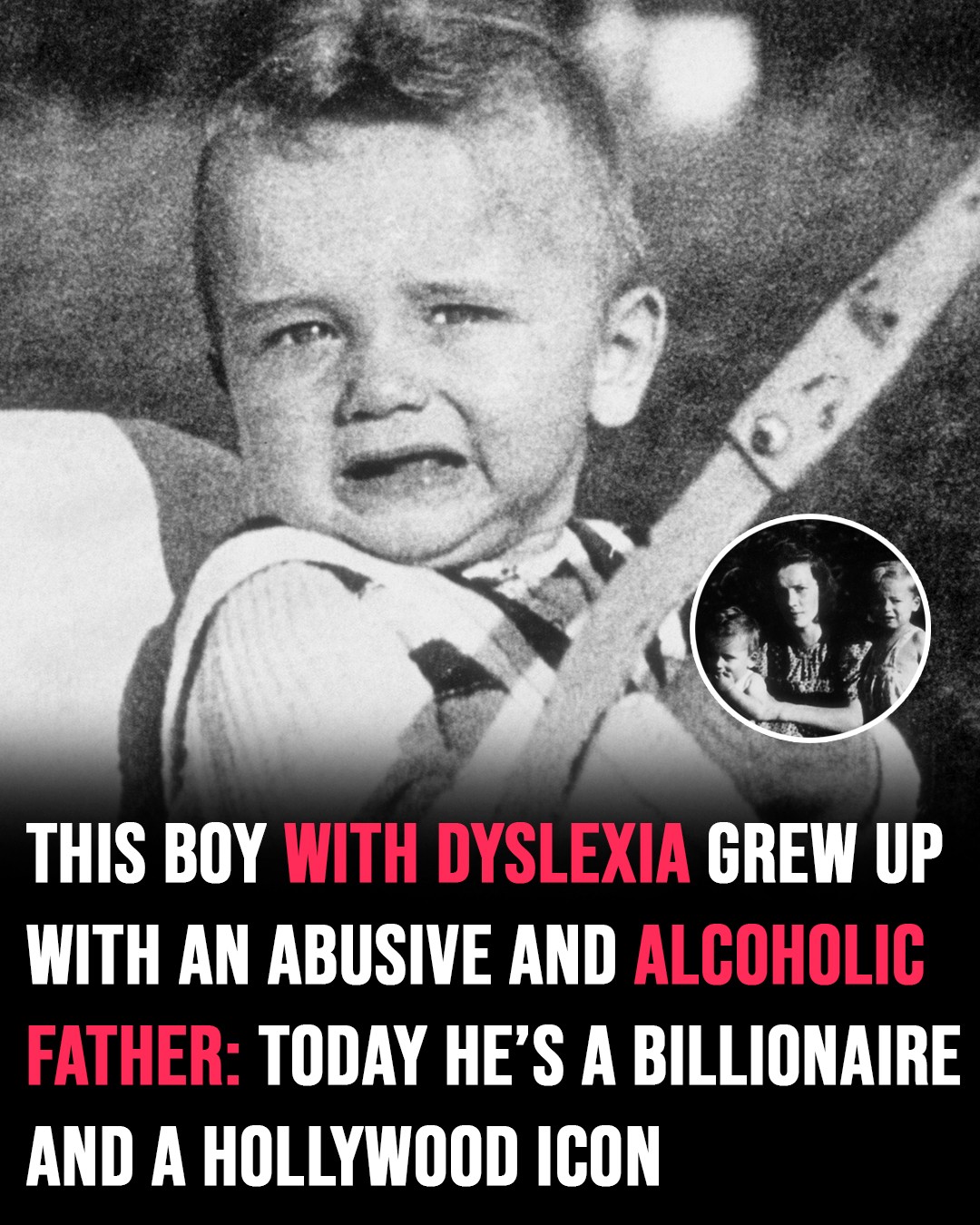
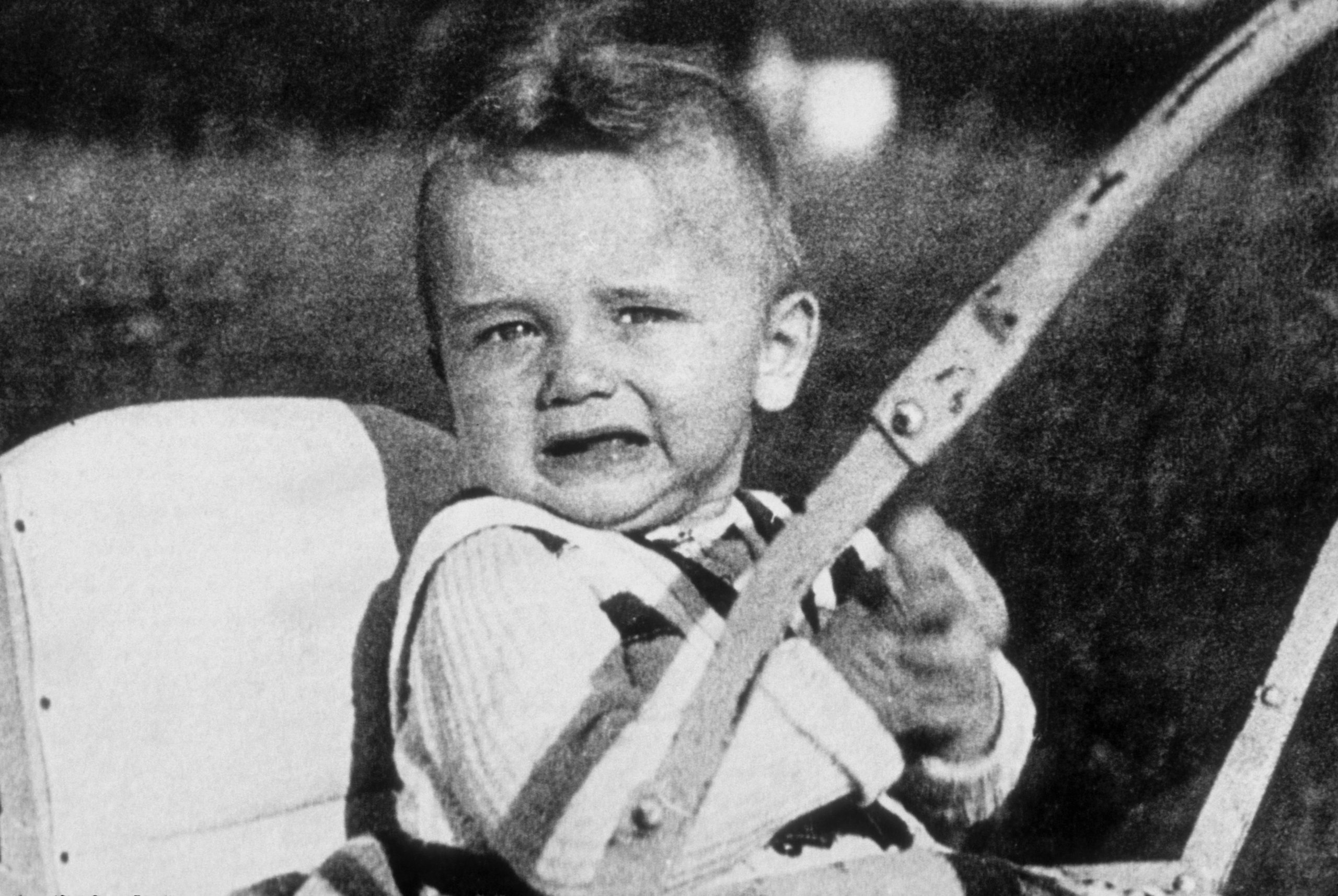
He grew up in a small apartment without a refrigerator, telephone, or modern toilet until he was a teenager.
Arnold Schwarzenegger’s journey spans continents, careers, and cultural moments, illustrating a remarkable story of resilience and transformation. Born into hardship, his determination and relentless pursuit of self-improvement elevated him from a modest Austrian childhood to the stature of a globally recognized star, political leader, and inspirational public figure.
Challenging Beginnings: Overcoming Hardship in Postwar Austria
Arnold Schwarzenegger was born on July 30, 1947, in the small Austrian village of Thal. His early life was shaped not just by poverty, but also by a household lacking modern conveniences; the family lived in a cramped apartment without a refrigerator, telephone, or even a proper toilet until he was well into his teenage years. Running water was a luxury, and everyday chores involved physical labor. As Schwarzenegger himself once recalled, he and his brother would fetch water from a well to heat for washing—a daily ritual that became emblematic of their resilience.
His father, Gustav Schwarzenegger, served as the local police chief and was a member of the Nazi Party during World War II. Many postwar Austrian families were marked by trauma and strict parenting. Gustav was known for being particularly authoritarian and for imposing a harsh Catholic discipline at home. Schwarzenegger has candidly discussed the challenges faced under his father’s stern rule, describing a family environment where “the rod was not spared” and contests between brothers determined favor in their father’s eyes.
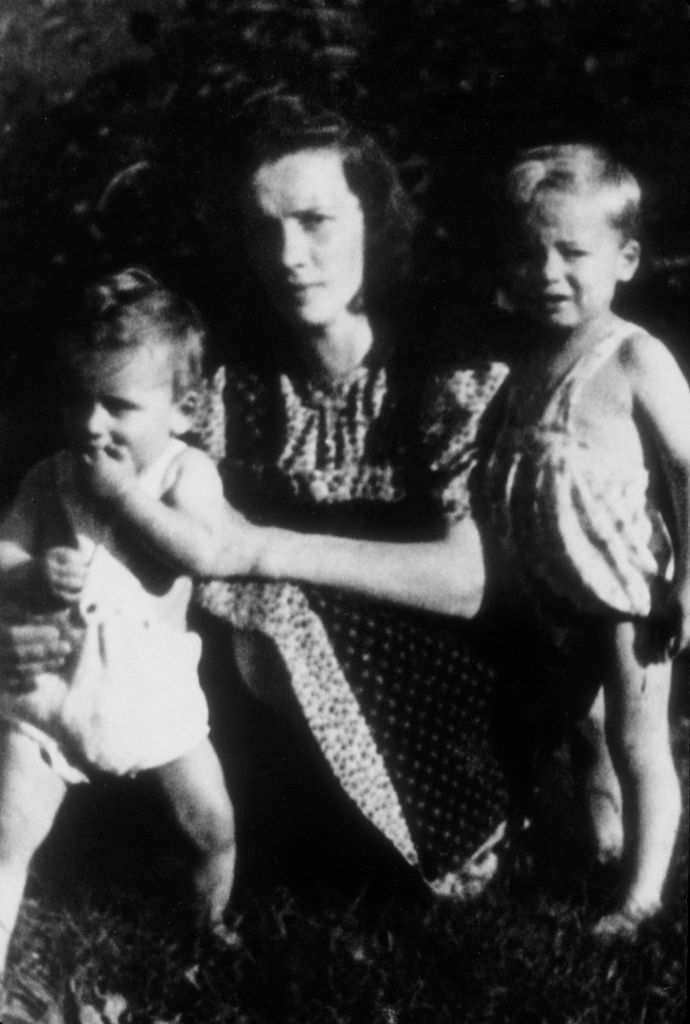
Physical punishment was a reality, one that Schwarzenegger later described as “just the way it was” at that time. He has reflected on how this intense environment, marked by both emotional distance and periodic affection, forged his character: “They didn’t want to create an individual. It was all about conforming. I was one who did not conform, and whose will could not be broken. Therefore, I became a rebel. Every time I got hit, and every time someone said, ‘You can’t do this,’ I said, ‘This is not going to be for much longer because I’m going to move out of here. I want to be rich. I want to be somebody.’”
Family Dynamics and Sibling Rivalry
Family dynamics in the Schwarzenegger household were further complicated by clear favoritism toward Arnold’s older brother, Meinhard. In interviews, Schwarzenegger has recollected that his father “had a hot-and-cold-shower kind of a treatment,” alternating between anger when drinking and guilt-driven affection days later. Social and psychological studies of postwar Austrian parenting confirm that such fluctuations were not uncommon in the era, although they left lasting marks on children’s development.
This dynamic also translated into physical contests between the siblings, with their father praising the victor and criticizing the loser—often Arnold. Meinhard’s tragic death in a drunk driving accident in 1971 cast a long shadow on the family and left Arnold striving to both honor and differentiate himself from his brother’s memory.
Despite these challenges, Schwarzenegger was characterized by teachers and peers as “cheerful, good-humored, and exuberant,” although he struggled with dyslexia and found little academic support for his learning needs. Organized sports, especially soccer, became an early outlet for his energy and competitive nature, but it was a visit to a local gym at age 13 that set him on an entirely different path.
The Birth of a Champion: Discovering Bodybuilding
Schwarzenegger began weight training in 1960, sneaking out at night to hone his physique in secret. His physical transformation was fueled both by inspiration from current bodybuilding icons and from a deep-seated desire to change his circumstances. His self-motivation was clear even from a young age. “When I was 15, I took off my clothes and looked in the mirror. When I stared at myself naked, I realized that to be perfectly proportioned I would need 20-inch arms to match the … rest of me.” Arnold saw bodybuilding as more than a sport; it was a passport to financial stability, education, and a broader world beyond Austria.
His father, however, was dismissive of this pursuit, encouraging him to perform physical labor that was traditionally valued in rural Austria, such as chopping wood. But Arnold was undeterred: “That was my parents’ vision, not mine. I felt I was destined for something special, something big, something unique,” he wrote in one of his memoirs. This conviction propelled him to astonishing early achievements: By the age of 20, Schwarzenegger had already won the prestigious Mr. Universe title—an accomplishment he would repeat four times—and would go on to dominate the Mr. Olympia contest, securing seven titles in total.
Schwarzenegger’s approach was comprehensive, blending intense physical training with ballet classes to perfect his presentation on stage. Presentation and presence were as important as muscle, and Schwarzenegger’s relentless drive made him a standout figure in the global bodybuilding community.
Coming to America: A New Frontier
At 21, Schwarzenegger immigrated to the United States with little English and hardly any money. His first years in America were marked by struggle—he lost his initial bodybuilding competitions and worked odd jobs to support himself—but soon gained the guidance of Joe Weider, a major figure in the fitness industry. Weider recognized Schwarzenegger’s potential, stating, “He was special because he was tall, he had willpower, charm, and above all he wanted to win.” This mentorship opened doors both within and beyond the fitness world.
Hollywood Stardom: The Making of a Pop Culture Icon
Capitalizing on his athletic fame, Schwarzenegger made strategic moves into business, real estate, and media, developing a sizable fortune before even breaking into movies. His cinematic debut came in 1970 with Hercules in New York—a commercial flop, but a crucial first step. Larger roles followed in The Long Goodbye and Stay Hungry (1976), the latter earning him a Golden Globe for Best New Star.
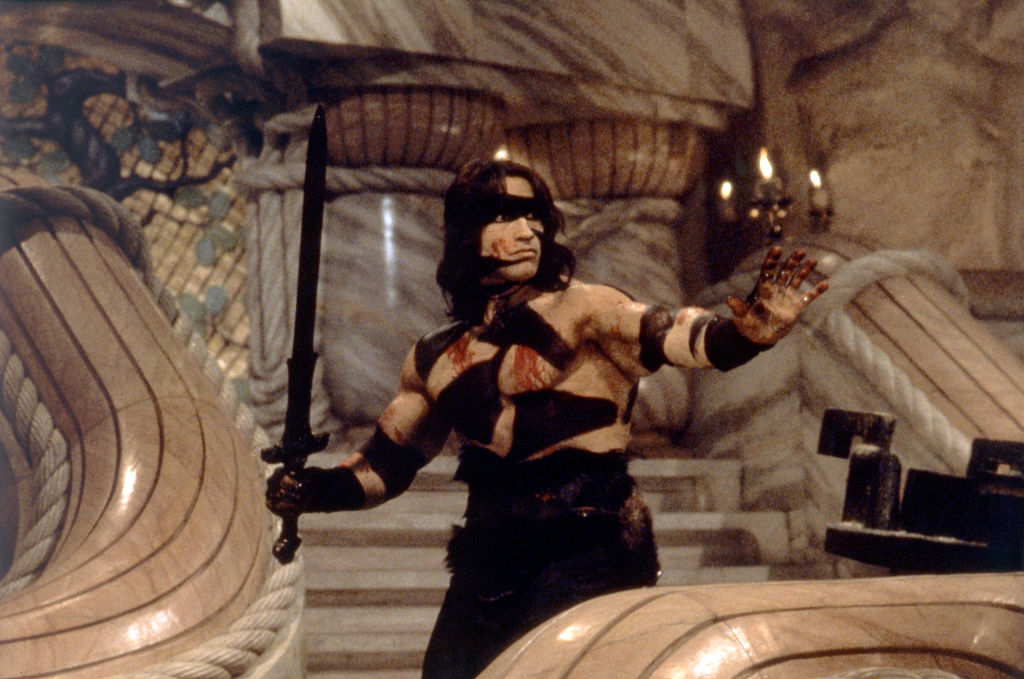
It wasn’t until the documentary Pumping Iron brought his personality and competitive fire to a wider audience that Hollywood took real notice. Subsequent roles in Conan the Barbarian, Terminator, Terminator II, and Total Recall established him as one of the 1980s’ highest-paid actors, commanding salaries upwards of $35 million per film. Schwarzenegger’s screen presence, unique accent, and disciplined work ethic made him an instantly recognizable star, bridging action blockbusters and popular culture.
Political Ambitions and Public Service
Never content to rest on his laurels, Schwarzenegger entered politics in the early 2000s. In 2003, he announced his candidacy for Governor of California. Despite confronting allegations of inappropriate behavior raised by multiple women during the campaign (which he partially acknowledged at the time), Schwarzenegger maintained a clear lead. His political identity as a moderate Republican—favoring gun control, LGBTQ+ rights, and environmental initiatives—often set him apart from party orthodoxy and earned him support across traditional divides. He served two terms as governor, focusing on fiscal reform, green energy, and disaster response, though his tenure was also marked by battles with the California legislature and mixed public approval ratings.
Resilience Through Personal Challenges
Schwarzenegger’s high-profile life has not been untouched by personal difficulties. Perhaps most notably, in 2011, he revealed that he had fathered a child outside his marriage to journalist Maria Shriver. The couple’s subsequent divorce was highly publicized but, as Schwarzenegger has shared in interviews, he and Shriver have worked to maintain a strong, respectful relationship for the sake of their children and family legacy.
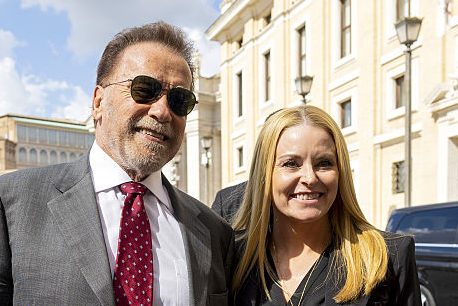
Today, Schwarzenegger continues to find fulfillment in both personal and professional relationships, citing the importance of family, long-term friendships, and his ongoing relationship with physical therapist Heather Milligan. He has spoken of learning from every setback and always prioritizing growth, both personally and for those around him.
Legacy: Leadership in Health, Fitness, and Social Advocacy
Even as he approaches his late seventies, Schwarzenegger remains impressively active, contributing to public health initiatives such as partnerships with medical device companies to raise awareness about joint health. His activism also extends to environmental advocacy, particularly around green energy and climate policy. Through public appearances, books, and a strong social media presence, he continues to inspire millions with messages of consistency, perseverance, and self-discipline.
Just as significantly, Forbes reported in 2024 that Schwarzenegger’s net worth soared above one billion dollars—testament to his entrepreneurial acumen and multi-faceted career. Yet, even with these achievements, he is known for his humility. “Money doesn’t make you happy. I now have $50 million, but I was just as happy when I had $48 million,” he once joked, putting his remarkable journey in perspective.
The Lasting Impact of Arnold Schwarzenegger
From a modest upbringing amid postwar austerity to world-renowned status as a bodybuilder, actor, politician, and philanthropist, Arnold Schwarzenegger embodies the transformative potential of vision, discipline, and adaptability. His story resonates as an example of what can be accomplished with determination, resourcefulness, and an unwavering belief in self. As he continues to evolve—whether motivating aging adults to pursue healthy lifestyles, advocating for climate policy, or starring in modern productions like Netflix’s FUBAR—Schwarzenegger exemplifies the many facets of reinvention and leadership in contemporary public life.
The story of Arnold Schwarzenegger stands as a masterclass in reinvention and resilience—a reminder of how past struggles, met with tenacity and vision, can be transformed into lasting success and influence.
Sources
- BBC – Arnold Schwarzenegger: Profile
- Reuters – Schwarzenegger: The Actor, Politician and Icon
- The Guardian – Arnold Schwarzenegger: His Life and Legacy
- Forbes – Arnold Schwarzenegger Net Worth
- People – Arnold Schwarzenegger on His Childhood
- NPR – Arnold Schwarzenegger’s Documentary
- Newsner – Arnold Schwarzenegger’s Son
Disclaimer: This content is intended for entertainment purposes only and is not based on real events.