
A Tiny Feature Most People Never Think About
Have you ever picked up a button-down shirt and noticed the small fabric loop sewn onto the upper back? For many people, it’s just another part of the shirt’s design—easy to overlook and rarely discussed.
Yet this tiny detail has an interesting history that stretches back decades. What appears to be a simple strip of fabric was originally created with a practical purpose, helping people care for their clothing in everyday situations.
Over the years, the shirt loop evolved from a functional feature into a recognizable style element. Along the way, it became associated with student culture, classic American fashion, and thoughtful clothing design.
Today, while not every shirt includes this feature, many brands continue to incorporate it as a nod to both tradition and practicality. Understanding its story offers a fascinating glimpse into how even the smallest design choices can leave a lasting impression.

What Is the Loop on the Back of a Shirt?
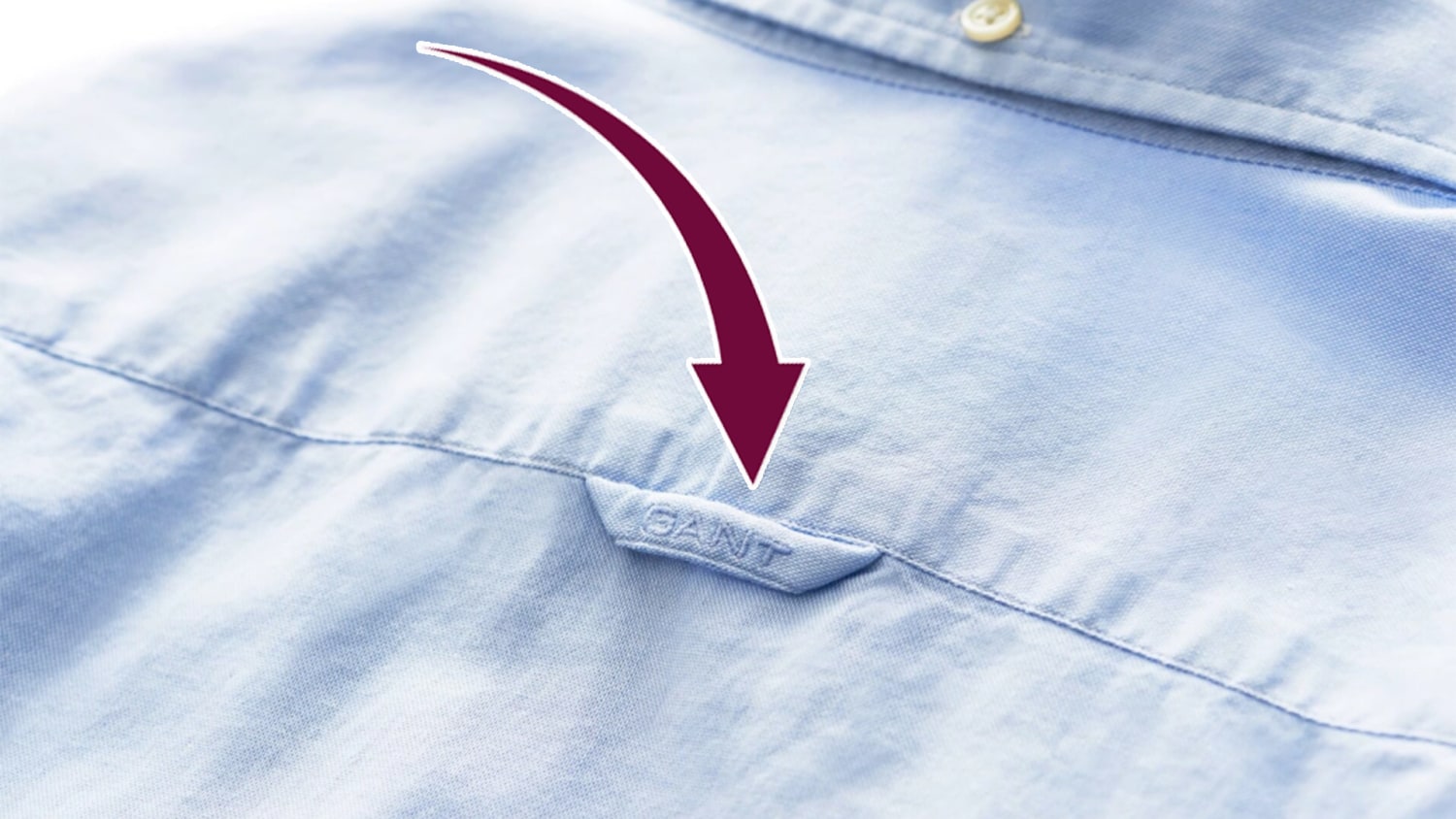
The small fabric tab located beneath the collar on the back of certain button-down shirts is commonly known as a locker loop.
Although modern shoppers may view it as decorative, its original purpose was surprisingly practical.
The loop provided a convenient way to hang a shirt when a standard clothes hanger was unavailable. By hanging the garment from the loop, wearers could help reduce wrinkles and keep the shirt looking neat throughout the day.
Before closets and hangers became as widely available in every setting as they are today, this simple feature made everyday clothing care much easier.
The Practical Origins of the Locker Loop
The locker loop first gained attention because it solved a common problem.
People often needed a quick way to hang shirts in places where space was limited or hangers were unavailable. Schools, gyms, dormitories, workplaces, and athletic facilities frequently had hooks instead of full wardrobes.
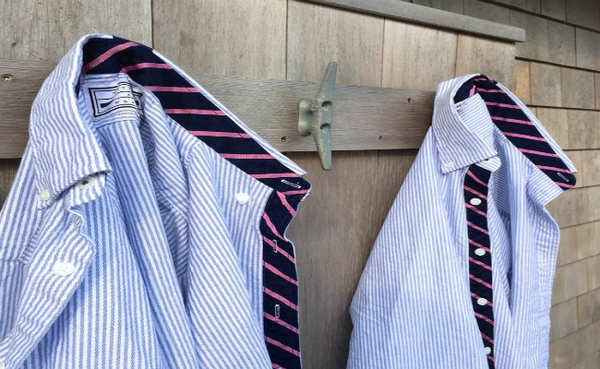
The sewn-in loop allowed shirts to be hung securely on a hook without placing unnecessary stress on the collar.
This practical solution helped garments maintain their shape while remaining easily accessible.
Although it was only a small addition to the shirt, it reflected thoughtful craftsmanship aimed at improving everyday convenience.
Why It Became Known as the “Locker Loop”
The name “locker loop” became popular because of its widespread use in school and athletic locker rooms.
During the mid-20th century, students often changed clothes for physical education classes or sports activities.
Rather than folding shirts into crowded lockers, they could simply hang them using the loop attached beneath the collar.
This helped clothing stay cleaner and wrinkle less during the day.
As more students began wearing casual button-down shirts featuring this design, the locker loop became a familiar part of campus life.
Its usefulness made it an easy feature to appreciate, especially in environments where efficient storage mattered.
A Symbol of Classic American Style
As clothing trends changed, the locker loop gradually became associated with a distinctive fashion aesthetic.
During the 1960s, button-down Oxford shirts grew increasingly popular among college students in the United States.
Many of these shirts included locker loops as a standard feature.
Over time, the loop became connected with the classic “preppy” style—a fashion tradition emphasizing clean lines, timeless tailoring, and practical elegance.
Even as its everyday function became less essential, the loop remained as part of the overall design.
Today, it often serves as a subtle reminder of traditional shirt construction and enduring craftsmanship.
More Than Decoration
Although modern closets typically provide plenty of hangers, the locker loop can still serve useful purposes.
Many people who prefer air-drying clothes find the loop especially convenient.
Instead of clipping a shirt with clothespins that might leave marks, the garment can simply be hung from its built-in loop.
This allows better airflow while helping preserve the shirt’s overall shape.
Travelers also appreciate the feature when staying in hotels or accommodations where hanger availability is limited.
A simple wall hook can become an effective place to hang a freshly worn or lightly washed shirt.
These small conveniences demonstrate why thoughtful clothing design often remains valuable even as lifestyles evolve.
How Shirt Design Reflects Everyday Life
The story of the locker loop illustrates an important principle in fashion history.
Many clothing features exist because they once solved real-world problems.
For example, reinforced stitching improves durability, pockets increase functionality, and adjustable cuffs provide flexibility for different activities.
The locker loop belongs to this tradition of practical innovation.
Rather than adding unnecessary decoration, designers introduced a simple solution that improved how people stored and cared for their clothing.
Its continued presence on many shirts highlights how successful functional ideas can outlast changing trends.
Why Some Shirts No Longer Include It
Not every button-down shirt today features a locker loop.
Modern manufacturing priorities vary depending on style, price, and intended use.
Some fashion brands prefer cleaner silhouettes without additional details.
Others maintain the loop as part of their heritage designs, especially those producing classic Oxford or casual American-style shirts.
Consumer preferences also influence these decisions.
Some shoppers appreciate traditional construction details, while others prioritize minimalist aesthetics.
As a result, the locker loop remains common on many casual shirts but is less frequently seen on formal dress shirts.
Small Details Often Tell Bigger Stories
Fashion history is filled with examples of everyday features that originally served practical purposes.
Buttons, belt loops, pleats, cuffs, and reinforced seams all reflect changing lifestyles, technologies, and cultural habits.
The locker loop fits perfectly into this broader story.
Its modest appearance hides decades of design evolution, showing how clothing adapts to meet the needs of everyday life.
Although many people may never use the loop for its original purpose, its continued presence preserves a connection to earlier generations and the thoughtful craftsmanship that shaped modern apparel.
Why the Locker Loop Still Matters Today
In today’s fashion world, many consumers value products that combine style with functionality.
The locker loop represents exactly that balance.
It is simple, unobtrusive, and occasionally useful, while also carrying historical significance.
For vintage clothing enthusiasts, it reflects authentic mid-century design.
For practical users, it remains a convenient hanging point.
For fashion historians, it offers insight into how even the smallest design decisions can influence generations of clothing.
Its enduring presence demonstrates that practical innovation often becomes timeless style.
Conclusion
The small loop on the back of certain shirts may seem insignificant at first glance, but its history tells a much richer story.
Originally created to help people hang shirts neatly without traditional hangers, the locker loop became an everyday convenience in schools, gyms, and workplaces. Over time, it evolved into a recognizable feature of classic American casual fashion while continuing to offer practical benefits for travelers and those who air-dry clothing.
Although modern wardrobes have changed, many clothing brands continue to include the locker loop as both a functional detail and a tribute to traditional craftsmanship.
Stories like this remind us that ordinary objects often carry remarkable histories. Human curiosity encourages us to look beyond appearances, revealing how even the simplest features can reflect innovation, culture, and the thoughtful design choices that shape everyday life.
Sources
National Museum of American History, Smithsonian Institution. History of American Clothing and Fashion Collections.
Encyclopaedia Britannica. History of Fashion. https://www.britannica.com/art/fashion
The Museum at FIT (Fashion Institute of Technology). Fashion History Resources. https://www.fitnyc.edu/museum
Oxford English Dictionary. Definition and historical usage of “locker loop.”