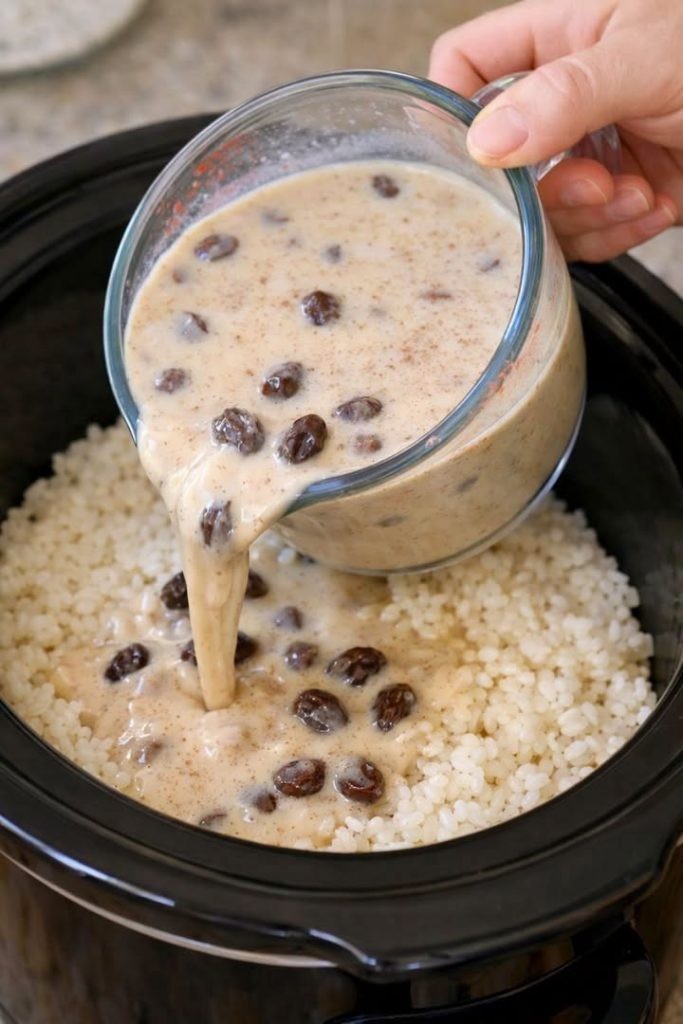
Slow Cooker Rice Pudding
Introduction to Slow Cooker Rice Pudding
Slow Cooker Rice Pudding is a beloved dessert that turns simple pantry staples into a luxurious treat. This slow-cooked recipe uses gentle heat to gradually transform short-grain rice and milk into a smooth, rich pudding. The method requires minimal hands-on work, making it accessible for cooks of all skill levels. The result is a creamy, comforting dish often enjoyed for its nostalgic qualities and versatility.
The Science Behind Creamy Rice Pudding
Rice pudding’s texture and flavor rest on several key scientific elements. The choice of rice profoundly affects the pudding’s creaminess. Short-grain varieties such as Arborio or sushi rice are essential because they contain more starch. As the rice cooks in milk, the starch is released, thickening the mixture and creating its signature velvety texture. Unlike other rice dishes, rinsing the rice before cooking is avoided in this recipe to preserve that crucial starch content.
Whole milk provides optimum richness and smoothness. Its fat content helps the pudding stay creamy and delicious. Sugar and vanilla extract add classic sweetness and fragrant aroma, while cinnamon brings gentle warmth to the overall profile. Raisins, which soften as they cook, contribute bursts of sweetness and chewy texture. Expert cooks advise patience, since the pudding thickens further as it cools. Overcooking in the slow cooker can cause excess firmness, making careful timing and cooling essential for the desired creamy consistency.
Slow Cooker vs. Traditional Methods
Traditional rice pudding preparation on the stovetop calls for frequent stirring to prevent sticking and burning, requiring the cook’s constant attention. In contrast, the slow cooker uses lower, stable temperatures and allows for nearly hands-free preparation. The steady heat encourages gradual absorption of milk, ensuring uniform thickening and a consistently smooth texture. This makes slow cooker rice pudding an ideal dessert for busy households or beginners eager for reliable results.
Recipe Adaptations and Ingredient Variations
One strength of slow cooker rice pudding is its adaptability. The recipe can be customized to suit various tastes and dietary needs. Raisins—a classic addition—can be substituted with dried cranberries, apricots, cherries, or omitted for those who prefer a simpler pudding. Spices such as nutmeg, cardamom, or citrus zest can change the flavor profile, while toppings like toasted nuts, shredded coconut, or seeds provide contrasting textures.
Cooks also experiment with milk choices. Part of the whole milk can be replaced with heavy cream for extra richness, though this increases calorie content. Plant-based alternatives like oat, almond, or coconut milk offer lactose-free options. These may slightly alter the final taste, thickness, and sweetness, so adjusting sugar or spice quantities is encouraged according to preference. Rice pudding’s inherent flexibility allows for such changes while maintaining its classic appeal.
Storing and Reheating Rice Pudding
Rice pudding is renowned not only for its taste but also for its practicality. Leftovers keep well in the refrigerator for several days and tend to thicken as they sit. To restore the pudding’s original creaminess, reheating with a splash of milk is recommended. Proper cooling and storage are important to maintain the dessert’s flavor and prevent spoilage. Home cooks around the world value rice pudding for its easy storage and ability to improve over time, making it a favorite for meal planning or leisurely desserts.
Worldwide Popularity and Cultural Context
Rice pudding has deep roots in global culinary traditions. Varieties can be found in Europe, Asia, Latin America, and the Middle East. The basic combination of rice, milk, and sugar is adapted to local tastes, with ingredients like rose water, saffron, and pistachios in Persian or Indian versions, or lemon zest and cinnamon in Spanish arroz con leche. Its comforting quality and simple preparation have made it a staple dessert for generations, appealing to people of all ages.
The slow cooker method, while relatively modern, is gaining popularity worldwide as household appliances like multicookers and slow cookers become more common. This has encouraged experimentation, leading to creative fusion recipes and new flavor combinations.
Expert Insights on Rice Pudding Preparation
According to culinary experts, the most critical factor in successful rice pudding is controlling the cooking time and temperature. Test kitchen professionals recommend using short-grain rice and avoiding rinsing to maximize starch release. They also advise periodically checking the pudding’s thickness toward the end of cooking, since slow cookers can vary. Adding ingredients like vanilla and raisins near the end preserves their flavors, avoiding overcooking. For a silky finish, some chefs stir in a tablespoon of butter or cream right before serving.
Nutritional professionals highlight rice pudding’s balance between carbohydrates, protein, and calcium, especially when made with whole milk. While it is a comforting treat, portion control is suggested for those managing caloric intake. Using alternative milks and less sugar can create lighter versions suitable for broader dietary preferences.
Health and Nutrition of Rice Pudding
Rice pudding is generally a wholesome dessert, as it utilizes natural ingredients. Whole milk provides calcium, vitamin D, and protein, supporting bone health. Rice adds carbohydrates, supplying energy. The slow cooker process does not diminish nutrient content; instead, it gently brings out flavors while preserving vitamins and minerals.
For a lighter or vegan option, plant-based milks can be used. These alternatives often contain less fat and no cholesterol, though they may reduce the pudding’s creamy mouthfeel. Adjusting the recipe for sugar levels or incorporating fruits can also boost nutritional value. Experts advise moderation due to rice pudding’s carbohydrate content and encourage experimenting with healthy add-ins like chia seeds, oats, or chopped fruits for added fiber and antioxidants.
Tips and Tricks for Perfect Rice Pudding
- Use short-grain rice such as Arborio or sushi rice for the best creamy texture.
- Avoid rinsing rice before cooking to retain its natural starch.
- Measure ingredients accurately and mix well before starting the slow cooker.
- Check pudding occasionally at the end of cooking to avoid over-thickening.
- Let the pudding cool for at least 30 minutes to finish thickening.
- Customize flavor with spices, citrus zest, or dried fruit.
- Store leftovers in airtight containers and reheat with a splash of milk for creaminess.
Making Rice Pudding Part of a Balanced Lifestyle
Rice pudding’s gentle flavors and easy preparation make it a natural choice for family meals, festive occasions, or simply as a comforting end to a busy day. The slow cooker method fits into modern lifestyles that value convenience without sacrificing quality. Its adaptability means it can be tailored for special diets, holidays, or the everyday enjoyment of simple flavors.
Internationally, rice pudding continues to unify cultures through its universal appeal. Whether served warm with cinnamon and raisins or chilled with fresh fruit, it remains a dessert that bridges traditions and generations.
Conclusion
Slow Cooker Rice Pudding elegantly demonstrates how basic ingredients can become a soothing and memorable dessert. Its creamy texture, rich flavors, and hands-off preparation make it a favorite among both home cooks and culinary professionals. Adaptable to a range of tastes and dietary needs, rice pudding is equally suitable for classic comfort or contemporary, creative interpretations. As household appliances and global culinary knowledge expand, rice pudding continues its legacy as a simple yet beloved treat.
Sources
- BBC Food: Rice Pudding Guide
- The New York Times: Rice Pudding Recipe
- Reuters: Global Rice Pudding Recipes
- Mayo Clinic: Nutrition and Healthy Eating
Disclaimer: This content is intended for entertainment purposes only and is not based on real events.