
What Really Happens Inside Your Body When You Use Weed: A Look Through Simulation and Honest Stories
An Overview of Cannabis Use Worldwide
Weed, formally known as cannabis, remains one of the most commonly used substances globally. Its reputation as a harmless, relaxing substance persists in many cultures, yet scientific and public health communities continue to probe its effects on the human body and mind. The conversation around weed is wide-ranging, encompassing both its popularity and its potential risks.
Recent data from the Office for National Statistics shows that in England and Wales alone, approximately 2.3 million adults aged 16 to 59 reported using weed in 2024. This accounts for nearly seven percent of the adult population in that age group. Such prevalence underscores cannabis as a substance that is present across various demographic groups, prompting continued discussion about its legal status, health impacts, and social acceptance.
Cannabis Compounds and Their Immediate Effects
Weed, also referred to as marijuana or pot, contains several biologically active compounds. Among them, the most prominent is tetrahydrocannabinol (THC). THC is the chemical responsible for producing the psychoactive “high” associated with cannabis use. It directly interacts with the brain, influencing areas involved in mood, perception, memory, and coordination.

When cannabis is smoked, THC enters the lungs and quickly passes into the bloodstream, making its way to the brain within seconds. Here, it binds to cannabinoid receptors, which play a significant role in modulating sensation, mood, and cognition. This interaction leads to effects ranging from feelings of euphoria and calmness to altered sensory perceptions. However, it may also cause disruptions in focus and memory. Extended, regular use has been associated with challenges in retaining information and difficulty concentrating.
According to Dr. Nora Volkow, director of the National Institute on Drug Abuse, addiction is driven by a complex interplay of genetic and environmental factors. She notes that some individuals are genetically predisposed to addiction, even in supportive environments, while others in stressful conditions may turn to drugs like cannabis regardless of their genetic risk.
Insights from Scientific Simulations: What Happens Over Time
To help audiences visualize the physiological and psychological effects of weed, The Infographics Show released a simulation video illustrating what occurs over 30 days of regular cannabis use. This resource offers a clear picture of the ongoing changes weed induces within the body.
The simulation begins with THC’s movement through the body, particularly its interaction with the brain’s regions that control mood, memory, and perception. One central event is the release of dopamine—a neurotransmitter commonly associated with pleasure and reward. This surge leads to the relaxed or happy feelings many users report after taking weed.
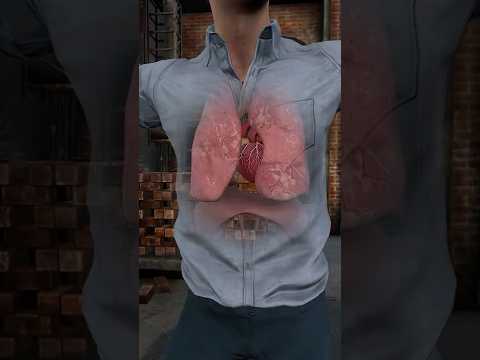
However, the spike in dopamine is fleeting. As the “high” dissipates, some individuals experience a desire to replicate the pleasurable state, driving repeated use and potentially leading to dependency. The simulation also discussed several physical effects, such as increased heart rate and dilation of blood vessels, which explain common observations like eye redness during cannabis intoxication.
The respiratory system is another key target. While some believe smoking weed is less detrimental than cigarettes, inhaling combusted cannabis exposes the lungs to particulates and irritants. Chronic use can foster coughing, wheezing, and shortness of breath, raising concerns about long-term pulmonary health.
First-Hand Experiences: The Journey of Quitting Weed
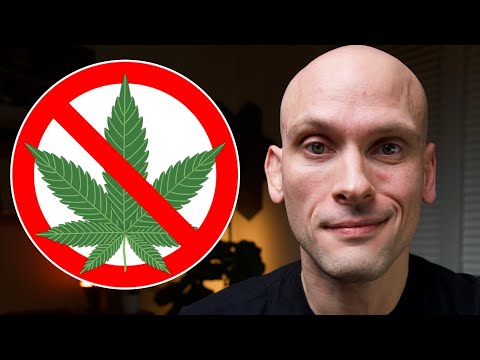
Personal stories like those shared by Dorian, a YouTube creator who chronicled his path from daily use to sobriety, offer critical insights into the real-life impact of cannabis. Smoking weed daily throughout his teenage and young adult years, Dorian eventually decided to quit and document his experiences on his channel, Dorian Develops. His sincerity resonated deeply with viewers who found themselves relating to his journey out of dependency.
After six months of being sober, Dorian cited notable changes in his mental and physical health. Contrary to his initial belief that weed relieved his anxiety and depression, he found these conditions had been exacerbated. Upon quitting, his anxiety levels diminished and his overall mood improved.
Reflections on physical changes included better breathing, increased exercise endurance, and disappearance of wheezing episodes—indicators of lung recovery. Dorian emphasized newfound energy, motivation, and mental clarity. Without the haze produced by daily weed use, he was able to set goals, maintain productivity, and feel more ambitious.
He described a transformation into what he called mental freedom, a state where the cognitive fog lifted and motivation flourished. Others who commented on his story similarly reported improvements in sleep, focus, and emotional state, suggesting that regular weed use may have dulled energy and emotion more than they realized.
Sleep, Productivity, and Social Reactions
Improved sleep quality is frequently cited as a benefit by former cannabis users. While some use weed to facilitate sleep, scientific evidence indicates that it can disrupt the natural sleep cycle and decrease overall sleep quality. After quitting, many individuals observe more restorative rest and easier mornings.
Enhanced productivity and organization are another recurrent theme. Tasks that once appeared overwhelming became manageable post-weed, aligning with findings that chronic THC exposure impairs motivation and executive function.
Dorian’s experience is not an admonishment but a candid approach to self-awareness. The contrast between his life before and after quitting serves as a testament to subtle ways cannabis can influence mood, cognition, and daily performance.
The online community’s reaction to these stories has been predominantly supportive. Many commenters relate their own journeys from dependency to sobriety, emphasizing the mental and physical improvements and reinforcing the nuanced view of cannabis’ effects.
The Science of THC and the Brain
THC, cannabis’ most psychoactive ingredient, mimics naturally occurring endocannabinoids in the brain. Endocannabinoids are crucial for regulating mood, appetite, memory, and pain. By binding to cannabinoid receptors, THC disrupts this balance, imparting relaxation or euphoria but also confusion, paranoia, and memory problems with repeated exposure.
Regular cannabis use can impact learning and motivation. The brain adjusts to persistent THC presence, diminishing its ability to release dopamine naturally. This is why habitual users may report feeling emotionally flat or unmotivated when not using weed—a phenomenon widely recognized in scientific literature and personal accounts.
According to research from multiple health organizations, cessation can gradually restore brain function. Over weeks, dopamine levels normalize and genuine pleasure from natural activities returns, contributing to enhanced emotional balance and sharper cognition.
Expert Perspectives and Societal Context
Health experts, including the WHO and CDC, generally agree that cannabis poses varying risks depending on frequency, dosage, and individual vulnerability. For most users, mild effects may predominate, but there are risks of dependency, anxiety, and motivational impairment—a consensus reflected in the growing body of research on cannabis-related cognitive and mental health challenges.
Internationally, cannabis attitudes differ. Some countries, like Canada and several U.S. states, have legalized its recreational use, citing evidence of moderate risks for adults and economic benefits. However, concerns remain about adolescent exposure, potential for abuse, and unknown long-term effects. Public health campaigns focus on education, harm reduction, and support for those seeking to quit.
Epidemiologists and addiction specialists recommend an informed approach, recognizing individual differences in genetic risk and social environment. They emphasize awareness and moderation, stressing that cannabis’ benign reputation should not overshadow its capacity for subtle, long-lasting consequences.
Recovery and Transformation: Life After Weed
Dorian’s journey exemplifies how recovery is possible, even for long-term users. The transition, while uncomfortable at first, brought a cascade of positive changes: improved physical endurance, stabilized mental health, and motivational resurgence.
Such stories, combined with scientific simulations and official statistics, help form a balanced understanding. They reiterate that cannabis’ effects are complex, varying from short-lived pleasure to gradual cognitive and physical shifts. Making informed choices requires knowing the science and respecting the personal realities of those who have lived both sides.
For anyone contemplating quitting or simply seeking more knowledge, these perspectives offer hope and guidance. Recovery brings not just physical health but also renewed emotional and mental clarity—a transformation that many describe as life-changing.
Conclusion: Awareness and Informed Choice
Cannabis will remain an ongoing topic of debate, anchored in scientific findings, personal stories, and societal attitudes. Simulation videos and honest experiences make the subject tangible, helping individuals understand both the science and human impact.
Ultimately, the story of weed is one of complexity, contrast, and opportunity for change. Awareness of the underlying biological processes and real-world consequences is essential to making choices about cannabis use. For those who decide to quit, life after weed offers clearer thinking, more energy, and greater emotional balance.
Sources
- Office for National Statistics
- National Institute on Drug Abuse
- World Health Organization (WHO) Cannabis Fact Sheet
- Centers for Disease Control and Prevention (CDC) Marijuana Health Effects
- Viral Strange: Cannabis Impact on Your Body While Exercising
- The Infographics Show (YouTube)
- Dorian Develops (YouTube)
- BBC News: Health Effects of Cannabis
- Reuters World News
- The Guardian: Experts on Cannabis and Health
Disclaimer: This content is intended for entertainment purposes only and is not based on real events.