What Does the “i” in iPhone Stand For? The True Meaning Explained
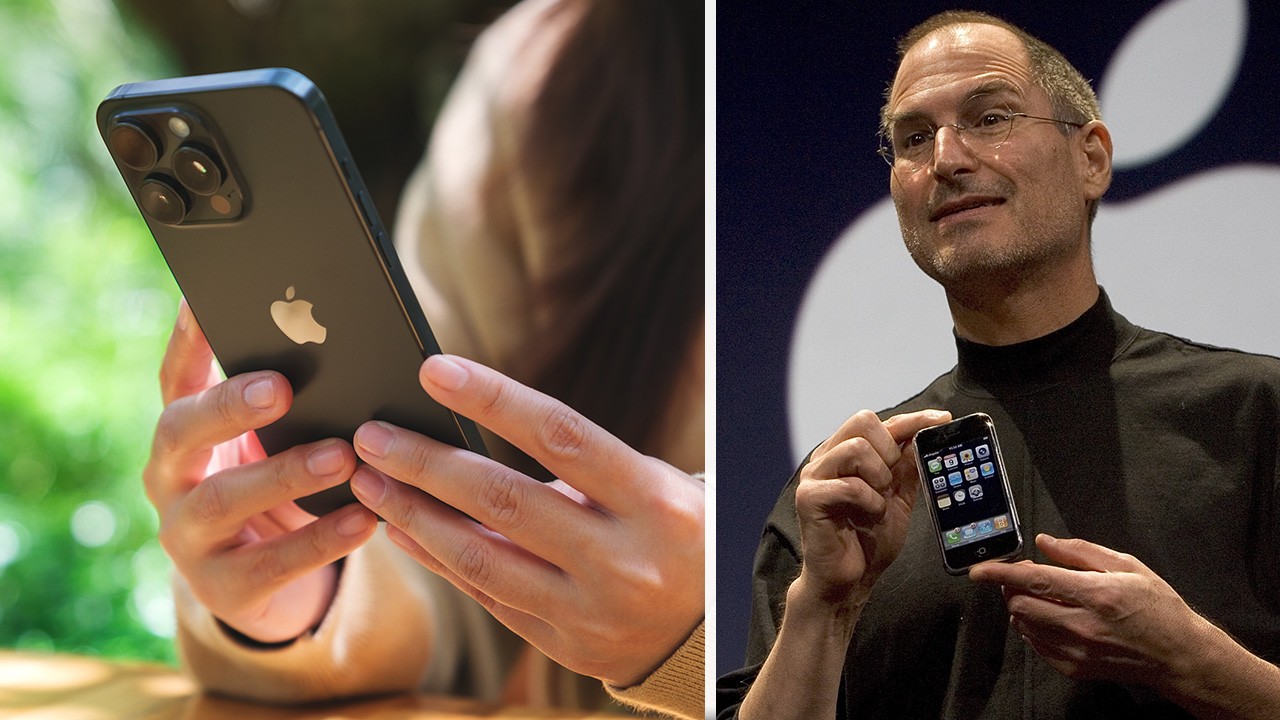
Millions of people use an iPhone every day, yet few have paused to consider a key detail in its branding: What does the lowercase “i” truly stand for in “iPhone”? This familiar prefix has become a hallmark of Apple’s most successful products, from the iconic iMac to the iPad and iPod. Beyond simple curiosity, understanding the meaning behind the “i” offers fascinating insight into the evolution of modern technology, Apple’s brand philosophy, and how a single letter helped redefine the way we interact with the digital world.
The iPhone: A Brief Overview of Its Revolution
Since the introduction of the first iPhone in 2007, the device has transformed not only the smartphone market but also the way society communicates, works, accesses information, and entertains itself. With more than 2.2 billion units sold worldwide as of 2023, the iPhone has become a cultural phenomenon, influencing global trends in design, usability, and digital connectivity.
However, the story of the “i” actually predates the iPhone by nearly a decade. To truly understand its significance, it is necessary to revisit a critical moment in Apple’s corporate history—the launch of the original iMac.
The Origins: When Did the “i” Appear?
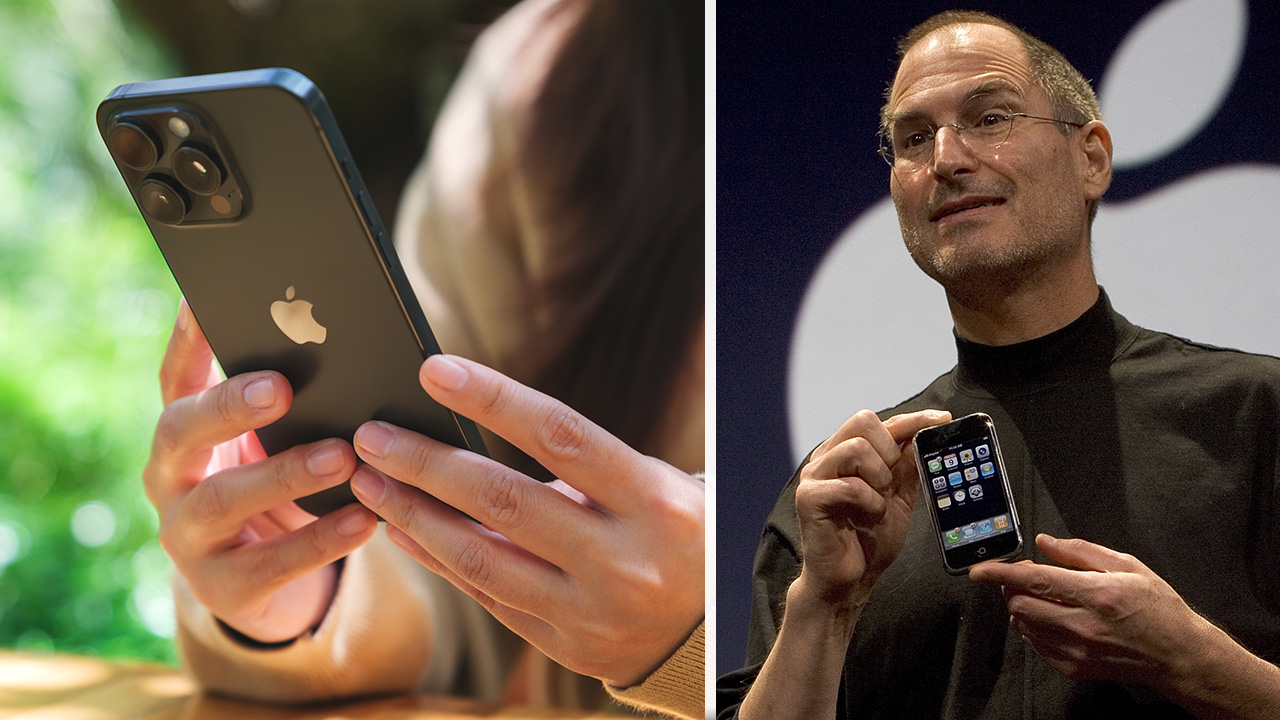
The “i” prefix first made its high-profile debut on May 6, 1998, when Apple co-founder Steve Jobs took the stage to unveil the iMac. This colorful, all-in-one desktop computer marked a radical departure from Apple’s previous designs and was intended to spearhead the company’s recovery after years of waning influence.
During his keynote presentation, Steve Jobs emphasized that the “i” in “iMac” initially stood for “internet,” highlighting the device’s streamlined ability to connect users to the rapidly expanding World Wide Web. At the time, internet connectivity was still a challenge for many computer owners. Apple’s product stood out for its plug-and-play access, which appealed to new users and seasoned enthusiasts alike.
Steve Jobs Explains the “i”
Although “internet” was the primary focus—representing Apple’s vision of making it easy for everyone to get online—Jobs broadened the interpretation of the “i” during his iMac launch presentation, revealing further layers of meaning. The “i,” he explained, could also symbolize several other concepts:
- Individual – the idea that Apple devices empower unique, personal expression.
- Instruct – supporting learning and ease of use.
- Inform – emphasizing communication and access to information.
- Inspire – encouraging creativity and innovation among users.
According to Jobs, the letter was intentionally chosen for its versatility. It simultaneously pointed to the internet’s importance and the broader ideals Apple sought to embody.
The “i” as a Personal Pronoun
Beyond its associations with technology and connection, the “i” also carried a subtle reference to the personal pronoun “I,” reflecting the user-centric philosophy central to Apple’s products. Apple promoted the notion that devices should serve individuals, adapt to their needs, and be intuitive for anyone to use—regardless of technical background or expertise.
This emphasis on personalization and user empowerment played a crucial role in the enduring appeal of Apple’s products, cementing the “i” as an instantly recognizable shorthand for innovation, individuality, and ease of use.
Expansion of the “i” Branding Across Apple’s Product Line
Following the success of the iMac, Apple extended its “i” branding to other devices and services. The iPod (introduced in 2001) revolutionized portable music, the iPhone (2007) changed mobile communications, and the iPad (2010) further blurred the lines between laptops and tablets. Each of these products was grounded in the same principles the “i” represented: simplicity, connectivity, user empowerment, and innovation.
Over the years, the consistent use of the “i” branding helped Apple distinguish its offerings in a crowded marketplace, building a strong identity that easily conveyed quality and user-centric design. The “i” became synonymous with smart, beautifully designed devices that just worked—something Apple’s marketing continually reinforced.
Expert Insights: The “i” as a Symbol of Apple’s Strategy
Paul Bischoff, a privacy advocate at Comparitech, supports this multifaceted interpretation of the “i.” As he told Reader’s Digest, Jobs said the ‘i’ stands for “internet, individual, instruct, inform [and] inspire.” Nevertheless, Jobs “didn’t give it an official meaning,” suggesting Apple preferred the ambiguity to keep branding open to new possibilities as technology and society evolved.
Other industry analysts add that the flexibility of the “i” prefix has allowed Apple to respond to changing trends. As internet access became universal, the “i” morphed into a mark of innovation, style, and personal importance, rather than being locked to a single function or technology.
Has the Meaning of the “i” Changed Over Time?
Over the past two decades, digital technology has advanced at an unprecedented rate. The definition of the “i” has evolved just as quickly, adapting to reflect not only the internet but also new paradigms in personal technology. In recent years, Apple launched “Apple Intelligence,” a suite of artificial intelligence-driven features, expanding the potential interpretation of the “i” to include intelligence.
This open-ended approach has helped the brand remain fresh and relevant. As new generations of Apple devices introduce features like machine learning, augmented reality, and wearable technologies, the “i” continues to serve as a symbol of Apple’s commitment to shaping the future of how people connect and interact.
International Impact: The “i” and Global Technology Culture
Apple’s creative branding strategy has not just impacted English-speaking consumers. Around the world, the “i” in Apple’s products is recognized as an indicator of technological advancement, often translated without modification in hundreds of languages. The effect has been so profound that numerous other electronics manufacturers, software developers, and startups adopted a similar lowercase “i” or “e” prefix for their own products, attempting to capture the same spirit of modernity and internet connectivity.
In regions where linguistic scripts differ significantly, such as East Asia and the Middle East, Apple’s consistent use of Latin script for product names has reinforced the universal appeal of its devices. The “i” thus functions as an international symbol of networked, personal tech.
The adaptability of the “i” has also allowed Apple to avoid the pitfalls of brand stagnation. By resisting a fixed definition, Apple’s products and marketing could evolve organically, seamlessly transitioning from the dawn of the internet age to the forefront of AI and digital innovation.
Societal Reactions and Apple’s Lasting Influence
As Apple’s market share has grown, so too has the reach and recognition of the “i” branding. The letter now evokes instantaneous associations with premium technology and consumer aspiration. Surveys reveal that even children often identify electronics with the “i” prefix as being advanced or desirable—a testament to the power of strong, flexible branding.
The impact is not limited to consumers. Marketers and branding experts frequently cite Apple’s strategy as a case study in effective storytelling and emotional engagement. By infusing a tiny letter with a spectrum of meanings, Apple captured the public’s imagination and strengthened loyalty to its ecosystem.
Meanwhile, Apple’s global competitors are continuously searching for ways to replicate its formula, both in product development and in branding, demonstrating how the “i” set a standard for tech innovation, personalization, and simplicity.
The “i” in iPhone: More Than a Letter
Ultimately, the “i” in “iPhone” stands for a constellation of ideas: the internet, individual empowerment, learning, communication, creativity, and, more recently, intelligence. Its meaning has evolved in step with both Apple’s ambitions and the broader currents of technological change.
The next time you use your iPhone—or any Apple product sporting the iconic “i”—remember the history and vision behind that tiny letter. It is a symbol of Apple’s drive to connect, inspire, and empower people across the globe, transforming not just tech but also the way people live and work.
Sources
- BBC News – iPhone at 10: How Apple’s iconic smartphone changed the world
- Reuters – Apple’s iPhone turns 15: Here are 15 stats
- The Guardian – 10 years of the iPhone: how Apple’s device changed our lives
- Reader’s Digest – What does the “i” in iPhone stand for?
Disclaimer: This content is intended for entertainment purposes only and is not based on real events.