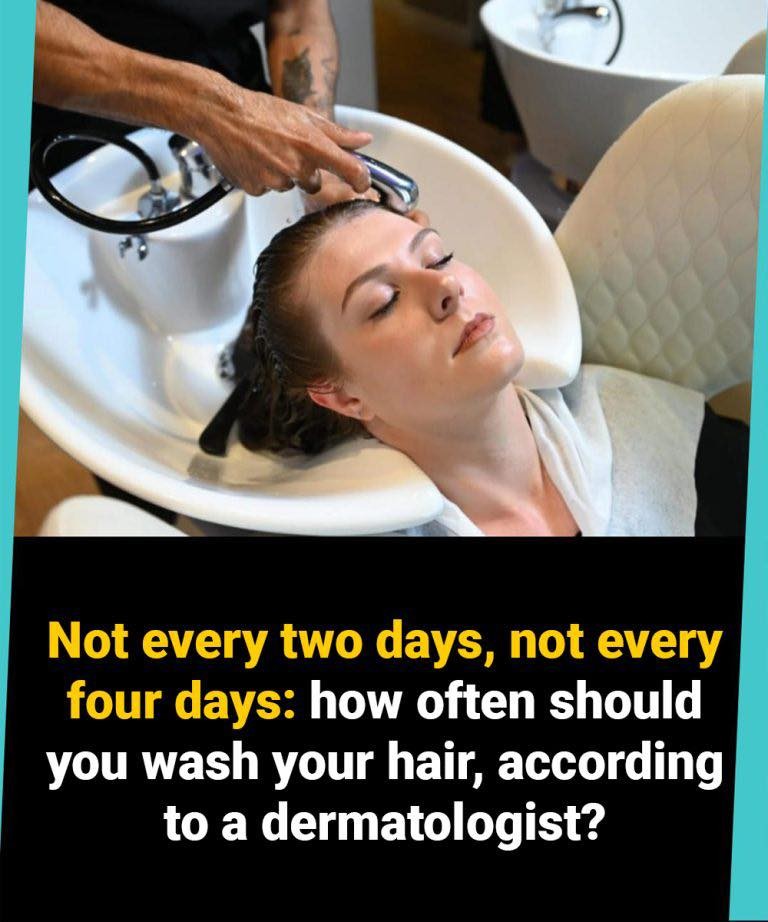
Scalp Hygiene: How Often Should You Really Wash Your Hair?
Introduction: The Importance of Scalp Hygiene
Healthy, vibrant hair begins with the foundation of good scalp hygiene. Regular cleansing of the scalp not only ensures that hair appears clean and fresh, but it also plays a critical role in overall scalp health and the effectiveness of hair care treatments. With a wide range of opinions and myths surrounding hair washing, understanding the facts backed by dermatology is crucial for making informed decisions about your personal care routine.
Understanding the Basics of Scalp Care
Hair washing is fundamentally a process for removing excess sebum (the natural oil produced by hair follicles), dirt, sweat, and residue from styling products. This helps maintain a balanced scalp environment, reducing the risk of unpleasant odors, irritation, and the build-up of micro-organisms like bacteria and fungi.
Experts widely recommend washing your hair three to five times per week, depending on individual factors such as hair type, skin condition, daily activities, and environmental factors. This range offers flexibility to accommodate unique lifestyle needs while keeping the scalp and hair in an optimal state.
Debunking Common Hair Washing Myths
A persistent myth asserts that frequent washing strips hair of its natural oils or, paradoxically, causes the scalp to become oilier over time. Dermatologist Alex Docampo addresses this misconception directly, stating, “Many people think that washing their hair a lot damages it, or that washing more frequently produces more sebum and makes the hair dirtier, but this is completely false.” According to Docampo and similar expert voices, the key to scalp hygiene is not the frequency of washing alone, but rather the adaptation of your cleansing routine to suit your individual scalp needs.
How Hair Washing Frequency Impacts Scalp and Hair Health
The recommendation to wash hair three to five times per week is based on scientific understanding of scalp biology and microbial health. Regular cleansing:
- Removes excess sebum and product residue that can clog hair follicles
- Improves follicle oxygenation, promoting healthier hair growth
- Reduces risks of scalp irritation, itchiness, and flakiness
- Helps maintain a neutral odor and prevents the accumulation of bacteria and fungi, especially in warmer climates
However, individual needs may vary significantly. For example, individuals with oily scalps or those who engage in intense physical activity may require more frequent washing to manage sweat and oil. Conversely, those with dry or curly hair types may benefit from fewer washes, as their scalps naturally produce less sebum and are more prone to dryness.
Factors Affecting Hair Washing Frequency
The Hair Surgical Institute explains, “The frequency of hair washing can vary depending on different individual factors, such as hair type, daily activities, scalp condition, use of hair products, and hairstyles.” Let’s explore some key variables in greater detail:
- Hair Type: Fine or straight hair often shows oiliness more quickly, while thick, curly, or coily hair retains oil and moisture for longer.
- Scalp Condition: People with conditions like seborrheic dermatitis or dandruff may need medicated shampoos and customized routines.
- Lifestyle & Activity Level: Those who exercise frequently, live in humid climates, or wear hats/helmets may need to cleanse their scalp more often.
- Styling Product Use: Heavy use of gels, sprays, waxes, or other styling products can lead to quicker buildup.
- Hairstyles: Protective styles that keep hair tucked away may permit less frequent washing, while loose styles might require more maintenance.
Global Perspectives and Cultural Preferences
Around the world, hair washing habits differ based on cultural traditions, access to water, climate, and the types of products commonly available. For instance, in some Asian and Mediterranean countries, it is common to wash hair daily, while in parts of Africa and Latin America, less frequent washing is the norm due to hair texture and protective styling.
The modern beauty industry recognizes and supports these variations by offering tailored products, including sulfate-free shampoos, co-washes (conditioning washes), and dry shampoos designed for intermittent cleansing and specific hair types.
Expert Recommendations: Dermatologists and Trichologists Weigh In
The consensus among dermatologists and trichologists is clear: there is no universal rule for everyone. Instead, the best approach combines scientific understanding with personal observation. Dr. Hadley King, a board-certified dermatologist, states that “focusing on your scalp’s needs rather than rigid frequency guidelines is the best way forward.” If your scalp feels itchy, your hair appears limp or greasy, or there is visible residue, it’s time for a wash.
For those using medicated shampoos or undergoing hair loss treatments, following the advice of a healthcare professional is critical, as over-washing or under-washing can impact treatment effectiveness.
Customized Hair Washing for Different Hair Types
Understanding your hair type can help you decide how often you should wash your hair:
- Oily Hair: May require washing every 1-2 days to control sebum and maintain freshness.
- Dry or Brittle Hair: Two to three times a week, paired with hydrating conditioners and nourishing masks.
- Curly or Textured Hair: Once or twice a week is often sufficient, combined with gentle, sulfate-free cleansers to avoid stripping natural oils.
- Colored or Chemically Treated Hair: Reduced frequency and use of color-safe shampoos can help maintain color vibrancy and structural integrity.
Recommended Techniques for Optimal Scalp Hygiene
Regardless of frequency, the way you wash your hair matters. Experts recommend a gentle massage of the scalp while shampooing to stimulate blood flow, promote relaxation, and ensure even distribution of the cleanser. Rinse thoroughly to avoid residue buildup, and follow with a conditioner suited to your hair type.
Overly harsh scrubbing or using very hot water can dry out the scalp and increase the risk of irritation. A lukewarm rinse and gentle towel drying can help preserve scalp and hair health.
Adapting Your Routine: Environmental and Seasonal Changes
Environmental conditions, such as high humidity, heat, or pollution, may necessitate more frequent cleansing, while cold, dry winters might call for increased moisturizing and potentially less frequent washing to prevent scalp dryness. Pay attention to how your scalp responds to these changes and adjust your routine accordingly.
Social and Psychological Aspects of Hair Washing
Beyond physical health, scalp hygiene also influences self-confidence and social interactions. Clean, fresh-smelling hair is associated with positive self-image and can impact how individuals feel about their appearance in professional or social settings. The emotional and psychological benefits of a healthy hair care routine add further significance to maintaining scalp hygiene.
Conclusion: Find Your Personal Balance
There is no one-size-fits-all answer to how often you should wash your hair. The best approach is guided by expert recommendations, your hair and scalp type, lifestyle factors, and personal observation. By paying attention to how your scalp and hair feel, adapting to environmental and lifestyle changes, and using appropriate products, you can maintain a healthy, comfortable, and attractive head of hair.
As with all aspects of personal care, listening to your body and, when in doubt, seeking advice from a dermatologist or trichologist is key.

Sources
- BBC News Health
- Mayo Clinic
- Centers for Disease Control and Prevention (CDC) – Hygiene
- American Academy of Dermatology – Hair Care
- Reuters Health
- The Guardian – Hair Care
Disclaimer: This content is intended for entertainment purposes only and is not based on real events.