A Mom’s Frightening Petting Zoo Experience: Rabies Exposure and Public Health Response
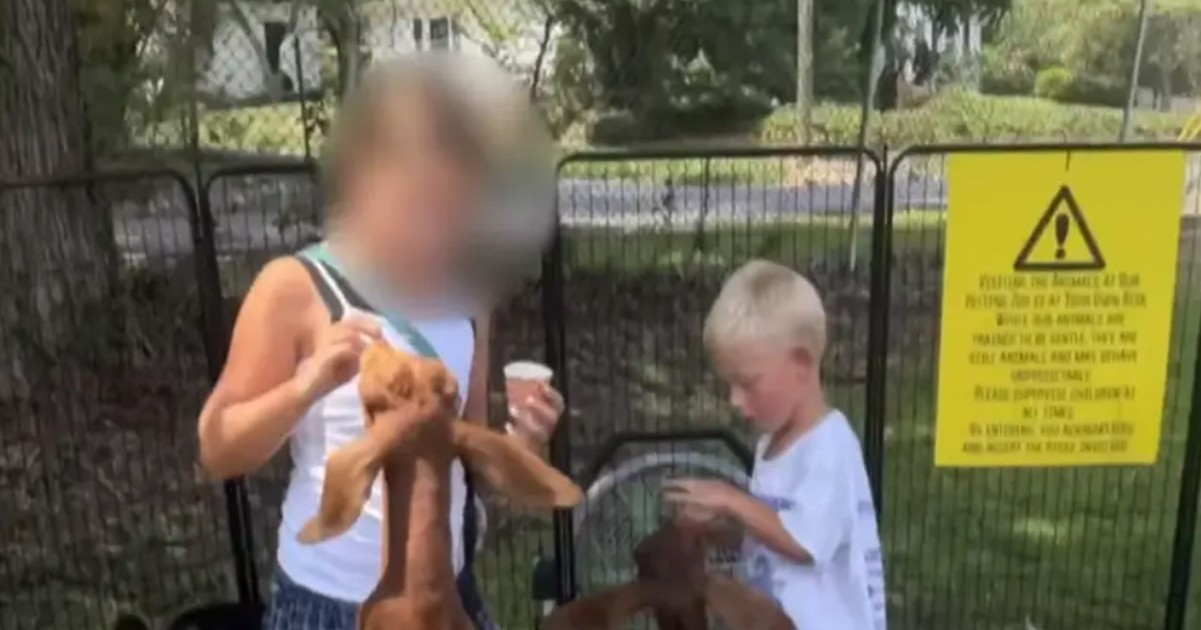
In August, a North Carolina mother, Rebecca Lanning, experienced a parent’s worst fear when she discovered that her young son had been exposed to rabies after visiting a traveling petting zoo. The shocking episode unfolded after Lanning’s four-year-old son fed baby goats at a dinosaur-themed community event in Mocksville, North Carolina. The contact that seemed innocuous was later revealed to carry the risk of a life-threatening viral infection.
This incident has brought the hidden dangers of rabies into public focus, highlighting the importance of vigilance when children interact with animals, even in seemingly controlled environments like petting zoos. It also underscores the critical nature of prompt public health responses, responsible vaccine administration, and transparent communication between petting zoos, families, and local authorities.
Timeline: How Exposure Occurred at the Petting Zoo
On August 15, Rebecca Lanning accompanied her son to a local attraction in Mocksville, where, among dinosaur exhibits, games, and food trucks, a petting zoo gave children the chance to have hands-on experience with animals. The petting zoo, operated by Farm Adventures, featured young goats—an especially appealing and gentler animal for small children to interact with.
The event proceeded as expected for both families and organizers. However, several days later, Lanning received a phone call from her child’s aunt alerting her to a serious health concern: four baby goats present at the petting zoo during the relevant period had tested positive for rabies.
Lanning acted quickly, bringing her son to a healthcare provider who started the post-exposure rabies vaccination series. This immediate action was essential to protect the child from the potentially fatal consequences of rabies infection.
Understanding Rabies: A Deadly but Preventable Disease
Rabies is a viral disease that attacks the central nervous system. It is primarily spread to humans through the saliva of infected animals via bites or scratches, but can also transmit through contact with mucous membranes like the eyes or mouth. The World Health Organization (WHO) classifies rabies as a “neglected tropical disease,” emphasizing the threat it poses, especially in children and in regions with variable vaccination coverage.
One of the most alarming characteristics of rabies is its stealth: the disease’s incubation period can range from a few weeks to several months, and early symptoms—such as fever, headache, and general malaise—resemble other common illnesses. Once neurological symptoms develop, however, the disease is almost always fatal.
Early intervention is paramount. If post-exposure prophylaxis (PEP), usually in the form of a series of rabies vaccinations, is administered before symptoms appear, the disease can virtually always be prevented. This underscores the importance of immediate action following any possible exposure—not waiting for signs of illness.
Immediate Family Concerns and Preventive Care
For Rebecca Lanning, the possibility that her child might have contracted rabies was terrifying. Parents routinely guide young children not to put their hands in their mouths or touch their eyes after handling animals, but a four-year-old’s behaviors can be unpredictable.
As Lanning explained, “My fear is that if he was feeding the goats, and he’s 4, who’s to say that he didn’t touch his mouth or eyes? I don’t want to bury my child.” Fortunately, the warning came in time for preventive treatment, potentially saving her son from devastating consequences.
This situation highlights the critical role of communication between event organizers, animal handlers, and public health officials. Prompt information-sharing allows families who may have been exposed to seek care quickly.
Roots of the Outbreak: Goats, Skunks, and Public Health
The four goats—Molly, Maggie, Cow, and Uno—belonged to Farm Adventures, a mobile petting zoo popular at community events in North Carolina. The young age of the goats was a central factor in the unfortunate outbreak. According to Misty Love, owner of Farm Adventures, the kids were not yet old enough to receive their rabies vaccinations and were typically housed in a separate pen.
The outbreak likely began when a wild skunk, a known vector for rabies in the United States, entered the goats’ enclosure. Although Love “shooed the skunk out,” she did not realize at the time that one or more of the goats may have been bitten or otherwise exposed to the skunk’s saliva.
“They didn’t even get sprayed,” Love recounted. “So, we’re like, everything’s good.” It was only after the goats began exhibiting signs of illness that a veterinarian made the rabies diagnosis. Once confirmed, all four goats were euthanized—a necessary but heartbreaking measure to prevent further spread among animals and potential exposures to humans.
Health Officials’ Response and Public Notification
Once the diagnosis was confirmed, Farm Adventures promptly informed local health authorities, who issued public warnings urging anyone who had contact with the goats between July 28 and August 27 to seek immediate medical advice. Health departments, in partnership with event organizers, began reviewing visitor lists, contacting families, and advising them to consult healthcare providers for guidance regarding post-exposure vaccinations.
According to infectious disease experts and state health officials, rabies exposure protocols are clear: do not wait for symptoms regardless of how minor the contact may seem. Since the incubation period can be lengthy and the symptoms confusing, early intervention is the safest course.
Veterinary epidemiologist Dr. Catherine Brown, not involved in the case, emphasized, “The chance of transmission in a petting zoo is lower than through a direct bite, but since rabies is so deadly once established, all precautions must be followed. Timely reporting and preventive vaccination are critical.”
The Importance of Rabies Vaccination for Livestock and Pets
Not every animal in a petting zoo can always be vaccinated according to standard protocols, especially newborn or infant animals that may be below the recommended age for certain vaccines. Nevertheless, older animals, staff members, and anyone routinely exposed to high-risk species are generally required to be vaccinated, as was the case at Farm Adventures.
The Centers for Disease Control and Prevention (CDC) notes that vaccinating domestic animals is one of the most effective strategies for controlling rabies in the U.S., thereby reducing risk to humans. All pet owners, as well as operators of animal-themed attractions, should work closely with veterinarians to ensure compliance with vaccination schedules and state public health regulations.
In North Carolina, rabies vaccination is required for dogs, cats, and ferrets four months or older. For livestock like goats, recommendations depend on their use and level of human contact.
The Emotional Toll on Animal Owners and Event Organizers
For Misty Love, losing the goats was an intensely personal tragedy. “These goats are my life,” she shared. “My animals are the most important thing in life, in the world to me. It’s hard.” Love expressed frustration at online criticism but stood by the decision to inform the public swiftly. “For my peace of mind and your peace of mind, please just go get vaccinated.”
Transparent communication, while sometimes resulting in public backlash, builds long-term trust and allows those who may have been exposed to promptly access potentially life-saving care.
Community and International Response
Events like this attract significant public attention not just due to child safety, but also because petting zoos are beloved family venues. In the United States, sporadic rabies exposures from livestock, primarily through contact with wildlife carriers such as raccoons, skunks, foxes, and bats, have led to heightened awareness campaigns by state animal and public health departments.
Internationally, organizations like the WHO and the CDC engage in ongoing advocacy to prevent rabies, stressing vaccination, education, and wildlife control as critical measures. They also caution that rabies remains a public health issue in many countries, with thousands of annual deaths worldwide, most resulting from dog exposures in regions with limited access to vaccines or medical care.
What To Do If You May Have Been Exposed to Rabies
Anyone who visited the affected petting zoo and engaged with the goats or other animals should immediately contact their local health department or physician. Rabies exposure is a medical urgency, not an emergency; delays must be avoided.
Post-exposure prophylaxis (PEP) consists of a series of vaccines that, when started promptly, are nearly 100% effective in preventing rabies. If rabies exposure is confirmed, PEP should begin as soon as possible, ideally within days of exposure but even delayed administration is beneficial if no symptoms have begun.
For families and children, education about animal handling, hygiene, and reporting suspicious animal behaviors remains central to prevention.
Conclusion: Lessons from a Preventable Tragedy
This incident in North Carolina serves as a sobering reminder of the fragile boundaries between humans, animals, and zoonotic diseases like rabies. Routine events and attractions involving animals, while enriching for families, must be balanced with strict veterinary and public health protocols. When incidents occur, swift communication and access to preventive measures make the difference between a close call and tragedy.
As more families seek interactive experiences with animals, continued vigilance and adherence to veterinary advice, including timely vaccinations for both animals and humans, will remain a cornerstone of public safety.
Sources
- NBC News
- World Health Organization (WHO)
- Centers for Disease Control and Prevention (CDC)
- BBC News
- The Guardian
Disclaimer: This content is intended for entertainment purposes only and is not based on real events.