At Eighty, I’ve Learned Two Things
This is a fictional holiday story rewritten for a family-friendly audience.
At eighty years old, Birdie had learned that Thanksgiving could reveal a great deal about people. It showed who arrived early to help peel potatoes, who brought an extra chair without being asked, who stayed late to wash dishes, and who was happiest taking credit for a meal prepared by someone else.
Birdie had also learned that families worked best when expectations were clear. Hosting a large holiday dinner required planning, money, time, patience, and more than a little work. A beautiful meal did not simply appear on the table. Someone had to shop, cook, clean, set places, make room in the refrigerator, and manage the inevitable last-minute surprises.
That Thanksgiving, Birdie and her husband Walter were preparing to host a large gathering at their home. Their niece Vanessa had enthusiastically offered to “organize everything.” Birdie welcomed the help. After 58 years of marriage, she and Walter understood the value of accepting assistance when it was sincerely offered.
But as the holiday approached, Birdie noticed that Vanessa’s definition of organizing seemed limited to inviting relatives and discussing decorations. The actual work of preparing turkey, stuffing, potatoes, casseroles, gravy, and pies remained in Birdie’s kitchen.
Birdie did not immediately object. She had spent 35 years as a teacher and knew that some lessons needed to unfold naturally. Still, she hoped Vanessa would eventually recognize how much effort went into hosting a Thanksgiving dinner for 18 people.
A Thanksgiving Hosting Surprise
The Tuesday before Thanksgiving, Walter received an unexpected message from a cousin.
“Thank you for hosting,” the message said. “We sent Vanessa $120 for Thanksgiving dinner.”
Walter looked at his phone, then looked across the kitchen at Birdie.
“Have we started charging people to eat in our dining room?” he asked.
Birdie was equally confused. Neither she nor Walter had asked guests for money. They had planned the holiday meal as they always did: as a family gathering, with Birdie purchasing the ingredients and preparing the food.
After a few phone calls, the situation became clear. Vanessa had told guests that she was arranging, shopping for, and cooking the Thanksgiving meal. She had asked each attendee to send $60 to cover the supposed cost of dinner.
For 18 guests, the total was $1,080.
The problem was not that guests had contributed. In many families, sharing holiday expenses can be sensible and fair, especially when food costs are high. The problem was that Vanessa had accepted money for work and purchases she had not completed. Birdie had bought the ingredients. Birdie had planned the menu. Birdie was doing the cooking.
Walter, who had a calm sense of humor and a talent for spotting trouble before it escalated, raised his eyebrows.
“Perhaps,” he said, “we should give her an opportunity to explain the meal she claims to have prepared.”
Birdie smiled. They agreed that confrontation did not need to be cruel. But it did need to be honest.
Why Clear Holiday Cost Planning Matters
The fictional situation at Birdie and Walter’s home highlights a real issue that can arise during holidays: unclear expectations about money and responsibilities. Thanksgiving gatherings often involve substantial grocery bills, travel costs, food preparation, and cleanup. Without direct communication, relatives may make different assumptions about who is hosting, who is contributing, and who is responsible for the work.
A practical approach to planning a shared family meal includes discussing several details in advance:
- Who is purchasing the main ingredients?
- Will guests bring side dishes, desserts, drinks, or serving supplies?
- Is anyone collecting money, and if so, why?
- How will costs be documented and shared?
- Who will help with setup, serving, and cleanup?
Transparent communication can prevent embarrassment and reduce tension. If one person is coordinating a potluck or collecting funds for a group meal, participants should know exactly how the money will be used. A simple group message, shared grocery list, or itemized budget can help everyone feel included and informed.
For Birdie, however, the Thanksgiving meal was already underway. She had prepared the family recipes that mattered most: her traditional stuffing, creamy mashed potatoes, roasted vegetables, warm gravy, and three pies. Walter had one special contribution of his own.
He had ordered a cake shaped like a roasted turkey.
The Chocolate Turkey Plan
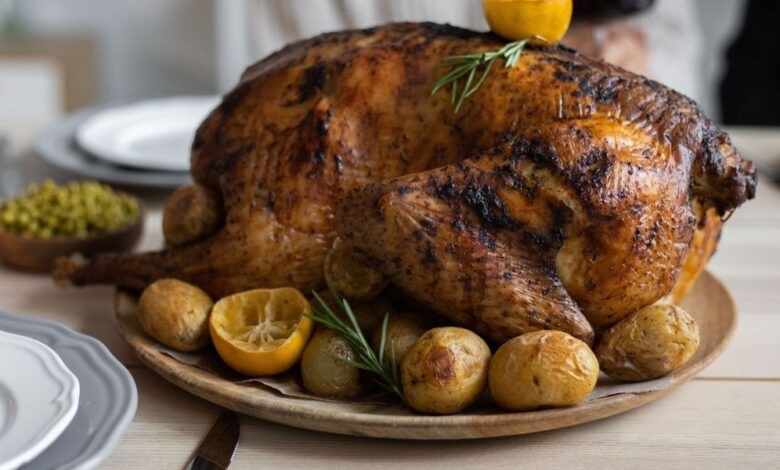
The baker had done remarkable work. The cake was life-sized and decorated with golden-brown icing that resembled roasted skin. It sat on a large platter and looked, at first glance, like a perfectly cooked holiday turkey.
Birdie and Walter placed the real turkey safely in the kitchen to rest after roasting. The chocolate cake took center stage on the dining table.
The plan was not intended to humiliate Vanessa. Birdie wanted the moment to create an opening for a truthful conversation. If Vanessa was going to accept praise for cooking a meal, Birdie thought, then she should at least be able to describe what she had supposedly prepared.
When Vanessa arrived, she looked polished and confident. She greeted relatives, admired the table settings, and accepted compliments about the delicious aroma coming from Birdie’s kitchen.
“You have worked so hard,” one relative told Vanessa.
“I am exhausted,” Vanessa replied.
Birdie, standing nearby with a serving spoon, chose not to interrupt. Walter quietly sipped his coffee. Their longtime friend Ronald, who had also sent Vanessa money for dinner, tried not to laugh.
As more guests arrived, it became clear that many believed Vanessa had handled the entire event. They praised her organization, her generosity, and the impressive-looking meal waiting on the table.
At last, everyone gathered around the dining table. Vanessa stood proudly at the head of the table and thanked everyone for trusting her with the holiday dinner.
Walter then entered with the turkey-shaped cake.
The room fell quiet as guests admired it. It looked so realistic that several people immediately complimented Vanessa on the roast.
Walter smiled politely.
“How long did you cook this bird?” he asked Vanessa.
“Six hours,” she said after a brief pause.
“And what did you use to baste it?” Walter continued.
“Butter,” Vanessa answered. “Lots of butter.”
Birdie asked if she had used the family stuffing recipe. Vanessa said yes, although she could not name its well-known secret ingredient.
Then Birdie handed Vanessa the carving knife.
“Since you prepared this beautiful turkey,” Birdie said gently, “you should have the honor of carving it.”
An Honest Conversation at the Thanksgiving Table
Vanessa made the first cut. Instead of white turkey meat, the knife revealed dark chocolate cake beneath the icing.
For a moment, the room was silent. Then Walter looked at the slice and said, “I have eaten turkey for many years, but I have never seen one with chocolate inside.”
The guests began to laugh, not cruelly, but with the surprise of the moment. Vanessa understood immediately that Birdie and Walter knew she had not cooked the dinner.
Birdie then explained that the real turkey and all the side dishes were in the kitchen. She also asked the guests whether they had sent Vanessa money for the meal.
Several relatives confirmed that they had.
Vanessa looked down at the table. At first, she said that the money was meant to cover ingredients and planning. But when Birdie calmly explained that she had bought the food and prepared the meal, Vanessa had little left to say.
The moment was uncomfortable, but it was also an opportunity for accountability. Vanessa eventually acknowledged that she should not have accepted the payments.
Walter explained the issue simply: organizing a gathering can be valuable work, but it is different from purchasing ingredients and cooking a full dinner. If Vanessa wanted to charge people for event planning in the future, she would need to be transparent about her role and receive agreement before collecting any money.
Vanessa used her phone to refund each guest. Around the table, phones began to buzz as payments were returned.
Once the matter was resolved, Walter brought out the real turkey. It was golden brown, properly roasted, and ready to serve alongside Birdie’s homemade side dishes.
The gathering moved forward with the meal everyone had been expecting.
The Often Overlooked Work of Hosting Family Holidays
Thanksgiving hosting involves many tasks that may go unnoticed by guests. Preparing a turkey safely, for example, requires planning ahead for thawing, cooking, resting, carving, and storage. Food safety guidance from the United States Department of Agriculture emphasizes using a food thermometer to ensure turkey reaches a safe internal temperature of 165°F (74°C).
Beyond food preparation, hosts often manage seating, dietary needs, timing, serving dishes, beverages, leftovers, and cleanup. For older hosts in particular, a large holiday meal can be physically demanding. Family members can show appreciation by offering practical help rather than assuming one person will manage everything.
Helpful contributions may include:
- Bringing a prepared dish or dessert.
- Setting the table and arranging chairs.
- Helping serve food to guests.
- Washing dishes and cleaning kitchen surfaces.
- Packaging leftovers and taking out rubbish or recycling.
- Checking in with the host before and after the event.
These contributions are not merely chores. They are ways of sharing responsibility and showing respect for the person who opened their home.
A Thanksgiving Lesson in Responsibility
After dinner, Vanessa prepared to leave. Birdie stopped her and handed her a large apron decorated with a cheerful chicken.
“What is this for?” Vanessa asked.
Birdie pointed toward the kitchen. Eighteen guests had shared a large meal, which meant there were plates, glasses, pots, roasting pans, serving bowls, and utensils waiting to be cleaned.
“You invited everyone,” Birdie said. “Now you can help finish the event.”
Vanessa was not thrilled, but she put on the apron. She began washing dishes, scraping pans, and wiping counters. For the first time that day, she was participating directly in the work required to host a family holiday.
By the time the final dishes were nearly finished, Vanessa looked genuinely tired. Her carefully arranged hair had loosened, and her manicure had met the realities of a roasting pan. Yet she also seemed more thoughtful.
“I did not understand how much work this was,” she told Birdie.
Birdie softened. She did not want Vanessa to remain embarrassed forever. She wanted her to understand that appreciation, honesty, and effort matter more than appearing important.
“Now you do,” Birdie replied.
Vanessa apologized to Birdie, Walter, and the family. It was not a perfect ending, but it was a sincere one. Families often have complicated moments, and meaningful change does not always happen instantly. Still, accountability can be the beginning of better habits.
What This Thanksgiving Story Teaches About Family Gatherings
The humor of the chocolate turkey made the lesson memorable, but the heart of the story was simple. Thanksgiving is not about receiving praise for work someone else has done. It is about gratitude, shared effort, generosity, and care for the people around the table.
A successful holiday gathering does not require perfection. The turkey may cook faster or slower than expected. Someone may forget the cranberry sauce. The pie crust may crack. What matters most is that family members communicate clearly, contribute honestly, and recognize the people whose work makes the gathering possible.
When Walter and Birdie finally stood alone in their quiet kitchen, they looked at the remaining chocolate turkey cake and laughed. They had faced an awkward family problem without turning the holiday into a lasting argument. Vanessa had returned the money, helped clean up, and learned what hosting truly involved.
For Birdie, that was enough.
“Next year,” Walter said, “perhaps we should let Vanessa cook.”
Birdie smiled.
“Only after she learns where we keep the roasting pans.”
Sources
Disclaimer: This content is intended for entertainment purposes only and is not based on real events.