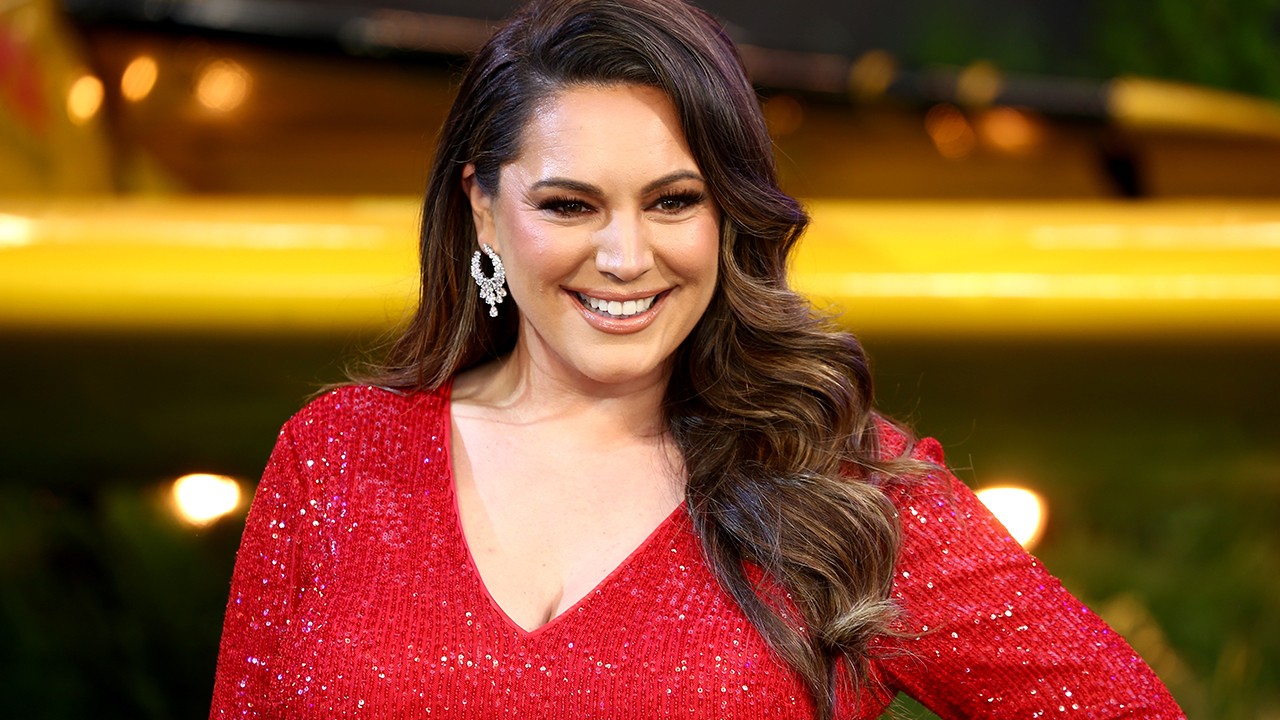
Kelly Brook and the Evolution of Body Image: Embracing Change, Celebrating Confidence
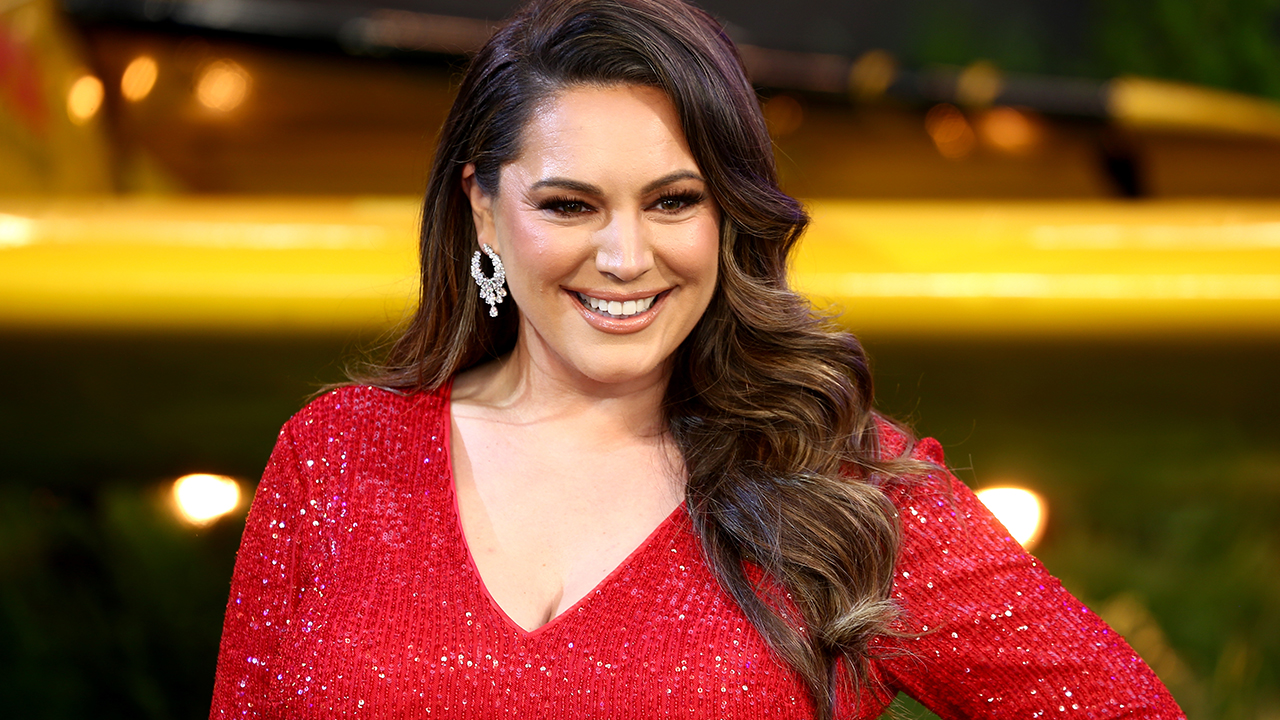
Once described as having the “scientifically perfect body,” Kelly Brook now openly celebrates the transformation of her figure at age 46. She embraces her curves, softness, and strength, advocating for body acceptance rather than striving for an image from her past. Brook’s journey highlights the complexities and changes in beauty standards that women have faced for generations, reflecting broader societal and scientific perspectives.
The Changing Face of Beauty: From Scientific Ideals to Personal Empowerment
For decades, the concept of the “perfect” female body has shifted, often driven by media, fashion trends, and evolving public opinion. As women around the world navigate these changing definitions, the elusive ideal has continued to generate debate, shaped by scientific research and the personal experiences of prominent individuals.
British model Kelly Brook rose to prominence at a young age, facing scrutiny and adulation for her appearance. Her early career began when she was still a teenager, with her first professional modeling work soon attracting industry attention. In an interview with The Guardian, Brook reflected on her youthful exposure to adult expectations: “When you look at those pictures from that time, I had the body of a porn star and the face of a child. That was probably the appeal and why I was successful. That’s the sad truth of it for me.” Her honesty underscores the pressures faced by young women entering industries where physical appearance can dictate opportunities.
‘Skinny Doesn’t Mean I’m Happy’: Navigating a Career in the Spotlight
Brook’s career soon expanded beyond modeling to include acting, presenting, and television hosting. The curiosity about her personal life persisted, especially regarding high-profile relationships, which often intersected with public discussions about her body.
The focus on Brook’s weight, sometimes shifting dramatically in response to emotional challenges, became a topic not just for fans but for tabloids and social media commentary. In an interview with the Express, Brook candidly addressed the misconception equating thinness with happiness: “Being skinny doesn’t mean I’m happy – [when I had personal problems], I just used to lose my appetite. The break-up diet! I had quite a few of those. I just used to break up with partners to keep myself on track!”
Brook eventually discovered lasting love and stability with Jeremy Parisi, whom she married in July 2022. He has publicly praised her “amazing body,” suggesting a shift in focus from weight to health, balance, and self-acceptance.
The “Scientifically Perfect Body” and Its Cultural Impact
The phrase “world’s most scientifically perfect body” has repeatedly been attached to Kelly Brook, largely due to studies examining which proportions are perceived as most attractive. Research led by the University of Texas found that a relatively low body mass index (BMI) combined with a curvaceous figure was a primary predictor of perceived female beauty. Brook’s reported measurements—1.68 meters (5 feet 5 inches) tall, with a 99 cm bust, 63 cm waist, and 91 cm hips—closely matched the proportions identified in the study as ideal for many viewers.
This association with scientific ideals brought Brook both recognition and scrutiny. Media outlets and commentators often cited her body as the benchmark, fueling discussions about beauty standards. The research itself reflects the complexities of combining scientific analysis with cultural preferences, as these ideals have fluctuated through history and across societies.
Experts in psychology and nutrition have frequently cautioned against overemphasizing any single physical ideal. Dr. Sarah Blunden, a clinical psychologist specializing in body image, notes, “Beauty is not just about proportions, but about health, confidence, and individuality.” The tendency to celebrate one standard can lead to unrealistic expectations and harmful comparisons, particularly among young women and teens.
Facing Public Criticism and Online Attention
The recognition Brook received for her physical measurements did not shield her from negative attention, especially in the age of social media. In 2017, she shared a bikini photograph online, which quickly became the target of body-shaming remarks, with some users labeling her a “beached whale” or “chubby.” This kind of criticism highlights both the persistence of judgment and the shifting tides in public dialogue.
Brook responded directly and confidently, posting on X (formerly Twitter): “I have Lovely Smart people follow me on social media who I like talking with! I will not let the negativity of a few stop me sharing.” Her reaction was echoed in later interviews, where she emphasized the importance of acceptance: “I’m getting older, bigger. Everything changes, but I do think the industry is kinder these days. I don’t think it’s fashionable to judge women in the same way.”
These experiences are not unique; many women in the public eye have documented similar treatment. According to a BBC report, online platforms have become common ground for body image discourse, both positive and negative. The ability to share experiences and challenge stereotypes has been critical to building communities that advocate for inclusivity and respect.
Celebrating Curves, Softness, and Strength: A Shift in Messaging
Now, Brook stands as an ambassador for Next’s fuller-bust lingerie range—representing the brand’s campaign which showcases “real women who live real lives.” She stresses the importance of seeing diverse body types in advertising, saying in a recent interview with Hello!, “Confidence is about celebrating curves, softness and strength, and feeling proud of the woman you are today, not who you were 10 years ago.”
The campaign underscores a broader industry shift toward authenticity. More brands and magazines are focusing on inclusivity, diversity, and representative imagery. This mirrors international trends—initiatives in countries from the U.K. to the U.S. and Australia are calling upon advertisers to highlight diverse standards, combat unrealistic depictions and support positive body image.
Brook adds, “For me now, body confidence is about acceptance and kindness. I’ve lived in my body through so many different stages – personally and professionally – and I’ve learned that confidence doesn’t come from trying to fit a mold, it comes from feeling comfortable in your own skin.” Her perspective resonates for many, offering a relatable and achievable outlook.
The latest photographs show Brook modeling a range of lingerie, celebrating her experience and maturity more than three decades after her career began. Her advocacy for self-love, acceptance, and appreciation of natural changes speaks to a growing movement that encourages women everywhere to define beauty for themselves.
In an era where measuring tape and magazine covers once set standards, Brook’s experience is emblematic of a new narrative. For a woman whose measurements were once used by others to define “perfection,” her message is now considerably simpler: confidence and beauty are grounded in individuality, well-being, and genuine acceptance.
Expert Perspectives and Societal Reactions
International research confirms the steady evolution of beauty standards. The World Health Organization and Mayo Clinic stress that healthy bodies come in many forms, and that well-being should focus on physical, mental, and social health—not only on external appearance. Experts advocate approaches that prioritize self-esteem, highlight individuality, and warn against the effects of comparison-driven self-criticism.
Organizations like the CDC and WHO underline the impact of social media on body perceptions. While platforms can empower users, they also contribute to widespread exposure to idealized images, occasionally linked with increased rates of dissatisfaction and eating disorders, particularly among young people.
Societal reactions to changing standards have ranged from celebratory to critical. Campaigns such as Dove’s “Real Beauty” and international efforts to remove digitally enhanced imagery are helping broaden notions of beauty and raise awareness of the importance of confidence, self-care, and respect.
The continued conversation about body image, inspired by figures like Kelly Brook, is gradually creating space for diversity, authenticity, and kindness. It encourages not only women but all individuals to cherish their bodies, recognize their unique strengths, and celebrate changes rather than fear them.
Conclusion: Redefining Beauty for the Future
As Kelly Brook exemplifies, the ideal of the “perfect” body has no single definition. Her journey through public scrutiny, scientific study, criticism, and celebration illustrates the evolving landscape of body image. The trend towards acceptance and confidence, rooted in kindness and authenticity, is shaping a more inclusive and supportive dialogue.
In redefining beauty standards and promoting self-love, society can inspire new generations to prioritize health, happiness, and individuality. Brook’s story invites everyone to reflect on the standards they internalize, appreciate the changes their bodies undergo, and recognize that confidence lies in acceptance—not comparison.
Further Reading
- Science confirms Kelly Brook, 45, has the perfect body proportions
- Hayden Panettiere’s cause of death confirmed
Sources
Disclaimer: This content is intended for entertainment purposes only and is not based on real events.