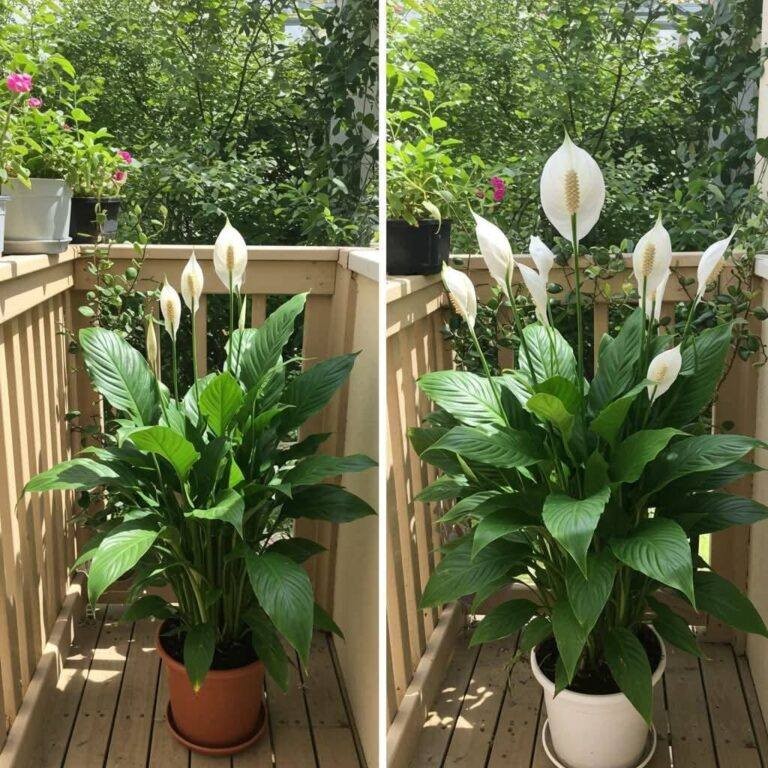
Rice Water for Peace Lilies: What Science Says About This Homemade Plant Care Method
Peace Lilies (Spathiphyllum) are popular indoor plants valued for their glossy green leaves and distinctive white, hood-like flower structures. They are often recommended for beginners because they tolerate average indoor conditions, but they still need appropriate light, watering, drainage, and nutrition to remain healthy. When a Peace Lily fails to flower or develops yellowing leaves, many gardeners look for simple household solutions, including rice water.
Rice water is commonly described online as a natural fertilizer made by rinsing or blending uncooked rice with water. Supporters suggest that it supplies minerals and nutrients that may help plants grow. However, the available evidence does not show that rice water is a reliable or complete fertilizer for Peace Lilies. It may contain small amounts of starch and trace nutrients, but it can also create problems if used too often or left sitting in potting soil.
A more effective approach is to understand what Peace Lilies need and use rice water, if at all, as an occasional supplement rather than a replacement for balanced houseplant care.
Understanding Peace Lily Growth and Flowering
Despite their name, Peace Lilies are not true lilies. They belong to the Araceae family and are tropical understory plants native to parts of Central and South America. In their natural habitat, they grow beneath taller vegetation, where they receive filtered light, warm temperatures, humidity, and consistently moist but well-drained soil.
The white part commonly called a Peace Lily flower is actually a modified leaf called a spathe. The small flowers are found on the central spike, known as the spadix. Healthy plants can produce these blooms under favorable conditions, particularly when they receive enough bright, indirect light and are not stressed by poor drainage, prolonged drought, or nutrient imbalance.
A newly purchased Peace Lily may bloom for a period because commercial growers often cultivate plants under carefully controlled greenhouse conditions. Once the plant enters a home environment, it may need time to adjust. A lack of blooms does not always mean the plant is unhealthy. Mature plants commonly flower seasonally, and low indoor light is one of the most frequent reasons flowering slows or stops.
What Is Rice Water?
Rice water generally refers to water used to rinse, soak, or blend uncooked rice. Its composition varies considerably depending on the variety of rice, whether the rice has been washed, how much water is used, and whether the liquid is fermented. The water may contain starch, small amounts of minerals, and residues from the outer surface of the grains.
Raw rice itself contains nutrients such as carbohydrates, protein, and modest amounts of minerals. However, this does not mean those nutrients are immediately available to a houseplant when rice is mixed with water. Plants require essential nutrients in forms their roots can absorb. Nitrogen, phosphorus, potassium, calcium, magnesium, sulfur, and several micronutrients must be present in suitable amounts and chemical forms.
Balanced commercial fertilizers are designed to provide nutrients in predictable ratios. By contrast, homemade rice water is inconsistent. It should not be considered a proven substitute for a fertilizer labeled for indoor foliage plants or flowering houseplants.
Can Rice Water Help a Peace Lily?
There is limited scientific evidence specifically showing that rice water improves Peace Lily health or flowering. Some gardeners report positive results after using it, but individual observations can be influenced by many other changes, including improved watering, seasonal light increases, repotting, or the plant’s natural growth cycle.
The potential benefit of a diluted rice-water application is likely modest. In small quantities, it may add organic material and traces of nutrients to the growing medium. Yet the starch in rice water can also encourage microbial activity in soil. While soil microorganisms are not automatically harmful, excessive organic residue in a small indoor pot can contribute to unpleasant odors, fungus gnats, mold growth, or oxygen-poor conditions around roots.
Peace Lilies are especially vulnerable to overwatering and root stress. Their roots need air spaces within the potting mix. If the soil remains constantly wet or becomes compacted, root function can decline. For this reason, gardeners should use caution with any homemade liquid that may add organic material without offering a clearly measured nutritional benefit.
Rice Water Nutrients: Separating Claims From Evidence
Rice water is often promoted as a source of potassium, calcium, magnesium, and boron. Rice grains can contain these minerals, but the amount that moves into water during a brief rinse or soak is uncertain and usually small. The final concentration depends on preparation, rice type, water quality, and dilution.
Healthy Peace Lily growth does require these nutrients. Potassium supports many plant processes, calcium contributes to cell structure, magnesium is central to chlorophyll, and boron is needed in very small quantities for normal plant development. However, a plant also needs adequate nitrogen, phosphorus, iron, manganese, zinc, copper, molybdenum, and other elements. A solution that offers only trace and unpredictable levels of a few nutrients cannot meet all of those needs.
Overapplication can be as harmful as underfeeding. For example, too much fertilizer can lead to salt accumulation and leaf-tip browning. Using a measured, balanced fertilizer at the manufacturer’s recommended houseplant rate is generally more dependable than relying on kitchen-based mixtures.
How to Use Rice Water Safely, If You Choose To Try It
Gardeners who want to experiment with rice water should do so conservatively. The safest option is plain rinse water rather than a thick blended mixture or a strongly fermented liquid. Blended rice can leave more starch in the soil, which may increase the risk of microbial growth and pests.
To make a mild rinse-water solution, briefly rinse a small amount of uncooked rice in clean water, then strain out every grain. Dilute the cloudy water with additional plain water before applying it. Avoid adding salt, sugar, cooking oils, seasonings, or any other kitchen ingredients. These substances can damage roots or attract pests.
Use the diluted solution only occasionally, such as once every four to six weeks during active growth in spring and summer. It should not replace regular watering. Apply it only when the top portion of the potting mix has begun to dry, and make sure excess liquid can drain freely from the bottom of the container.
Never use rice water if it smells sour, rotten, or unusually strong. Fermented mixtures can vary widely in acidity and microbial content. While fermentation is sometimes promoted in gardening advice, it is difficult to control in a home setting and is unnecessary for routine Peace Lily care.
Signs That Rice Water May Be Causing Problems
Stop using rice water if the potting mix develops a sour smell, visible mold, persistent fungus gnats, or a slimy surface. Other warning signs include drooping despite wet soil, yellow leaves, blackened roots, or a sudden decline in plant vigor. These symptoms may indicate excess moisture or root problems rather than a lack of fertilizer.
If a Peace Lily appears stressed, inspect its basic conditions first. Confirm that the pot has drainage holes, remove any standing water from a saucer, and ensure the root ball is not sitting in a dense, waterlogged mix. If root rot is suspected, the plant may need to be removed from its pot, checked for damaged roots, and repotted in fresh, well-draining houseplant soil.
The Best Care Routine for Healthy Peace Lilies
For dependable results, focus on the environmental conditions that have the strongest effect on Peace Lily growth. Bright, indirect light is usually ideal. The plant can survive in lower light, but it is less likely to flower there. Direct, harsh sun can scorch the leaves, especially through a south- or west-facing window.
Water when the top inch or two of the potting mix feels dry, depending on pot size and home conditions. Peace Lilies often droop when thirsty, but repeated dramatic wilting can place stress on the plant. Water thoroughly until a little water exits the drainage hole, then discard the runoff. Do not allow the pot to sit in water for extended periods.
Most homes are suitable when temperatures remain roughly between 65°F and 80°F (18°C to 27°C). Keep the plant away from cold drafts, heating vents, and sudden temperature changes. Average household humidity is usually acceptable, although very dry air can contribute to brown leaf edges.
A well-draining potting mix is important. A standard indoor plant mix amended with perlite or similar material can help provide air around the roots. Repot only when the plant has become root-bound or the soil is breaking down. Moving to a pot that is only slightly larger than the previous one is usually best.
Fertilizing Peace Lilies More Reliably
If a Peace Lily has adequate light and good watering practices but still shows slow growth, a balanced liquid houseplant fertilizer may be useful during the growing season. Follow the product label and consider using a diluted strength, especially for sensitive indoor plants. Fertilizing too heavily is not a way to force blooms and may harm roots.
Many experienced houseplant growers fertilize lightly during spring and summer, then reduce or pause feeding when growth naturally slows in autumn and winter. If leaf tips turn brown, review fertilization, watering consistency, and water quality. Mineral salts from fertilizer or tap water can sometimes build up in soil over time. Periodically flushing the pot with plain water can help remove excess soluble salts, provided the container drains well.
Common Reasons a Peace Lily Is Not Blooming
Insufficient light is the leading cause of reduced flowering indoors. A plant placed in a dim corner may remain alive and green but produce few or no blooms. Moving it gradually to a brighter location with indirect light can make a meaningful difference.
Other causes include an immature plant, recent relocation, inconsistent watering, root crowding, low temperatures, and excessive nitrogen fertilizer. Nitrogen supports leafy growth, but too much can encourage foliage at the expense of flowering. Patience is also important: plants often need several months to adapt after being moved or repotted.
It is worth remembering that flowering is not the only sign of a healthy Peace Lily. Strong leaves, steady new growth, and firm roots are positive indicators. The goal should be long-term plant health rather than trying to produce constant blooms with frequent feeding or homemade remedies.
A Practical Conclusion on Rice Water for Peace Lilies
Rice water is not a proven fertilizer or a guaranteed method for making Peace Lilies bloom. It may contain trace nutrients, but its composition is inconsistent and it does not provide the balanced nutrition a houseplant needs. Used rarely and in a diluted form, simple strained rice rinse water is unlikely to harm a healthy plant with proper drainage. However, frequent use, thick blended mixtures, and fermented preparations can create avoidable problems in indoor potting soil.
The most reliable path to a thriving Peace Lily is bright indirect light, careful watering, a well-draining mix, stable indoor temperatures, and modest use of a balanced fertilizer when needed. These evidence-based care practices support healthy foliage and give the plant the best conditions for natural flowering.

Sources
Disclaimer: This content is intended for entertainment purposes only and is not based on real events.