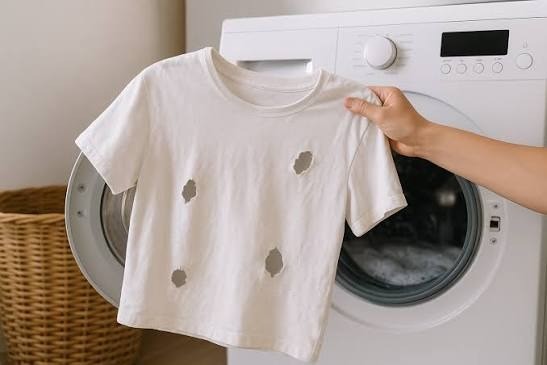
A hole in clothing can appear from time to time, but don’t toss your garments just yet
Small holes in clothing are a common frustration for many people. While it may be tempting to discard garments with even tiny imperfections, doing so can be wasteful and costly. Fortunately, there are simple, effective, and non-intrusive methods to repair such holes, making your clothes look as good as new without any visible stitches. In this detailed guide, we explore the causes of these troublesome holes, strategies to prevent them, and step-by-step instructions for repairing holes in clothing without sewing. We further examine fabric care tips, expert opinions, and global best practices — empowering you to make your wardrobe last longer and reduce fashion waste.
Understanding What Causes Holes in Clothing
The appearance of small holes in clothing can be perplexing. Many people immediately suspect moths, but the reality is that several factors can contribute to damage over time. Understanding these causes is the first critical step toward prevention.
Common Culprits
- Zippers: Unzipped or poorly aligned zippers can snag and tear delicate fabrics, particularly during laundering or fastening.
- Bra Hooks and Clasps: Unfastened bras may catch on other garments, pulling and damaging threads during washing cycles.
- Belts and Buckles: The constant friction and pressure applied by accessories such as belt buckles can wear through fabric, especially around the waistband or lower hem of shirts.
- Washing Machines: Overloading and excessive spin cycles can accelerate wear, while garment embellishments rub together causing friction-based holes.
- Chlorine Bleach: Overuse or improper dilution of bleach weakens fabric fibers, leading to breakdown and holes.
- Rough Surfaces: Contact with coarse materials, such as brick, wood, or stone, can snag threads and stress fabric during regular activity.
Fabric Weakness and Everyday Snags
Delicate fabrics such as cotton and silk are especially prone to snags, while even sturdy textiles like denim are not immune to damage if exposed to persistent friction or stress from accessories and sharp objects. Everyday routines — sitting at a desk, carrying handbags, or wearing jewelry — may all contribute to fabric wear.
Preventing Holes: Proactive Measures for Clothing Longevity
While some sources of clothing damage are unavoidable, many holes can be prevented through a combination of fabric-conscious habits, strategic laundering, and careful garment care.
Mind the Accessories
- If you notice holes forming around the waistband or belly area, examine your belt buckles. Opt for smoother designs, regularly rotate their position, or gently sand rough edges to minimize abrasion.
- Zippers on jeans and hoodies should always be zipped up before washing to prevent snagging other garments.
- Fasten all bra hooks and clasps pre-laundry. Alternatively, use a lingerie washing bag to fully protect delicate items from catching during the wash.
Washing Best Practices
- Avoid overloading your washer. Ample space ensures garments move freely and avoids excessive friction that can cause holes.
- Turn clothes with beads, buttons, or embellishments inside out before laundering to shield them from abrasion.
- Separate delicate fabrics (e.g., cotton, silk) from tougher items (e.g., denim, towels, bedsheets) to prevent damage during spin cycles.
- Wash silk and similarly fragile items on the lowest applicable spin setting, and use a gentle, fabric-appropriate detergent.
Minimize Chemical Damage
Chlorine bleach is a staple in many households but can swiftly deteriorate fibers and cause holes if used indiscriminately. Experts recommend replacing harsh chemical bleaching agents with:
- White vinegar
- Citric acid
- Baking soda
These natural alternatives are gentler on both fabrics and the environment, while still ensuring garments remain fresh and bright.
Addressing Moth Infestations
Contrary to popular belief, not all clothing holes can be attributed to moths. Nevertheless, moths are a risk for natural fibers like wool, silk, and even high-end leathers. They are attracted to sweat, hair, and spills left on unwashed clothing. Combat moths through a multi-tiered prevention strategy:
- Store seasonal clothes in airtight bins or zipped garment bags to restrict moth access.
- Use pheromone traps to remove male moths and to monitor for infestations in closets.
- Add dried lavender sachets, or a few drops of mint or lavender essential oils, inside wardrobes to naturally repel insects.
- If infestation occurs, wash all affected clothes in warm water and thoroughly clean closet interiors with diluted white vinegar.
Protect Against Snags from Surfaces
If your home or workplace has exposed bricks, rough wood, or stone surfaces, consider smoothing, painting, or covering these areas. Even small protrusions and nails can catch and damage clothing fibers, so a proactive approach can cut down on ongoing repair needs.
How to Repair Clothes Without Sewing
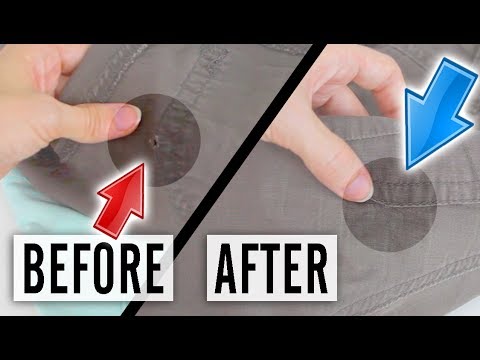
Even with vigilant care, tiny holes (especially less than 5mm in diameter) can still appear. Sewing is a traditional repair method but may leave visible or bulky stitches, especially on lightweight fabrics. Instead, using a fusible bonding web offers a near-invisible mend, preserves the garment’s look, and requires little skill or equipment.
Materials Needed
- Clothing with holes no larger than 5 mm
- Iron with adjustable heat settings
- Fusible bonding web (available at major retailers, craft stores, and online)
- Large piece of wax paper
Step-by-Step Instructions
Follow these instructions to repair holes effectively and discreetly:
- Turn the garment inside out and lay it flat on an ironing board, ensuring the hole faces up.
- Cut a patch of fusible web slightly larger than the hole. This ensures adequate coverage of stressed fibers.
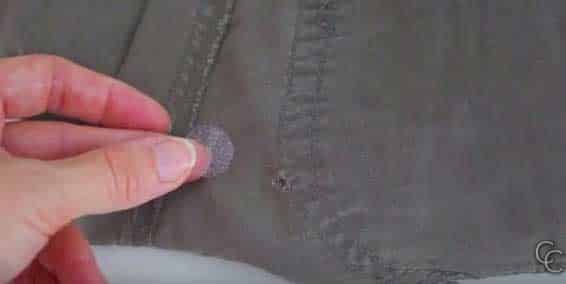
- Gently realign the edges of the hole by pulling the bordering fabric together until the gap is closed. Then, place the fusible web patch directly over the area and cover it with a sheet of wax paper. Fusible web is widely accessible at stores and online platforms such as fabric shops, large department stores, and retailers like Amazon.
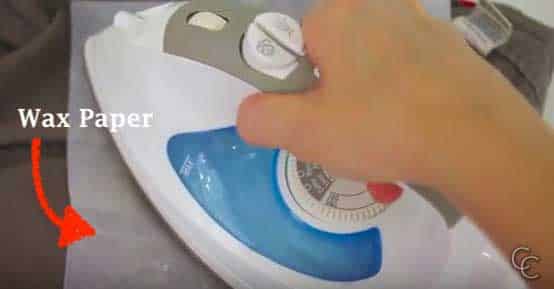
- Set your iron to the “wool” heat setting. Place it directly onto the wax-paper-covered web for approximately 10 seconds, applying steady pressure. Avoid moving the iron side to side, which could shift the patch or distort the fabric. Lift the iron with care.
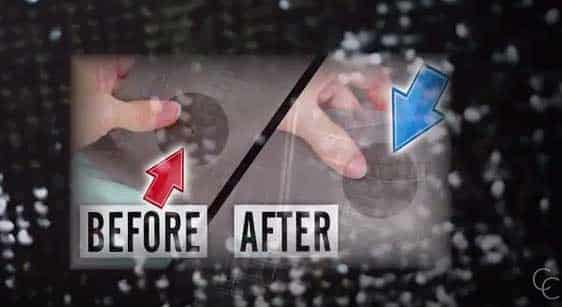
- Turn the garment right side out and review your work. If the repair is not seamless, repeat the process—gently working the fabric together and reapplying heat as needed. Mastery comes with practice, and a well-executed fix is virtually invisible to the naked eye.
Expert Tips and Additional Advice
Clothing care and repair specialists recommend always keeping fusible web and wax paper on hand for quick fixes. For color-matched results, fusible web patches now come in a variety of hues and patterns. When dealing with patterned or textured garments, take care to align the fabric print for best results.
If you are unsure about using this method on high-value pieces, consult a professional tailor, who can provide guidance specific to your garment’s fabric type and construction. Many tailors now offer eco-conscious repair services aimed at reducing fashion waste and extending clothing lifespans.
Spotlight on Sustainable Fashion: Repair, Reuse, and Reduce Waste
Globally, the textile and apparel industry faces scrutiny for its environmental footprint. According to the Ellen MacArthur Foundation, millions of tons of clothing are discarded each year, and only a small fraction finds a second life through donation or recycling. By adopting repair-first habits and learning basic mending techniques, individuals contribute to the global effort to reduce fashion waste and promote a more sustainable future.
Many advocacy groups and fashion leaders now encourage “visible mending” as both a statement of sustainability and a celebration of garment history. The Japanese art of sashiko, for example, incorporates decorative stitching to reinforce and embellish clothing, reflecting pride in repair and resourcefulness.
Consumer demand is also shaping industry practices. Numerous brands now offer lifetime repair services or recycling programs. Learning how to care for and mend your own garments not only extends their life, but also deepens your appreciation for craftsmanship and design.
International Perspectives and Societal Reactions
Globally, attitudes toward clothing repair are shifting. In regions of Europe, government and community-backed repair cafés teach sewing and patching skills, while in Asia, traditional repair crafts are seeing renewed interest. Repair initiatives receive broad media coverage, and expert commentary consistently stresses the environmental and economic benefits of garment care.
Social media, driven by influencers promoting conscious consumption, showcases before-and-after repair projects and shares tips for beginners. Environmental groups and fashion experts join in advocating for more mindful approaches to fashion consumption, with positive societal responses to the reduction of textile waste and more sustainable wardrobes.
Conclusion
Holes in clothing are not merely an inconvenience—they are an opportunity to extend the value of your wardrobe, conserve resources, and embrace a more sustainable approach to fashion. By understanding the causes, taking preventive measures, and mastering easy repair techniques like the fusible web method, everyone can contribute to reducing waste and maintaining a closet that feels both new and uniquely yours. Whether you are saving a favorite t-shirt from early retirement or embracing the wider societal movement toward repair and reuse, it is clear that thoughtful clothing care benefits everyone — from your own wallet to communities worldwide.
Sources
- BBC – The truth about why we throw away clothes
- The Guardian – How to fix your clothes and save money
- CDC – Cleaning and Disinfecting Your Home: Laundering Items
- Ellen MacArthur Foundation – A New Textiles Economy
- Mayo Clinic – Laundry Hygiene and Clothing Care
- Reuters – Recycling, Mending Slows Fast Fashion Bid to Reduce Waste
Disclaimer: This content is intended for entertainment purposes only and is not based on real events.