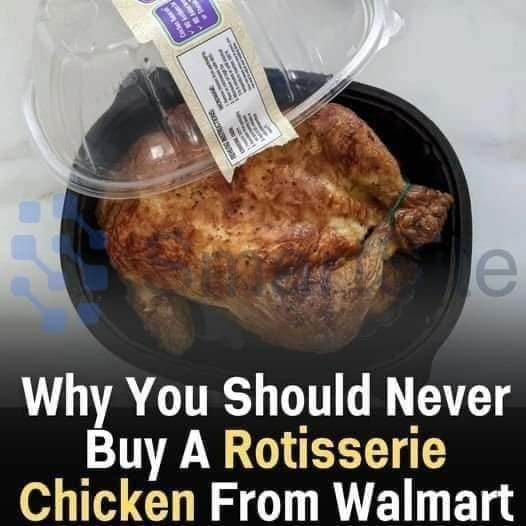
When it comes to Walmart’s rotisserie chicken, you might want to reconsider before grabbing another one
Introduction: The Ubiquity of Rotisserie Chicken in American Retail
Rotisserie chicken has established itself as a staple in American supermarkets, providing a quick, cost-effective meal solution for millions of shoppers each week. Major retail chains like Walmart, Sam’s Club, and Costco compete fiercely to provide this ready-to-eat option at competitive prices, often using rotisserie chickens as both a draw for in-store traffic and a signature offering that embodies value and convenience.
Walmart’s Rotisserie Chicken: Price vs. Portion
At a glance, Walmart’s rotisserie chicken appears to offer unbeatable value. The price tag—often $4.98 or less, especially when on clearance—seems appealing for budget-conscious shoppers. However, a closer look reveals that for this price, customers receive a bird weighing about 1 lb. 13 oz. This portion is noticeably less than what’s offered by competitors.
Size matters when considering the true value of grocery items, and when compared per pound, Walmart’s rotisserie chicken is less generous than its primary rivals. This difference may go unnoticed by some, but for families looking to maximize their grocery budgets, it represents a significant factor.
Competition and Size Comparison: Sam’s Club and Costco
Many consumers are surprised to learn that Sam’s Club—like Walmart—operates under the Walmart corporate umbrella. Nevertheless, the rotisserie chicken products offered by these two retailers are not identical. A standard rotisserie chicken from Sam’s Club weighs an impressive 3 pounds, effectively matching the well-known portion size of Costco’s signature birds.
The portion difference is stark: for the same price (approximately $4.98), customers at Sam’s Club and Costco receive a chicken that is over 60% larger than Walmart’s offering. The consistency in pricing across these big-box retailers underscores the centrality of rotisserie chicken as a value statement, yet the variations in actual content highlight the importance of reading product details before purchase.
Flavor and Texture: What Do Consumers Say?
Beyond size, flavor is a critical consideration that shapes consumer preferences. Reviews on Walmart’s own product pages for its rotisserie chicken are mixed, with significant complaints surfacing regarding both overcooking and undercooking. Dry texture, bland seasoning, or inconsistent preparation are common themes noted by shoppers.
Contrast this with the consumer reception of Costco’s rotisserie chicken, which regularly tops blind taste tests conducted by food publications and consumer groups. Costco’s birds are described as notably juicy, richly seasoned, and reliably prepared. Sam’s Club’s offering is similarly praised, matching Costco in both weight and overall satisfaction according to many online reviews and independent comparisons.
Industry Standards and the Loss Leader Strategy
Rotisserie chickens have become what marketing analysts call a “loss leader”—a product sold at a narrow margin or even at a loss to attract customers into stores. According to retail experts, the willingness to accept slim margins or minor losses on rotisserie chickens is offset by the strategic benefit of in-person shoppers picking up additional, higher-margin groceries.
Costco is perhaps most famous for this approach, maintaining their 3-pound, $4.99 rotisserie chicken for years despite rising poultry prices and supply chain challenges. The strategy builds customer loyalty and is viewed as a driver of overall sales. Sam’s Club appears to follow the same playbook. Walmart’s approach, by contrast, yields a lighter bird and, based on reviews and consumer feedback, a less compelling culinary experience.
Food Quality and Transparency: Labels and Sourcing
Another important factor for modern consumers is transparency around sourcing, nutrition, and production processes. Each major retail chain sources its rotisserie chickens differently, though most commit to using U.S.-raised poultry and mandatory federal inspection standards. Some, like Costco, have built vertically integrated supply chains to better control cost and quality; in fact, the company operates its own poultry complex in Nebraska, largely dedicated to supplying its stores with standardized rotisserie chickens.
Nutritionally, rotisserie chicken can be a lean source of protein. However, sodium content and use of preservatives or flavor enhancers vary from one brand to another. For those with dietary restrictions, it is recommended to consult nutrition labels and ingredient lists carefully before purchasing any ready-to-eat poultry item.
The Consumer Experience: Expectations and Realities
Online reviews offer rich insight into the real-world performance of store-brand rotisserie chickens. Walmart shoppers have noted inconsistent flavor and texture, while Sam’s Club and Costco consistently garner high ratings for juiciness and taste. Food writers and culinary sites often recommend the latter two for their reliability, flavor, and portion size—a sentiment mirrored by social media commentary and in-depth taste tests from food publications.
Yet, individual experience can vary from store to store—differences in preparation time, freshness, and handling may influence the end product. Some customers have found Walmart’s rotisserie chicken to be perfectly adequate for quick weeknight meals, lauding its convenience even if the flavor is milder than competitors. For others, the perceived drop in quality and volume is enough to encourage a switch to alternative retailers.
The Economics of Rotisserie Chicken: Price Stability and Supply Chain
Maintaining low prices for rotisserie chicken, even amidst fluctuating poultry costs, presents a challenge for supermarket chains. Retail analysts point out that these products are uniquely protected from price hikes, largely due to their status as a customer magnet.
Costco’s substantial investment in a dedicated supply chain facility for chicken is evidence of how seriously the company takes the product’s strategic role. Sam’s Club, with similar purchasing power and scale, is able to provide competitive prices and generous portions. Walmart’s approach, in contrast, keeps the price low through offering a lighter bird, defraying some of the cost pressure but potentially impacting customer satisfaction.
Why Size and Flavor Matter: Consumer Psychology and Loyalty
The subtle differences between competing rotisserie chickens can carry outsized influence on shopper loyalty. For families, the ability to stretch a single chicken across multiple meals or provide ample servings at a gathering is a significant value. Flavor, juiciness, and consistency also create positive associations that drive repeat purchases.
Brand perception, formed at the deli counter, often influences purchase decisions across the rest of the supermarket. Shoppers who feel they receive greater value—whether measured in serving size, taste, or reliability—are likely to develop lasting loyalty to those chains that meet or exceed their expectations.
Expert Opinions and Industry Observations
Food industry experts note the outsized attention rotisserie chicken draws relative to its simplicity. “It’s more than just a prepared meal; it’s a low-risk introduction to a store’s quality standards,” says one retail analyst. Publications such as BBC and Reuters have covered the cultural impact of ready-to-eat foods, highlighting the competitive tactics deployed by large retail chains to draw shoppers.
Consumer Reports and tastings conducted by news outlets have consistently underscored the superior ratings garnered by Costco’s and Sam’s Club’s rotisserie chickens. In head-to-head comparisons, these products emerge as clear favorites, attributed to their larger size, flavor profile, and juiciness.
International Perspective: The Rotisserie Chicken Trend Abroad
While the rotisserie chicken price wars are a uniquely American phenomenon, the basic appeal of convenient, affordable cooked poultry transcends borders. Supermarkets in Canada, the UK, and Europe have introduced similar offerings, with local specialties and adjustments based on regional tastes. In France, for example, rotisserie chicken is a staple of open-air markets, where freshness and flavor are prized above uniformity and price.
Still, few markets match the consistency and pricing strategies seen in the United States, where fixed low prices are marketed as a symbol of value, even in the face of mounting supply chain challenges. American retailers’ willingness to lose money on signature products for brand loyalty remains a topic of interest in retail studies worldwide.
Making an Informed Choice: What Shoppers Should Consider
Ultimately, shoppers deciding whether to pick up a Walmart rotisserie chicken should balance the perceived savings against factors like portion size, flavor, nutritional content, and customer reviews. Those seeking maximum value in terms of servings per dollar may find that Costco and Sam’s Club lead the pack. Shoppers prioritizing convenience or store proximity may still opt for Walmart but should maintain realistic expectations regarding size and potential taste variations.
It is always advisable to check nutrition information, inspect the product for freshness, and consider other prepared food options that may be available at comparable price points. As retailers continue to vie for customer loyalty through prepared foods, consumers stand to benefit from heightened quality, competition, and transparency.

Conclusion: Rotisserie Chicken as a Barometer of Value
Walmart’s rotisserie chicken, while alluring with its low price tag, delivers a smaller portion relative to leading competitors. For the same cost, options at Sam’s Club and Costco provide more meat, superior flavor, and higher customer satisfaction. Ongoing industry trends indicate that prepared food quality will remain central to grocery competition in the foreseeable future. Shoppers informed about portion sizes, taste, and supply chain transparency are best positioned to derive maximum value from their grocery choices.
Sources
- Reuters
- BBC
- Centers for Disease Control and Prevention (CDC)
- Costco Wholesale
- Sam’s Club
- Walmart Corporate
- The Guardian
- Mayo Clinic
- Consumer Reports: Best Rotisserie Chicken
Disclaimer: This content is intended for entertainment purposes only and is not based on real events.