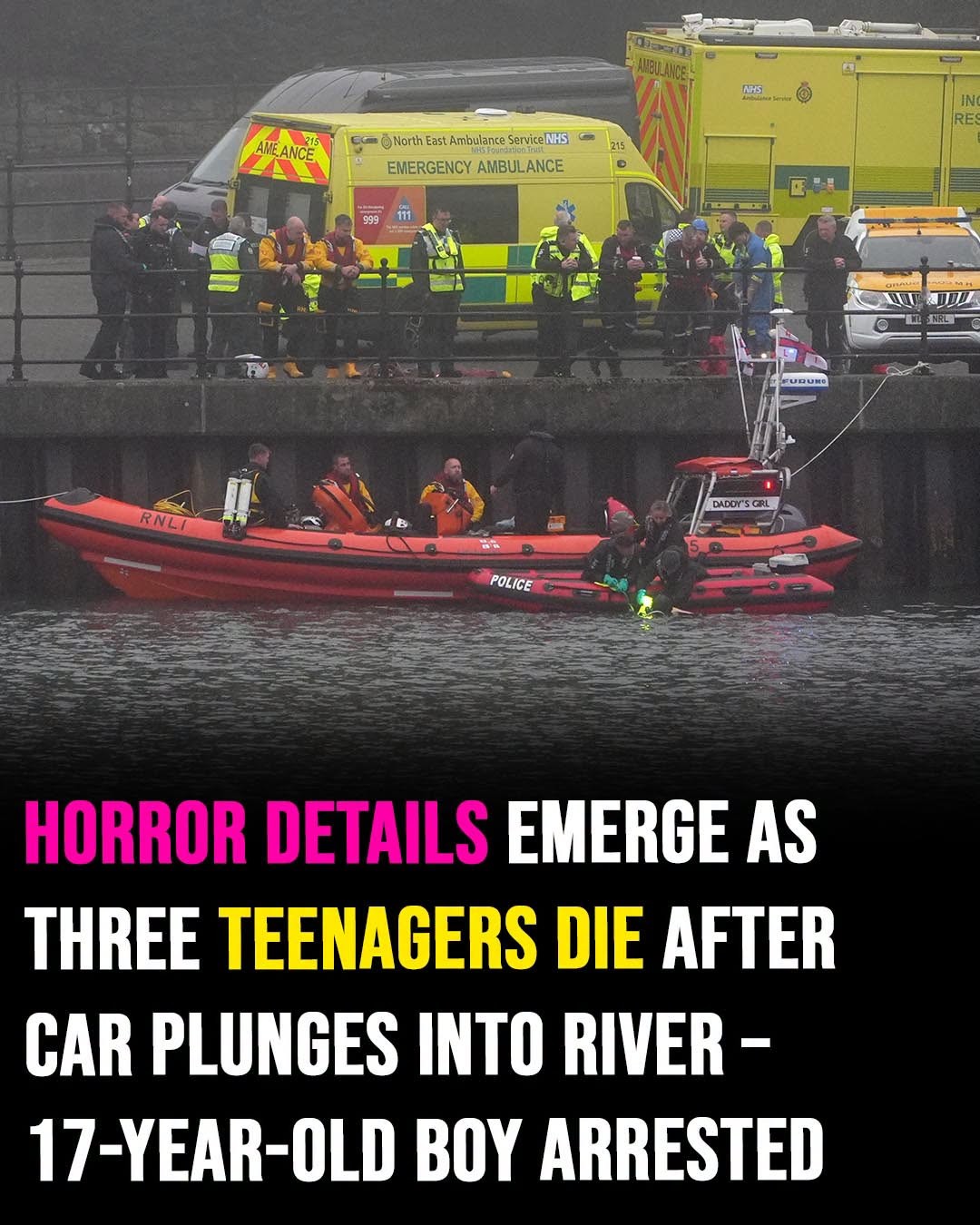
Harrowing Details Emerge as Three Teenagers Die After Car Plunges into River: 17-Year-Old Boy Arrested
Introduction
The city of Sunderland was shaken by tragedy when three teenagers lost their lives after a car plunged into the River Wear. Among the four occupants, three passed away, while the lone survivor, a 17-year-old boy, was arrested in connection with the incident. This catastrophic event has prompted urgent questions regarding the circumstances leading up to the crash, the immediate rescue operations, ongoing investigations, and the broader societal and community reactions.
The Incident: A Timeline of Events
On a cold evening, a group of four teenagers climbed into a black Audi. Witness accounts and preliminary police reports indicate the car headed towards Wearmouth Bridge, a well-known crossing over the River Wear in Sunderland. Several minutes later, tragedy struck as the vehicle suddenly vanished from sight, plunging into the icy waters below.
Emergency services responded swiftly to the crash. Sirens echoed across the city, helicopters scanned the river, and divers were deployed in a desperate attempt to rescue those trapped. Despite their efforts, three of the teenagers were unable to be saved. One young boy, aged 17, emerged as the sole survivor and was arrested at the scene, pending further inquiries.
Rescue and Recovery Efforts
The magnitude of the incident was met with a substantial emergency response. Northumbria Police, Tyne and Wear Fire and Rescue Service, and the ambulance service coordinated operations. Specialist divers equipped with thermal imaging searched the frigid river currents, working against time to recover the victims and the submerged vehicle. The process was complicated by cold temperatures, limited visibility, and strong currents, factors that often hamper river rescues in the UK.
Details from official statements emphasized that every possible avenue was pursued to locate the occupants quickly. According to fire service representatives, such incidents require extensive coordination and technical expertise, especially when vehicles become submerged.
The Victims and Survivor
Although details regarding the identities of the deceased were withheld for privacy and ongoing investigation, local media and sources confirm they were teenagers, all residents of Sunderland. The emotional toll on families, friends, and the wider community has been profound, with vigils held and tributes pouring in.
The survivor, a 17-year-old, was immediately taken into police custody pending further investigation. His arrest is part of standard procedure when a fatal incident involves questions about liability, intent, or possible criminality, although no formal charges had been reported at the time of writing.
Investigation: Police Actions and Key Lines of Inquiry
Northumbria Police launched a comprehensive inquiry into the circumstances. Investigators are focusing on multiple factors, including:
- Speed and driving conditions at the time of the crash
- Whether the vehicle was stolen or driven without permission
- The exact sequence of events leading up to the plunge
- Possible impairment (substance use, fatigue, distractions)
- Driving license status of the occupants
Surveillance footage from nearby traffic cameras and eyewitness testimonies have been collected. The bridge area is known for heavy pedestrian and motor traffic, increasing the complexity of the investigation.
The 17-year-old survivor is assisting police with their inquiries, and decisions regarding charges will rely upon the results of forensic examination, toxicology reports, and further analysis of the scene.
Community Response and Societal Impact
Sunderland’s residents have responded with an outpouring of grief and solidarity. Vigils were organized near Wearmouth Bridge, where flowers, candles, and written messages marked the loss. Local schools and youth centers have provided counseling and mental health support for those impacted.
The broader community is also wrestling with questions surrounding youth safety, road usage, and risk awareness. Sunderland City Council and local advocacy groups have announced plans to review bridge safety features and reinforce road safety campaigns targeting young drivers.
Expert Analysis: Young Drivers and Road Safety
Road safety experts and researchers note that young drivers are statistically more likely to be involved in accidents. The UK’s Department for Transport has highlighted risk factors including inexperience, peer influence, and tendencies towards risk-taking. The transition from adolescence to adulthood poses challenges in judgment and responsibility, which can increase incident rates.
Dr. Emma Robertson, a traffic safety specialist at Newcastle University, explained:
“Incidents involving teenagers often reflect deeper social and developmental issues. Peer pressure, lack of experience, and sometimes insufficient road safety training contribute to tragic events. It is crucial for communities and policy makers to balance enforcement with education, making sure young people understand both the privileges and responsibilities of driving.”
This sentiment is echoed by organisations such as Brake, a leading UK road safety charity, which advocate for graduated licensing systems and better access to youth-focused educational materials. In light of the Sunderland tragedy, these recommendations are likely to receive renewed attention.
International and National Reactions
The Sunderland event has resonated beyond local boundaries, with coverage by international media outlets highlighting the challenges of keeping youth safe both in the UK and abroad. Similar incidents have occurred in cities across Europe and North America, fostering discussions about bridge and river safety, traffic infrastructure, and the role of community vigilance.
In response, the UK government and the Department for Transport have reaffirmed commitments to road safety initiatives. National police forces are reviewing policies surrounding young driver risk, theft prevention, and rapid incident response. Experts stress the importance of collective action, involving families, schools, law enforcement, and health services to strengthen safety culture.
Broader Context: Youth, Risk, and Policy
The Sunderland tragedy underscores ongoing concerns about youth risk-taking, peer influence, and the gap between legislation and real-world experience. Policy experts advocate for targeted interventions, from improving access to defensive driving courses to developing community programs aimed at reducing risky behavior.
Further, bridge and waterway safety measures – including improved barriers, warning signage, and surveillance – are being reconsidered by local councils in Sunderland and elsewhere. Case studies from other UK cities show that enhanced physical infrastructure can meaningfully reduce accidents, but must be paired with outreach and enforcement.
Support Services and Moving Forward
In the aftermath, Sunderland authorities have emphasized the importance of support services for those affected by the tragedy. Crisis counselors, mental health practitioners, and educators are working to address trauma among peers, families, and first responders. Local charities, such as the Samaritans, are providing free resources and hotlines, while youth empowerment groups aim to foster positive change.
Efforts to promote safer road use among young people will continue, bolstered by fresh attention to driving education, bridge safety, and youth outreach. Sunderland’s experience has become a case study for cities nationally, shining a spotlight on the urgent need for systemic solutions.
Conclusion
The tragic incident on Wearmouth Bridge has left an indelible mark on Sunderland, highlighting both the vulnerability of adolescents and the importance of comprehensive safety strategies. As investigations proceed, communities across the UK – and internationally – are reflecting on how to prevent similar occurrences through education, infrastructure improvements, and robust support networks.
The lessons from this event reinforce the need for vigilance, empathy, and evidence-based policy. The city’s response demonstrates resilience and the determination to honor those lost by working towards a safer future.
Sources
- BBC News
- Reuters UK
- The Guardian
- Al Jazeera Europe
- World Health Organization (WHO)
- UK Department for Transport
Disclaimer: This content is intended for entertainment purposes only and is not based on real events.