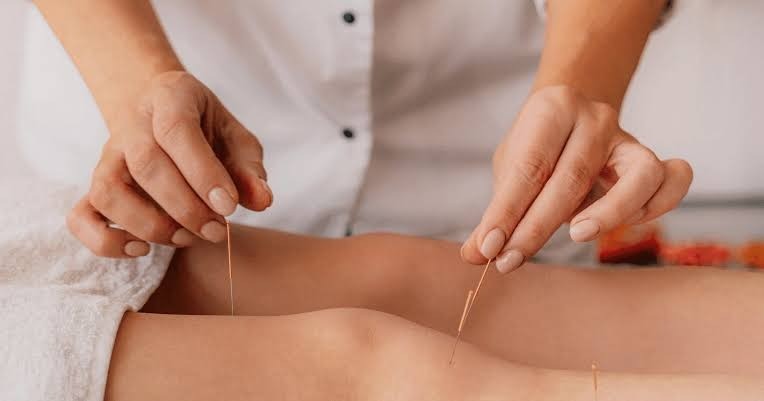
Acupuncture and the Unusual Case of Gold Needle Fragments in Arthritis Treatment
Acupuncture is a traditional Chinese medical practice with a history spanning thousands of years, renowned for its approach of stimulating specific points on the body with thin needles. The therapy is often sought for the relief of pain, management of chronic diseases, and overall wellness. Over time, acupuncture has evolved beyond its early roots in East Asia and is now utilized all over the world, both as a primary treatment and as a complementary therapy alongside conventional medicine.
This article examines acupuncture’s scientific basis, popularity, associated risks, and unique adaptations—including a remarkable clinical case involving retained gold needle fragments in the knees of a South Korean patient with chronic osteoarthritis.
Understanding Acupuncture: Historical and Scientific Background
Acupuncture originated in ancient China and gradually spread throughout Asia, and later, the world. Based on the concept of balancing “qi” (energy flow) through pathways called meridians, traditional practitioners use fine needles inserted at specific acupoints to restore health, alleviate symptoms, or improve function.
Modern medical science has investigated acupuncture’s effects, exploring whether the therapy stimulates nerves, muscles, and connective tissue to create pain relief or trigger biochemical changes. Today, acupuncture is used to address conditions like chronic pain, migraines, anxiety, insomnia, and arthritis. Despite its widespread adoption, scientific debates remain about acupuncture’s efficacy and underlying mechanisms, and researchers continue to conduct controlled clinical trials to clarify its benefits and limitations.
Knee Pain, Osteoarthritis, and Conventional Treatment Limitations
Osteoarthritis is a degenerative joint disease that affects millions of people worldwide, causing the breakdown of cartilage—the protective tissue that cushions joints. Symptoms often include joint pain, stiffness, decreased mobility, and swelling. The condition is especially prevalent in older adults and commonly targets the knees, hips, and hands.
Management of osteoarthritis typically involves a combination of lifestyle modifications, physiotherapy, oral painkillers, anti-inflammatory medications, and, if necessary, surgical interventions. However, long-term use of pharmaceutical treatments can result in side effects such as gastrointestinal discomfort, ulcers, or other adverse reactions. As a result, many patients seek alternative therapies to alleviate their symptoms.
An Unexpected Hospital Discovery: The Gold Mine Inside a Patient’s Knees
A routine hospital visit for chronic knee pain led to an extraordinary discovery in a 65-year-old South Korean woman. Suffering from advanced osteoarthritis, the patient had experimented with painkillers and anti-inflammatory drugs, but found scant relief and developed stomach issues from prolonged use. Facing persistent discomfort, she opted to try acupuncture, a common path for those desiring alternatives to pharmacological treatments.
Gold Needle Fragment Acupuncture: An Unconventional Approach
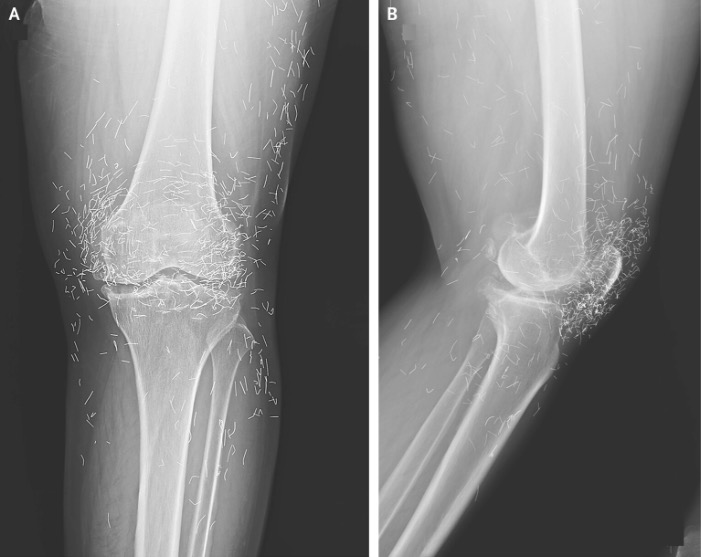
Unlike conventional acupuncture, which involves inserting needles temporarily, the woman underwent a specialized procedure where tiny gold needle fragments were intentionally implanted and left inside her knees. This technique, variously described as “permanent acupuncture” or “gold thread therapy,” is sometimes practiced in parts of Asia. The rationale is that the presence of gold threads or needles provides continuous stimulation of acupoints, theoretically yielding ongoing pain relief and improved joint function.
Years after the treatment, diagnostic imaging revealed hundreds of microscopic metallic pieces scattered throughout the tissue surrounding both knees. The appearance was striking, with doctors likening it to an internal “gold mine.” Medical professionals were intrigued—and concerned—by such visible evidence of a longstanding alternative intervention.
Clinical and Medical Risks of Retained Needle Fragments
While alternative therapies can offer hope when mainstream treatments fail, experts caution that permanently implanted foreign materials, such as gold threads or needles, are not without risks.
Dr. Ali Guermazi, a radiology professor at Boston University, has commented on such cases, emphasizing potential hazards: retained foreign objects can provoke local inflammation, infections, or abscesses. The immune system, recognizing an unfamiliar material, may attempt to isolate the fragments, leading to chronic inflammation and the formation of fibrous tissue, which can further complicate joint function.
Another important concern is interference with diagnostic procedures. Metallic fragments in the body can obscure X-ray and other imaging scans, masking critical anatomical features and making accurate diagnosis or surgical planning more challenging. Moreover, MRI scans pose an additional risk. The powerful magnetic fields used in MRI can move or dislodge metallic fragments, potentially damaging nearby blood vessels, nerves, or tissues. This restricts imaging options for patients who have undergone such procedures.
Scientific Perspectives and Evidence for Acupuncture in Arthritis
Results from research on acupuncture’s effectiveness for arthritis and chronic pain are mixed. While many patients report temporary symptom relief, clinical trials and systematic reviews highlight a need for more high-quality evidence. For example, meta-analyses published in peer-reviewed medical journals often find acupuncture to be moderately effective for pain management but insufficient to cure underlying disease or halt degenerative processes.
Guidelines from organizations such as the U.S. National Institutes of Health and the World Health Organization recognize acupuncture as a complement to conventional therapies for certain symptoms but recommend that it be performed by trained professionals using sterile techniques. The practice of implanting permanent gold threads is not widely supported by mainstream medical authorities, due to insufficient evidence and safety concerns.
Global Use and Societal Views on Acupuncture and Gold Thread Therapy
Acupuncture continues to be a prevalent treatment worldwide, with variations in practice and technique depending on cultural context. In countries such as South Korea and China, gold thread or gold needle therapy is sometimes used for arthritis and chronic pain. The proponents suggest continuous stimulation as a benefit, but experts urge patients to carefully consider the risks.
In the United States and Europe, acupuncture is primarily used as a temporary intervention. According to the U.S. National Institutes of Health, millions of American adults have tried acupuncture for pain relief, mental health issues, sleep disorders, and other conditions. Only a small fraction pursue procedures involving permanent thread implantation, and such treatments are generally regarded as experimental or not approved by regulatory agencies like the U.S. Food and Drug Administration.
Across international medical communities, regulatory standards emphasize safety, sterility, appropriate training, and informed consent. Misuse or non-standard practices, such as retention of non-biodegradable needles, increase the risk of complications and are discouraged.
Expert Opinions: Balancing Innovation with Safety in Alternative Therapies
The case of gold needle fragments discovered during a routine clinical evaluation offers key lessons for both patients and healthcare providers. Experts recommend that individuals seeking alternative therapies consult with qualified practitioners, understand the scientific evidence, and discuss any procedure’s risks and benefits. Transparency and open communication are essential, especially when considering interventions that may leave permanent, foreign material within the body.
While innovation in pain management and arthritis is valuable, medical practitioners emphasize that any therapy must be evaluated for efficacy, safety, and long-term effects. Integration of acupuncture into conventional medicine should be guided by rigorous research, regulatory policies, and respect for patient autonomy.
Societal and International Reactions to Unusual Clinical Cases
Unique medical cases, such as the discovery of retained gold needle fragments in the knees, serve as reminders for ongoing conversation between traditional and modern healthcare systems. They also highlight the importance of vigilance in monitoring patient outcomes and complications. Media reports of such cases often spark debate in the medical community and broader society about the boundaries of alternative practice and the responsibilities of providers.
Regulatory bodies worldwide react by reinforcing safety standards, updating guidelines, and encouraging patient education. International exchanges of knowledge can enrich understanding of both conventional and alternative treatments, fostering a cautious yet innovative approach to chronic disease management.
Conclusion: Safe Practice and Informed Decisions in Acupuncture
Acupuncture is a respected and ancient modality still widely used in modern medicine. The diversity of techniques and cultural adaptations—such as gold thread therapy—broadens the scope of pain management and addresses unmet needs for patients with conditions like osteoarthritis. However, the discovery of gold needle fragments in a patient’s knees underscores the necessity of weighing risks, ensuring professional oversight, and relying on credible evidence.
Patients considering alternative therapies should seek expert opinion, understand guidelines, and ensure treatment is performed safely. Healthcare providers play a critical role in supporting informed decisions and maintaining high standards in patient care. As research evolves, the integration of acupuncture and similar therapies must balance tradition, innovation, safety, and scientific rigor.
Sources
- BBC Health
- Reuters Health
- New England Journal of Medicine
- National Institutes of Health
- World Health Organization
- Mayo Clinic
Disclaimer: This content is intended for entertainment purposes only and is not based on real events.