Safe and Effective Tick Removal: Step-by-Step Guide, Expert Advice, and Health Precautions
Ticks are small, blood-sucking parasites that can transfer a range of pathogens to humans and animals. Whether hiking in the woods, gardening, or simply spending time outdoors, everyone is at risk of tick bites. Properly removing a tick is critical for preventing infections such as Lyme disease, Rocky Mountain spotted fever, and other tick-borne illnesses. This comprehensive guide presents evidence-based techniques for tick removal, considers expert recommendations, and provides context around tick-borne disease safety.
Understanding Ticks and Their Health Risks
Ticks are arachnids that feed on the blood of mammals, birds, and sometimes reptiles and amphibians. Common tick species that bite humans include the black-legged tick (Ixodes scapularis), dog tick (Dermacentor variabilis), and Lone Star tick (Amblyomma americanum). Ticks are vectors for significant diseases, including Lyme disease, caused by Borrelia burgdorferi, and other diseases like anaplasmosis, ehrlichiosis, and babesiosis.
The Centers for Disease Control and Prevention (CDC) and the World Health Organization (WHO) note a rising incidence of tick-borne illnesses globally, emphasizing the importance of prevention and correct removal techniques to reduce risk of transmission.
Why Proper Tick Removal Matters
Improperly removing a tick can increase health risks. Using fingers or forceful methods may cause:
- The tick’s mouthparts to break off and remain embedded in the skin, which can lead to local irritation or secondary infection.
- Squeezing or twisting, which may force infected material from the tick into the skin, raising the probability of disease transmission.
Instead, authoritative health organizations recommend the use of specialized tools and a careful removal process to minimize complications.
Step-by-Step Guide: How to Remove a Tick Safely
- Gather Tools: Ideally, use fine-tipped tweezers or forceps. These provide precision and minimize the risk of squeezing the tick’s body.
- Approach Slowly: Position the tip of the tweezers as close to the skin as possible, grasping the tick right at the point where it attaches.
- Apply Gentle Pressure: Pull the tick upward slowly and steadily. Use gentle, even pressure rather than aggressive or jerky movements.
- Avoid Twisting or Crushing: Twisting or crushing may cause the mouthparts to break off, or may force pathogens into the bite site.
- Inspect the Bite: After removal, closely examine the skin. If you notice a small, dark fragment, there is no need to dig into the skin. Usually, the body will expel it naturally during healing. If irritation persists, consult a healthcare professional.
What to Do After Removing the Tick
Once the tick is removed, you must clean the affected area and your hands thoroughly to reduce the risk of infection. Health experts recommend the following steps:
- Wash the bite area and your hands using soap and warm water.
- If soap and water aren’t available, use an alcohol-based sanitizer on your skin and hands.
- Observe the bite site for signs of infection such as redness, swelling, or a rash (particularly a “bull’s-eye” rash, which may indicate Lyme disease), and seek medical attention if symptoms occur.
Disposing of Ticks Safely
After removal, it is important to dispose of the tick in a way that prevents future exposure to yourself or others. The CDC suggests:
- Place the tick in alcohol to kill it.
- Seal it in a plastic bag or tape it onto a piece of paper for identification or medical consultation if illness develops.
- Avoid crushing the tick with your fingers.
- Thoroughly wash your hands after handling the tick.
When to Seek Medical Advice
Most tick bites do not result in illness, especially if the tick is discovered and removed within 24 hours. However, you should contact your healthcare provider if:
- You are unable to fully remove the tick’s mouthparts.
- The bite site becomes red, swollen, or painful.
- You develop a fever, headache, fatigue, or a rash within one to four weeks after the bite.
Early detection is important for managing tick-borne diseases, especially Lyme disease, which is more effectively treated if diagnosed early.
Background: The Science of Tick Attachment and Removal
Ticks attach to the skin of their hosts by inserting their mouthparts and may secrete substances that make detachment more difficult. Scientific research, including from the Mayo Clinic and CDC, concurs that minimizing disturbance to the tick during removal reduces the transfer of infectious organisms. Traditional myths, such as applying petroleum jelly or using heat, have been debunked and are not recommended, as they may increase the risk of disease transmission.
International Health Recommendations
Globally, the WHO, European Centre for Disease Prevention and Control (ECDC), and national health agencies in high-risk areas (e.g., Germany, Sweden, United States, Canada) all agree on the standard technique of tick removal using fine-tipped tweezers, steady hands, and good hygiene. Their guidelines reinforce the same science-based steps outlined above. Some nations also advocate saving the removed tick in a clean container if local analysis or disease surveillance is available, enabling confirmation of tick species and targeted medical response.
Expert Views on Tick-Borne Disease Prevention
Experts in infectious diseases and entomology underline the effectiveness of early detection and removal of ticks and highlight additional protective strategies:
- Wear long sleeves, pants, and tick-repellent clothing when in grassy or wooded areas.
- Use insect repellents containing DEET, picaridin, or permethrin-treated clothing for added protection.
- Conduct regular tick checks on the body, especially in hard-to-see areas like behind the knees, elbows, hairline, and ears.
- Shower soon after spending time outdoors to wash away unattached ticks.
- Protect pets with veterinarian-recommended tick preventives, and check animals for ticks after outdoor activity.
Public health officials also stress the necessity of public education around tick awareness and personal protective measures to combat the spread of tick-borne illnesses.
Common Questions: Tick Removal and Aftercare
- Should I use a match, oil, or soap to remove a tick?
- No. These methods are not effective and may worsen the situation by causing the tick to expel infectious fluids.
- Is a vaccine available for tick-borne diseases?
- While vaccines are available in some countries for tick-borne encephalitis, most tick-borne diseases, including Lyme disease, have no human vaccines approved in the United States and many parts of the world.
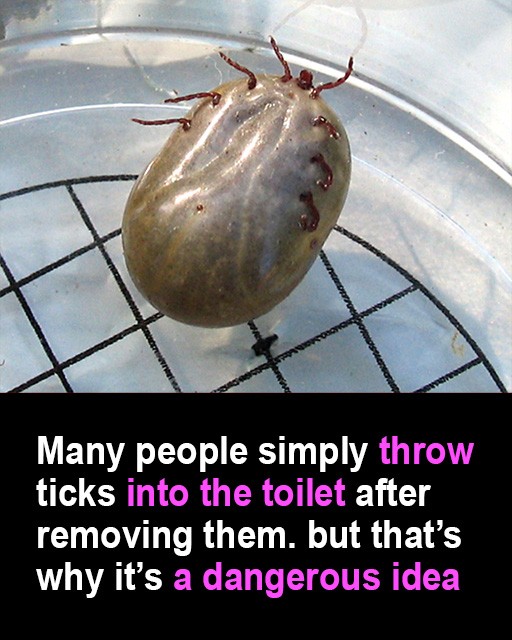
- Can ticks be killed by flushing them down the toilet?
- Ticks are resilient; disposal in alcohol or a sealed bag is more reliable for killing them and preventing accidental re-exposure.
Societal and Environmental Influences on Tick-Borne Illnesses
Climate change and expanding habitats for both ticks and their wildlife hosts have contributed to a rise in tick-borne disease cases. Increased awareness campaigns in North America, Europe, and parts of Asia aim to educate communities about tick bite prevention and safe removal methods. Outdoor recreationists, workers, and pet owners are particularly targeted in these campaigns due to their higher risk of exposure.
Tick Safety for the Family and the Community
Teaching children and adults alike about ticks and proper response enhances community resilience. Schools, summer camps, and community groups can include tick awareness in safety training, while local health providers and veterinarians can reinforce these messages during routine visits.

Conclusion: Key Takeaways for Tick Removal Safety
Tick bites are preventable and manageable with prompt, careful action. Always avoid grabbing ticks with fingers or removing them hastily; instead, use fine-tipped tweezers, pull gently and steadily, and practice thorough aftercare. Recognizing symptoms early and seeking medical attention when necessary further reduces the risk of serious complications from tick-borne illnesses.
As public awareness grows and scientific understanding advances, communities can better protect themselves through sound methods, evidence-based recommendations, and ongoing education.
Sources
- CDC – How to Remove a Tick
- World Health Organization – Ticks and Prevention
- Mayo Clinic – Tick Removal Tips
- Reuters
- BBC News
- The Guardian
Disclaimer: This content is intended for entertainment purposes only and is not based on real events.