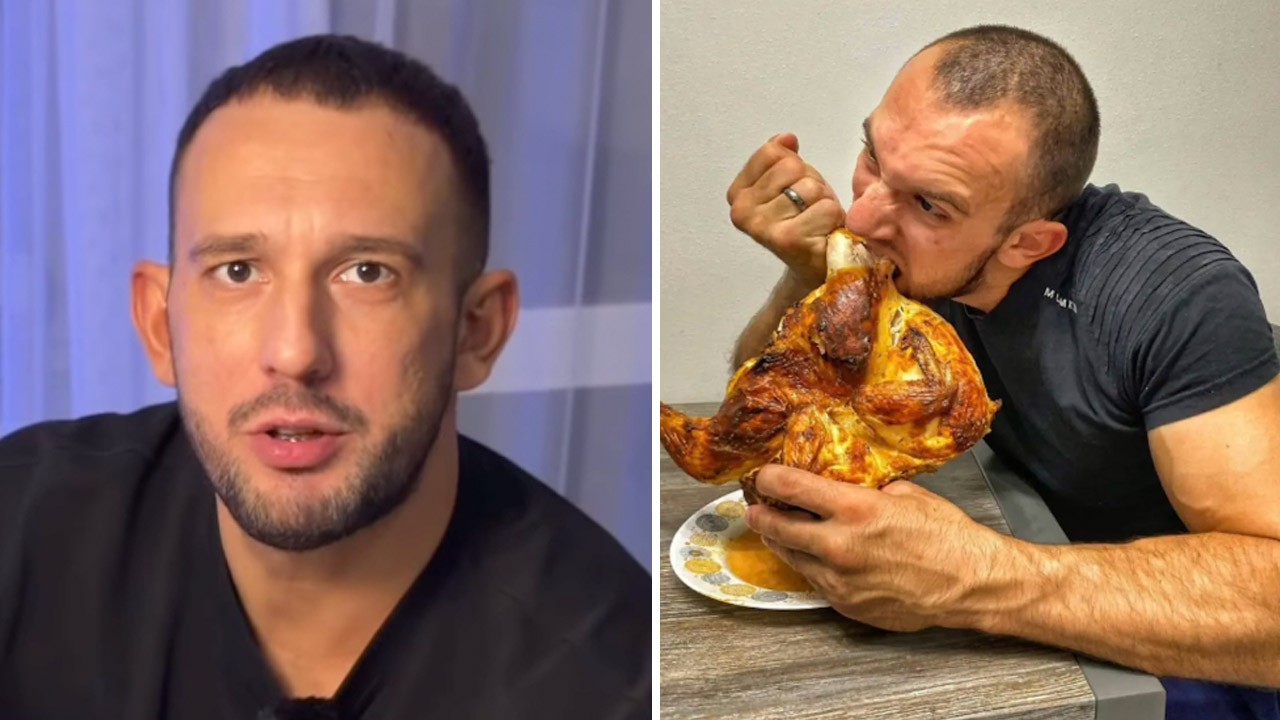
Fitness Influencer Dmitry Nuyanzin Dies After Extreme 10,000-Calorie Challenge
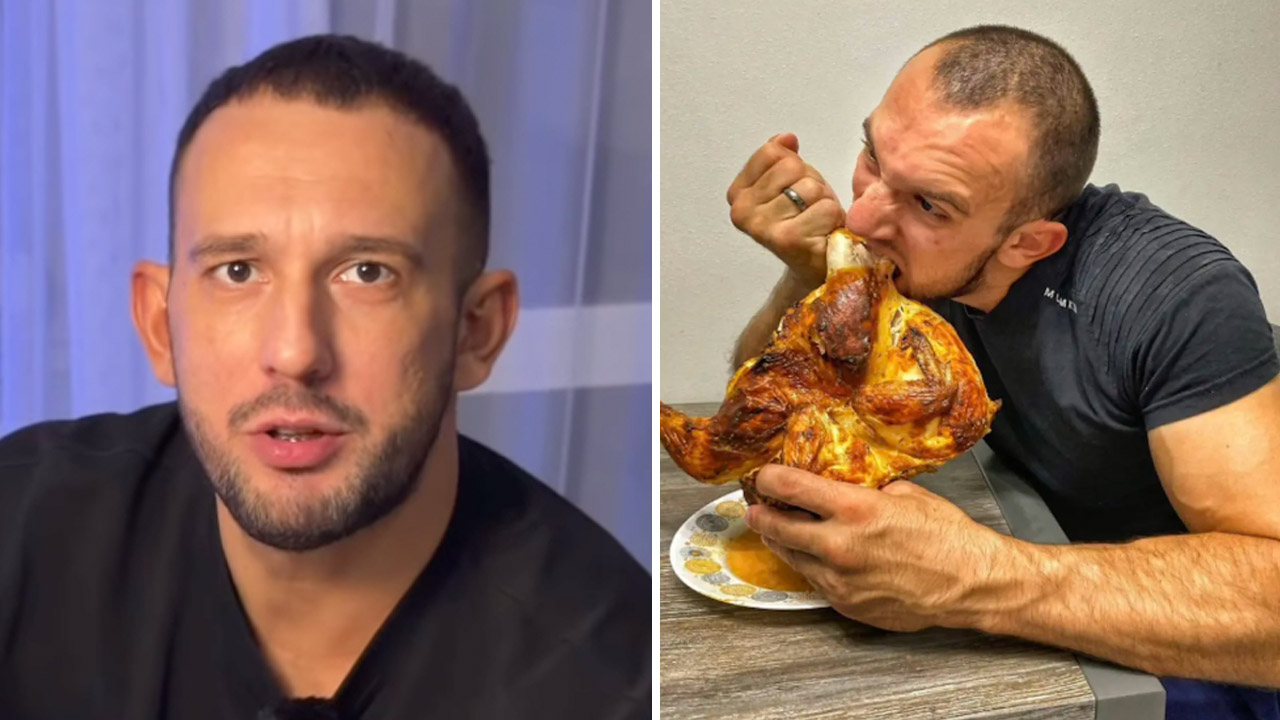
Fitness influencer Dmitry Nuyanzin’s sudden death has sparked international discussion about extreme dieting challenges and their health risks, especially after consuming 10,000 calories daily as part of a public weight transformation project.
Background: The Rise of Dmitry Nuyanzin
Dmitry Nuyanzin, aged 30, was a well-known fitness influencer with over 43,000 followers on Instagram. His online presence was built on showing rapid transformations, offering guidance on building healthy habits, and promoting fitness courses. The influencer’s most recent project aimed to capture attention by deliberately gaining substantial weight, then embarking on a dramatic weight loss journey shared in real time with his audience.
To kick off his course, Nuyanzin announced, “Friends! My WEIGHT LOSS COURSE is starting very soon, where you can win awesome prizes and, most importantly, build a beautiful body, learn how to eat well, and enjoy working out! I’ll be losing weight with my students, so it’ll be doubly exciting!”
The Extreme Challenge: 10,000-Calorie Diet
Nuyanzin outlined his daily eating routine in an Instagram post: “I am currently gaining weight for my weight-loss course, and this is my 10,000-calorie diet. For breakfast, I have a plate of pastries and half a cake. For lunch, I usually eat 800 grams of dumplings with mayonnaise. During the day, I may snack on crisps, and for dinner, I have a burger and two small pizzas, either at a café or delivered.”
This regimen equates to approximately four times the recommended daily calorie intake for men, according to nutritional guidelines from the Mayo Clinic and Centers for Disease Control and Prevention (CDC). These guidelines recommend approximately 2,500 calories daily for an average adult male—10,000 calories is considered excessive and potentially dangerous for most individuals without specific medical supervision.
Documenting His Journey
Nuyanzin maintained consistent updates for his followers, sharing images and motivation throughout the challenge. His final Instagram post in 2025 featured a bag of chips and a caption, “I wanted it, and I got it!” This approach reflected a broader trend among influencers to engage in extreme or sensational fitness projects to generate content and follower engagement.
Fitness influencers often drive challenges or experiments online, seeking to demonstrate the power of their fitness methodologies. However, experts have cautioned that such extremes, presented without medical advice or context, may have unintended consequences for both influencers themselves and their followers who may attempt to replicate them.
Tragic Outcome: Nuyanzin’s Sudden Death
A little over a month into his experiment, Nuyanzin began feeling unwell and canceled multiple workout appointments. According to Ostorozhno Novosti, a Russian news outlet, he suffered cardiac arrest while sleeping. The incident was shared by the news channel in November 2025, confirming his death and prompting condolences from followers and health professionals worldwide.
Reaction from Followers and Society
Nuyanzin’s passing was met with shock and sadness among his followers. Many took to social media to express condolences and reflect on the risks of extreme dieting. One follower commented, “It is better to prove such theories not in practice. Rest in peace.” Another noted, “If you’re not used to junky fries, fast food, it will indeed make you sick,” while a third remarked, “Well, if ever there was a cautionary tale, then this has to be it.”
This tragedy serves as a cautionary tale for the influencer community and the broader public about the health risks embedded in extreme diet and fitness experiments.
Understanding the Health Risks of Extreme Overeating
The 10,000-calorie challenge posed significant risks. According to the British Heart Foundation, excess weight and dramatically high calorie intake increase the likelihood of fatty material building up in arteries (atherosclerosis), raising the risk for high blood pressure, high cholesterol, and type 2 diabetes—all of which are risk factors for heart disease. They caution, “If the arteries supplying blood to your heart become damaged and blocked, it could result in a heart attack. If this occurs in the arteries supplying blood to your brain, it could lead to a stroke or vascular dementia.”
While official reports do not explicitly link Nuyanzin’s cardiac arrest to his extreme diet, experts agree that sudden and sustained overeating—particularly of foods high in saturated fats, processed sugars, and sodium—places considerable stress on the cardiovascular system. Rapid weight gain can also impact organ function, hormone regulation, insulin sensitivity, and overall metabolic health.
Expert Opinions on Extreme Fitness Challenges
Medical professionals repeatedly warn against the risks posed by extreme dieting and fitness challenges, especially when promoted by influencers with thousands of followers. Dr. Sarah Johnson, a cardiologist with the Mayo Clinic, states, “Engaging in excessive caloric intake, particularly in a short time frame, can overwhelm the body’s systems and lead to acute health crises such as cardiac events, even in otherwise healthy young adults.”
Experts recommend that any significant dietary or fitness changes should be planned with input from qualified health professionals, including regular check-ups and consideration of personal health history. Following public health guidelines, maintaining balanced nutrition and exercise routines, and avoiding extremes are key for long-term wellness.
Dr. Michael Evans, nutrition researcher at the CDC, adds, “Social media can be a powerful tool for positive health promotion, but it can also spread risky behaviors. Influencers must recognize their responsibility to guide their followers in evidence-based, safe practices. Extreme challenges may generate attention, but the consequences can be irreversible.”
The Role of Social Media Influencers in Public Health
The tragic case of Dmitry Nuyanzin highlights the growing influence of social media personalities on health choices. According to studies published in The Guardian and Reuters, the imitation effect—where followers replicate behaviors shown by influencers—can lead to both positive and negative outcomes. When influencers promote responsible, researched health challenges, they can encourage community support and healthy habits. However, sensational or extreme tactics may unintentionally put followers at risk.
Organizations such as the World Health Organization (WHO) advise individuals to seek information and guidance from reputable medical sources, and caution against following extreme trends without understanding the health implications. Social media platforms increasingly work toward flagging risky or misleading content, but responsibility ultimately rests with content creators.
International Response and Discussion
Nuyanzin’s death has prompted concern and analysis among health officials, influencers, and social media communities worldwide. International outlets like BBC and Al Jazeera reported on the incident, raising questions about the mechanisms for protecting influencer health and the public. Policy experts are now discussing possible guidelines for influencer challenges—such as required disclaimers, medical supervision, and clearer content warnings.
In Russia and globally, the incident has sparked a movement among fitness professionals, urging followers to focus on slow, sustainable habits rather than extreme transformations. Influencers are increasingly sharing candid insights about mental health, the risks of quick fixes, and the importance of professional support.
Building Awareness: Safeguarding Health in the Age of Social Media
The growing popularity of online fitness and health communities can provide valuable motivation but also carries risks. Nuyanzin’s story underlines the importance of critical thinking and caution regarding extreme dietary or fitness feats. For individuals seeking to improve their health, experts suggest working with registered dietitians, personal trainers, and medical professionals to create personalized, safe plans.
Educational initiatives from organizations such as the CDC, Mayo Clinic, and WHO now aim to counteract misinformation and excessive challenges by providing resources on balanced diets, physical activity, and cardiovascular health.
Conclusion
The story of Dmitry Nuyanzin is a poignant reminder of the serious consequences that can result from extreme dietary and fitness challenges, especially when undertaken for social media engagement. As influencers continue to shape health trends across populations, it is critical to prioritize safety, evidence-based practices, and professional supervision. Nuyanzin’s tragedy fosters ongoing dialogue about the responsible use of social platforms, the risks tied to sensational tactics, and the need for community awareness regarding public health.
Ultimately, fitness and wellness should be approached with respect for the body’s limits, a foundation of scientific knowledge, and genuine empathy—both for oneself and those who may be inspired to follow similar paths.
Sources
- Reuters
- BBC
- Al Jazeera
- The Guardian
- World Health Organization
- Centers for Disease Control and Prevention
- Mayo Clinic
- British Heart Foundation
Disclaimer: This content is intended for entertainment purposes only and is not based on real events.