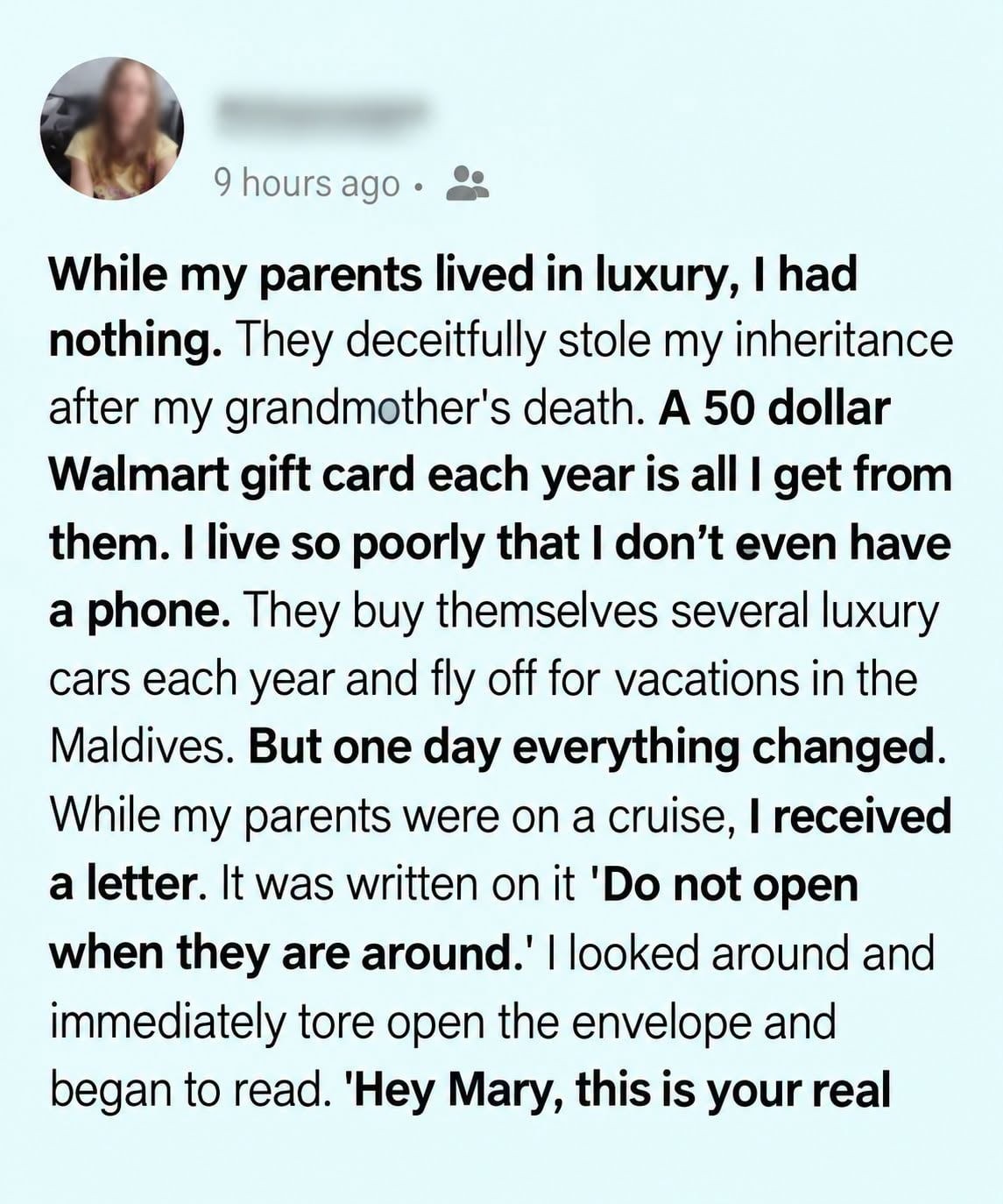
Children of Cheapskate Parents Share Their Horrifying Stories
Introduction: The Invisible Inheritance
Growing up under the influence of our parents goes far deeper than simply acquiring their habits or values. For many, parental behavior shapes not only financial actions but emotional responses—especially when it comes to money. A subset of children around the world have shared what it’s like to be raised by “cheapskate” parents whose extreme thriftiness became a defining (and sometimes suffocating) force in their lives.
In these families, saving money was not merely a responsible practice—it was transformed into a rigid and controlling philosophy. The stories recounted by children raised under such regimes reveal not only comical moments but also instances of genuine psychological distress. This article explores the phenomenon of cheapskate parenting, analyzes its effects, and provides expert and international context to help understand the broader impact.
The Psychology of Extreme Frugality
Most parents teach their children the value of money in one way or another. However, when thrift crosses over into obsession, the consequences can be far-reaching. According to psychologists, many behaviors associated with extreme penny-pinching stem from fear—not necessarily of lacking money, but of inheriting deep-seated anxieties from previous generations. These inherited fears can manifest as actions that seem irrational to those outside the family but are considered normal by those within.
While occasional frugal choices—such as waiting for sales or clipping coupons—are healthy for household budgeting, the stories shared by individuals raised by cheapskate parents often describe behaviors well outside the norm. For example, rationing basic supplies like soap and paper towels, or resorting to covert methods of obtaining free items, such as “borrowing” from salespeople, highlight a level of anxiety and control that extends past simple money-saving strategies.
A Childhood Defined by Savings
Many children brought up in such households describe money-saving measures that bordered on the extreme. Inheritances, instead of being distributed or invested, were quietly pocketed and rarely discussed. Gift-giving, celebrations, and even essential purchases were scrutinized, with love and approval often expressed through frugality rather than generosity. Instead of sharing warmth and joy through occasions or simple family moments, affection was measured in discounts, coupons, and painstakingly calculated returns.
These lessons, often imparted with good intentions, created an atmosphere of scarcity rather than abundance. Children recall parents rationing products as though they were wartime commodities, hiding away supplies to prevent “waste,” and closely monitoring household spending. For some, these measures felt less like financial discipline and more like a system of control—one where financial freedom was tightly constrained.
Family Dynamics and Emotional Impact
While some children reflect on these stories with humor, many reveal that the long-term effects were more serious. Psychologists point out that repeated exposure to extreme thriftiness can foster an unhealthy relationship with money, one marked by anxiety, guilt, or reluctance to spend. In severe cases, children may carry these fears into adulthood, affecting their ability to enjoy life’s pleasures or make sound financial decisions.
In families where thriftiness became a substitute for emotional openness, relationships often suffered. Children noted that love and affection were “measured in coupons and control,” leading to feelings of emotional scarcity. Everyday luxuries—such as a family picnic, a small treat, or buying necessary items—became sources of conflict rather than bonding. In some cases, the emotional reserve created by these dynamics even contributed to estrangement between family members.
Expert Views: Understanding the Roots and Consequences
Mental health professionals and financial educators agree that teaching children about managing money is crucial. However, when lessons are grounded in anxiety and control, they can backfire, fostering attitudes of resentment or fear. According to Psychology Today, the roots of cheapskate behavior often lie in childhood experiences, economic instability, or reactions to financial trauma. If a parent grew up in poverty or witnessed deprivation, their adult behaviors may be shaped by a strong desire to prevent history from repeating itself.
Experts also highlight the importance of balance. While budgeting is necessary for financial health, children need to learn not only how to save but also how to enjoy their resources responsibly. Financial education should include lessons in generosity, self-care, and the joy of shared experiences. Practicing moderation teaches children confidence and security, rather than insecurity and fear.
Societal and International Perspectives
Extreme frugality is not unique to one culture or country. Societies emerging from periods of economic struggle—such as post-war Europe, the Great Depression era in North America, or countries affected by political instability—often possess distinct thrift traditions. While these customs can help families weather hard times, they sometimes linger long after recovery, shaping attitudes and behaviors for generations.
As global economies become more interconnected, generational shifts in attitudes toward spending are emerging. Younger generations frequently express a desire for work-life balance, enjoyment, and meaningful experiences, sometimes in contrast to their parents’ more cautious approach. Platforms like Reddit and numerous parenting forums have become spaces for sharing and reflecting on childhood experiences with cheapskate parents. Internationally, documentaries and news outlets have examined the psychological impact of extreme thrift, sparking conversations about how to break the cycle and foster healthier financial relationships within families.
The Turning Point: An Envelope and a Hidden Fort
One story recounted by a child of cheapskate parents captures both the emotional tension and the hope for change. After years of living under strict financial rules, the arrival of a single envelope marked a turning point. With four words written on its front, it symbolized a shift in parental perspective—a sign that saving money could be about empowerment rather than deprivation. It also hinted at a father’s desire to protect and provide, challenging the assumption that frugality equates to love through control.
This story, along with others, serves as a reminder that even deeply rooted habits can change. Children who struggled with feeling suffocated by thrift found ways to reclaim their autonomy, seek balance, and express love more openly. While some parents remain steadfast in their ways, many families are finding new strategies to teach savings without imposing fear or restriction.
Strategies for Breaking the Cycle
For those who grew up in cheapskate households, developing a healthy relationship with money often requires intentional effort. Financial educators recommend several strategies:
- Open Communication: Talking openly about money, sharing decisions, and discussing emotions helps break the taboo and encourages understanding.
- Balanced Spending: Practicing moderation, setting budgets for fun as well as necessity, teaches children to value both savings and enjoyment.
- Therapeutic Support: Seeking professional help to address anxiety or trauma related to money can be transformative for individuals and families alike.
- Education: Learning about financial health, generosity, and emotional resilience fosters confidence and long-term security.
In many families, breaking the cycle of extreme thrift has led to newfound freedom, closeness, and happiness. By reimagining financial lessons, parents can impart wisdom without fear, and children can grow into financially responsible—yet emotionally healthy—adults.
Conclusion: Money, Memories, and the Meaning of Love
Stories from children of cheapskate parents reveal that thrift, when practiced in moderation, can be a source of strength and security. When taken to extremes, however, it can cause emotional distress and create lasting challenges for children. The balance lies in teaching responsibility without instilling fear, and finding ways to express love that transcend financial decisions.
The envelope and the hidden fort, like many other stories, symbolize hope: the possibility that habits can change, anxiety can fade, and families can grow. As society continues to discuss and redefine the meaning of saving, spending, and loving, the voices of those raised under cheapskate traditions offer unique insight—and encouragement—for a healthier financial and emotional future.
Sources
Disclaimer: This content is intended for entertainment purposes only and is not based on real events.