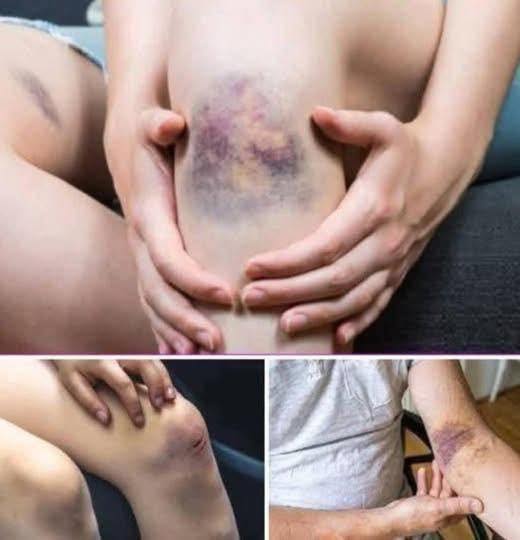
Almost everyone experiences a bruise from time to time. Whether it’s from bumping into furniture, participating in sports, or minor everyday accidents, bruises are a common part of life.
In most cases, they gradually fade on their own over one to two weeks without requiring medical treatment.
However, if a bruise lasts much longer than expected, appears without an obvious cause, or is accompanied by unusual symptoms, it may be worth discussing with a healthcare professional.
Understanding how bruises form and knowing when they deserve attention can help you make informed decisions about your health.
What Causes a Bruise?
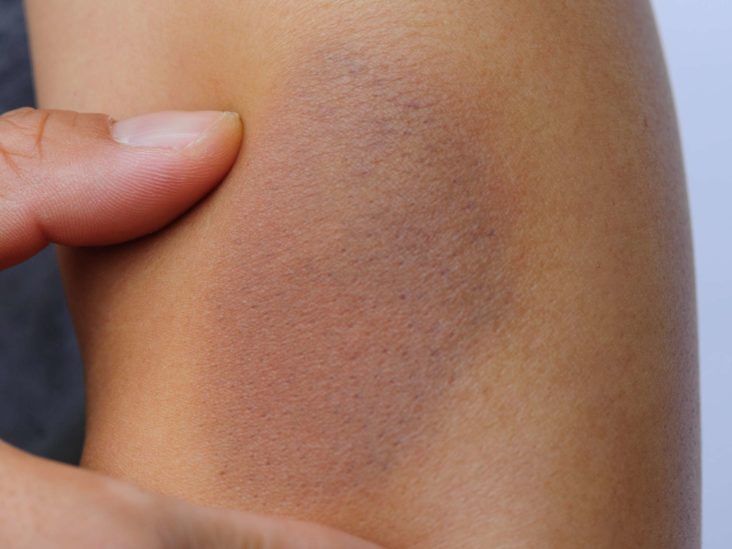
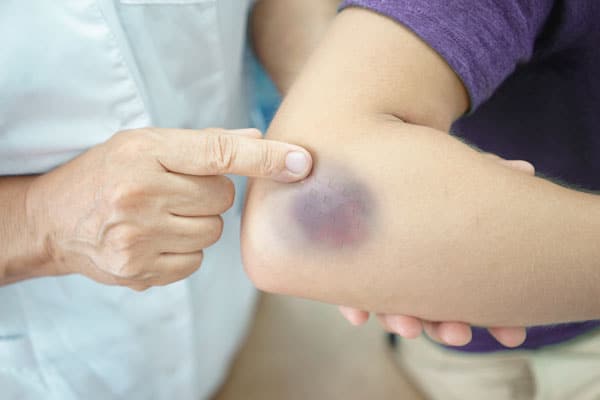
A bruise, also known as a contusion, develops when tiny blood vessels called capillaries break beneath the skin.
Instead of leaving the body, a small amount of blood collects under the skin, creating the familiar discoloration.
Common causes include:
- Minor bumps or falls
- Sports injuries
- Pressure from an object
- Certain medical procedures
Even relatively mild impacts can cause bruising, especially in people with more delicate skin or fragile blood vessels.
Why Do Bruises Change Color?
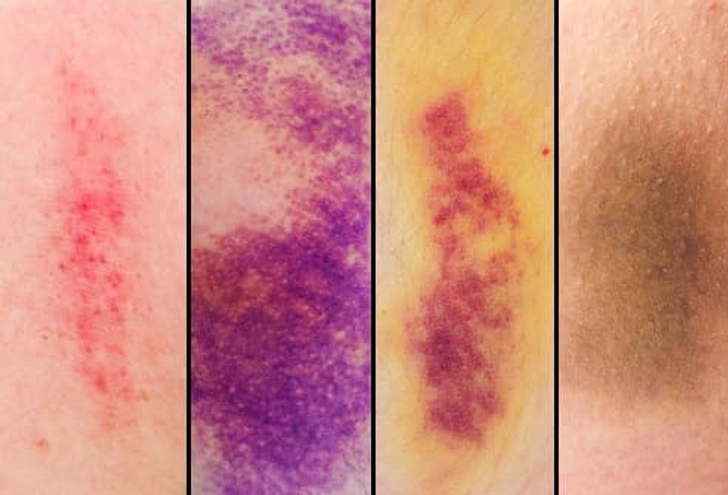
As the body gradually clears away the trapped blood, bruises typically change color.
A bruise may progress through several shades, including:
- Red or purple shortly after the injury
- Blue or dark purple
- Green
- Yellow or brown
- Gradual return to normal skin color
These color changes are a normal part of the healing process.
How Long Should a Bruise Last?
Most uncomplicated bruises improve significantly within one to two weeks.
Larger bruises or those caused by more substantial injuries may take slightly longer to fade.
The exact healing time depends on factors such as:
- The size of the bruise
- Its location
- Age
- Overall health
- Certain medications
When Should You Pay Closer Attention?
While many bruises are harmless, persistent or unexplained bruising may sometimes indicate an underlying health issue.
Consider seeking medical advice if you notice:
- Bruises that last longer than two weeks without improvement
- Frequent bruises with no clear injury
- Multiple bruises appearing repeatedly
- Large bruises after very minor bumps
- Bruises accompanied by significant swelling or increasing pain
- Other unusual bleeding symptoms, such as frequent nosebleeds or bleeding gums
These symptoms do not necessarily indicate a serious condition, but they deserve professional evaluation.
Medications Can Increase Bruising
Several commonly used medications may make bruising more likely by affecting the body’s ability to form blood clots.
Examples include:
- Blood-thinning medications
- Antiplatelet medicines
- Aspirin
- Some anti-inflammatory medications
People taking these medications often notice that bruises develop more easily or take longer to resolve.
Never stop taking prescribed medication without first consulting your healthcare provider.
Other Possible Factors
Bruising can also become more common due to a variety of health and lifestyle factors.
These may include:
- Age-related thinning of the skin
- Vitamin deficiencies
- Pregnancy-related changes
- Certain liver conditions
- Platelet disorders
- Inherited bleeding disorders
Only a healthcare professional can determine whether additional testing is appropriate based on your symptoms and medical history.
Can Persistent Bruising Indicate an Underlying Condition?
In some cases, frequent or unexplained bruising may be associated with conditions affecting blood clotting or platelet function.
Less commonly, persistent bruising may be one of several symptoms seen in certain blood disorders.
However, bruising alone is not enough to diagnose any specific disease, and most persistent bruises are not caused by serious illnesses.
A thorough medical evaluation may include:
- Physical examination
- Review of medications
- Blood tests
- Assessment of personal and family medical history
Early evaluation helps identify the cause and determine whether treatment is needed.
Caring for a Typical Bruise at Home
For uncomplicated bruises caused by minor injuries, home care may help improve comfort.
General recommendations include:
- Applying a cold pack during the first 24 to 48 hours
- Elevating the injured area when possible
- Resting the affected body part
- Switching to gentle warmth after the first couple of days if recommended by a healthcare professional
- Using over-the-counter pain relief when appropriate and as directed
If pain becomes severe or swelling continues to increase, medical assessment is advisable.
Protecting Your Skin
Although bruises cannot always be prevented, some simple habits may help reduce the risk:
- Wear appropriate protective equipment during sports.
- Keep living spaces free of tripping hazards.
- Maintain a balanced diet that supports healthy skin and blood vessels.
- Review medications regularly with your healthcare provider.
Small lifestyle adjustments can contribute to overall health and reduce accidental injuries.
Conclusion
Most bruises are a normal response to minor injuries and heal naturally within a couple of weeks. Their changing colors reflect the body’s remarkable ability to repair itself over time. However, bruises that appear frequently, persist longer than expected, or occur without an obvious cause should not be ignored.
Seeking medical advice when something seems unusual can provide reassurance and, if necessary, allow underlying conditions to be identified and managed early. Paying attention to changes in your body is an important part of maintaining long-term health.
Human curiosity often begins with noticing small differences, and even a common bruise can remind us of the complex ways the body protects and heals itself.
Sources
- World Health Organization (WHO). Patient Safety and Primary Health Care.
- Mayo Clinic. Bruises (Ecchymosis): Symptoms and Causes.
- Cleveland Clinic. Bruises (Contusions): Causes, Symptoms, and Treatment.
- MedlinePlus (U.S. National Library of Medicine). Bruises.
- American Society of Hematology. Understanding Platelets and Bleeding Disorders.