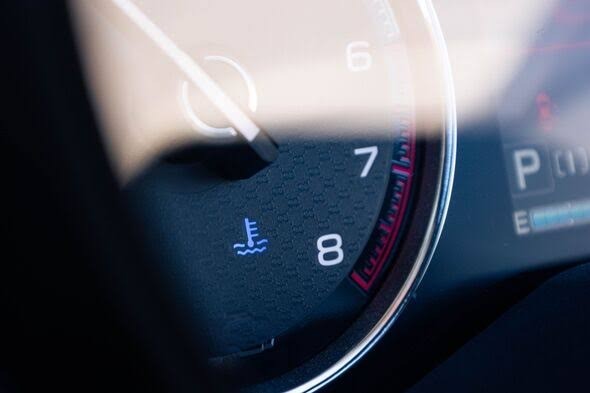
What Is the ‘Boat-Like’ Symbol?
Modern vehicles are equipped with a wide array of dashboard warning lights, but few are as frequently misunderstood as the so-called “boat-like” symbol. Often mistaken for a small boat or a thermometer in water, this warning icon is critical for driver safety and vehicle reliability. Understanding its true meaning and how to respond when it appears can help prevent severe engine damage and costly repairs. This article explores the history, function, and significance of this symbol, why so many drivers misinterpret it, and offers practical advice for safe and responsible reactions.
Understanding the ‘Boat-Like’ Dashboard Warning Symbol
The “boat-like” symbol on your dashboard actually depicts a thermometer dipped in wavy lines, intended to represent rising heat in a liquid. Although design confusions abound, its purpose is clear: it warns that the engine is overheating due to rising coolant temperature. The warning light is part of your car’s critical engine cooling system monitoring. Ignoring it can have serious consequences, turning a manageable issue into catastrophic engine failure costing thousands of dollars to fix.
As Eden Motor Group advises, “If the light is red, pull over immediately and turn off the engine.” This symbol is not one to ignore or misinterpret—recognizing it promptly is essential for vehicle safety.
Origins and Ongoing Confusion Around the Symbol
The proliferation of dashboard symbols and an increasingly digital driving environment have contributed to ongoing confusion over the “boat-like” warning. On social media platforms such as X (formerly Twitter), drivers frequently post images of this icon, sometimes with tongue-in-cheek questions such as, “What does this light mean?” Humorous responses like “smooth sailing” or “pirates approaching” demonstrate how little many drivers understand about this crucial safety warning.

This confusion is not simply a matter of unfamiliarity; it reveals a gap in driver education as dashboard technology continues to evolve. As cars become more technologically advanced, the need for drivers to stay informed about their vehicle’s systems increases in tandem.
Technical Details: What Triggers the Warning Light?
Officially referred to as the engine cooling warning light, the “boat-like” icon is activated whenever the engine’s temperature exceeds safe operating limits. This is typically detected by a temperature sensor within the engine’s cooling system. If the sensor detects that coolant temperatures are rising to dangerous levels, it triggers the symbol on your dashboard.
Common Causes for the Light to Illuminate
Understanding the causes that lead to this warning can help drivers take preventive action and respond appropriately when the light appears. The most common issues include:
- Coolant Loss: A leak in the radiator, hoses, or the reservoir can result in insufficient coolant, reducing the system’s efficiency in removing heat from the engine.
- Sensor Fault: Electrical or mechanical faults in the temperature sensor can cause false alerts, though genuine overheating must always be ruled out first.
- Blocked Radiator: Accumulated dirt, debris, or corrosion in the radiator can prevent proper coolant flow, causing the engine to overheat quickly.
Immediate Steps to Take When the Warning Light Activates
When confronted with the engine cooling warning, swift and correct action is crucial. Neglecting even minor issues can escalate rapidly. Here’s a step-by-step guide:
- Safely Pull Over: As soon as it is safe, stop your car and switch off the engine. Continuing to drive can seriously damage crucial engine components.
- Check Coolant Levels: Allow the engine to cool completely before carefully opening the hood. Examine the coolant reservoir; if levels are below recommended minimums, this may be the cause of the alert.
- Inspect for Leaks: Look under the vehicle and around the engine compartment for visible coolant leaks. Any puddle or dripping fluid likely indicates a leak which needs immediate attention.
- Seek Expert Help: If the problem cannot be quickly resolved, or if leaks or persistent overheating are detected, contact a mechanic for professional diagnosis and repair.

Why Do Drivers Struggle With Dashboard Symbols?
The complexity of modern vehicles presents an ongoing challenge for many motorists. According to Raul Arbelaez, Vice President of the Insurance Institute for Highway Safety (IIHS), “Drivers often don’t understand the highly complex devices they’re operating.”
In previous decades, dashboard warnings were much more straightforward. For example, the “red jewel” warning light in the 1933 Hudson served only to signal a problem with the battery or generator. Over the years, as vehicle technology has expanded, so too has the number of potential alerts and symptoms to monitor, making it harder for drivers to keep pace.
The Dangers of Ignoring the Engine Cooling Warning Light
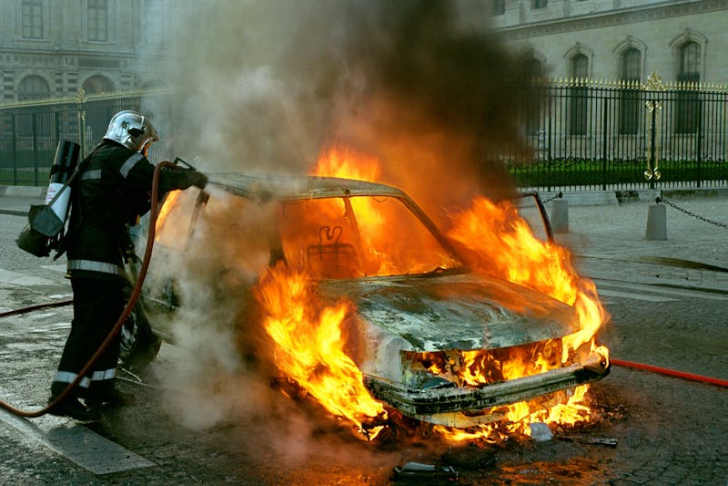
Ignoring this particular dashboard symbol can lead to severe and irreversible engine damage. If the engine continues to run at an excessively high temperature, components such as cylinder heads and gaskets can warp or even crack due to thermal stress. In extreme cases, the entire engine may seize or fail, necessitating a full engine replacement at significant cost.
- Engine Overheating: Persistent overheating can cause deformation or cracking of engine parts, including head gaskets and pistons, leading to loss of compression and engine functionality.
- Expensive Repairs: Once the engine has sustained heat-related damage, repairs often mean total engine replacement or substantial rebuild—the costs often run into thousands of dollars.

The Knowledge Gap: Why Drivers Don’t Recognize the Symbol
Despite extensive advancements in automotive safety, studies reveal that many drivers remain uninformed about key dashboard indicators. In a survey conducted by ATS Euromaster, up to 80% of drivers could not correctly identify the “boat-like” symbol as an engine cooling warning.
This lack of awareness often arises from a failure to read the vehicle owner’s manual or engage in basic car maintenance education. As vehicles become more sophisticated and reliant upon electronic systems for monitoring and communication, not knowing these basic symbols can expose drivers to greater risk of sudden breakdowns or even accidents.

Bridging the Knowledge Gap: What Can Be Done?
Automakers are aware of this widespread confusion and are working to improve dashboard communication. Many modern cars feature clearer, more intuitive warning symbols, as well as supplementary on-screen messages explaining the issue in plain language. Some manufacturers integrate audio or vibration-based alerts to draw more immediate attention to critical issues.
Nevertheless, the ultimate responsibility for recognizing and acting upon these warnings lies with drivers themselves. Regularly reviewing your car’s owner’s manual and attending to scheduled maintenance is vital. Educational initiatives, from professional driving courses to automotive safety campaigns, can further help bridge the knowledge gap and encourage safer behavior on the road.
As technology continues to advance, so too should drivers’ commitment to understanding their vehicles and the safety features therein.
Conclusion
The so-called “boat-like” dashboard warning symbol is far more than an object of lighthearted social media debate. It is a critical alert designed to protect your vehicle from catastrophic or expensive engine damage. Understanding its real meaning as the engine cooling warning light—and responding swiftly and appropriately—can save both money and lives.
As vehicle technology continues to evolve, so does the responsibility of drivers to remain informed. It’s more than just about preventing inconvenience: it’s about ensuring your safety, the reliability of your vehicle, and peace of mind behind the wheel. Next time this iconic dashboard symbol illuminates, remember: it’s not signaling “smooth sailing,” but an urgent call to action for your engine’s wellbeing.
Sources
- BBC News – Dashboard Warning Lights Explained
- Reuters – Why Drivers Misunderstand Dashboard Symbols
- The Guardian – What Do Your Car Symbols Really Mean?
- National Highway Traffic Safety Administration (NHTSA)
- AA Driving Advice – Car Warning Lights
Disclaimer: This content is intended for entertainment purposes only and is not based on real events.