10 of the Most Dangerous Foods Around the World and Why People Still Eat Them
For many of us, food represents pleasure, nourishment, and cultural tradition. Yet in some parts of the world, consuming certain foods involves tangible risks to health and even life. Despite these dangers, millions of people continue to prepare and consume some of the world’s most hazardous delicacies daily—either out of necessity, cultural tradition, or the thrill of the experience. In this article, we explore ten of the world’s most dangerous foods and the reasons behind their continued consumption.
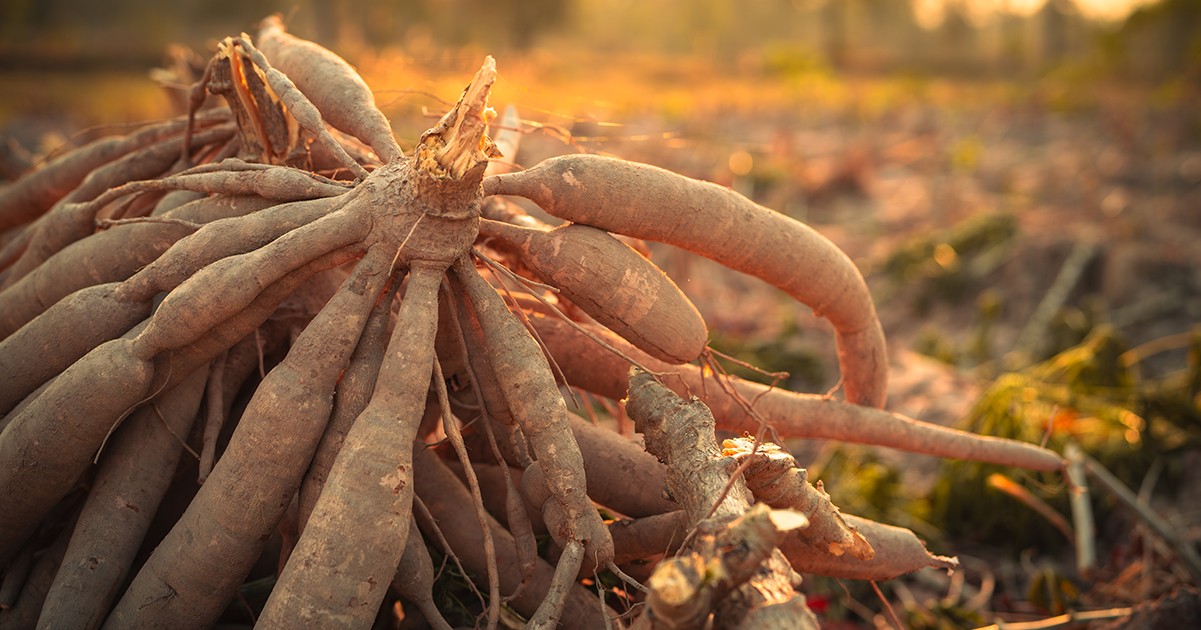
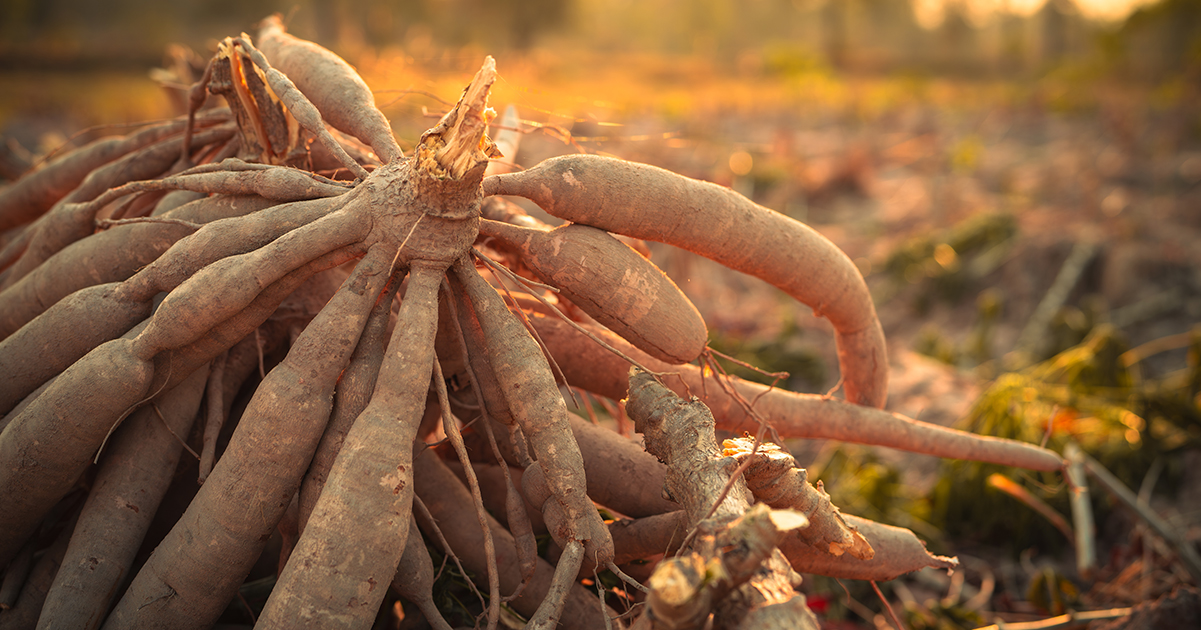
Cassava: The Cyanide-Laced Staple
Cassava, also known as manioc or yuca, is a carbohydrate-rich root vegetable native to South America but now widely grown across Africa and Asia. It plays a crucial role as a staple food for over 800 million people in more than 80 countries due to its drought resistance and adaptability to poor soils.
However, both the roots and leaves of cassava contain cyanogenic glycosides, which can release hydrogen cyanide if not properly processed. Consuming raw or improperly prepared cassava can result in acute cyanide poisoning, leading to symptoms such as headache, vomiting, goiters, paralysis, and potentially death. Chronic exposure may cause long-term neurological problems and thyroid disorders.
The World Health Organization (WHO) estimates around 200 deaths worldwide per year from cassava poisoning, making it one of the deadliest foods globally. For the populations that depend on cassava, proper preparation is vital. Methods such as prolonged soaking, fermentation, drying, and boiling help reduce cyanide content to safe levels, making cassava a secure food for daily consumption. For many, cassava is less a choice than a lifeline for their survival.
Fugu: The Deadly Japanese Delicacy
In Japan, fugu, or pufferfish, is considered a delicacy requiring masterful preparation. Fugu contains tetrodotoxin, a potent neurotoxin that is 200 times more lethal than cyanide, according to the BBC. The toxin is primarily concentrated in the liver, ovaries, and intestines, and even the tiniest mistake in preparation can be fatal. Tetrodotoxin acts rapidly, causing numbness, muscle paralysis, respiratory failure, and, without intervention, death. What makes tetrodotoxin especially insidious is that victims remain conscious until the end—there is no known antidote.
The Japanese Ministry of Health reports approximately 50 fugu poisonings per year, mainly affecting unlicensed individuals or amateur fishers. Official restaurant chefs undergo rigorous and lengthy training before being licensed to prepare this dish. The allure of fugu is not only its rareness and delicate flavor but also the element of risk associated with safely enjoying it—a risk strictly regulated by Japanese authorities in order to protect public health.
Starfruit: Hidden Dangers for Kidney Patients
Starfruit, also known as carambola, is notable for its star-shaped cross sections and its sweet-tart flavor, popular in many tropical regions. For most individuals, starfruit is both safe and nutritious, rich in vitamin C, potassium, antioxidants, and fiber. However, for people suffering from chronic kidney disease, starfruit poses significant health risks.
The fruit contains neurotoxins that healthy kidneys can process, but those with impaired renal function can accumulate dangerous levels. According to WebMD, symptoms of starfruit poisoning include hiccups, vomiting, confusion, neurological dysfunctions like seizures, and in some cases, death. Those with healthy kidneys can enjoy the nutritional benefits of starfruit without issue, but people with kidney disease are strongly advised to avoid it entirely.
Cherry Pits and Apple Seeds: Sweet Treats with a Deadly Core
Fruits such as cherries, apricots, peaches, and apples often contain seeds or pits packed with the compound amygdalin. When chewed or crushed, amygdalin breaks down into hydrogen cyanide—a highly poisonous substance. Ingestion of small quantities is usually harmless; swallowing a whole pit usually poses no health risk due to the hard outer shell. However, consuming many crushed seeds or pits at once can result in symptoms such as dizziness, headache, nausea, difficulty breathing, and, in rare cases, fatal poisoning.
To enjoy these fruits safely, always avoid biting into or crushing the seeds or pits. The flesh remains perfectly safe to eat and is highly nutritious when consumed with caution.
Green Potatoes: The Toxic Side of a Common Vegetable
Potatoes left in light or damaged during storage can turn green due to increased chlorophyll production. While chlorophyll itself is harmless, this green coloration often indicates the presence of solanine, a glycoalkaloid toxin. High levels of solanine may cause gastrointestinal and neurological symptoms, including nausea, vomiting, diarrhea, confusion, or, in extreme cases, paralysis and coma.
According to Healthline, cases of solanine poisoning are rare but possible if green or sprouting potatoes are eaten in large amounts. The risk is mitigated if you peel and discard any green or sprouting potatoes. Cooking does not destroy solanine, so prevention is key.
Raw Cashews: Nutty by Nature but Not by Design
Raw cashews are covered in urushiol, the same irritating chemical found in poison ivy and poison oak. Contact or ingestion of untreated raw cashews can cause severe allergic skin reactions—itching, swelling, and burning sensations, as described by Healthline.
The cashews marketed as “raw” in stores have actually undergone steaming or roasting to remove the urushiol compound, rendering them safe to eat. Consumers should never attempt to process cashews in the shell themselves. An interesting fact: mango peels also contain urushiol, so sensitive individuals should take care.
Nutmeg: The Spicy Hallucinogen
Nutmeg is cherished for its warm, spicy flavor in sweet and savory dishes. However, in large doses, nutmeg contains myristicin, a psychoactive compound that can lead to severe symptoms. As little as two teaspoons can induce hallucinations, nausea, increased heart rate, dizziness, and seizures. In very rare cases, psychosis has been reported to last for several months, according to a Delish article referencing medical studies.
While culinary use is completely safe and has no negative effects, deliberate overconsumption can lead to hospitalization. Nutmeg’s psychoactive properties have even led to dangerous social media trends, underlining the importance of moderation and public awareness.
Wild Mushrooms: Fatal Fungi Lurking in Nature
Gathering wild mushrooms is a popular tradition across many cultures, but it comes with serious hazards. Some mushrooms, such as the Death Cap (Amanita phalloides), contain toxins that damage the liver and kidneys, often leading to organ failure and death. A well-documented historical case involved the death of Pope Clement VII in 1534 after consuming poisoned mushrooms.
According to Britannica, only a small fraction of the estimated 70-80 poisonous mushroom species are lethal, but the danger is compounded by their close resemblance to edible types. Mushroom foraging should only be attempted by trained specialists, with most food safety organizations recommending store-bought varieties for the general public.
Rhubarb Leaves: Sweet but Deadly Plant Parts
Rhubarb stalks are a tart, vitamin-rich addition to desserts and preserves. Yet, the leaves of the rhubarb plant contain high concentrations of oxalic acid—a natural toxin that, in large amounts, can cause breathing difficulties, convulsions, kidney damage, and even death.
While the attractive pink stems are completely safe when properly cooked, the leaves should always be discarded and never ingested. Consumption of the stalks provides vitamin K, vitamin C, and antioxidants, supporting a healthy diet when the hazardous parts are avoided.
Raw Kidney Beans: Deadly Beans in the Kitchen
Kidney beans are a staple of many international cuisines, but when consumed raw or undercooked, they contain high levels of phytohaemagglutinin—a lectin protein that can cause severe gastric distress. Even a small handful of raw beans can trigger vomiting and abdominal cramps within hours.
Boiling kidney beans for at least ten minutes is essential to destroy this toxin. Slow cookers or undercooking beans can exacerbate the problem by not reaching sufficient temperatures. Always soak beans and cook them thoroughly to ensure safety.
Societal and Scientific Perspectives on Food Risks
Throughout history and across cultures, societies have learned to manage the risks associated with dangerous foods through innovation, education, and adaptation. Many of these foods became dietary staples due to necessity, regional abundance, or nutritional value, with culinary traditions developing careful handling and preparation techniques to ensure safety.
Scientific research and public health oversight continue to provide guidance on processing, regulation, and awareness. Governments work alongside food safety organizations to educate the public, reduce unintentional poisonings, and promote safe practices. Internationally, there is a growing appreciation for the complex relationship between food security, cultural heritage, and health risk mitigation.
Ultimately, the line between hazard and delicacy is drawn not only by biology but also by the expertise and traditions of the people involved in their preparation and consumption.
Conclusion
The foods described above occupy a fascinating space in our global diet: simultaneously nourishing, treasured, and perilous. With informed preparation and respect for traditional knowledge, their associated risks can be mitigated. Public education, regulation, and continued scientific research are needed to ensure that when we choose to enjoy these culinary experiences, safety comes first. For most people, being aware of the risks and adhering to safe cooking practices is all that’s needed to turn these potentially lethal foods into safe and delicious meals.
Sources
- World Health Organization (WHO)
- BBC News
- WebMD
- Healthline
- Britannica
- Natural History Museum
- Healthline – Cashews
- Delish
Disclaimer: This content is intended for entertainment purposes only and is not based on real events.