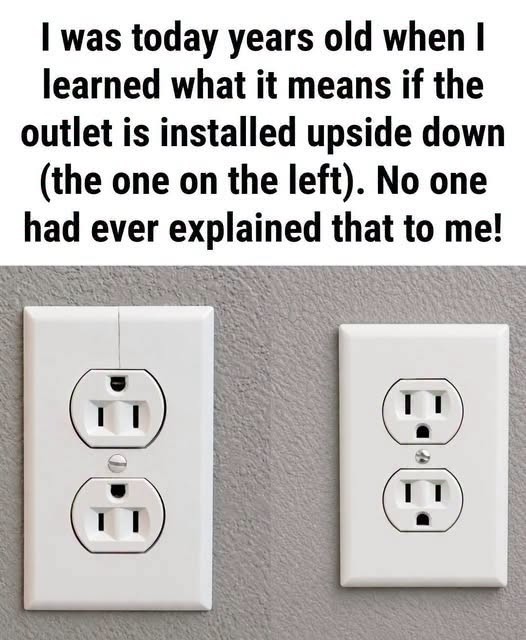
Why Some Wall Outlets Are Installed Upside Down
Introduction: The Curious Case of Upside-Down Wall Outlets
Encountering a wall outlet with the ground hole facing upward can prompt confusion or concern among homeowners and renters. At first glance, it may appear to be an accidental installation or a violation of electrical standards. However, the orientation of wall electrical outlets—especially those installed upside down—is frequently intentional, reflecting practical needs, wiring conventions, and sometimes regional traditions. Understanding the reasoning behind this installation practice provides valuable insight into home wiring and electrical safety.
The History and Functions of Switched Outlets
To appreciate why some wall outlets appear upside down, it is essential to explore the role of switched outlets in residential electrical systems. In homes constructed before the widespread adoption of ceiling lights as the primary source of illumination, wall switches played a crucial role. Traditionally, these switches controlled floor or table lamps, allowing residents to turn lights on and off conveniently.
Switched outlets are designed so that one receptacle is connected to a wall switch and can be turned on or off, while the other remains constantly powered. This practical arrangement enables homeowners to use a lamp for controlled lighting and still have access to uninterrupted power for devices like alarm clocks, phone chargers, or radios. In this context, upside-down installation sometimes served as a visual cue that the outlet was switched—helping electricians and homeowners alike to quickly identify outlets wired differently from standard ones.
Outlet Orientation: Convention, Not Regulation
Despite the prevalence of upside-down outlets in older homes or certain regions, there is no national electrical code in the United States that mandates a specific orientation for electrical outlets. The National Electrical Code (NEC), which sets safety standards for electrical wiring and devices, does not specify whether outlets should be installed with the ground prong upward, downward, or sideways. This means that the orientation of outlets is largely determined by local building practices, the preference of electricians, or aesthetic considerations by the homeowner or builder.
Electricians may choose to install outlets upside down for practical reasons, such as indicating a switched outlet or promoting safer connections. Alternatively, some might follow habits established during their training or based on regional customs. For example, in certain areas, upside-down outlets are a clear signal to contractors and inspectors that part of the outlet can be controlled by the wall switch. In others, such a visual distinction may not be considered necessary or may be replaced with colored outlets or marked covers.
Safety Considerations Related to Outlet Orientation
Safety concerns are frequently raised regarding the direction of outlets, but expert opinion and official guidelines confirm that both orientations are acceptable. There is, however, a practical argument favoring ground-up installation in specific circumstances:
- Fire prevention: If a metal object (such as a dropped wire or tool) falls between a partially plugged-in device and the outlet, a ground-up orientation can reduce the risk of short-circuiting by directing the object to hit the ground first. This is especially relevant in commercial or industrial settings where metal conduit is common.
- Plug durability: In high-use environments (like hospitals or schools), ground-up positioning may minimize strain on cords and plugs.
Nevertheless, for most residential installations, official sources like the NEC, UL (Underwriters Laboratories), and consumer safety organizations agree there is no significant safety difference between ground-up or ground-down positioning. The key is ensuring proper wiring and secure connections, not the visual orientation of the outlet.
Regional Practices and Builder Preferences
Since there is no strict regulation concerning outlet orientation, practices can vary substantially across the United States and internationally. In some regions, a mixture of ground-up and ground-down installations is observed within the same building, often reflecting the decisions of different electricians or changing habits over time. In other countries, such as Canada or the UK, electrical outlet types and wiring conventions differ, but orientation is similarly flexible except where local codes dictate otherwise.
Builders and inspectors may also prefer upside-down outlets for visual consistency or clarity, especially when marking switched outlets or distinguishing between circuits. Some custom homes or modern renovations feature outlets installed sideways for both aesthetic and practical reasons, such as fitting outlets behind furniture or accommodating large adapters.
Modern Wiring and Outlet Use in Contemporary Homes
With advances in home wiring standards and the ubiquity of ceiling light fixtures, the use of switched outlets has become less common in modern construction. Today’s homes are typically equipped with dedicated lighting circuits controlled by wall switches, reducing the necessity of switched outlets that control plug-in lamps. However, many homes built before the 1980s retain these features, and renovations or additions may include switched outlets for added flexibility.
For tech-savvy homeowners and those seeking convenience, upside-down outlets may be installed intentionally as part of smart home projects, indicating programmable switched controls or highlighting circuits intended for specific devices. Some smart outlets and USB-enabled outlets follow these conventions for visual identification and ease of use.
Regardless of the orientation, up-to-date wiring and outlet installation must adhere to modern safety codes, including proper grounding, polarized plugs, and child-safe features. Homeowners planning electrical upgrades should consult qualified electricians and reference reliable sources to ensure safety and compliance.
How to Identify a Switched Outlet
For homeowners and renters curious about the function of their outlets, the only reliable method to determine whether an outlet is switched is to test it. To do so, plug a simple device, such as a lamp, into the outlet and manipulate nearby wall switches. If part of the outlet powers on and off with the switch while the other half remains active at all times, the outlet is likely a switched outlet. While upside-down installation may serve as a helpful visual cue, it is not an absolute rule. The orientation, color, or markings on an outlet should always be corroborated by actual testing.
Additionally, professional electricians use voltage testers and circuit maps to ensure proper identification and safe operation of switched outlets, particularly during renovations and upgrades.
International Views and Societal Reactions
Globally, the orientation and design of outlets vary by country, voltage, and electrical codes. For example, in the United Kingdom, outlets include a switch on the faceplate, making switched outlet identification straightforward. In Canada and Australia, some provinces and states issue guidelines on outlet installation direction but do not enforce strict requirements.
Discussions among homeowners, inspectors, and electricians often highlight the importance of clear communication and informed decision-making about outlet orientation. Online forums and home improvement guides regularly address questions about upside-down outlets, emphasizing safety, convenience, and local custom over rigid standards.
Conclusion: Practical Choices Behind Outlet Installation
Wall outlets installed upside down are often the result of functional wiring choices, regional conventions, or electrician preferences—not errors or hazards. Whether marking switched outlets, improving plug durability, or following local styles, this practice reflects the flexibility and diversity of residential electrical systems. Ultimately, safety depends on sound wiring, secure connections, and adherence to electrical codes.
Homeowners encountering upside-down outlets should consider testing for switched functionality and consult with qualified professionals for upgrades and repairs. Recognizing that outlet orientation is a convention—not a regulation—can help dispel confusion and foster informed, safe choices in home electrical management.
Sources
Disclaimer: This content is intended for entertainment purposes only and is not based on real events.