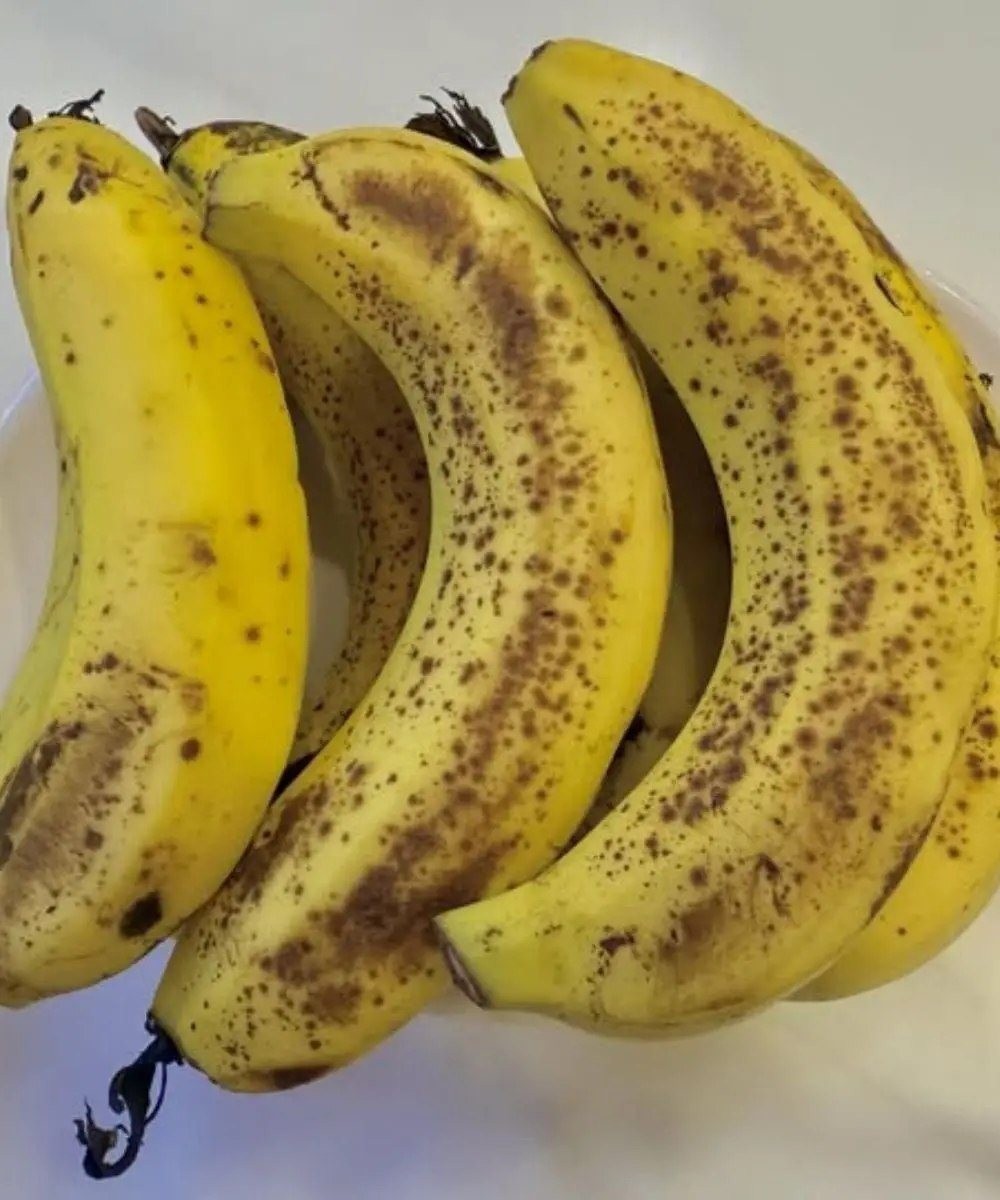
Why More Seniors Are Boiling Bananas with Cinnamon Before Bed — And Why You Should Too
Warm drinks are a familiar part of many evening routines, and banana-and-cinnamon tea has become a popular wellness suggestion among older adults. The preparation is simple: a banana is simmered in water, sometimes with cinnamon, then the liquid is served warm. Supporters describe it as comforting and relaxing, particularly before bedtime.
While this drink can be an enjoyable addition to a balanced routine, it is important to separate its likely comforts from claims that have not been established by medical research. Banana and cinnamon are nutritious foods, but there is limited direct evidence that boiling them together treats insomnia, digestive disorders, circulation problems, or other health conditions. For seniors, especially those managing long-term conditions or taking prescription medicines, practical safety and evidence-based sleep habits matter most.

Why Banana and Cinnamon Tea Has Become Popular
The appeal of this bedtime drink is easy to understand. It is inexpensive, uses familiar kitchen ingredients, and can replace late-night caffeinated drinks such as coffee, black tea, cola, or energy drinks. A warm beverage may also create a calming transition between daytime activity and sleep. Repeating the same quiet ritual each evening can signal that it is time to slow down, dim the lights, and prepare for bed.
Older adults may be especially interested in non-drug approaches to sleep because sleep changes are common with age. Some people wake more often during the night, get sleepy earlier in the evening, or find that pain, frequent urination, anxiety, medication effects, or medical conditions interrupt rest. It is understandable to look for gentle habits that feel reassuring. However, sleep difficulties should not automatically be dismissed as a normal part of aging, particularly when they persist or affect daytime functioning.
It is also worth noting that wellness trends often spread faster than scientific evidence. Personal stories can be meaningful, but they cannot show whether a drink itself caused better sleep. A relaxing routine, reduced screen time, less caffeine, a quieter environment, or expectation may all contribute to how a person feels at bedtime.
What Bananas Contribute Nutritionally
Bananas provide carbohydrates, dietary fiber, potassium, vitamin B6, and small amounts of several other nutrients. They are a practical fruit choice for many people because they are widely available, easy to eat, and naturally sweet. A medium banana also contains water and modest amounts of magnesium.
Potassium is essential for normal nerve and muscle function and helps support healthy blood pressure as part of an overall nutritious eating pattern. Still, no single food independently prevents or treats high blood pressure. The broader pattern matters: regularly eating fruits, vegetables, legumes, whole grains, and other minimally processed foods while limiting excess sodium can support cardiovascular health.
Bananas are sometimes promoted as a sleep food because they contain magnesium, vitamin B6, and the amino acid tryptophan. These nutrients have roles in normal body processes, including nervous-system function. Yet the amounts in a serving of banana do not establish that banana tea will reliably induce sleep. Research on diet and sleep is complex, and a person’s sleep is influenced by health, stress, activity, medication, light exposure, schedule, and bedroom conditions.
When a whole banana is boiled and only the cooking liquid is consumed, the nutritional result may differ from eating the fruit. Some water-soluble compounds can move into the water, but the amount varies with the preparation method. Fiber, which is an important benefit of eating the whole fruit, largely remains in the banana rather than in the strained tea. People who enjoy the drink may choose to eat the cooked banana as well, provided it fits their dietary needs and preferences.
What Cinnamon Can and Cannot Do
Cinnamon is valued for its warm flavor and aroma. It contains plant compounds that are being studied for possible health effects, but research does not support treating cinnamon as a cure for sleep problems, diabetes, heart disease, or digestive illness. Adding a small culinary amount to a drink can make it more appealing without adding much sugar or sodium.
Some studies have examined cinnamon and blood glucose, but results have been mixed, and major health organizations do not recommend cinnamon as a replacement for prescribed diabetes treatment, monitoring, physical activity, or nutrition guidance. Anyone with diabetes should be cautious about online claims that a spice can substantially lower glucose levels.
There are different types of cinnamon. Cassia cinnamon, which is commonly sold in many supermarkets, may contain coumarin, a naturally occurring compound that can be harmful to the liver in large or frequent amounts for susceptible people. Ceylon cinnamon generally contains less coumarin. Using cinnamon occasionally in normal food amounts is different from taking concentrated supplements or large daily doses. People with liver disease, those taking medicines that affect blood clotting, and anyone considering regular high-dose cinnamon use should speak with a clinician or pharmacist.
Can a Warm Drink Help With Sleep?
A warm, caffeine-free beverage may be relaxing for some people, but it should be viewed as part of a bedtime routine rather than a proven sleep treatment. There is no strong clinical evidence showing that boiled banana and cinnamon tea specifically cures insomnia or consistently produces deeper sleep.
For many adults, the more meaningful benefit may come from the routine surrounding the drink. Preparing it can encourage a pause before bed. Drinking it away from television, bright phones, and upsetting news can support a calmer evening. Replacing alcohol with a non-alcoholic beverage may also be helpful, since alcohol can make people feel drowsy initially but may disrupt sleep later in the night.
Timing matters. Drinking a large amount of any liquid shortly before bed may lead to overnight bathroom trips, which can be particularly disruptive for older adults. A modest serving earlier in the evening may be more comfortable. People with reflux may also find that eating or drinking close to lying down worsens symptoms, so they may need to leave more time before bedtime.
A Simple, Food-Safe Way to Prepare It
If you would like to try banana and cinnamon tea, keep the preparation simple and avoid exaggerated expectations. Wash the banana thoroughly under running water before cooking, especially if using the peel. This helps remove surface dirt and residues. Choose a banana that is not visibly spoiled, and use clean cookware and drinking water.
One common method is to cut the ends from a washed banana, place it in a small pot with water, and simmer it for roughly 10 minutes. A small pinch of ground cinnamon or a cinnamon stick can be added for flavor. Let the drink cool to a safe temperature before serving. Some people strain the liquid; others eat the softened banana separately.
There is no need to add sugar, honey, syrups, or sweetened cream. Bananas already have natural sweetness, and regularly adding sugars can work against dietary goals for people managing weight, dental health, or blood glucose. The drink should not be used as a substitute for a balanced evening meal if a person needs adequate nutrition.
Important Considerations for Older Adults
Natural does not always mean appropriate for every person. Bananas contain potassium, which is beneficial for many people but may need to be limited in some cases. Individuals with chronic kidney disease, high potassium levels, or certain heart conditions may have personalized potassium guidance from their health-care team. Some medicines can also affect potassium levels. Following an individual renal or cardiac diet plan takes priority over general wellness advice.
People with diabetes can generally include fruit in a balanced eating pattern, but portion size and total carbohydrate intake matter. A banana-based drink may be more suitable when paired with individualized nutrition advice rather than assumed to be harmless in unlimited quantities. If the banana is eaten, it contributes more carbohydrate than the strained liquid alone.
Those with swallowing difficulties should take care with very hot drinks and any solid pieces of cooked fruit. Seniors with reduced mobility or vision should also use caution around hot pots, boiling water, and steam. If preparing the drink is unsafe or difficult, a caregiver or family member may be able to help.
Most importantly, persistent sleep trouble deserves professional attention. Loud snoring, pauses in breathing, morning headaches, unusual movements during sleep, severe daytime sleepiness, depression, confusion, or a sudden change in sleep pattern should be discussed with a qualified health professional. These symptoms can sometimes point to conditions that need assessment, such as sleep apnea, medication effects, pain, mood disorders, or other medical concerns.
Evidence-Based Habits That Support Better Sleep
Banana and cinnamon tea can be a pleasant ritual, but the strongest sleep strategies are usually behavioral and environmental. The U.S. Centers for Disease Control and Prevention and other health authorities recommend maintaining a regular sleep and wake schedule, including on weekends when possible. A consistent schedule helps reinforce the body’s internal clock.
Creating a sleep-friendly environment can also make a difference. Keep the bedroom dark, quiet, and comfortably cool. Limit bright screens in the hour before bed, as light exposure can interfere with the body’s natural sleep-wake signals. Regular daytime movement and time outdoors may support sleep as well, while strenuous exercise very close to bedtime may not suit everyone.
Caffeine deserves special attention. Coffee, tea, chocolate, cola, and some medicines contain caffeine, and sensitivity varies substantially. People who have trouble falling asleep may benefit from avoiding caffeine later in the day. Nicotine can also interfere with sleep. If alcohol is part of an evening routine, reducing it may improve sleep continuity for some people.
For chronic insomnia, cognitive behavioral therapy for insomnia, often called CBT-I, is widely recognized as a first-line treatment. It is a structured approach that addresses sleep habits and the thoughts or behaviors that can maintain insomnia. A health professional can help determine whether CBT-I, a medical evaluation, medication review, or another approach is appropriate.
The Bottom Line on Banana and Cinnamon Before Bed
Boiled banana and cinnamon tea is best understood as a comforting, caffeine-free food-based ritual rather than a medical remedy. It may help some people unwind because it is warm, familiar, and part of a deliberate evening routine. Bananas and cinnamon can fit into a balanced diet, but claims that the drink reliably treats insomnia, improves circulation, or replaces medical care go beyond the available evidence.
For healthy adults, an occasional modest cup is generally a reasonable option if it suits their diet and does not cause discomfort. Older adults with kidney disease, diabetes, liver concerns, medication interactions, or ongoing sleep problems should seek individualized advice from their health-care provider. Pairing a relaxing drink with consistent, evidence-based sleep habits is a more realistic and responsible path toward better rest.
Sources
- Centers for Disease Control and Prevention: About Sleep and Sleep Disorders
- National Center for Complementary and Integrative Health: Cinnamon
- National Institute of Diabetes and Digestive and Kidney Diseases: Eating and Nutrition for Chronic Kidney Disease
- Mayo Clinic: Insomnia Diagnosis and Treatment
- U.S. Department of Agriculture FoodData Central
- World Health Organization: Healthy Diet
Disclaimer: This content is intended for entertainment purposes only and is not based on real events.