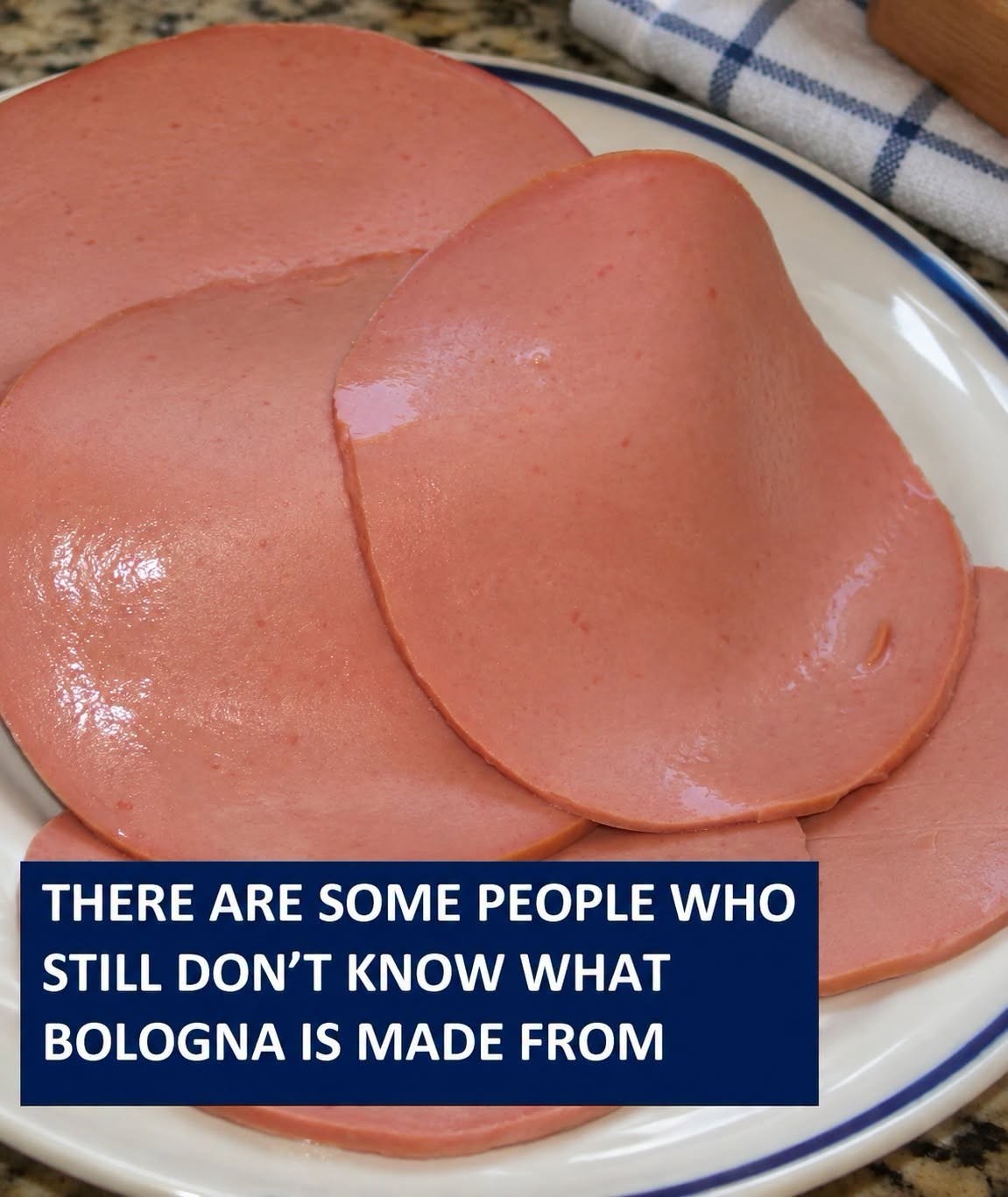
Bologna is a Lie We Feed Our Kids
Introduction: The Mystery of the Pink Slice
Bologna, often recognized as a staple in American lunchboxes, has long been the subject of jokes about “mystery meat.” Despite its widespread consumption and ubiquity in supermarkets, delis, and school cafeterias, few pause to consider its true origins and composition. This article provides an in-depth, factual exploration of bologna, covering its history, manufacturing process, health considerations, and enduring cultural presence.
The Origins of Bologna: From Italy to America
The word “bologna” is an anglicized form of “Mortadella Bologna,” a traditional Italian cold cut that originated in the city of Bologna, Italy. The original mortadella, which dates back to Roman times, was crafted from finely ground pork, rich in fat, and flavored with signature spices and whole black peppercorns. Mortadella’s method involved meticulous blending, curing, and steaming, resulting in a delicately flavored product.
When Italian immigrants brought this sausage to the United States in the late 19th and early 20th centuries, its recipe underwent considerable adaptation. American bologna, designed to be inexpensive, mild, and mass-producible, emerged as a distinct product. This Americanized version dropped the peppercorns and distinguished spices, and streamlined the production for wide distribution.
What Exactly Is in Bologna?
One of the key features that have led to bologna’s reputation as “mystery meat” is its ingredient list. In the U.S., the Food and Drug Administration (FDA) and the United States Department of Agriculture (USDA) regulate what goes into bologna. Generally, commercially available bologna is made from a blend of finely ground pork, beef, chicken, or turkey, with various fat portions. The mixture may also include trimmings—usable leftover bits from other cuts—that are emulsified to a paste-like consistency.
In addition to meat, bologna contains curing agents such as sodium nitrite (which helps prevent bacterial growth and provides the characteristic pink color), salt, sugar, water, and a variety of spices, which could include coriander, nutmeg, allspice, or celery seed. Some versions may also include flavorings, starches, and binders. This combination is encased, cooked, and cooled, yielding the familiar smooth, uniform slices.
The Manufacturing Process: How Bologna Is Made
Modern bologna production utilizes highly automated systems to ensure homogenization and safety. The meat and fat are first ground and blended with curing agents, seasonings, and if needed, fillers. This emulsion is loaded into large casings, often synthetic or natural, and then slowly cooked or smoked.
Throughout these steps, strict hygiene protocols are observed to prevent contamination. Regular inspection and quality control tests are run to monitor microbial levels, moisture content, and ingredient ratios. The USDA mandates clear labeling, so products described as “beef bologna” must meet specific standards, while bologna simply labeled “bologna” can be made with a mix of allowed meats.
Nutrition Profile and Health Considerations
Bologna is calorie-dense, with a 2-ounce serving typically providing around 150-180 calories, 5-7 grams of protein, and 13-15 grams of fat, a significant portion of which is saturated fat. It is also high in sodium, with a single serving often exceeding 15% of the recommended daily intake. Bologna’s nutrition profile fits the pattern of other processed meats: high in protein but also relatively high in added ingredients that can challenge heart and metabolic health if consumed in excess.
Large-scale epidemiological research, such as meta-analyses published by the World Health Organization (WHO), links frequent consumption of processed meats—including bologna—with an elevated risk of certain health issues, especially colorectal cancer and cardiovascular disease. The risks are primarily attributed to the preservatives (notably nitrites) and high fat/sodium content. However, experts like the Centers for Disease Control and Prevention (CDC) stress moderation rather than total avoidance for most people.
Bologna’s Cultural Role: Nostalgia, Affordability, and Critique
Over decades, bologna has become synonymous with convenience and affordability in the United States. It has been featured in countless school lunches, picnic baskets, and “working man’s” sandwiches, often accompanied by white bread and American cheese. For many, bologna conjures nostalgia—a reminder of packed lunches and simple family meals.
At the same time, bologna is emblematic of processed food culture and has received criticism for prioritizing cost and shelf life over nutrition and taste. Its association with lower income and accessibility has made it a focal point in conversations about food deserts and nutrition inequality. Despite this, its market persists: U.S. retail sales of bologna totaled hundreds of millions of dollars annually according to industry data.
Culinary professionals and food writers occasionally spotlight “artisanal” or “retro” versions of bologna, using higher-quality meats and fewer additives. This movement reflects growing consumer interest in transparency and clean labeling. However, the dominant bologna in supermarkets largely retains its classic, mass-produced formula.
International Variants and Perceptions
The term “bologna” means different things in different countries. In Italy, “mortadella” maintains its premium, protected status—the term is geographically labeled and strictly regulated. In Germany, “mortadella” and “Lyoner” are staple deli meats, often enjoyed with bread or cheese. In the United Kingdom, a similar product, “polony,” is popular in some regions.
Outside the U.S., bologna is less likely to be a staple of school lunches, but it is recognized globally as a member of the emulsified sausage family. Differences in national food regulations—concerning allowable meats, additives, and labeling—set products apart and reflect broader cultural approaches to processed foods.
Why We Feed It to Kids: Economics and Conditioning
Bologna remains a fixture in children’s diets for several reasons. Its neutral flavor, soft texture, and low price make it an easy option for busy families and institutional meal providers. Processed meat’s longevity reduces food waste and increases convenience. In many ways, giving bologna to children is an extension of industrial food trends that accelerated during the 20th century.
Nutritionists emphasize that bologna, while safe in moderation, should be just one element in a broader, balanced dietary plan. The Mayo Clinic and CDC suggest varied protein sources—such as fish, poultry, beans, and nuts—for optimal health outcomes.
Modern Responses: Transparency and Changing Attitudes
Consumer demand for healthier options and clear labeling is shaping the future of bologna and other processed meats. Many brands now offer “all-natural,” “no added nitrite,” or “organic” versions, featuring reduced sodium and preservatives. Parents and schools are increasingly focused on whole foods, fresh ingredients, and better nutrition profiles.
Public health campaigns encourage reading ingredient lists, understanding serving sizes, and selecting foods low in sodium and fat. Still, bologna’s convenient nature means it will likely continue to appear in lunchboxes for years to come. The goal, most experts concur, is informed choice—knowing what’s in the food we eat and how it fits into a healthy lifestyle.
Conclusion: Bologna’s Place in Modern Diets
Bologna remains a complex symbol in the food landscape—representing both affordable nutrition and the challenges of heavily processed foods. Its story, far from a simple “lie,” highlights the evolution of food technology, shifting social and economic realities, and the ongoing debate over what we feed our families. As consumers gain access to more information and better choices, the future of bologna will likely hinge on continued transparency, regulation, and culinary innovation.
Sources
- World Health Organization (WHO)
- Centers for Disease Control and Prevention (CDC)
- Mayo Clinic
- BBC News
- Reuters
- The Guardian
- Al Jazeera
Disclaimer: This content is intended for entertainment purposes only and is not based on real events.