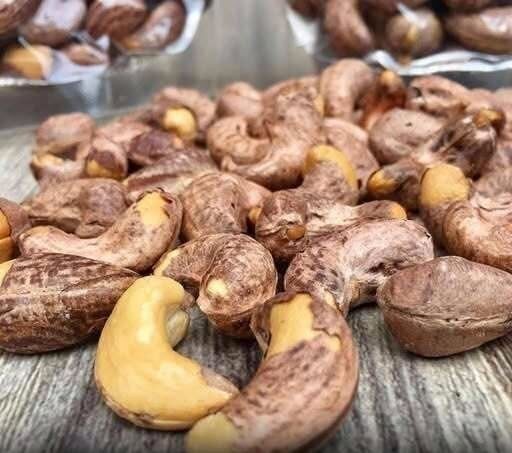
Cashews are widely enjoyed for their mild flavor, creamy texture, and versatility in snacks, sauces, salads, and plant-based recipes. Yet online discussions about cashews can be confusing. Some claims suggest they inevitably cause weight gain, while others make unsupported warnings about liver or kidney damage. The scientific picture is more balanced: cashews are calorie-dense, but they also provide unsaturated fats, plant protein, and several important minerals.
For most people, eating a moderate portion of properly processed cashews can fit into a nutritious eating pattern. Their health effects depend less on whether cashews are labeled “good” or “bad” and more on portion size, preparation, individual medical needs, and the rest of a person’s diet. A small serving of unsalted cashews is very different nutritionally from repeatedly eating large amounts of salted, sugar-coated, or oil-fried varieties.
What Are Cashews and Why Are They Nutritionally Important?
Cashews come from the tropical cashew tree, Anacardium occidentale. In everyday cooking, they are called nuts, although botanically the edible cashew kernel is a seed. The kernel grows beneath the cashew apple and must be processed before it is safe for consumers to eat. Cashew shells contain irritating compounds, so cashews sold in shops have been carefully shelled and heat-treated or otherwise processed.
Cashews are valued not only for taste but also for their nutrient profile. According to the U.S. Department of Agriculture, a typical one-ounce serving, or about 28 grams, contains roughly 157 calories, 5 grams of protein, 12 grams of fat, and 9 grams of carbohydrate. The exact number of cashews in a serving varies by size, but it is often around 18 individual nuts.
That same portion also supplies minerals including copper, magnesium, phosphorus, zinc, and iron. These nutrients support normal functions throughout the body. Magnesium contributes to muscle and nerve function, phosphorus is involved in bone and cellular processes, and copper helps support enzymes involved in energy metabolism, connective tissue, and iron transport. Cashews are therefore more than a source of fat and calories; they are a nutrient-dense food that can add variety to meals.
Do Cashews Cause Weight Gain?
Cashews do not automatically cause weight gain. Body weight is influenced by long-term energy balance, dietary habits, physical activity, sleep, medications, health conditions, and many other individual factors. However, cashews are energy-dense, meaning that a relatively small volume contains a meaningful number of calories. Eating several large handfuls on top of regular meals can increase daily calorie intake substantially.
The key issue is quantity and context. A one-ounce portion can be a satisfying snack, especially when it replaces foods that are low in nutritional value, such as heavily processed chips, sweets, or refined baked snacks. In contrast, using cashews as an unrestricted snack while already consuming more energy than the body needs may contribute to weight gain over time.
Research on nuts as a broader food category does not support the idea that moderate nut consumption inevitably leads to weight gain. Nuts contain protein, fat, and some fiber, which may help people feel satisfied after eating. In addition, the body may not absorb every calorie from whole nuts as efficiently as it absorbs calories from more processed foods, although this should not be treated as a reason to ignore portions. Cashews can support a balanced diet, but they are not a weight-loss product or an appetite-control remedy.

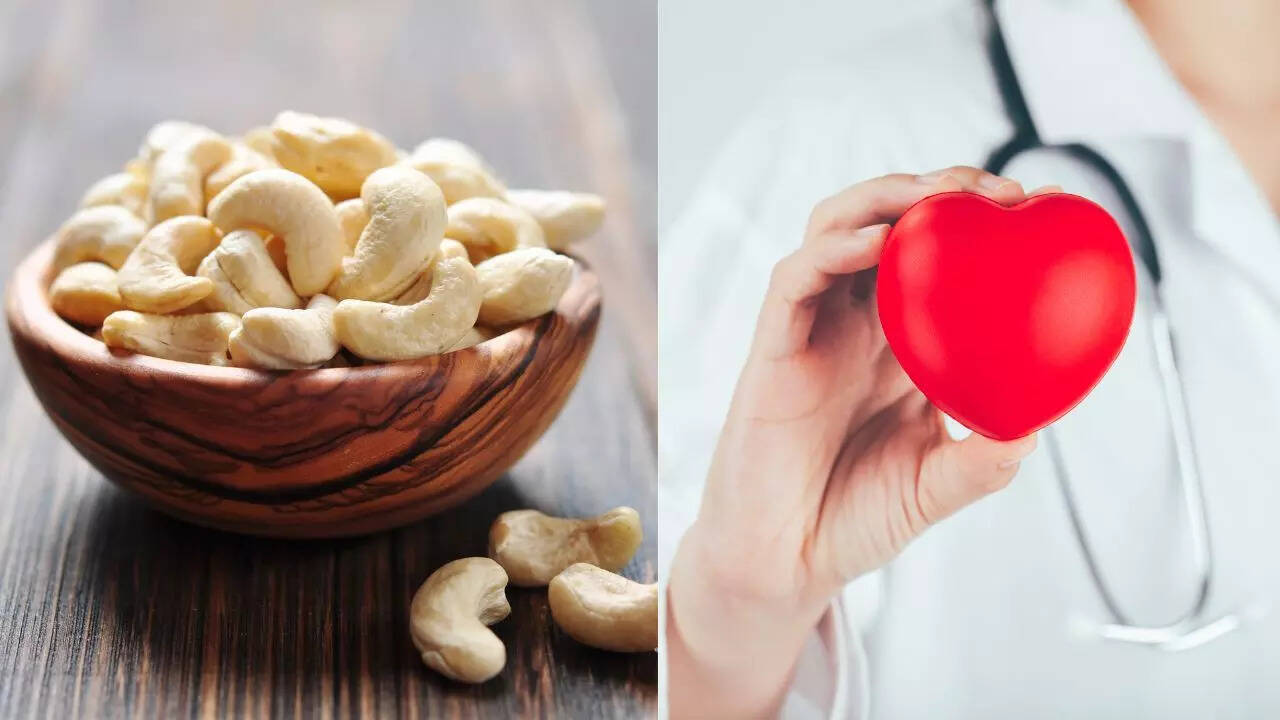
Cashews, Dietary Fat, and Heart Health
One reason cashews are sometimes misunderstood is their fat content. For decades, public conversations about nutrition often treated all dietary fat as harmful. Modern dietary guidance is more nuanced. Fat is essential for energy, cell structure, hormone production, and the absorption of fat-soluble vitamins. The type of fat consumed matters, as does the food it replaces.
Most of the fat in cashews is unsaturated, including monounsaturated fat. Unsaturated fats are also found in foods such as olive oil, avocados, seeds, and many other nuts. The American Heart Association notes that replacing saturated fats with unsaturated fats can help support healthier cholesterol levels as part of an overall heart-conscious eating pattern.
This does not mean that cashews are medicine or that a handful will dramatically lower cholesterol. Cardiovascular health is shaped by the total diet, blood pressure, smoking status, exercise, genetics, sleep, and medical care. Still, choosing plain or lightly salted cashews instead of snacks high in sodium, refined carbohydrates, or saturated fat may be a constructive dietary substitution.
What Research Says About Nuts and Cholesterol
Studies of nuts and cardiovascular health generally suggest that nuts can be included in dietary patterns designed to support heart health. Evidence is strongest when nuts replace less nutritious foods rather than simply being added to an already calorie-rich diet. Their mix of unsaturated fats, plant protein, minerals, and bioactive compounds may help explain why nuts are frequently included in Mediterranean-style and other balanced eating patterns.
Research focused specifically on cashews has produced mixed but generally reassuring findings. Some small clinical trials have explored whether cashews affect cholesterol measures, but the results should be interpreted carefully because studies differ in size, duration, participant health, and the overall diet being tested. It would be inaccurate to promise that cashews lower cholesterol for every person. For people with elevated cholesterol, dietary changes should be considered alongside guidance from a qualified healthcare professional.
Can Cashews Harm the Liver or Kidneys?
There is no credible evidence that moderate consumption of commercially prepared cashews damages the liver in healthy people. Viral social media claims about ordinary portions of cashews “destroying” organs are not supported by established nutrition guidance. The liver processes nutrients and plays a central role in metabolism; no single food can detoxify it or guarantee protection from disease.
Cashews can contribute useful nutrients to a varied diet, but they should not be promoted as a treatment for liver disease. People with diagnosed liver conditions may have specialized dietary requirements depending on the cause and severity of their illness. Those needs should be discussed with a physician or registered dietitian rather than managed through generalized online advice.
For people with normal kidney function, moderate cashew intake is not generally considered harmful. However, people with chronic kidney disease may need individualized limits for minerals such as phosphorus or potassium. The right advice depends on kidney function, laboratory results, medications, and the person’s prescribed eating plan. This is a reason for personalized medical guidance, not evidence that cashews are dangerous to healthy kidneys.

Magnesium, Copper, and Other Nutrients in Cashews
Cashews offer several micronutrients that have important roles in normal health. Magnesium is involved in hundreds of biochemical reactions, including nerve signaling, muscle function, blood glucose regulation, energy production, and bone health. Many foods contribute magnesium, including beans, leafy vegetables, whole grains, seeds, and nuts.
Cashews are also notably rich in copper. The body needs copper in small amounts for normal iron metabolism, connective tissue formation, nervous system function, and enzyme activity. Obtaining copper through a varied diet is different from taking high-dose supplements, which may be unsafe in some circumstances. Food-based sources such as cashews can contribute to adequate intake without making them a cure for fatigue, memory problems, or any other medical symptom.
Phosphorus and zinc are also present in cashews. Phosphorus contributes to bones, teeth, and cellular energy processes, while zinc supports immune function and wound healing. These nutrients work alongside many others, which is why dietary variety remains more valuable than relying heavily on one food.
Are Cashews Suitable for People With Diabetes?
Plain cashews can be included in many eating plans for people with diabetes. They contain relatively little sugar in their natural form and provide a combination of fat, protein, and carbohydrate. However, they are not carbohydrate-free, and serving size still matters for anyone monitoring carbohydrate intake or overall calories.
Preparation makes a substantial difference. Honey-roasted cashews, caramelized varieties, chocolate-covered products, and cashew desserts can contain considerable added sugar. Reading the nutrition facts label and ingredient list can help consumers distinguish plain cashews from highly sweetened snack products. Cashews should not replace prescribed medication, blood glucose monitoring, or individualized diabetes care.
The Most Important Health Risk: Cashew Allergy
Although many alarming claims about organ damage are exaggerated, cashew allergy is a genuine and potentially serious concern. Cashews are classified as tree nuts for food-allergy purposes. In sensitive people, even a small amount can trigger symptoms such as hives, swelling, vomiting, coughing, wheezing, or breathing difficulty. A severe allergic reaction, known as anaphylaxis, is a medical emergency.
Anyone who develops symptoms of a severe allergic reaction after eating cashews should seek emergency medical help immediately. People with diagnosed cashew allergy should avoid cashews and follow their clinician’s emergency plan. Some may be prescribed epinephrine. Food labels should also be checked for cashew ingredients and cross-contact warnings.
Cashews and pistachios are botanically related, and some people react to both. However, allergy patterns differ from person to person. A person should not test suspected food allergies at home. An allergist can assess symptoms, interpret testing, and advise which foods require avoidance.
Raw, Roasted, Salted, and Flavored Cashews
The term “raw cashews” can be misleading. Cashews sold as raw in supermarkets have generally undergone processing that makes them safe to eat. They should not be confused with kernels taken directly from an unprocessed shell. Consumers should purchase cashews from reputable suppliers rather than attempting to handle or eat unprocessed cashews.
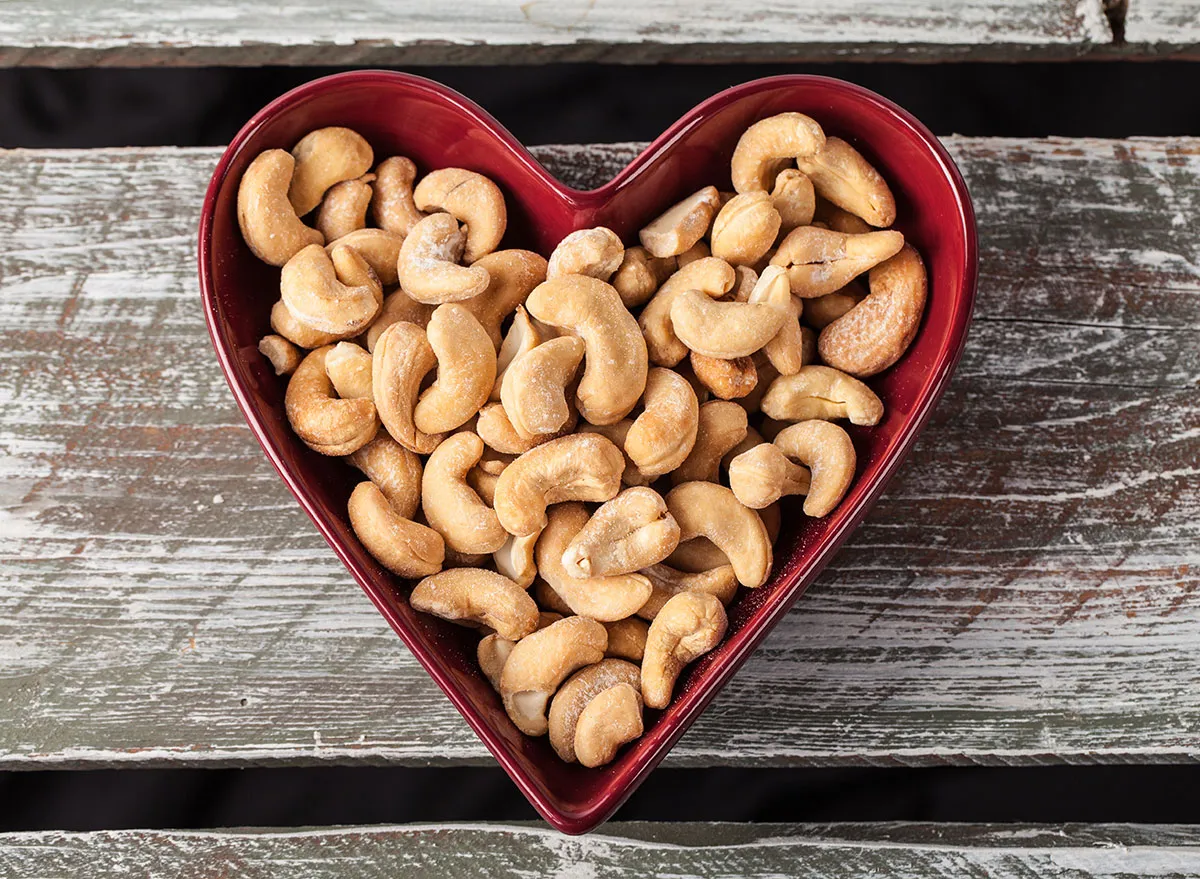
Roasted cashews can still be nutritious. Dry-roasted, unsalted cashews are often a practical choice for people seeking a simple ingredient list. Oil-roasted products may add extra fat, while heavily salted varieties can contribute more sodium. High sodium intake is associated with higher blood pressure in many people, so those managing hypertension or trying to reduce salt may prefer unsalted or lightly salted options.
Flavored cashews deserve particular attention. Seasonings can be enjoyable, but products marketed as barbecue, honey-roasted, chili-lime, or dessert-style snacks may include added sugar, sodium, oils, or refined starches. There is no need to avoid every flavored product, but comparing labels helps consumers make choices that match their nutritional goals.
Can Cashews Cause Digestive Discomfort?
Some people experience bloating, fullness, or stomach discomfort after eating a large amount of cashews. This may relate to portion size, fat content, individual digestive sensitivity, or the overall meal. Cashews can also be relevant for people following a medically supervised low-FODMAP approach for certain digestive symptoms, as tolerance may vary.
Digestive discomfort does not mean cashews are toxic. It may simply mean a smaller portion is more comfortable. Persistent symptoms, especially if accompanied by allergic signs, unexplained weight changes, or significant pain, should be evaluated by a healthcare professional.
How Many Cashews Should You Eat a Day?
There is no single ideal amount for every person, but a common reference serving is one ounce, or 28 grams. This is approximately a small handful, often around 18 cashews. It provides meaningful nutrition while keeping calories manageable for many adults.
People with higher energy needs may choose more, while others may prefer less. The most useful approach is to treat cashews as part of total daily food intake. Pairing a measured portion with fruit, plain yogurt, or a meal containing vegetables and whole grains can make it easier to build a satisfying snack or meal without relying on very large amounts.
Practical Ways to Add Cashews to a Balanced Diet
Cashews are easy to use beyond snacking. A measured portion can add crunch to salads, grain bowls, vegetable dishes, and stir-fries. Chopped cashews can be sprinkled over oatmeal or yogurt, while unsalted cashew butter can be used in sauces, dressings, or spreads. Soaked and blended cashews are commonly used to create creamy textures in plant-based cooking.
When using cashews in recipes, it is still helpful to consider the ingredients around them. A sauce made with cashews, vegetables, herbs, and modest seasoning may have a different nutritional profile from a sauce high in added salt, sugar, or saturated fat. The goal is not perfection but informed choices and dietary variety.
The Bottom Line on Cashews, Weight Gain, and Health Risks
Cashews are neither a miracle food nor a food most healthy people need to fear. They are calorie-dense, so portions matter, but they also provide unsaturated fats, plant protein, magnesium, copper, phosphorus, zinc, and other nutrients. When eaten in moderate amounts, especially as a substitute for less nutritious snacks, cashews can fit well within a balanced diet.
The main precautions are clear: choose products with limited added salt and sugar when possible, avoid cashews completely if you have a diagnosed allergy, and seek personalized advice if you have chronic kidney disease or another condition requiring dietary restrictions. For most people, a small handful of properly processed cashews is a reasonable and nutritious choice—not a cause for alarm.
Sources
- U.S. Department of Agriculture FoodData Central
- American Heart Association: Healthy Fats and Cooking Oils
- U.S. Food and Drug Administration: Nutrition Facts Label
- National Institute of Diabetes and Digestive and Kidney Diseases: Kidney Disease Information
- National Institute of Allergy and Infectious Diseases: Food Allergy
- World Health Organization: Healthy Diet
Disclaimer: This content is intended for entertainment purposes only and is not based on real events.