
More Than Just Jewelry Around the Ankle
It may seem like a small accessory, but an ankle bracelet often carries a story far older than modern fashion trends.
A traveler browsing a local market in India may notice rows of delicate silver anklets sparkling under the sunlight. Across the world, someone shopping for summer accessories might simply see them as stylish additions to a casual outfit. Yet behind these tiny pieces of jewelry lies a history stretching back thousands of years.
From royal courts in ancient civilizations to today’s fashion runways, ankle bracelets—commonly called anklets—have represented beauty, tradition, spirituality, and individuality. Their meanings have evolved over time, but their popularity has never completely disappeared.
Let’s explore the fascinating history behind ankle bracelets and discover why they continue to capture attention across generations.
The Ancient Origins of Anklets
Historians believe ankle bracelets have existed for several thousand years, making them one of humanity’s oldest forms of personal adornment.
Archaeological discoveries show that anklets appeared in multiple ancient civilizations, each assigning different meanings depending on local customs and beliefs.
Although today’s anklets are mostly fashion accessories, they once communicated important information about a person’s identity, family, or social standing.
Ancient Egypt: Jewelry That Reflected Status and Protection
Among the earliest known wearers of anklets were the people of ancient Egypt.
For wealthy families, anklets crafted from gold and precious materials demonstrated prosperity and influence. Intricate designs often featured symbolic decorations that reflected artistic craftsmanship and personal prestige.
Meanwhile, people with fewer resources commonly wore anklets made from beads, leather, shells, or other natural materials.
Beyond appearance, Egyptians believed jewelry could provide spiritual protection. Decorative charms attached to anklets were sometimes associated with good fortune and were thought to help protect the wearer from harmful influences.
As a result, anklets became both decorative accessories and meaningful personal possessions.
India: A Deeply Rooted Cultural Tradition
Few countries have maintained the cultural significance of anklets as consistently as India.
Known as payal or pajeb, anklets have long been associated with celebrations, family traditions, and important life events.
Silver is traditionally favored over gold because gold is often viewed as a sacred metal reserved for honoring deities. Wearing gold below the waist has historically been considered inappropriate in many communities.
Classic Indian anklets frequently include tiny bells that produce a soft musical sound while walking.
For generations, those gentle chimes have symbolized warmth, hospitality, and positive energy within the home. They also served a practical purpose by quietly announcing someone’s arrival without words.
Today, while customs vary across different regions and families, anklets remain an important part of weddings, festivals, and traditional attire.

African Traditions: Symbols of Identity and Community
Across many African cultures, jewelry has long served as a language of identity.
Anklets made from beads, metal, leather, or woven fibers often reflected family heritage, local traditions, or important stages of life.
In some communities, different colors or patterns carried symbolic meanings connected with adulthood, family roles, or personal achievements.
Rather than serving only as decoration, anklets became meaningful expressions of belonging and cultural pride.
Although traditions differ greatly across Africa’s diverse cultures, the importance of symbolic jewelry continues in many communities today.
Middle Eastern Influence: Beauty and Symbolism
Throughout parts of the Middle East, anklets have traditionally been admired for their elegance.
Decorative anklets featuring small bells became closely associated with traditional dance performances, where their gentle sounds complemented graceful movements.
In addition to their artistic appeal, many designs incorporated protective symbols believed to bring good fortune or reduce negative influences.
This combination of beauty and symbolism helped anklets maintain lasting popularity throughout the region.
European Fashion Through the Centuries
Europe developed a very different relationship with ankle jewelry.
During the Victorian era, clothing typically covered the ankles, making anklets relatively private accessories.
Because they were rarely visible, they often carried an air of elegance and mystery.
As fashion gradually evolved during the twentieth century, shorter hemlines and changing social attitudes transformed anklets into visible fashion statements.
Designers began experimenting with different materials, including gold, silver, pearls, gemstones, leather, and colorful beads.
Today, anklets can complement everything from beachwear to evening outfits, reflecting personal taste rather than social rules.
Asian Perspectives Beyond India
Several Asian cultures also developed their own traditions surrounding ankle jewelry.
In some communities, anklets have been associated with harmony, balance, and family customs.
Children occasionally wear lightweight silver anklets decorated with tiny bells. Besides their decorative charm, the gentle sound can help caregivers keep track of active young children.
Traditional beliefs in some regions also connect ankle jewelry with positive energy and personal well-being, although these interpretations vary widely.
Modern Fashion Gives Anklets New Meaning
Today, anklets are worn by people of many ages and backgrounds for countless different reasons.
Some appreciate their minimalist elegance.
Others enjoy colorful designs that reflect creativity and personality.
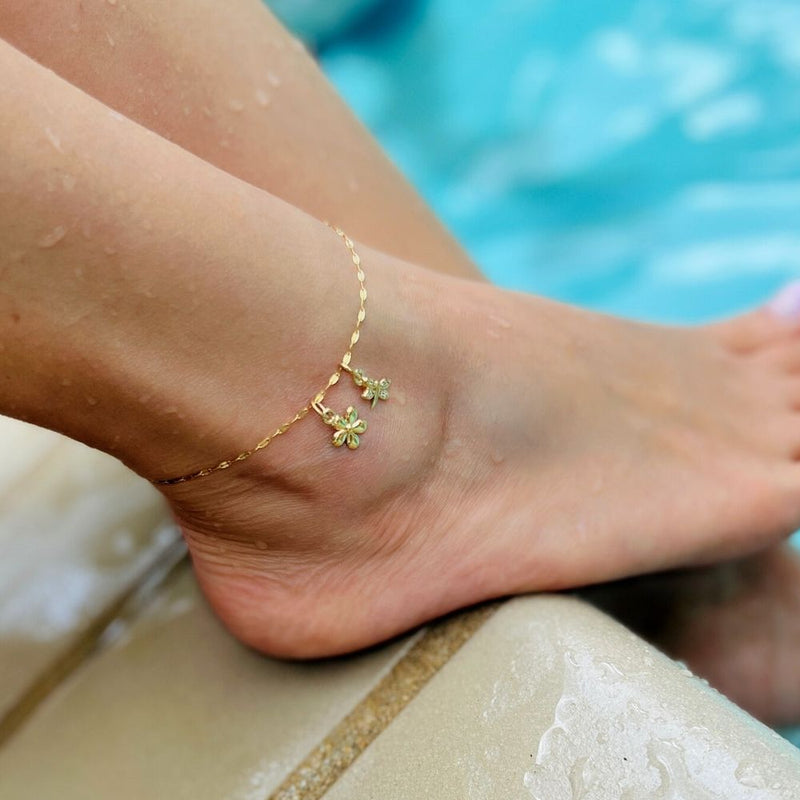
Fashion brands now offer styles ranging from delicate gold chains to handcrafted bohemian pieces featuring shells, gemstones, charms, and woven cords.
Unlike the past, modern anklets rarely indicate someone’s social status or family background.
Instead, they have become highly personal accessories chosen simply because the wearer enjoys their appearance.
Does Wearing an Anklet on One Side Mean Something?
One question frequently appears online:
Does it matter which ankle you wear an anklet on?
There is no universal answer.
Various cultural traditions and popular beliefs have attached different meanings to wearing an anklet on the left or right ankle.
Some interpretations associate the left ankle with protection or spirituality, while others connect the right ankle with independence or confidence.
However, these meanings are not universally accepted.
In contemporary fashion, most people simply wear an anklet on whichever side feels more comfortable or matches their preferred style.
Choosing the Right Anklet
If you’re considering wearing an anklet, there are countless styles available.
Popular options include:
-
Simple silver chains for everyday elegance
-
Gold anklets for a timeless appearance
-
Beaded designs for a relaxed, casual style
-
Shell anklets inspired by beach fashion
-
Charm anklets that reflect personal interests
-
Layered styles that create a modern look
Comfort is just as important as appearance.
Choosing the correct length ensures the anklet moves naturally without feeling too tight or slipping excessively.

Caring for Your Anklet
Proper care helps preserve both appearance and durability.
To extend the life of an anklet:
-
Remove it before swimming in chlorinated pools.
-
Avoid prolonged exposure to perfumes or harsh cleaning products.
-
Store jewelry separately to reduce scratches.
-
Clean metal surfaces gently using a soft polishing cloth.
-
Inspect clasps regularly to ensure they remain secure.
Simple maintenance can keep an anklet looking beautiful for years.
Why Anklets Continue to Endure
Fashion trends come and go, but anklets have remained part of human culture for thousands of years.
Their lasting appeal comes from their remarkable ability to evolve.
What once symbolized wealth in ancient Egypt later represented family traditions in India, cultural identity in Africa, elegance in Europe, and self-expression in today’s global fashion world.
Whether chosen for historical appreciation, cultural heritage, or simple personal style, an ankle bracelet continues to tell a story.
Sometimes that story reflects centuries of tradition.
Other times, it simply reflects the personality of the person wearing it.
Either way, this small piece of jewelry remains one of fashion’s most enduring and meaningful accessories.
Final Thoughts
An ankle bracelet may appear to be a simple fashion accessory, but its history reveals something much deeper.
Across civilizations, anklets have symbolized protection, celebration, identity, craftsmanship, and personal expression. While many traditional meanings continue within specific cultures, today’s anklets largely represent individuality and style.
Whether you choose a classic silver chain, a handcrafted beaded design, or a modern minimalist piece, wearing an anklet can be a subtle reminder that even the smallest accessories often carry stories that span generations.
Disclaimer: Cultural traditions surrounding anklets vary widely across countries, communities, and families. The meanings discussed in this article reflect historical practices and common interpretations rather than universal rules.