
The Empire State Building: How Accrington’s ‘Nori’ Bricks Formed the Skyscraper’s Foundation
Introduction: A Monument to Global Collaboration
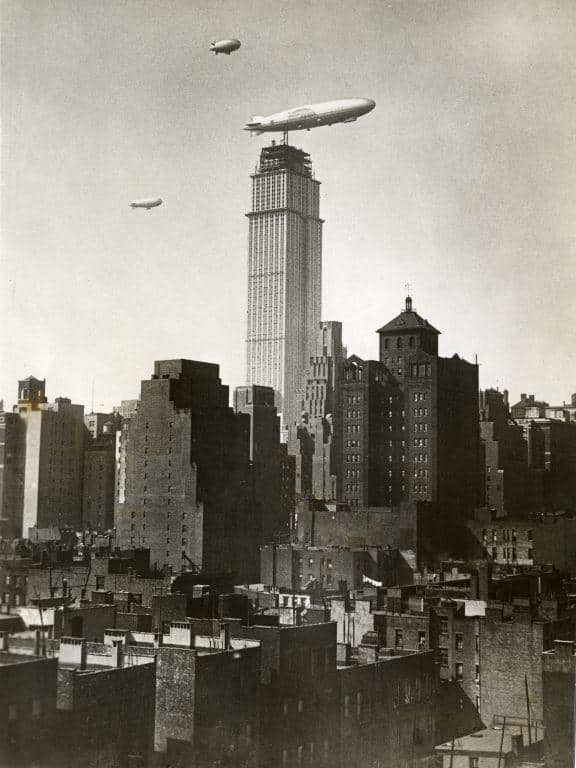
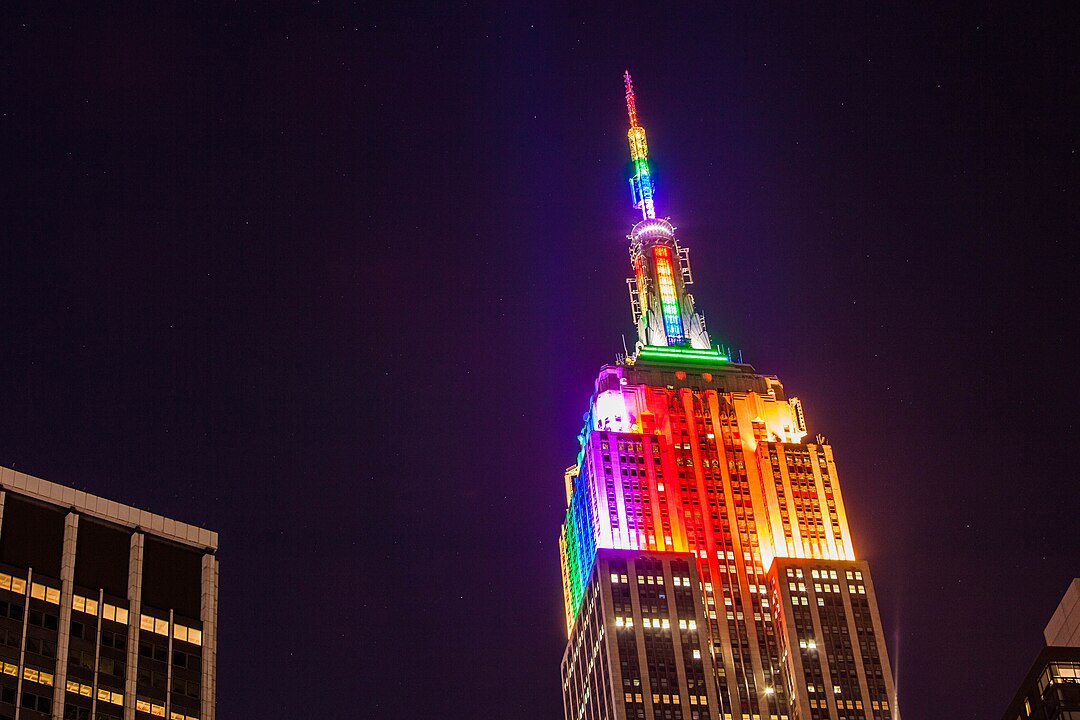
The Empire State Building has long stood as a symbol of innovation, progress, and architectural achievement. Rising above Midtown Manhattan, its instantly recognizable Art Deco design and remarkable height have captured imaginations worldwide since its completion in 1931. While many recognize the building as an icon of American ambition and design, lesser known is a transatlantic chapter in its construction history: the pivotal contribution of the famed ‘Nori’ bricks, manufactured in Accrington, Lancashire, England. These bricks, chosen for their exceptional strength and durability, form part of the skyscraper’s deep-rooted foundation—a testament to international collaboration that has withstood the test of time.
The Origin Story: How Accrington Crafted the ‘Nori’ Brick
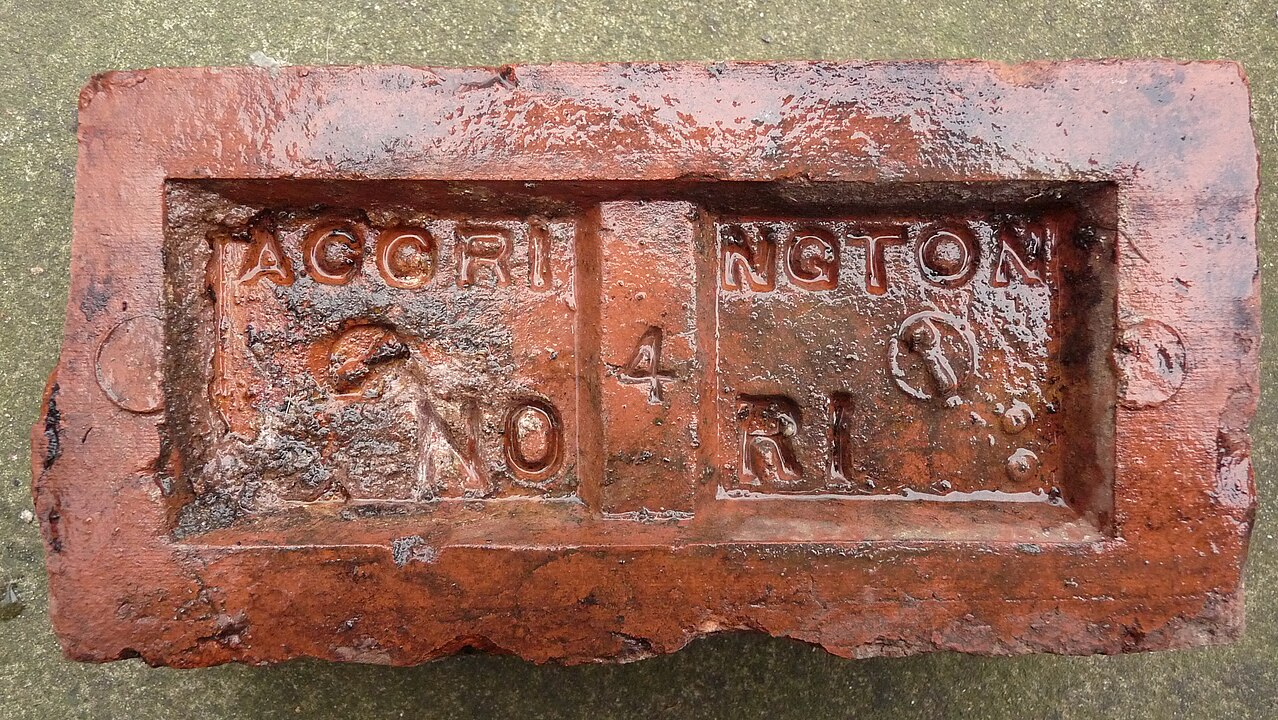
In the heart of Lancashire, the small town of Altham near Accrington became synonymous with an industrious legacy. Founded in the nineteenth century, the Accrington Brick and Tile Company rapidly built a reputation as one of the UK’s most trusted brick manufacturers. Their defining product, the ‘Nori’ brick, emerged as a leader in strength and resilience. Experts attribute these qualities to the region’s rich local clay, baked in coal-fired kilns at high temperatures, creating bricks with remarkable density and resistance to wear.
‘Nori’ bricks were not ordinary building materials; they became the backbone of the UK’s most ambitious engineering feats. From the soaring Blackpool Tower on the Lancashire coast to the robust facilities of the Sellafield nuclear site in Cumbria, these bricks underpinned structures where reliability was critical. Over decades, contractors and architects grew to trust Accrington’s bricks for projects demanding unwavering support, solidifying their reputation on both sides of the Atlantic.
Transatlantic Recognition: Supplying the Empire State Building
The history of global construction in the early 20th century is marked by a selective search for the most advanced, reliable materials. When construction began on the Empire State Building in 1930 amid America’s race for ever-taller skyscrapers, its architects faced one key challenge above all: establishing a foundation that could bear the immense weight of what would soon be the world’s tallest building.
Recognizing the unmatched strength of the Accrington ‘Nori’ bricks, project managers commissioned thousands to be shipped across the Atlantic. British brickmaking expertise was called upon to play a foundational—if often unheralded—role in this ambitious vision. Transported by sea and rail from the industrial North of England to the construction site in New York City, ‘Nori’ bricks were meticulously laid beneath the surface, forming an essential part of the Empire State Building’s unseen but vital structural core.
This partnership illustrates the global nature of landmark architecture—even an ode to American civilization benefited from the finest in British heavy industry. Experts and historians note that this episode in building history demonstrates not only the importance of material science but also the impact of international cooperation in setting new benchmarks for safety, durability, and innovation.
The Broader Legacy: ‘Nori’ Bricks in British and International Heritage
The legacy of ‘Nori’ bricks extends far beyond the foundations of the Empire State Building. Their distinctive deep red coloration became an architectural signature, contributing to the moniker “red brick universities”—a term referencing a group of prestigious British universities founded in the Victorian and Edwardian eras. In particular, the University of Birmingham’s Chancellor’s Court was among the first to showcase this bold color and durable material, inspiring a trend that spread to urban educational architecture throughout the United Kingdom.
Beyond education, ‘Nori’ bricks have figured in a series of notable British landmarks and public spaces. Manchester’s legendary Hacienda nightclub, a hub of art and music in the 1980s and 90s, was constructed with these iconic bricks. In Darlington, the innovative Brick Train sculpture stands as another celebrated example of the material’s versatility and enduring visual appeal.
Internationally, the reputation of Accrington bricks reached far and wide. From public works and infrastructure projects to cultural buildings and transport hubs, the attention to quality and ruggedness embody the best traditions of British engineering exported worldwide.
Unraveling the Name: The Mystery of ‘Nori’
The origins of the name ‘Nori’ have fascinated local historians and linguists alike. A persistent legend suggests that ‘Nori’ came about as a result of a hasty or reversed mould used to stamp the word “IRON” on the bricks, with the result being ‘NORI’ when viewed from the opposite side. Others contend that the reversal could have been a deliberate marketing choice, setting these bricks apart from competitors and giving the brand its own mystique.
Regardless of which story is true, what matters is that ‘Nori’ came to stand for unwavering strength. According to construction industry insiders and historical analysts, the name’s association with quality became so powerful that it set the standard for premium construction materials in Britain and beyond. Today, ‘Nori’ is not simply a name but a distillation of the values that defined an entire era of industrial achievement.
Decline and Revitalization: The Modern Story of Accrington Brickworks
The turn of the 21st century saw dramatic changes in the British manufacturing landscape, with many traditional industries facing new challenges from globalization and shifting demand. The Accrington brickworks, after more than a century of operation, closed its doors in 2008. For a moment, it appeared the story of ‘Nori’ bricks might come to an end, consigned to the pages of industrial history.
However, the enduring legacy of these famed bricks, and a renewed appreciation for high-quality, locally produced building materials, spurred a revival. In 2014, significant investment totaling £1.4 million was directed to relaunch brick production at Accrington, driven in part by a resurgent house-building sector across England. This decision restored valuable jobs to the region and reaffirmed a sense of pride in a craft that had formed the foundations—literal and figurative—of countless homes, offices, and monuments.
The reopened brickworks not only delivered economic benefits but also offered a renewed opportunity to promote sustainable building methods and preserve heritage for future generations. Experts in architecture and construction agree that the unique blend of tradition and technological advancement represented by Accrington’s modern reboot is instructive for the industry at large.
Expert Opinions: Why Quality Materials Matter in Construction
Structural engineers and architects emphasize that the story of the Empire State Building’s foundation is more than a historical footnote—it is an ongoing lesson in the value of selecting materials based on rigorous scientific and engineering evaluation. Over the decades, researchers have measured the compressive strength, thermal stability, and longevity of different brick types, consistently ranking ‘Nori’ bricks among the best. According to studies by the UK’s Building Research Establishment, the performance of Accrington’s bricks in extreme conditions explains their popularity among engineers.
Speaking to the importance of foundational integrity, Professor Iain Jackson of the University of Liverpool’s School of Architecture explains, “The choice of materials such as the Accrington brick for the Empire State Building’s foundation is a testament to all involved in ensuring safety, durability, and performance at scale. It’s a paradigm of evidence-based construction.”
Impact and Reactions: Celebrating Cross-Atlantic Industrial Heritage
The recognition of Accrington’s role in the Empire State Building has prompted reflection and pride both locally and internationally. In Lancashire, news of the brick’s New York connection has been a source of civic celebration and is often cited in local museums and by heritage groups. In wider circles, the story has attracted coverage emphasizing the importance of international supply chains and specialist manufacturing to 20th-century architectural triumphs.
Society today continues to seek inspiration in such stories of resilience, quality, and cross-border collaboration—values that remain increasingly relevant in a rapidly changing world. Efforts to preserve and share this heritage include educational programs, trade exhibitions, and commemorative plaques in both Accrington and New York City, cementing—literally and figuratively—the lasting bond between the two places.
Conclusion: The Enduring Significance of ‘Nori’ Bricks
From the understated brickworks of Accrington to the iconic New York skyline, the journey of ‘Nori’ bricks illustrates the role of material science, industrial innovation, and international partnership in shaping the built environment. While much of their contribution lies hidden, buried beneath the immense mass of the Empire State Building, the legacy of these bricks is all around—in the foundations of cities, the stories of communities, and the standards of excellence for future generations of builders.
The Empire State Building not only embodies American ambition but also pays homage—at its very roots—to the creativity and skill honed in British industry. As cities continue to rise and change, the story of Accrington’s ‘Nori’ bricks remains a powerful reminder of how the best construction is always built upon strong, enduring foundations.
Sources
- BBC – Accrington Brickworks Restarts Production
- The Guardian – The Legacy of Accrington’s Nori Brick
- Reuters – British Bricks in Global Construction
- Wikipedia – Accrington Brick
- Encyclopaedia Britannica – Empire State Building
Disclaimer: This content is intended for entertainment purposes only and is not based on real events.