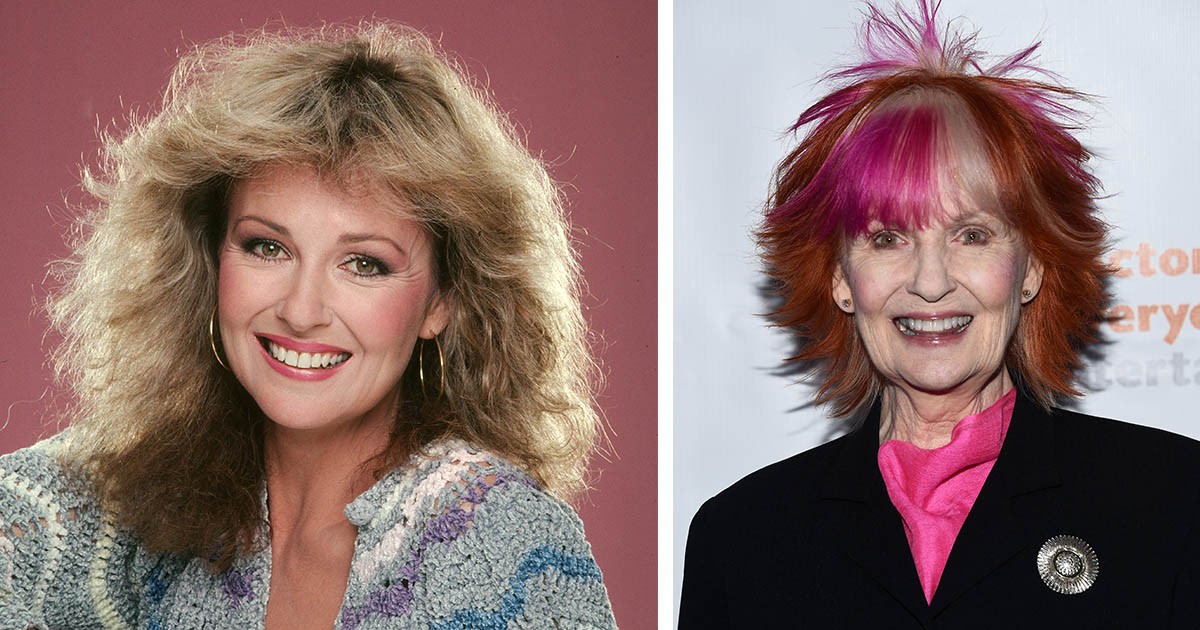
For generations of television viewers, Shelley Fabares was a familiar and comforting presence.
She first appeared on television as a child, eventually becoming one of the recognizable young stars of The Donna Reed Show. Decades later, a new generation discovered her through Coach, where she earned two Emmy nominations for her performance.
Now, Hollywood is remembering Fabares not only for the characters she played, but also for the warmth, humor, and grace her family says she brought to the people around her.
Fabares died Saturday in Los Angeles at the age of 82, according to a statement from her family. Her family, including her husband, actor Mike Farrell, confirmed the news. A cause was not provided.
Her career stretched across television, film, and music, making her one of those performers whose work remained familiar long after her earliest appearances.
Shelley Fabares’ Family Shares a Loving Tribute
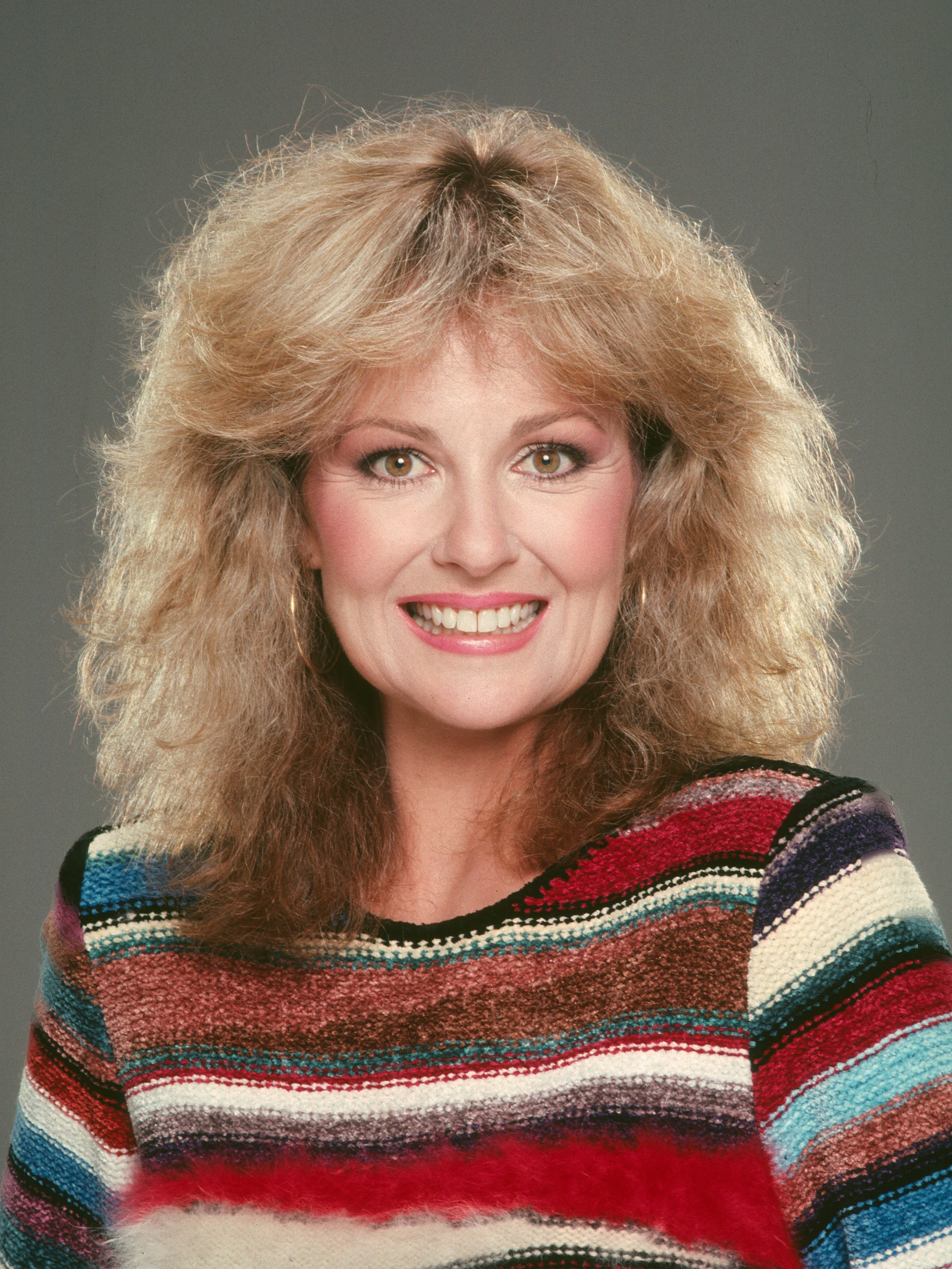
Following her passing, Fabares’ family described her as someone who made people feel welcomed and valued.
In their statement, they remembered her as a devoted wife, stepmother, daughter, sister, aunt, and loyal friend.
The family also emphasized qualities that went beyond her professional achievements.
They remembered her kindness, humor, generosity, courage, and warmth.
That description offers an important glimpse into the woman behind the television roles.
For audiences, Fabares was a performer who appeared on screens for decades. For those closest to her, however, she was a much more personal presence.
She was someone who offered encouragement, laughter, and companionship to the people around her.
From Santa Monica to Television
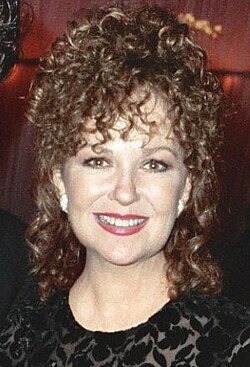
Shelley Fabares was born on January 19, 1944, in Santa Monica, California.
Her connection with entertainment began remarkably early.
At just 10 years old, she made her television debut on The Loretta Young Show.
At a time when television was becoming an increasingly important part of American homes, appearing on screen at such a young age gave Fabares an opportunity to develop her career while still growing up.
A few years later, she would land the role that changed everything.
The Donna Reed Show Made Her a Household Name
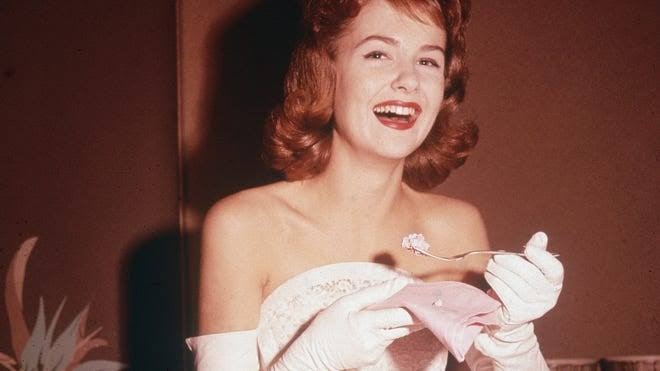
Fabares became widely known for playing Mary Stone on The Donna Reed Show.
The family sitcom became an important part of American television history, and Fabares’ performance helped establish her as a recognizable young actress.
For viewers watching at home, Mary Stone was more than simply a character.
She became part of a television family that audiences welcomed into their homes week after week.
The role gave Fabares widespread recognition and helped launch a career that would eventually span several decades.
It also demonstrated something that would become a recurring feature of her career.
She was able to connect with audiences across different generations.
Shelley Fabares Was Also a Successful Singer
Acting was not Fabares’ only talent.
In 1962, she released the song “Johnny Angel,” which became a major hit and reached number one on the Billboard Hot 100.
The success was remarkable.
Fabares had already become known as a television actress, but her music career demonstrated that audiences were interested in seeing another side of her talent.
“Johnny Angel” remains one of the songs most closely associated with her name.
Its success also placed Fabares among a select group of performers who achieved significant recognition in both acting and music.
Her Connection With Elvis Presley
During the same period, Fabares expanded her career into film.
She appeared alongside Elvis Presley in three movies: Girl Happy, Spinout, and Clambake.
Working opposite one of the biggest entertainment stars of the era gave Fabares another opportunity to reach a large audience.
The films also became part of her enduring connection to the entertainment world of the 1960s.
While her career would later move in different directions, these movies remain an important part of her filmography.
A Second Generation Discovered Her on Coach
Many performers become strongly associated with one role.
Fabares had the unusual distinction of becoming known to audiences through multiple eras of television.
Years after The Donna Reed Show, she found another major opportunity on Coach.
She played Christine Armstrong opposite Craig T. Nelson.
The sitcom introduced Fabares to viewers who may have known little about her earlier work.
Her performance was recognized with two Emmy nominations.
For an actress who had already enjoyed a long career, Coach demonstrated her ability to remain relevant and successful as television audiences changed.
It also allowed viewers who had grown up watching her earlier work to discover a more mature stage of her career.
A Career That Spanned Generations
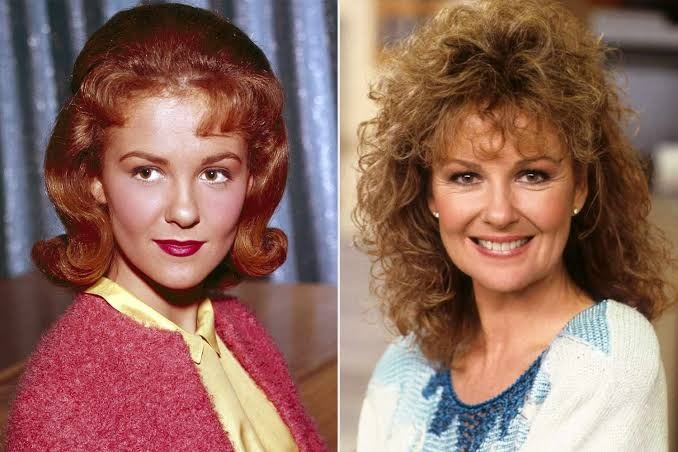
Fabares’ career is remarkable partly because of its longevity.
She began performing as a child and continued working across multiple decades.
She appeared in television programs, films, and other projects while adapting to changing entertainment trends.
Among her later credits were appearances on One Day at a Time and numerous other television productions.
Her career illustrates how unusual it is for a performer to remain connected to audiences across such different periods of popular culture.
Television itself changed dramatically during her lifetime.
The technology changed.
The style of sitcoms changed.
Audience expectations changed.
Yet Fabares continued to be remembered.
Her Marriage to Mike Farrell
Away from her professional life, Fabares shared a long marriage with actor Mike Farrell.
Farrell is widely known for his role as Captain B.J. Hunnicutt on MASH*.
The couple remained together for decades.
Their relationship became an important part of Fabares’ later life, and Farrell was among the family members who announced her passing.
Fabares did not have biological children, but she became stepmother to Farrell’s two children from his previous marriage to actress Judy Farrell.
Her family therefore extended beyond the traditional definition of motherhood.
The tribute released after her passing emphasized her role within that family and the many relationships she valued throughout her life.
Remembering the Person Beyond the Screen
Celebrity obituaries often focus on professional achievements.
Awards.
Television programs.
Movies.
Music.
Career milestones.
But Fabares’ family’s statement focused heavily on something else.
Her character.
They described someone whose kindness and humor made a difference in everyday life.
That distinction is meaningful.
A performer can be remembered for a particular television role, but the people who knew them personally remember conversations, shared experiences, family gatherings, and countless ordinary moments that never appear on a screen.
Fabares’ family made clear that those personal qualities were central to how they saw her.
The Enduring Appeal of Shelley Fabares
One reason Fabares remained memorable is that her career was connected to several important periods in television history.
For older audiences, she may always be Mary Stone from The Donna Reed Show.
For another generation, she may be Christine Armstrong from Coach.
Music fans remember “Johnny Angel.”
Film audiences may remember her performances with Elvis Presley.
These different associations tell the story of a performer who continually found ways to connect with new audiences.
Her career was not defined by one brief moment.
It unfolded over many years.
A Legacy Built on More Than Fame
Shelley Fabares’ passing marks the end of a remarkable chapter in American entertainment history.
She began working in television as a child and eventually became part of some of the most recognizable productions of her era.
She achieved success as an actress.
She reached the top of the music charts.
She appeared alongside major film stars.
She earned Emmy nominations.
And she continued to be remembered by audiences long after her earliest television appearances.
Yet the tribute from her family suggests that her most important legacy may have been much more personal.
They remembered her as someone who made others feel cared for.
That is a legacy that cannot be measured by ratings, awards, or chart positions.
A Star Who Became Part of People’s Lives
For viewers who grew up watching Shelley Fabares, her work may be connected to memories of another time.
Perhaps it was watching television with parents.
Perhaps it was discovering an old movie years later.
Perhaps it was hearing “Johnny Angel” on the radio.
Or perhaps it was seeing her again on Coach and realizing that the actress from an earlier generation was still making audiences smile.
That is one of the unique qualities of entertainment.
Performers can become part of our memories without ever knowing us personally.
Their voices, faces, characters, and performances can become connected to particular moments in our own lives.
Shelley Fabares had that kind of career.
She did not simply appear on television.
She became part of the television memories of several generations.
A Final Reflection
Shelley Fabares’ story is a reminder that a long career is about more than the number of years someone spends in front of a camera.
It is about the connections created along the way.
From a 10-year-old making her television debut to a young actress becoming a household name, from a number-one song to films with Elvis Presley, and eventually to an Emmy-nominated role on Coach, Fabares continually found her place in an evolving entertainment world.
But perhaps the most touching part of her story comes from the people who knew her away from the spotlight.
Her family remembered her kindness.
Her friends remembered her warmth.
Audiences remembered her performances.
And together, those memories create a portrait of a woman whose influence extended far beyond the characters she played.
Shelley Fabares leaves behind a career that crossed generations and a personal legacy defined by the people she made feel loved, welcomed, and valued.
For those who watched her on television decades ago, her performances will remain a small but lasting part of their own memories.
And sometimes, that is the most enduring kind of legacy a performer can leave behind.