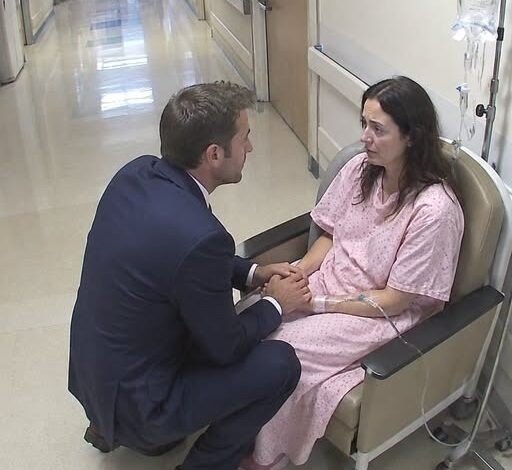
When a Cancer Diagnosis Changes Relationships: Privacy, Boundaries, and Practical Support
A serious medical diagnosis can change more than a person’s health. It can alter family roles, friendships, former relationships, daily routines, and the meaning of support. When someone is undergoing testing, awaiting pathology results, beginning treatment, or preparing for discharge, the practical and emotional demands can be substantial. At the same time, the patient remains entitled to privacy, independence, and control over who is involved in their care.
For people who want to help a former spouse, partner, relative, or friend facing cancer, good intentions are important but not sufficient. Meaningful support requires respecting boundaries, understanding medical confidentiality, listening carefully, and offering practical help without taking control. This approach can reduce stress for the patient while helping supporters respond with consistency rather than pressure.
Why a Cancer Diagnosis Can Reshape Personal Relationships
A cancer diagnosis often arrives during an already difficult period of life. A person may be managing grief, work demands, relationship changes, financial concerns, or responsibilities at home. Tests and appointments can become frequent, while uncertainty about treatment may make long-term planning harder.
According to the American Cancer Society, cancer care may include diagnostic testing, consultations with specialists, surgery, systemic treatments such as chemotherapy or targeted therapy, radiation therapy, rehabilitation, and follow-up monitoring. Not every person will need the same treatment, and decisions depend on the cancer type, stage, pathology findings, overall health, and individual preferences.
Because treatment can be complex, patients may need support with transportation, meals, household tasks, medication reminders, note-taking, or communication with the care team. However, needing help does not remove a person’s right to make choices. A patient may welcome assistance with a ride to an appointment while still preferring to speak privately with their doctor. They may want a family member present for one consultation but not another.
These preferences are normal. Health care should remain centered on the patient’s goals, values, and informed decisions.
Patient Privacy and Medical Confidentiality Matter
One of the most important principles during a medical crisis is that the patient controls access to personal health information. In the United States, the Health Insurance Portability and Accountability Act, commonly known as HIPAA, establishes protections for individually identifiable health information. Health professionals generally cannot share details about a patient’s diagnosis, test results, treatment, or appointments with another person unless the patient authorizes that communication or another legal exception applies.
This can be difficult for a concerned former spouse, friend, or family member. Someone may feel responsible, frightened, or excluded when hospital staff decline to provide updates. Yet confidentiality is not a rejection of caring people. It is a safeguard for the patient’s autonomy.
A respectful response is to ask the patient directly: “Would you like me to receive updates?” or “Is there anything you would like me to know so I can support you?” If the patient says no, supporters should accept that answer without repeatedly seeking information from nurses, physicians, other relatives, or friends.
Respecting privacy can build trust. It also allows patients to decide when and how they want to process difficult news. Some people need time before sharing pathology results or treatment plans. Others prefer to bring a trusted person to appointments to help remember information. Both choices can be appropriate.
Understanding Pathology Reports and Treatment Planning
Pathology is a core part of cancer diagnosis. A pathology report is produced after tissue, cells, or other samples are examined in a laboratory. It can help clinicians determine whether cancer is present and identify features that guide treatment planning.
Receiving a pathology result does not always mean every decision can be made immediately. Additional imaging, laboratory work, specialist consultations, molecular testing, or staging assessments may be needed. The National Cancer Institute explains that cancer staging describes the extent of cancer in the body and helps clinicians discuss prognosis and treatment options. The exact steps depend on the specific diagnosis.
Patients may benefit from writing down questions before appointments. Useful examples include:
- What does this test result mean?
- What additional tests are needed, and why?
- What are the treatment options?
- What benefits, risks, and side effects should I understand?
- When does treatment need to begin?
- Who should I contact if symptoms change or questions arise?
- What support is available for transportation, finances, mental health, or home care?
A notebook, secure digital note, or folder can help keep appointment dates, questions, medication lists, and contact information organized. If a patient asks someone else to take notes, that person should record information accurately and avoid taking over the conversation.
How to Offer Practical Help Without Overstepping
Practical support can be valuable during cancer treatment, but it works best when it is specific and optional. Broad statements such as “Let me know if you need anything” may be sincere, but they can place the burden on an exhausted person to identify needs and ask for help.
A more useful approach is to offer clear choices. For example:
- “Would you like a ride to your appointment on Thursday?”
- “I can pick up groceries or prescriptions this week if that would help.”
- “Would you prefer company in the waiting room, or would you rather go alone?”
- “I can bring a meal on Tuesday, but it is completely fine if you do not want that.”
- “Would it be helpful if I kept a backup list of transportation options?”
The key is to make help available without making acceptance feel like an obligation. A patient may decline support because they have another arrangement, need privacy, or simply do not have the energy for conversation. A refusal should not be treated as a personal insult.
Reliability also matters. If someone agrees to provide transportation, they should confirm the time, arrive early, and communicate promptly if an unexpected problem arises. Medical appointments can be stressful, and uncertainty about a ride may add avoidable anxiety.
Supporting Someone After Divorce or Relationship Change
Helping a former partner through a health crisis can be emotionally complicated. A past relationship may include love, shared history, unresolved conflict, grief, and regret. A diagnosis can bring those feelings to the surface, particularly if the relationship ended during a difficult period.
However, illness does not automatically restore an old relationship or remove the boundaries created by separation or divorce. A former spouse is not automatically entitled to attend appointments, receive medical information, make decisions, or stay in the patient’s home. Those choices belong to the patient.
For supporters, the healthiest approach is often to separate two questions:
- What does the patient need right now?
- What emotions do I need to address outside of the patient’s care?
A person can feel remorse about the past and still avoid placing that emotional burden on someone undergoing treatment. Conversations about reconciliation, blame, forgiveness, or unresolved relationship issues may be better postponed unless the patient chooses to raise them.
Supporters can seek help from a counselor, trusted friend, support group, spiritual adviser, or mental health professional. This can reduce the risk that the patient feels responsible for comforting someone else during an already demanding time.
Communication That Respects Boundaries
Clear communication is especially important when medical care is involved. Patients may need to say, “I need quiet,” “I want my family here,” “Please do not ask staff for information,” or “I will tell you when I need a ride.” These statements should be taken seriously.
Respectful supporters can respond with simple language:
- “I understand. I will give you space.”
- “Thank you for telling me what you need.”
- “I will wait for you to contact me.”
- “I can help with that specific task.”
- “You do not need to explain more than you want to.”
It can also be helpful to ask permission before entering a hospital room, discussing treatment, contacting relatives, or bringing gifts. Even small gestures, such as moving a chair farther away, waiting for a nurse to finish care, or leaving promptly when asked, can communicate respect.
The Importance of Emotional and Social Support During Cancer Care
Cancer can affect emotional well-being as well as physical health. The National Cancer Institute notes that people with cancer may experience distress, anxiety, sadness, uncertainty, or changes in relationships. Family members and caregivers can experience these feelings too.
Support may come from many places: relatives, close friends, faith communities, oncology social workers, patient navigators, therapists, support groups, and palliative care professionals. Palliative care is not limited to end-of-life care; it can be provided alongside treatment to help address symptoms, stress, communication, and quality of life.
No single person needs to carry every responsibility. A practical support network may include one person who drives, another who organizes meals, another who accompanies the patient to appointments when invited, and another who checks in by message without expecting a long reply.
What Meaningful Support Looks Like
Meaningful support is not measured by dramatic promises, expensive gifts, or constant presence. It is often shown through dependable, patient-centered actions: arriving for a ride when asked, waiting outside during a private consultation, helping organize paperwork, bringing a preferred drink, or respecting a request for no visitors.
For a person facing cancer, control over ordinary decisions can matter deeply. Choosing who receives updates, deciding whether to accept help, selecting a support person, and setting limits on visitors are all ways a patient can retain agency during an uncertain period.
For loved ones and former partners, the goal should not be to regain a previous role. It should be to become a safe, reliable, and respectful source of support if the patient wants that help. Consistency over time matters more than one emotional conversation.
Sources
- American Cancer Society: Making Treatment Decisions
- National Cancer Institute: Cancer Diagnosis
- National Cancer Institute: Cancer Staging
- National Cancer Institute: Feelings and Cancer
- U.S. Department of Health and Human Services: HIPAA Privacy Rule
- World Health Organization: Cancer Fact Sheet
- Mayo Clinic: Palliative Care
Disclaimer: This content is intended for entertainment purposes only and is not based on real events.