Watermelon is a refreshing choice for warm-weather meals, family gatherings, and outdoor events, but its large size often means there are leftovers. Knowing how to store leftover watermelon correctly can help preserve its flavor and texture while reducing unnecessary food waste. More importantly, safe storage limits the time that cut fruit spends at temperatures where bacteria can grow.
The best approach depends on whether the watermelon is still whole, has been cut into wedges, or has been diced into cubes. Clean handling, prompt refrigeration, suitable containers, and attention to time are all important. While watermelon may still look appealing after sitting out for a while, appearance alone is not a reliable measure of food safety.
This guide explains how to keep whole and cut watermelon fresh, how long it can stay in the refrigerator, what to do during picnics and outdoor meals, and how to use or freeze leftovers responsibly.
Why Cut Watermelon Needs Different Storage
A whole watermelon has a thick rind that provides natural protection for the fruit inside. Before it is cut, the edible flesh is separated from many contaminants that may be present on the outside of the melon. Once a knife passes through the rind, however, the juicy interior is exposed and should be handled as a perishable food.
Cut watermelon has a high water content and is usually eaten without further cooking. That means refrigeration is important after preparation. The United States Food and Drug Administration recommends keeping refrigerators at or below 40°F (4°C), a temperature that slows the growth of many bacteria that can cause foodborne illness.
Safe storage is not only about preventing obvious spoilage. Some harmful bacteria may not cause a noticeable change in smell, color, or taste. For this reason, it is sensible to follow food-safety time limits even when leftover watermelon still appears fresh.
How to Store a Whole Watermelon Before Cutting
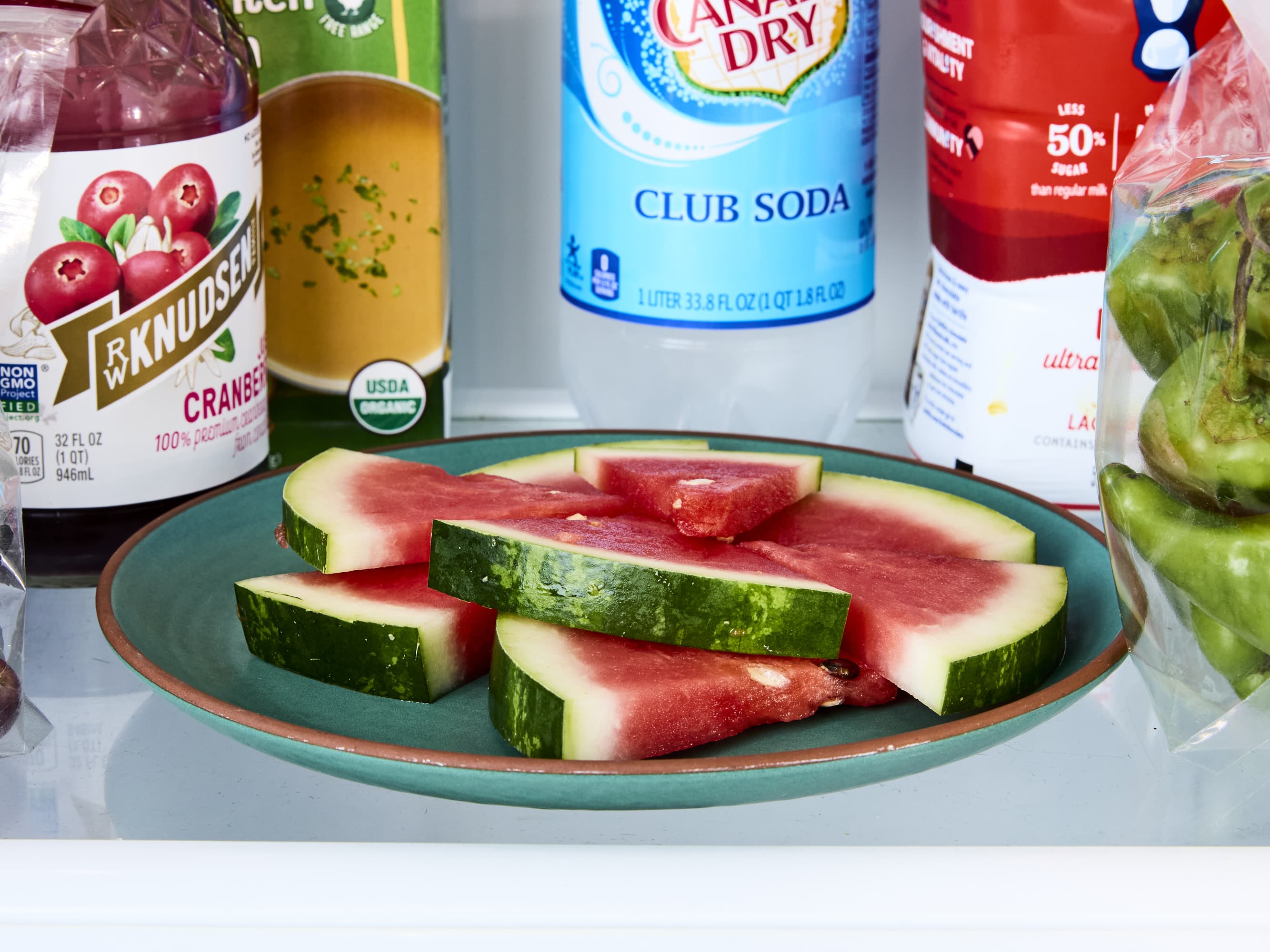
If the watermelon is intact, it can usually be kept at room temperature for a short period before cutting, especially if it was displayed unrefrigerated at the store. However, a cool environment is generally better than a hot kitchen, sunny countertop, car, or outdoor patio.
Keep a whole watermelon away from direct sunlight, ovens, radiators, and other heat sources. High temperatures can speed quality loss and shorten the fruit’s useful life. If you plan to serve the watermelon soon, storing it in a cool, dry place may be practical. If you want to keep it longer, refrigeration can help maintain quality, although a large melon may take up considerable refrigerator space.
When buying a watermelon, inspect the rind for major cracks, leaking liquid, deeply soft areas, or visible mold. A damaged rind can make the fruit more vulnerable to spoilage. Choose a melon that feels heavy for its size and has a firm exterior. A pale yellow field spot, where the melon rested on the ground while growing, is often a normal sign of maturity, although it is not a guarantee of sweetness.
Wash the Rind Before You Cut Watermelon
Washing a watermelon may seem unnecessary because the rind is not normally eaten. Yet food-safety agencies advise washing produce under running water before cutting or eating it, including fruits with thick skins. Dirt and microorganisms on the outside can be transferred to the flesh by a knife during slicing.
Before preparing watermelon, take a few basic precautions:
- Wash your hands with soap and water before handling the fruit.
- Rinse the whole watermelon under clean running water.
- Use a clean produce brush to gently scrub the rind if needed.
- Dry the melon with a clean paper towel or clean cloth.
- Wash knives, cutting boards, countertops, and storage containers before use.
Do not wash watermelon with dish soap, bleach, detergent, or household cleaning products. These products are not intended for food and may leave residues behind. Clean running water and a dedicated produce brush are sufficient for routine preparation.
It is also wise to avoid cross-contamination. Use a clean cutting board rather than one that has recently held raw meat, poultry, seafood, or eggs unless it has been thoroughly washed and sanitized. This simple step is especially relevant when preparing fruit for children, older adults, pregnant people, or anyone with a weakened immune system.
How Long Does Cut Watermelon Last in the Fridge?
After slicing, refrigerate watermelon as soon as possible. Health Canada advises keeping cut melons refrigerated and using them within four days. For the best flavor and texture, many households may prefer to eat cut watermelon within three to four days, provided it has been kept continuously cold and handled cleanly.
Store watermelon at 40°F (4°C) or below. A refrigerator thermometer can be useful because refrigerator settings do not always reflect the actual temperature inside the appliance. Avoid placing the fruit in a warm refrigerator door compartment; a central shelf is usually more stable.
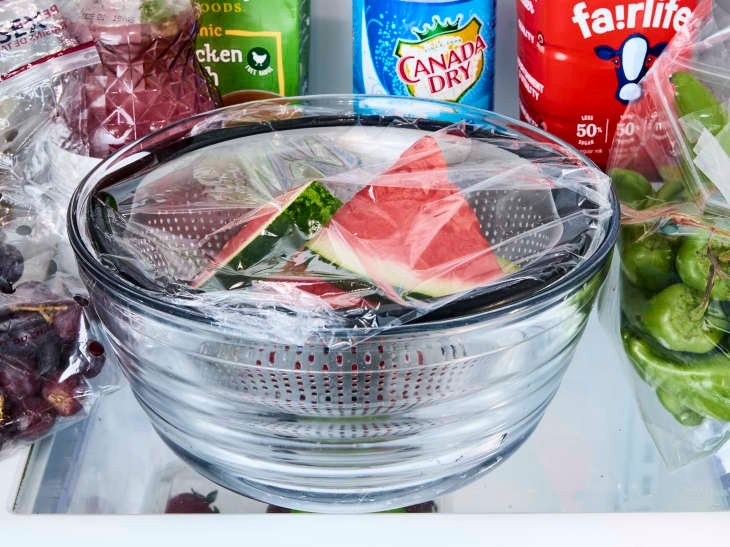
For watermelon cubes, balls, or small pieces, use a clean airtight container. Airtight storage helps limit moisture loss and protects the fruit from absorbing odors from other foods. If you have large wedges or half a melon, tightly cover the exposed flesh with food-safe wrap or place the pieces in a large covered container.
Labeling the container with the date it was cut is a practical habit. It removes guesswork, particularly in busy households where leftovers can be overlooked. If you are uncertain when the watermelon was prepared, it is safer not to keep it beyond the recommended refrigerated period.

Food Safety Rules for Watermelon at Picnics and Barbecues
Cut watermelon is popular at picnics, barbecues, poolside lunches, and community events. These settings can make temperature control difficult, especially in hot weather. The key principle is to keep cut fruit cold until it is served and to avoid leaving it at room temperature for extended periods.
The FDA’s general guidance for perishable foods is commonly called the two-hour rule: foods that need refrigeration should not remain at room temperature for more than two hours. When the air temperature is above 90°F (32°C), that limit falls to one hour. These guidelines apply to cut melon as well as many other prepared foods.
Refrigerating watermelon after it has sat out too long does not make it safe again. Cooling can slow bacterial growth, but it cannot reverse the time the fruit spent in warmer conditions. It is better to discard cut watermelon that has exceeded the recommended time limit than to rely on a smell or taste test.
For safer outdoor serving, consider the following:
- Transport cut watermelon in an insulated cooler with ice or frozen gel packs.
- Keep the cooler closed as much as possible to retain cold air.
- Serve smaller batches and keep the rest chilled.
- Place serving dishes in the shade rather than direct sun.
- Use clean utensils so guests do not handle all of the fruit directly.
- Return unused portions to the cooler promptly, as long as they have remained within the safe time limit.
These measures are useful for families and event organizers alike. They also help maintain the crisp, cool texture that makes watermelon appealing in the first place.
Best Containers for Leftover Watermelon
The right container can make leftover watermelon easier to store and serve. For diced fruit, a shallow airtight container is often more useful than a deep bowl. It allows the pieces to cool quickly and makes it easier to see what is available. Glass or food-safe plastic containers with secure lids can both work well.
For wedges, cover cut surfaces tightly with food-safe wrap, then place them on a plate or in a container in the refrigerator. Avoid leaving exposed watermelon uncovered, as it can dry out, pick up refrigerator odors, and become less appealing.
There is no need to rinse cut watermelon before placing it in storage. Additional washing can add moisture and may create more opportunities for contamination if the sink or utensils are not clean. Instead, focus on washing the whole melon before cutting and using clean equipment throughout preparation.
Cut Watermelon in Portions You Can Use
Planning portions can reduce both waste and storage challenges. Rather than cutting a large watermelon into one oversized bowl of cubes, consider how it will be used over the next several days. Wedges may be ideal for a family meal, while cubes are convenient for lunchboxes, breakfast bowls, salads, and smoothies.
Watermelon sticks can be an easy option for children and quick snacks. Small cubes work well when mixed with other fruits. Larger pieces may stay firmer than very small pieces because they have less exposed surface area, although all cut watermelon still needs refrigeration.
Use a stable cutting board and a sharp knife that you can control comfortably. To reduce slipping, cut a small section from the rind to create a flat base before dividing a large melon. Careful preparation supports both kitchen safety and better-looking portions.
Ways to Use Leftover Watermelon Before It Spoils
Leftover watermelon does not have to be served exactly the same way each day. Changing how it is used can make it easier to finish before the recommended storage period ends. Its mild sweetness and high water content make it versatile in simple summer recipes.
Add chilled watermelon cubes to a fruit salad with berries, grapes, or citrus segments. Blend the fruit into smoothies with yogurt, milk, or a plant-based alternative. Watermelon can also be paired with lime juice and fresh mint for a refreshing snack. For a savory-sweet salad, it may be combined with cucumber, herbs, and a modest amount of cheese, depending on dietary preferences.
When using refrigerated leftovers in recipes, begin with watermelon that has been stored safely. Blending, seasoning, or adding other ingredients does not make fruit safe if it has already been left out too long.
Can You Freeze Watermelon?
Freezing is a useful way to preserve watermelon that you will not finish in time. It is best to freeze the fruit while it is still fresh, cold, and within its recommended refrigerated storage period. Frozen watermelon is particularly useful for smoothies, slush-style drinks, and blended desserts.
To freeze watermelon, remove the rind and seeds if desired, then cut the flesh into cubes. Arrange the cubes in a single layer on a baking tray lined with parchment paper. Freeze until firm, then transfer the pieces to a freezer-safe bag or airtight container. Removing as much air as practical from the bag can help reduce freezer burn.
Because watermelon contains so much water, its texture changes after thawing. Defrosted pieces tend to become softer and release liquid, so they are usually less suitable for a fresh fruit platter. This is a quality issue rather than an indication that freezing was unsafe.
How to Tell When Leftover Watermelon Should Be Discarded
Throw away watermelon if you see mold, notice a sour or unpleasant odor, or find that the fruit has developed a slimy surface. Significant discoloration, leaking liquid, or an unusually mushy texture can also indicate that the quality has declined.
However, visible signs cannot identify every food-safety problem. Do not taste questionable watermelon to decide whether it is safe. If cut fruit was left at room temperature beyond the two-hour limit, or beyond one hour in temperatures above 90°F (32°C), discard it even if it still looks normal.
When in doubt, choosing not to eat it is the cautious option. This approach may feel wasteful, but preventing avoidable foodborne illness is more important than saving a few remaining pieces of fruit.
Key Takeaways for Fresh and Safe Leftover Watermelon
Storing leftover watermelon safely is straightforward when a few essential habits become routine. Wash the rind before cutting, use clean equipment, refrigerate cut pieces promptly, and keep them in covered containers at 40°F (4°C) or below. Plan to use refrigerated cut watermelon within three to four days, and do not leave it unrefrigerated for more than two hours, or more than one hour during very hot weather.
For outdoor meals, keep portions cold in a well-stocked cooler and serve smaller batches as needed. Freeze fresh leftovers if you cannot use them in time, remembering that thawed watermelon is best for blended recipes. With sensible preparation and storage, you can enjoy more of this seasonal fruit while making food safety a priority.
Sources
Disclaimer: This content is intended for entertainment purposes only and is not based on real events.