How to Get Rid of Tartar on Your Teeth: What Really Works and What to Avoid
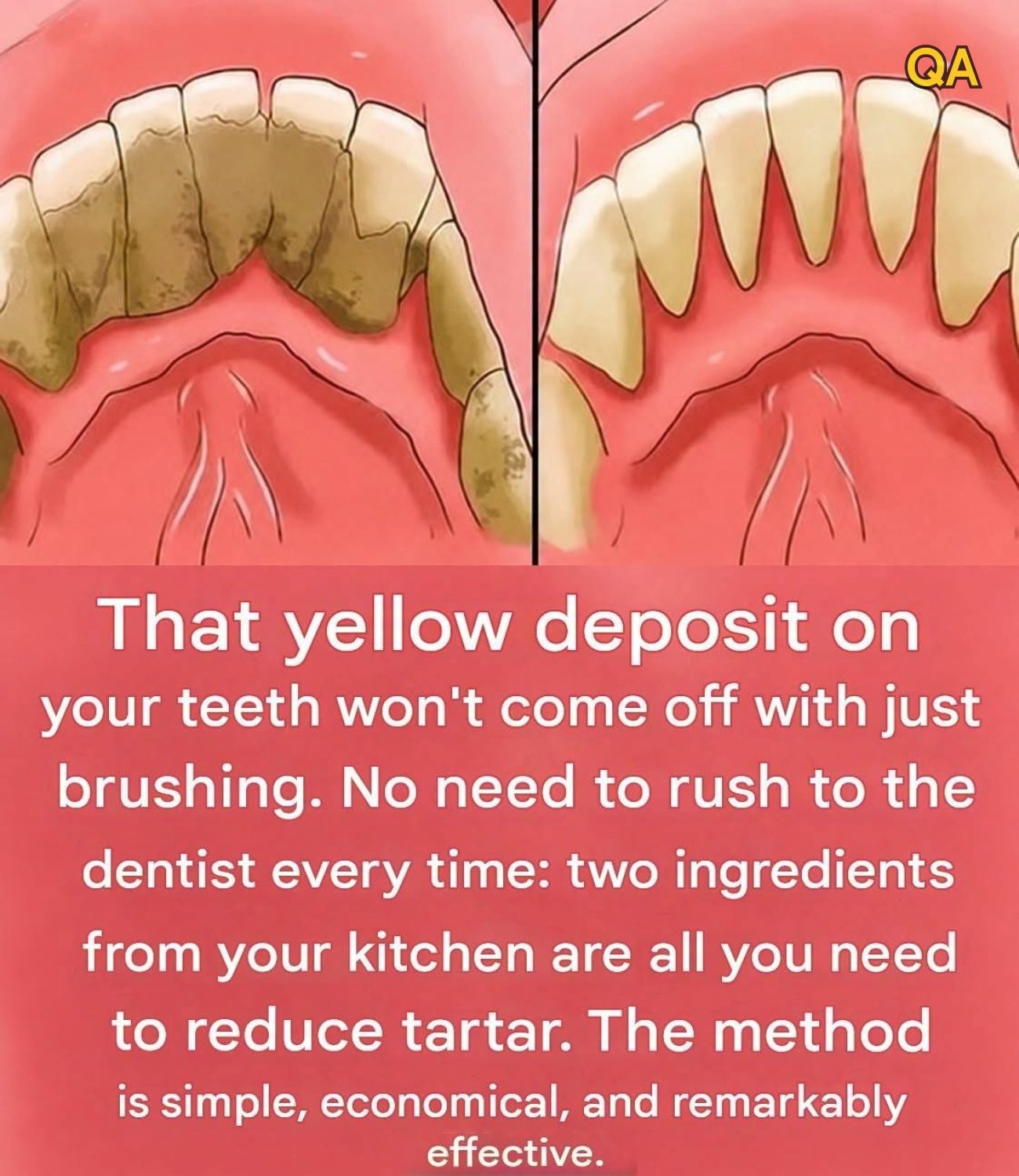
Have you ever noticed yellowish or brownish deposits collecting around your teeth, particularly along the gumline or behind your lower front teeth? These stubborn deposits may be dental tartar, also known as calculus.
Although tartar is a common dental concern, it is more than just a cosmetic issue. If left untreated, it can make oral hygiene more difficult, contribute to gum inflammation, and increase the risk of developing periodontal disease.
The good news is that tartar buildup can be managed with professional dental care and prevented through consistent oral hygiene. However, understanding the difference between plaque and tartar is essential because the two require different approaches.
Plaque is a soft, sticky film of bacteria that naturally forms on teeth throughout the day. When plaque is not adequately removed through brushing and flossing, minerals in saliva gradually harden it into tartar.
Once this happens, ordinary brushing cannot remove the deposit.
So, how can you get rid of tartar on your teeth? Are popular home remedies effective, and what should you avoid when trying to improve your oral health?
Let’s explore the causes of tartar buildup, the safest ways to remove it, and the everyday habits that can help keep your teeth and gums healthy.
What Causes Tartar to Build Up on Your Teeth?
Tartar develops when dental plaque remains on tooth surfaces long enough to become mineralized. This process can happen relatively quickly, particularly in areas that are difficult to reach with a toothbrush.
Plaque contains bacteria that feed on sugars and other carbohydrates left behind after eating and drinking. These bacteria produce acids and other substances that contribute to tooth decay and gum irritation.
When plaque is not removed regularly, minerals naturally present in saliva can turn it into a hard deposit.
Unlike plaque, tartar attaches firmly to the tooth surface and creates a rough area where additional plaque can accumulate.
Common places where tartar develops include:
-
Along the gumline, particularly around the lower front teeth.
-
Behind the lower front teeth, where saliva ducts are located nearby.
-
Between teeth that are difficult to clean thoroughly.
-
Around dental restorations, crowns, and bridges.
-
In areas where brushing and flossing are inconsistent.
Some people develop tartar more quickly than others. Saliva composition, oral hygiene habits, diet, tobacco use, and individual differences can all influence how much plaque and tartar accumulate.
Understanding these factors is the first step toward preventing additional deposits.
Can You Remove Tartar at Home?
One of the most important things to understand about dental tartar is that it cannot be reliably removed with ordinary brushing or flossing once it has hardened.
Brushing and flossing are designed to remove plaque before it becomes mineralized. They remain essential for preventing additional deposits, but they cannot replace professional tartar removal.
According to the American Dental Association (ADA), established tartar requires professional dental cleaning.
A dentist or dental hygienist uses specialized instruments to remove deposits safely from tooth surfaces and, when necessary, from areas beneath the gumline.
Although various home remedies are promoted online as natural tartar removers, there is insufficient scientific evidence that ingredients such as lemon juice, strawberries, coconut oil, or homemade abrasive mixtures can dissolve established tartar.
The safest strategy is straightforward: arrange professional cleaning to remove existing tartar and maintain good oral hygiene to prevent new deposits.
1. Brush Twice a Day With Fluoride Toothpaste
Regular brushing is one of the most effective ways to prevent plaque from developing into tartar.
The American Dental Association recommends brushing twice daily for approximately two minutes using fluoride toothpaste and either a manual or powered toothbrush.
Fluoride helps strengthen tooth enamel and protect against tooth decay. Although it does not dissolve existing tartar, it plays an important role in maintaining healthy teeth.
For better plaque removal, pay particular attention to the following areas:
-
Along the gumline, where plaque frequently collects.
-
The outer and inner surfaces of every tooth.
-
The chewing surfaces of your back teeth.
-
Areas surrounding crowns, fillings, and other dental restorations.
Use a soft-bristled toothbrush and gentle movements rather than applying excessive pressure. Brushing too aggressively can irritate the gums and contribute to enamel wear.
An electric toothbrush may also be helpful for people who struggle to clean every surface thoroughly. Some powered toothbrushes include timers and pressure sensors that encourage better brushing habits.
The main objective is to remove plaque consistently before it has time to harden into tartar.
2. Floss Between Your Teeth Every Day
Even if you brush carefully, your toothbrush cannot effectively reach every surface between your teeth.
These narrow spaces are common places for plaque and food particles to accumulate. If they are not cleaned regularly, bacteria can contribute to gum inflammation and tartar formation.
Daily flossing helps remove plaque from these difficult-to-reach areas.
The ADA recommends cleaning between your teeth once a day using dental floss or another suitable interdental cleaning device.
If traditional floss is uncomfortable or difficult to handle, consider alternatives such as:
-
Interdental brushes designed to fit between your teeth.
-
Water flossers that use a controlled stream of water.
-
Special dental picks designed for cleaning between teeth.
The most appropriate option depends on the spacing between your teeth, dental restorations, and individual oral health needs.
For example, interdental brushes may be particularly useful when there are larger spaces between teeth, while traditional floss can work well for tighter spaces.
Consistency is more important than choosing an expensive product. The aim is to remove plaque regularly before it becomes hardened tartar.
3. Be Careful When Using Baking Soda
Baking soda is frequently mentioned as a natural ingredient for cleaning teeth.
Some commercially formulated toothpastes contain baking soda because it can help remove surface stains and support cleaning. However, this does not mean that homemade baking soda mixtures can remove hardened tartar.
Combining baking soda with salt or other abrasive ingredients is not a proven treatment for dental calculus.
Excessive scrubbing with homemade mixtures may also irritate sensitive gums, particularly if you apply too much pressure.
If you prefer a baking soda-based toothpaste, choose a commercially formulated product designed for oral use. Look for products that meet recognized dental safety standards, such as the ADA Seal of Acceptance where available.
Remember that removing surface stains and removing tartar are two different things. A toothpaste may help improve the appearance of your teeth without being capable of removing hardened deposits.
4. Avoid Using Lemon Juice or Fruit to Scrub Your Teeth
Some online home remedies recommend rubbing lemon juice, strawberries, tomatoes, or other acidic foods directly onto teeth to remove tartar and improve tooth color.
Unfortunately, these methods are not supported by reliable scientific evidence.
More importantly, repeated exposure to acidic substances can weaken tooth enamel through a process called dental erosion.
Enamel is the hard outer protective layer of your teeth. Once it has been significantly lost, the body cannot naturally regenerate it.
Dental erosion can increase tooth sensitivity and make teeth more vulnerable to other oral health problems.
Citrus fruits, tomatoes, and strawberries can still be part of a healthy, balanced diet. They provide important nutrients and do not need to be avoided simply because they contain natural acids.
The important distinction is that eating these foods is not the same as applying their juices directly to teeth as a homemade cleaning treatment.
For everyday dental care, stick to fluoride toothpaste, gentle brushing, and appropriate interdental cleaning.
5. Does Coconut Oil Help Remove Tartar?
Oil pulling is a traditional practice that involves swishing edible oil around the mouth before spitting it out.
Coconut oil is particularly popular because of claims that it can improve oral hygiene, reduce bacteria, whiten teeth, and remove tartar.
However, the available scientific evidence does not establish oil pulling as an effective treatment for hardened dental calculus.
The American Dental Association does not recommend oil pulling as a replacement for established dental hygiene practices because reliable evidence demonstrating meaningful oral health benefits is lacking.
Even if someone chooses to include oil pulling in their personal routine, it should never replace recommended dental care.
Brushing twice daily with fluoride toothpaste, cleaning between teeth every day, and attending regular dental appointments remain the foundations of oral hygiene.
There is no need to spend money on special oils or products marketed as natural tartar removers when professional cleaning is the appropriate solution for existing deposits.
6. Never Scrape Tartar With Toothpicks or Sharp Objects
When tartar becomes visible near the front of your teeth, it can be tempting to remove it yourself.
Some people attempt to scrape hardened deposits using metal dental tools, toothpicks, needles, or other household objects.
This is not recommended.
Improper scraping can injure delicate gum tissue, cause bleeding, and potentially damage tooth surfaces. It may also push debris into areas that are difficult to clean.
Professional dental instruments are designed for removing hardened deposits while minimizing unnecessary damage to teeth and surrounding tissues.
Dentists and dental hygienists also have the training to identify deposits beneath the gumline, where tartar may contribute to inflammation without being easily visible.
If you notice a hard yellow or brown deposit that does not disappear with brushing, arrange a professional dental appointment rather than attempting to remove it yourself.
How Do Dentists Remove Hardened Tartar?
Professional dental cleaning, commonly called scaling, is the standard approach to removing established tartar.
During the procedure, a dentist or dental hygienist uses specialized hand instruments or ultrasonic equipment to remove hardened deposits from tooth surfaces.
Ultrasonic instruments use controlled vibrations and water to help break up deposits, while hand instruments allow dental professionals to clean specific areas carefully.
The type of cleaning required depends on how much tartar has accumulated and whether gum disease is present.
For people with more advanced periodontal problems, a dentist may recommend scaling and root planing, sometimes called deep cleaning.
This procedure removes plaque and tartar from below the gumline and cleans the root surfaces to help manage gum disease.
Professional cleaning is generally straightforward, although some people experience temporary sensitivity or gum tenderness afterward.
Your dentist can explain what to expect and recommend suitable care based on your individual needs.
How Can You Prevent Tartar From Returning?
Once existing tartar has been professionally removed, maintaining a consistent oral hygiene routine is essential.
Prevention is generally easier than treating established deposits, and several everyday habits can make a meaningful difference.
Drink Plenty of Water
Water helps rinse away food particles and supports normal saliva production.
Saliva plays an important role in oral health because it helps neutralize acids and maintain the natural balance inside the mouth.
Drinking fluoridated tap water, where available, can also provide additional protection against tooth decay.
Limit Sugary Foods and Drinks
Frequent consumption of sugary foods and beverages encourages the bacteria involved in plaque formation and tooth decay.
You do not necessarily need to eliminate every sweet food from your diet, but reducing frequent sugar exposure can support better oral health.
Pay particular attention to sugary drinks, sweets, and snacks consumed repeatedly throughout the day.
Follow a Balanced Diet
A balanced diet containing vegetables, fruits, whole grains, and other nutrient-rich foods supports overall health, including the health of your teeth and gums.
Choose water more often than sugary beverages and avoid relying on highly processed snacks as regular meals.
Avoid Smoking and Tobacco Products
Smoking is an important risk factor for gum disease.
According to the Centers for Disease Control and Prevention (CDC), people who smoke have approximately twice the risk of developing gum disease compared with nonsmokers.
Smoking can also interfere with the body’s ability to fight infection and heal gum tissue.
Quitting tobacco can therefore make an important contribution to long-term oral health.
Schedule Regular Dental Checkups
Professional examinations and cleanings help identify tartar accumulation, gum inflammation, cavities, and other problems before they become more serious.
The appropriate frequency of dental visits varies between individuals.
Some people benefit from routine appointments every six months, while others may require more frequent professional care because of periodontal disease or other risk factors.
Your dentist can recommend an appropriate schedule based on your oral health history.
When Should You Visit a Dentist?
Visible tartar is a good reason to arrange a dental appointment, particularly if the deposits remain despite regular brushing.
You should also seek professional advice if you experience any of the following symptoms:
-
Gums that bleed during brushing or flossing.
-
Persistent unpleasant breath.
-
Red, swollen, or tender gums.
-
Gums that appear to be pulling away from your teeth.
-
Increased tooth sensitivity.
-
Teeth that feel loose or have changed position.
-
Discomfort when chewing.
These symptoms can indicate gingivitis or more advanced periodontal disease.
Gingivitis is an early form of gum disease characterized by inflammation. It is generally reversible with appropriate oral hygiene and professional dental care.
Periodontitis is more advanced and can damage the tissues and bone supporting the teeth. Although the damage cannot simply be reversed, professional treatment can help manage the condition and slow further progression.
Importantly, gum disease does not always cause noticeable discomfort in its early stages.
Regular dental examinations remain valuable even when your teeth appear healthy.
If you develop significant swelling, severe dental pain, or signs of an infection, seek prompt professional dental assessment.
The Bottom Line: Prevention Is Better Than Trying to Remove Tartar Yourself
Tartar buildup is a common dental problem, but it should not be ignored.
Although it may initially appear to be a minor cosmetic concern, hardened deposits can make effective cleaning more difficult and contribute to gum inflammation and periodontal disease.
The most reliable approach combines professional tartar removal with consistent daily oral hygiene.
Brush twice a day for two minutes with fluoride toothpaste, clean between your teeth daily, limit frequent sugary snacks and drinks, and attend regular dental checkups.
Most importantly, avoid relying on lemon juice, coconut oil, homemade abrasive mixtures, or sharp household objects to remove hardened tartar. These methods cannot replace professional dental treatment and may cause unnecessary damage.
If you already have visible tartar, a dentist or dental hygienist can assess your teeth and recommend the appropriate cleaning procedure.
Maintaining a healthy smile does not require complicated treatments or expensive products. Simple, evidence-based habits, combined with regular professional care, offer the best foundation for healthy teeth and gums throughout your life.
Sources
The following reputable organizations provide evidence-based information about dental hygiene, tartar removal, and gum disease:
-
American Dental Association (ADA) – Dental Floss and Interdental Cleaners
-
Centers for Disease Control and Prevention (CDC) – About Periodontal (Gum) Disease
Disclaimer: This article provides general educational information about oral hygiene and is not a substitute for professional dental advice, diagnosis, or treatment.