Here’s What the Little Button on Your Seat Belt Is Really For
Introduction: The Curious Case of the Seat Belt Button
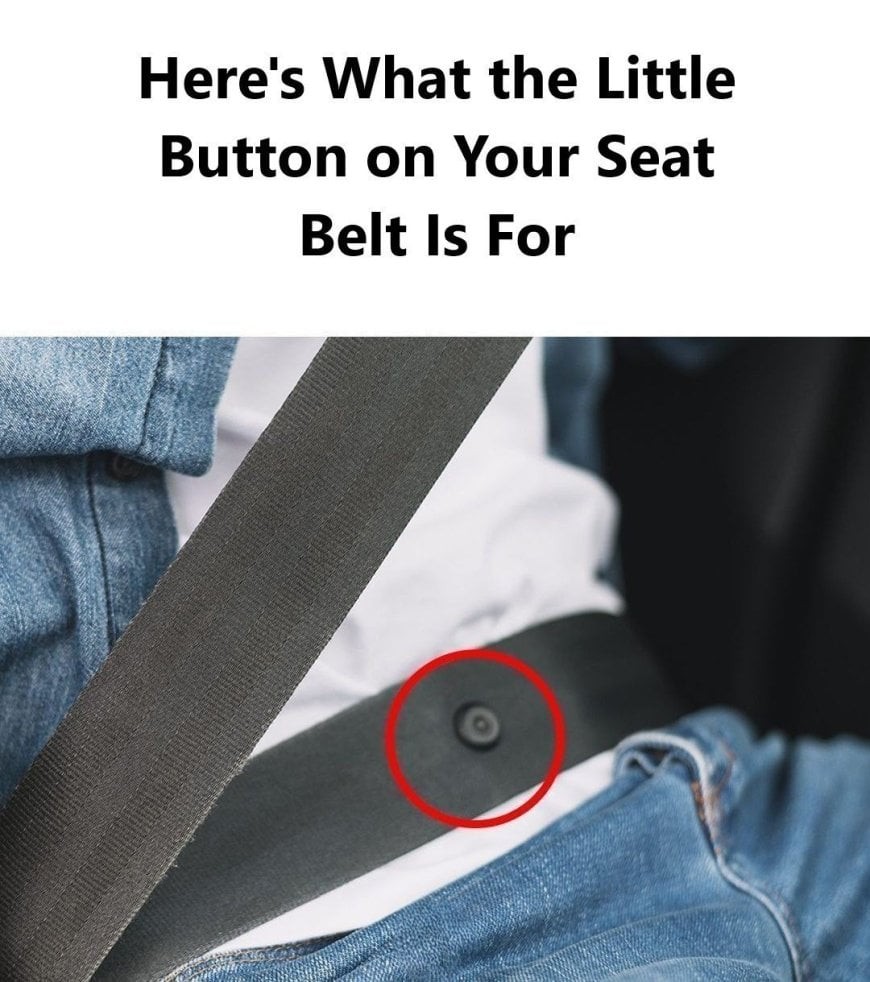
For many drivers and passengers, the seat belt is a familiar companion on every journey. But few notice a subtle detail: a small, rounded plastic button that is stitched onto the seat belt webbing, usually a few inches from the buckle attachment point. Although easily overlooked, this tiny feature plays a significant role in the function and safety of your vehicle’s restraint system. Understanding the seat belt button can reveal insights into automotive design, passenger safety, and the evolution of everyday objects in modern vehicles.
The Origins and Evolution of Seat Belt Design
The seat belt, as a concept, has been around since the early 20th century, but its widespread adoption followed extensive research into vehicular safety. Early seat belts were simple lap belts. Today’s three-point restraint system, developed by Nils Bohlin at Volvo in 1959, represented a revolution in safety engineering, providing a secure yet comfortable harness that could save lives in the event of a collision.
Automotive engineers continually refined seat belt features for improved reliability and convenience. One small but important innovation is the plastic button attached to the seat belt webbing. This button does not serve a decorative or electronic function but is crucial for usability and safety.
What Is the Seat Belt Button?
The seat belt button is technically called a “seat belt stopper button” or “seat belt end button”. It is a small, rounded disc made of durable plastic, sewn securely onto the belt, typically placed a short distance from the buckle tongue or latch plate—the metal piece you insert into the seat belt buckle.
Its primary purpose is deceptively simple: to prevent the buckle tongue from sliding down to the floor when the seat belt is retracted or released. By keeping the buckle in place, the button ensures that the metal tongue remains accessible, reducing frustration for passengers and improving usability.
The Engineering Behind the Button
The seat belt stopper button is carefully engineered to handle repeated contact, friction, and adjustments. Automobile manufacturers use high-density plastics to ensure that the button will withstand years of use without breaking or detaching. It is usually sewn through the belt fabric using specialized equipment so it stays firmly anchored but does not interfere with the belt’s deployment in an emergency. This ensures longevity and consistent performance.
The placement of the button is a result of ergonomic research. If the buckle tongue is allowed to slide too far—especially on a retracted belt—it can sink beneath the seat, get caught in awkward positions, or require the passenger to search for it every time they buckle up. By restricting its movement with the button, the design saves time and frustration on every trip.
How the Seat Belt Button Impacts Safety
The seat belt stopper does not directly influence crash safety like the locking mechanism or the retractor spindle. However, its indirect impact on occupant safety is significant. By keeping the buckle tongue readily accessible, it encourages consistent seat belt use. If passengers have trouble finding the buckle or if it is hidden beneath the seat, they may delay fastening their seat belt or neglect to use it altogether.
The World Health Organization (WHO) and other safety organizations consistently stress the importance of seat belt usage. Any design improvement that makes it easier for passengers to engage their seat belt promotes road safety. The button, as a facilitator of convenience, is a subtle but vital intervention in encouraging this behavioral change.
Passenger Experience and Comfort
The seat belt button is also a product of ergonomic considerations. Automotive engineers assess how passengers interact with restraint systems. When the buckle tongue remains within easy reach, passengers can buckle up with minimal effort. This increases comfort, especially for elderly passengers or children who might struggle with tangled belts or inaccessible buckles.
In some vehicles, multiple buttons may be installed on a single seat belt, depending on the configuration. For example, vehicles with adjustable shoulder height systems or child safety restraints may use extra buttons to maintain optimal positioning.
What Happens When the Button Fails?
Despite its sturdy design, a seat belt button can occasionally detach from the webbing due to wear, force, or manufacturing defects. When this happens, the buckle tongue may slide freely—causing inconvenience and potentially frustrating passengers. In rare cases, a missing button can make fastening the belt more difficult and may lead to less frequent seat belt usage, a known risk factor in road accidents.
Automotive safety experts recommend that any damaged or missing seat belt stopper buttons be repaired promptly. Authorized mechanics can replace or repair the button using manufacturer-approved parts and methods. Drivers should never attempt makeshift repairs using adhesives, threads, or foreign objects, as these may compromise safety and reliability.
Regulatory Standards and Manufacturing Guidelines
The design of seat belts, including stopper buttons, follows strict international standards established by automotive regulatory bodies. The United Nations Economic Commission for Europe (UNECE), National Highway Traffic Safety Administration (NHTSA), and other organizations set requirements for durability, placement, and material safety. These regulations are regularly updated based on crash data, advances in engineering, and user feedback.
Manufacturers undergo rigorous testing to ensure components—including the button—meet these standards. Factory-quality checker teams inspect every seat belt to confirm that the stopper button is securely installed and positioned for maximum convenience.
Expert Views on Seat Belt Innovations
Leading safety engineers and human factors specialists often underscore the value of incremental improvements in automotive restraint systems. Dr. William G. Hall, a vehicle safety consultant, notes that “convenience features like the seat belt stopper button, while seemingly minor, can have a positive impact on usage rates—especially among groups prone to skipping seat belts when faced with obstacles.”
Research from the Insurance Institute for Highway Safety (IIHS) supports this observation, finding that design features which reduce friction and hassle correlate with higher rates of seat belt compliance. Thus, even small features, when thoughtfully engineered and implemented, contribute to the broader goal of road safety.
Global and Societal Impact of Seat Belt Usability
The issue of seat belt usability extends beyond technical engineering. In many countries, seat belt use remains a challenge due to infrastructural, cultural, or socioeconomic factors. The WHO’s Global Status Report on Road Safety highlights that seat belt usage is associated with reduced fatalities and injuries, but actual compliance varies widely by region.
Innovations such as the stopper button, while commonplace in developed automotive markets, may not be present in all vehicles worldwide. Governments and advocacy organizations continue to push for universal adoption of user-friendly restraint systems, highlighting the role of ergonomics and accessibility in road safety initiatives.
Future Developments in Seat Belt Technology
Automotive safety technology is evolving rapidly. Modern vehicles incorporate advanced features like seat belt pre-tensioners, force limiters, and reminder alarms to drive occupant protection. Still, foundational features like the seat belt stopper button remain relevant, demonstrating the lasting importance of practical engineering solutions.
As cars become smarter and restraints become more sophisticated, new materials and sensors may be integrated into seat belts. However, physical features that boost usability are unlikely to disappear. Manufacturers may refine their design further to accommodate new seat and passenger layouts, ensuring safety and convenience remain central.
Conclusion: Small Details, Big Difference
The humble seat belt button illustrates how small, often unnoticed engineering solutions can make a meaningful difference. While it does not directly prevent injury in a crash, it supports consistent use of the seat belt—a critical factor in road safety. Thoughtful attention to usability and ergonomics increases passenger comfort and encourages life-saving behaviors. Next time you buckle up, you can appreciate the tiny button as a testament to decades of safety innovation.
Sources
- BBC News: Seat Belts and Automotive Safety
- World Health Organization: Global Status Report on Road Safety
- National Highway Traffic Safety Administration: Seat Belt Safety
- Insurance Institute for Highway Safety: Seat Belt Research
- Volvo Club: History of the Three-Point Seat Belt
- United Nations Economic Commission for Europe
Disclaimer: This content is intended for entertainment purposes only and is not based on real events.