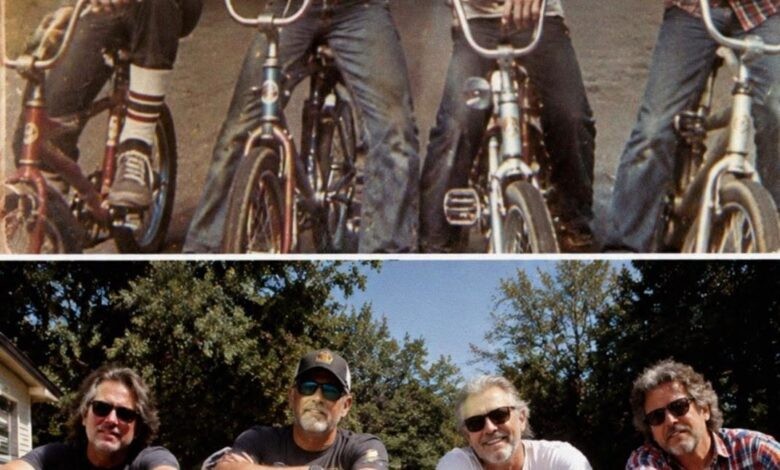
Editor’s note: The original draft is a fictional, inspirational narrative. The following article preserves its central themes—friendship, aging, second chances, and motorcycle travel—while presenting verified information and practical guidance rather than portraying the story’s events as factual.
Why Old Friendships Can Matter More With Age
Reconnecting with friends from earlier stages of life can be deeply meaningful, especially during midlife and later adulthood. Old friends may remember the places, ambitions, family backgrounds, and formative experiences that shaped a person long before careers, marriages, moves, and daily responsibilities took over. Those shared memories can create a powerful sense of continuity.
Friendship is not merely a pleasant extra in adult life. Public-health organizations increasingly recognize social connection as an important part of wellbeing. The U.S. Surgeon General has warned that social isolation and loneliness can affect physical and mental health, while the National Institute on Aging notes that staying connected with others can support emotional health as people grow older.
Rekindling a friendship does not require recreating the past exactly. People change over decades, and a reunion may reveal different personalities, needs, and priorities. Still, a simple message, phone call, shared meal, or planned trip can open the door to a renewed relationship. The goal is not nostalgia for its own sake. It is creating room for meaningful connection in the present.
For many adults in their fifties, sixties, and beyond, reconnection can be especially valuable after a major life transition. Retirement, children leaving home, relocation, bereavement, or changes in health can alter everyday routines and social networks. Reliable relationships can provide companionship, practical support, and a reminder that life remains open to new experiences.
The Importance of Turning “Someday” Plans Into Realistic Goals
Many people carry long-standing dreams: taking a cross-country journey, learning a skill, visiting a meaningful place, reconnecting with a friend, or pursuing a hobby that was postponed for years. These goals are often delayed for understandable reasons, including work commitments, financial constraints, caregiving, health concerns, and family responsibilities.
However, an aspiration can remain indefinitely on a “someday” list unless it becomes a specific plan. Behavioral research and practical goal-setting advice often emphasize the value of defining a goal clearly, identifying the first manageable action, setting a realistic timeline, and reviewing progress. A large ambition does not have to be completed all at once. Saving a small amount regularly, researching a route, taking a training course, or contacting a travel companion can transform an idea into a practical project.
Travel goals can be particularly motivating because they combine planning with anticipation. Yet meaningful experiences do not need to be expensive or dramatic. A weekend journey, a reunion in a nearby city, or a short group ride may be more attainable and just as valuable as a month-long trip. The key is to choose a plan that fits a person’s finances, physical condition, responsibilities, and comfort level.
For groups of longtime friends, planning together can also strengthen accountability. One person may organize lodging, another may research routes, and another may manage budgets or schedules. Shared preparation helps ensure that the burden does not fall on one individual and makes it easier for everyone to participate safely.
Motorcycle Travel in Later Life: Freedom Requires Preparation
Motorcycle travel can offer scenic views, a sense of independence, and an engaging way to explore communities beyond major highways. At the same time, motorcycling requires careful preparation at every age. Riders have less physical protection than people traveling in enclosed vehicles, and even experienced riders should take changing skills, health needs, and road conditions seriously.
The National Highway Traffic Safety Administration states that motorcycle riders are more vulnerable to serious injury in a crash than occupants of passenger vehicles. Safe riding therefore depends on more than enthusiasm or past experience. It requires training, protective equipment, alert decision-making, and a willingness to adjust or end a trip when conditions are unsafe.
Refresh Skills Before a Long Motorcycle Trip
A rider who has not used a motorcycle for years should not begin with a long-distance journey. Refresher training is a sensible first step. The Motorcycle Safety Foundation and state-approved rider education programs offer courses designed to help riders practice core skills such as braking, cornering, low-speed control, hazard awareness, and defensive riding.
Skills can decline when they are not used regularly, and motorcycles may handle differently depending on their weight, technology, tires, cargo, and riding position. A rider returning after a long break should spend time in a controlled environment before riding in traffic or on unfamiliar roads. Practicing with the same motorcycle that will be used on the trip can improve comfort and confidence.
Wear Appropriate Protective Gear
Protective gear is essential, not optional. The Centers for Disease Control and Prevention notes that helmets are effective in reducing the risk of head injury and death in motorcycle crashes. Riders should choose a properly fitted helmet that meets applicable safety standards, such as U.S. Department of Transportation requirements.
A safe travel setup should also include abrasion-resistant clothing, gloves, over-the-ankle footwear, and eye protection where needed. Bright or reflective elements can help improve visibility, particularly in low light or poor weather. Gear should be comfortable enough for long periods while still providing appropriate protection.
Plan a Route That Matches the Group’s Ability
A cross-country motorcycle trip should be designed around safety and energy management, not a race to reach a destination. Long daily distances can increase fatigue, reduce attention, and make poor-weather decisions more difficult. Travelers should allow extra time for rest stops, meals, fuel, mechanical checks, and unexpected detours.
Before departure, riders should review local traffic laws, licensing requirements, weather forecasts, road closures, and emergency contacts. They should also share the planned route with family members or trusted contacts. Navigation technology can be useful, but riders should carry backup information in case a phone loses power or service becomes unavailable.
Group riders need clear communication. It is wise to agree on hand signals, fuel-stop intervals, meeting points, and what to do if someone becomes separated. Each rider remains responsible for their own decisions. No one should feel pressured to continue through severe weather, pain, fatigue, or a mechanical problem simply because the rest of the group wants to maintain the schedule.
Grief, New Relationships, and the Possibility of Moving Forward
Later-life transitions can also involve loss. The death of a spouse, partner, family member, or close friend can change how a person thinks about companionship, identity, and the future. Grief does not follow a universal timetable, and there is no “correct” moment to consider new relationships, travel, or major life changes.
People who have lost a partner may experience mixed emotions when they begin to enjoy new experiences or develop another close relationship. Feeling happiness, curiosity, affection, or hope does not erase the importance of a previous relationship. Grief and renewed connection can coexist.
Mental-health professionals often encourage bereaved individuals to make decisions at a pace that feels appropriate to them. Honest conversations with adult children, trusted friends, faith leaders, counselors, or support groups may help when guilt, anxiety, or uncertainty makes it difficult to move forward. The American Psychological Association notes that grief can affect people in different ways, and professional support may be useful when distress is persistent or interferes substantially with daily life.
A new relationship also benefits from clear communication. People may need to discuss practical matters such as where they will live, how often they will see each other, financial independence, family expectations, and personal boundaries. A meaningful commitment is not defined by speed; it is strengthened by reliability, mutual respect, and a willingness to address difficult subjects directly.
How Shared Adventures Can Build Stronger Social Bonds
Shared travel can bring people closer because it creates opportunities for conversation outside ordinary routines. Meals, scenic stops, minor navigation mistakes, and unexpected weather can become stories that friends remember for years. Travel may also reveal how people have changed, allowing relationships to become more mature and honest than they were in youth.
Still, group trips work best when expectations are discussed before departure. Friends should be open about budgets, preferred travel pace, lodging preferences, dietary needs, health considerations, and personal time. Some travelers want packed days of sightseeing, while others value slower mornings and unplanned stops. Neither approach is wrong, but differences should be addressed early.
It is also important to avoid placing unrealistic emotional expectations on a trip. A reunion cannot solve every old disagreement or remove every personal difficulty. What it can do is create a setting where people listen, reconnect, and make thoughtful choices about the relationships they want to maintain.
Practical Checklist for a Safe Group Motorcycle Journey
- Complete a rider safety course or refresher course before traveling.
- Confirm that every rider has the required license, registration, insurance, and roadside-assistance information.
- Inspect tires, brakes, lights, fluids, battery condition, and safety equipment before departure.
- Wear a properly fitted helmet and protective riding gear on every ride.
- Plan manageable daily distances with breaks for hydration, food, and rest.
- Monitor weather forecasts and delay travel when conditions become unsafe.
- Share routes and emergency contacts with family or trusted friends.
- Carry a first-aid kit, charged phone, backup power source, water, and basic tools.
- Set clear group-riding rules, including regrouping points and communication methods.
- Respect each rider’s right to rest, change plans, or stop riding when needed.
A Second Chance Is Often Built Through Small Decisions
The broader lesson behind stories of old friends and long-delayed journeys is not that everyone should buy a motorcycle or take a cross-country trip. Rather, it is that time, relationships, and personal goals deserve attention before they are endlessly postponed.
Reaching out to a friend, enrolling in a class, taking a short trip, joining a community group, or seeking help after a difficult loss can be a meaningful beginning. These actions may feel small, but they can help people move from regret and uncertainty toward connection and purpose.
Life does not provide guarantees, and responsible choices require planning. Yet careful preparation and honest communication can make room for new experiences at any age. Whether the goal is a reunion, a new relationship, a safer return to motorcycling, or simply a long-delayed adventure, the most important step is often the first realistic one.
Sources
- Centers for Disease Control and Prevention: Motorcycle Safety
- National Highway Traffic Safety Administration: Motorcycle Safety
- National Institute on Aging: Tips for Staying Connected
- U.S. Surgeon General: Social Connection
- World Health Organization: Road Traffic Injuries
- American Psychological Association: Grief
- Motorcycle Safety Foundation: Rider Training and Safety Resources
Disclaimer: This content is intended for entertainment purposes only and is not based on real events.