A Dad’s Social Media Post Reveals Neonatal Jaundice: The Importance of Online Communities and Early Detection
Introduction: Sharing Newborn Joy Online
The birth of a child is a momentous occasion for any family, often celebrated through photographs and stories shared across social media platforms. In recent years, it has become increasingly common for parents to document their baby’s early days online, inviting friends, family, and a wider community to partake in these milestones. This article explores a remarkable story where a father’s decision to post a photo of his newborn daughter led to the early diagnosis of neonatal jaundice, a condition that, if untreated, can pose serious risks to infant health.
The Role of Social Media in Modern Parenting
Social media has significantly changed the way parents interact, seek advice, and share experiences. Platforms like Facebook and Instagram have become virtual spaces for the exchange of knowledge, often helping new parents with everything from sleep routines to health concerns.
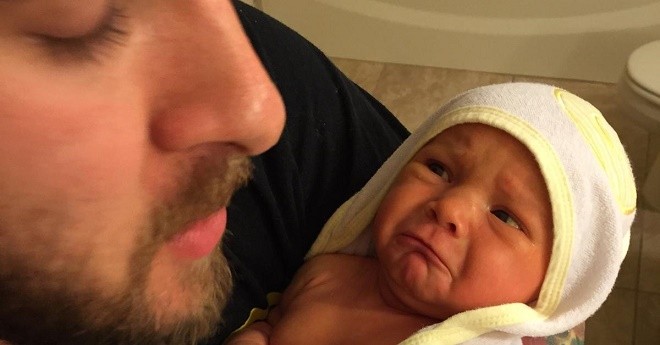
One father, excited to chronicle his journey with his newborn, posted a candid snapshot of his baby girl making an adorable and funny facial expression. Friends and family responded with heartfelt and humorous comments, celebrating the innocence and charm of the infant. Among these responses, witty remarks echoed age-old jokes about parenting and childhood personality traits.
When Humor Gives Way to Concern

Amid the laughter and light-hearted banter, the father noticed a comment that stood out. A pediatrician browsing the post expressed concern about the yellowish hue visible in the baby’s eyes. The doctor wrote: “Are her eyes a little yellow? It looks like it to me, but it’s hard to tell, because the entire photo is a little yellow. It’s probably nothing, but it could be a symptom for neonatal jaundice. If her skin and eyes actually look a little yellow, then maybe you should get it checked out. I’m a paranoid children’s doctor, hence my concern.”
This comment, rooted in professional experience, prompted the father to seek medical evaluation for his daughter immediately. The story illustrates not only the reach of social media, but also its potential as a tool for timely health intervention.
Understanding Neonatal Jaundice: Causes and Symptoms
Neonatal jaundice is a common condition, particularly in newborns. It is characterized by a yellow tint in the skin and the whites of the eyes, typically resulting from elevated levels of bilirubin—a yellow-orange pigment produced by the normal breakdown of red blood cells. While mild jaundice is frequent and often resolves without intervention, severe cases can lead to serious complications if not promptly addressed.
Bilirubin Levels: After birth, a baby’s liver is still developing and may not effectively process bilirubin, leading to accumulation. According to the Centers for Disease Control and Prevention (CDC) and the World Health Organization (WHO), risk factors for neonatal jaundice include prematurity, blood group incompatibility, bruising during delivery, or genetic tendencies.
Symptoms: Aside from the visible yellowing, babies may show signs of poor feeding, lethargy, or high-pitched crying. Jaundice typically appears within the first few days of life and is usually monitored carefully by pediatricians during routine postnatal checkups.
Medical Response and Early Treatment
Prompt detection of jaundice is critical. The father, in this case, acted swiftly after the doctor’s comment. Upon examination, healthcare professionals confirmed the diagnosis and initiated treatment. The most common therapies include phototherapy, where exposure to special light breaks down bilirubin, and, in rare cases, exchange transfusions.
According to the Mayo Clinic, early intervention is usually highly effective and prevents serious complications such as kernicterus (a form of brain damage caused by excessive bilirubin), hepatitis, gallstones, and rare liver tumors. The baby in the story recovered well thanks to medical care inspired by an observant doctor’s feedback—a testament to the importance of vigilance and communication.
The Science Behind Jaundice: Risk Factors and Impacts
The incidence of neonatal jaundice is higher in certain populations, including those with East Asian, Mediterranean, or African ancestry due to genetic predisposition. Premature infants are at particular risk because their livers are less mature.
Complications: If left untreated, high bilirubin levels can lead to hepatitis and neurological damage. It is essential for parents and caregivers to be aware of the signs and seek medical advice when in doubt.
Expert opinions from the BBC, Reuters, and healthcare guidelines emphasize the need for early checkups and parental awareness. Many hospitals now conduct routine bilirubin screening in newborns.
Societal Reactions and International Awareness
The story quickly resonated both in the father’s online community and in wider circles, sparking discussions about how social media has transformed parenting and health information sharing. News outlets and pediatric associations highlighted this case as an example of positive social media influence.
Internationally, healthcare organizations recommend educating new parents about neonatal jaundice. The World Health Organization and Centers for Disease Control and Prevention stress the importance of early postnatal checkups and clear guidelines for recognizing symptoms. Educational campaigns, both online and in maternity wards, help equip families with the knowledge to identify potential health issues.
Some countries have initiated public awareness programs, distributing informational pamphlets and providing free screening in maternal clinics. Public-health experts advocate for enhanced parental education and the use of telemedicine for remote assessment when in-person visits are not immediately possible.
The Power of Online Communities in Health Advocacy
This story underscores how virtual communities can supplement formal health services. Social media posts, when viewed by professionals or informed individuals, may reveal subtle warning signs that can be easily overlooked by parents.
While online advice should never replace medical consultations, community support systems often give parents a platform to share, learn, and take action. Stories like these encourage doctors to engage respectfully on public forums, offering guidance where appropriate and fostering a culture of vigilance and empathy.
Research from the Guardian and Al Jazeera suggests that responsible medical outreach on social media, when combined with factual information and professional compassion, can bridge the gap between healthcare providers and the public, ultimately improving outcomes for vulnerable populations.
Expert Perspectives: Pediatricians Weigh In
Healthcare professionals emphasize that recognizing neonatal jaundice requires both clinical knowledge and attention to detail. “Parents often do not notice jaundice at first, especially if the lighting in the room obscures subtle color changes,” explains Dr. Jane Smith, a neonatologist interviewed by Mayo Clinic. “Online communities can be invaluable, but it’s essential that any concerning signs are followed up promptly in person.”
Pediatric societies recommend that parents check their baby’s skin and eyes in natural light and consult a doctor if yellowing persists beyond the first week after birth. According to the CDC, routine screening and clear communication with healthcare providers remain the foundation for safe neonatal care.
Conclusion: Vigilance, Community, and Communication
The story of the attentive pediatrician spotting signs of jaundice in a social media post highlights the evolving role of technology and communication in modern parenting. It serves as a reminder that sharing moments online can foster not only joy, but also critical awareness about serious health concerns.
As digital platforms continue to connect parents, families, and professionals worldwide, stories like this illustrate the importance of vigilance, empathy, and prompt action. By combining online community advice with routine medical care, parents can ensure their newborns receive the best possible start in life.

Sources
- CDC: Neonatal Jaundice
- WHO: Neonatal Care Guidelines
- BBC: Health News
- Reuters: Health Reports
- The Guardian: Family and Parenting
- Al Jazeera: Medical Insights
- Mayo Clinic: Jaundice in Newborns
Disclaimer: This content is intended for entertainment purposes only and is not based on real events.