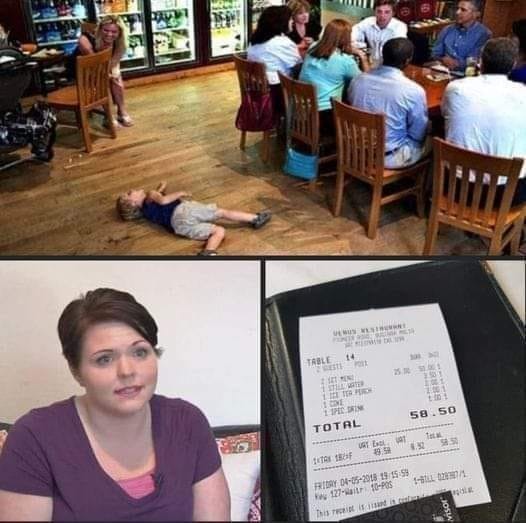
Dining out with children can be both a joy and a challenge for modern families. While restaurants offer a space to relax and enjoy a meal, energetic behavior from young diners often puts parents and staff in difficult situations. A recent incident at a restaurant in North Georgia has brought to light the tension that can arise when expectations collide, leading to a broader national conversation.
The Incident That Sparked Debate
The story begins at the Toccoa Riverside Restaurant, set just outside Blue Ridge, Georgia. This popular eatery, known for its picturesque riverside views and family-friendly environment, suddenly found itself at the center of a nationwide discussion about public decorum, parenting, and restaurant policy.
According to an account posted on social media platform Reddit, a diner claimed to have experienced a situation most parents hope to avoid. The user alleged that their family was informed an extra charge would be added to their bill, with the reason being their children’s “bad behavior.” Specifically, the Redditor described the restaurant owner coming to their table and declaring a $50 surcharge due to what he considered disruptive conduct from the children in the party, expressing disappointment with the experience and the restaurant’s response.
Restaurant Response: Clarification and Policy
After the incident was shared widely, a reporter contacted the Toccoa Riverside Restaurant for comment, seeking to understand whether the restaurant truly had a policy of fining parents for uncontrollable children. The owner, Tim Richter, responded by clarifying the situation. He stated that while an additional surcharge was briefly implemented during the COVID-19 pandemic as a means to offset increased operating costs, there was no recent policy of adding extra charges for children’s behavior. Richter emphasized that in no case had a family’s bill been raised for the reason described by the customer on Reddit.
The Challenges of Parenting in Public Spaces
Many parents empathize with the anxiety that comes with dining out with children. Ensuring kids remain calm during a restaurant visit can be daunting, regardless of age. Child development experts note that young children, in particular, may struggle with patience and self-regulation, especially in environments where stimulation is high and mealtimes may stretch longer than at home. This can create tension between families trying to enjoy their meal and other diners who may be seeking a quiet experience.
Family-friendly restaurants often balance the needs of parents with expectations of courtesy and mutual respect. While most establishments encourage all patrons to be considerate of others, explicit fines for “poor parenting” or noisy children remain rare, and the prospect of such a policy is divisive.
The Social Media Factor: How Viral Stories Fuel Debate
The Reddit post about Toccoa Riverside Restaurant quickly gained attention, fueling hundreds of comments that ranged from support for stricter restaurant discipline to advocacy for more patience and tolerance in family settings. Social media platforms are increasingly a venue where private experiences become public matters, and this case is a prime example of how a single account can spark widespread debate.
Many commenters expressed frustration with noisy dining experiences, while others sympathized with the challenges faced by parents. Some users, citing their own dining experiences, pointed to a broader issue—how society can both accommodate families and uphold communal standards of respect and etiquette.
Expert Perspectives: Hospitality and Child Development
Professionals in the hospitality industry and child development field weigh in on such matters to provide a balanced perspective:
- Restaurant Owners: Many restaurateurs explain that their goal is to create a comfortable environment for all guests. Some may adopt soft policies, such as gentle reminders or designated family sections, rather than punitive charges.
- Child Development Specialists: Experts note that children need opportunities to learn social norms, and supervised public outings are a key part of this process. However, they advise parents to be prepared for setbacks and advise restaurants to have policies focused on understanding and communication, not punishment.
- Legal Analysts: Most legal observers confirm that private businesses can set reasonable conduct policies, as long as they are applied consistently and are in accordance with anti-discrimination regulations. However, unclear or arbitrary surcharges can risk misunderstandings or negative public relations outcomes.
International and Societal Reactions
This controversy did not only resonate in the United States. Internationally, countries with strong restaurant cultures handle similar tensions in a variety of ways. For instance, in parts of Europe, family hours, “adults-only” restaurants, or separate spaces for children are noted solutions. In Japan, etiquette in public spaces is deeply ingrained in social norms, often resulting in fewer overt conflicts in restaurants but also higher expectations for parents.
Here in the U.S., opinions are divided. Some support stronger tools for business owners, especially in tourist-heavy regions. Others advocate for more inclusive, understanding environments where parents can feel welcome even if things do not go perfectly. In urban areas, especially in major cities with a culture of dining out, attitudes tend to be more tolerant, while in smaller towns and rural areas, communal expectations can be stricter and more traditional.
Balancing Business Needs and Family Inclusion
The hospitality industry continues to grapple with the best way to balance the needs of all guests. Many restaurants build their brand on being welcoming to families, offering children’s menus, play areas, or flexible seating arrangements. Others may strategically target couples or business clientele, setting clearer expectations on noise and behavior. Some larger chains have enacted official “noisy child” policies, though these are the exception rather than the norm.
Experts suggest that clear communication, rather than after-the-fact charges, is the best approach. Providing written guidelines at the entrance or on menus can help set expectations. Staff training focusing on de-escalation and empathy can prevent misunderstandings. For families, proactive strategies such as bringing small toys or planning shorter dining times can help children stay occupied and reduce stress for everyone involved.
Policy Considerations and the Impact of Reputation
For any restaurant, reputation is a critical business asset. Online reviews, viral stories, and word-of-mouth all play substantial roles in public perception. Stories like the Toccoa Riverside Restaurant incident highlight how a single misunderstanding can have considerable impact, especially when amplified by the internet. Even when the business provides clarification, the initial narrative may persist, showing the power of social media in shaping expectations and behavior.
Some experts argue that formal surcharges for parenting cannot be fairly assessed and invite too much subjectivity. Rather, restaurants that want to ensure comfort for all guests may be better served by fostering a welcoming atmosphere where concerns can be addressed kindly and directly as they arise, rather than through punitive measures. Hospitality associations tend to recommend tactful, non-confrontational staff interventions as the most effective route.
The Evolving Culture of Family Dining
Family dining culture continues to evolve across the U.S. and worldwide. Contemporary society increasingly recognizes the challenges parents face in public and the importance of forging environments that welcome as many people as possible, regardless of age. Many experts believe that negotiation, empathy, and mutual understanding — on the part of both business owners and families — are the keys to enjoyable dining experiences for everyone.
The Toccoa Riverside Restaurant incident is one of many examples where larger social questions about community standards, parenting, and public accommodation are played out in real time. Rather than being an isolated event, it is a mirror reflecting evolving attitudes and the need for flexible, balanced solutions in public spaces.
Summary: Lessons from the Toccoa Riverside Restaurant Incident
To summarize, while the restaurant owner ultimately denied implementing a fine for “poor parenting,” the widespread reaction to the story reveals ongoing tensions about parenting, public behavior, and business policy. For parents, the event is a reminder of the pressures and potential scrutiny that come with dining out. For business owners, it underscores the importance of clear communication, employee training, and sensitivity to the needs of diverse customers.
The broader conversation sparked by this incident continues to shape the way families, businesses, and communities think about inclusion, etiquette, and the shared enjoyment of public spaces. As both society and the hospitality industry adapt, stories like these serve as a reminder of the importance of understanding, patience, and open dialogue in making dining out a pleasant experience for all.
Sources
Disclaimer: This content is intended for entertainment purposes only and is not based on real events.