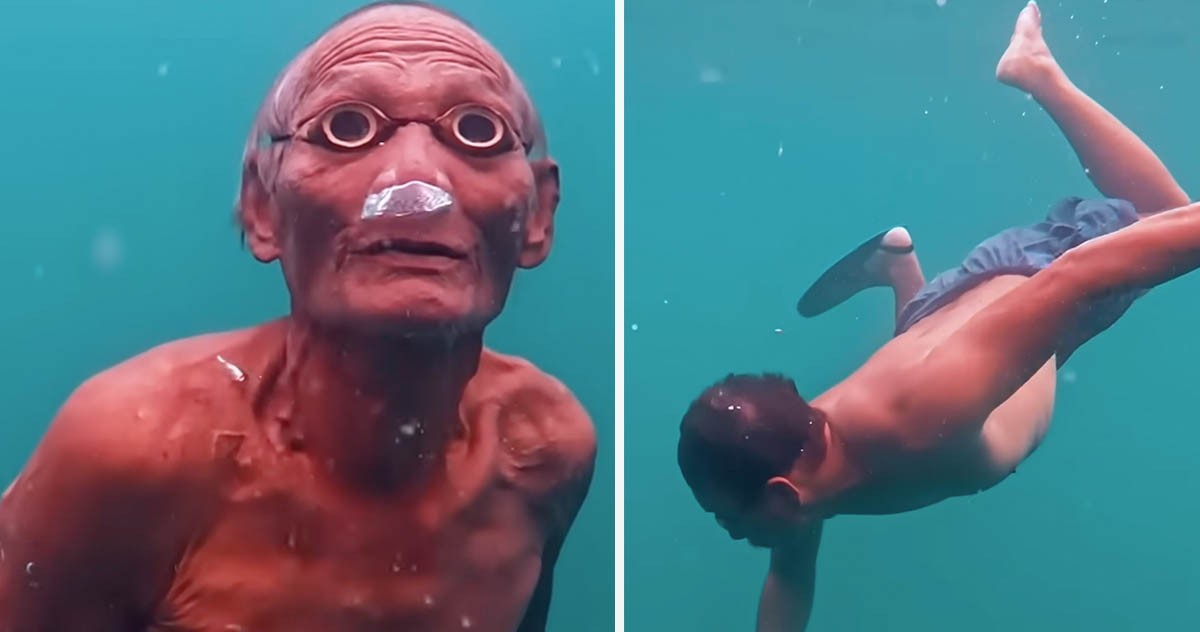
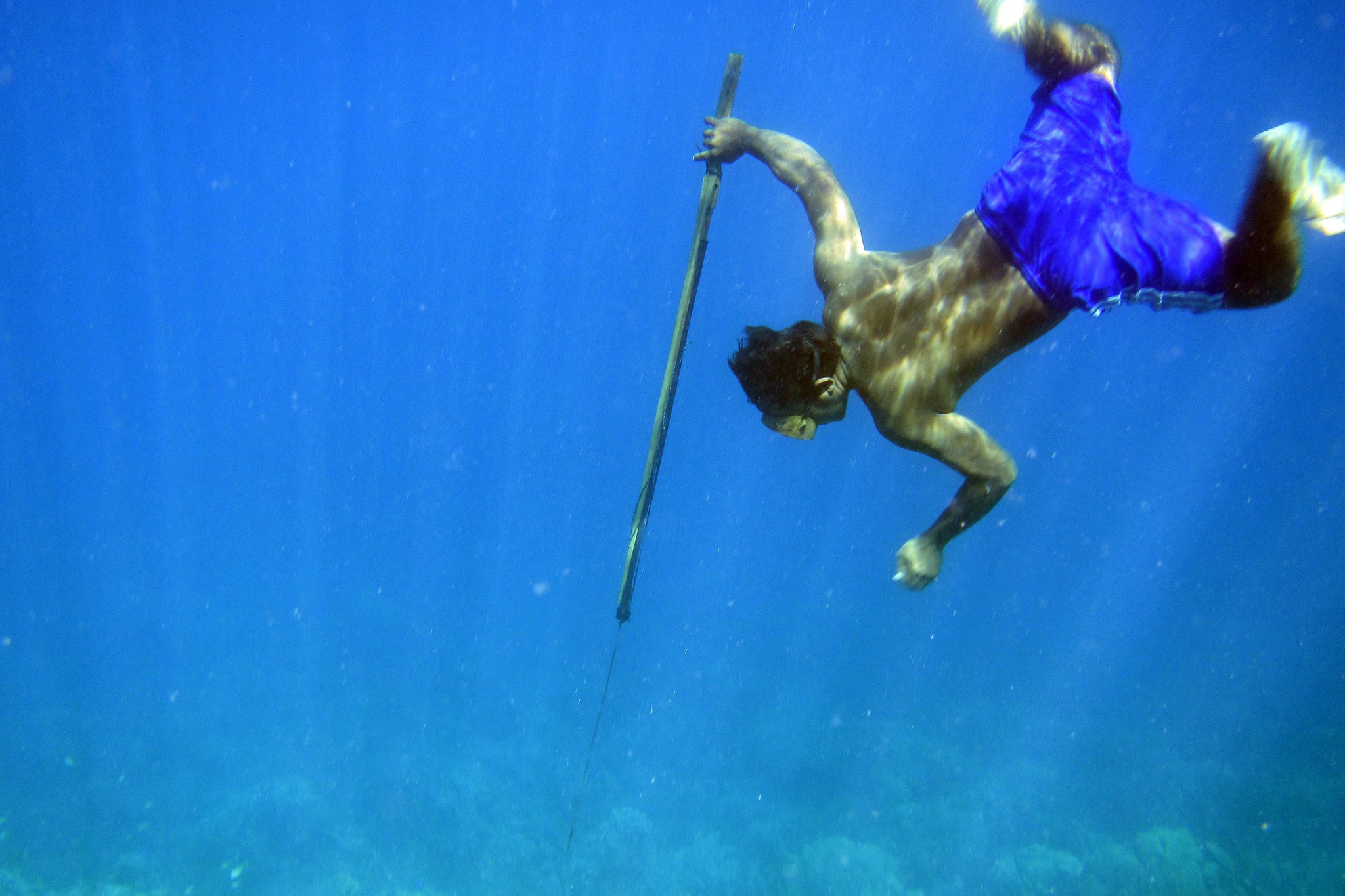
Imagine diving beneath the surface of the ocean with nothing but a breath of air.
No oxygen tank.
No scuba regulator.
No complicated equipment.
For the Bajau people of Southeast Asia, this extraordinary relationship with the sea has been part of traditional life for generations. Known in popular accounts as the “Sea Nomads,” many Bajau communities have historically relied heavily on the ocean for fishing, gathering food, and traveling.
Their ability to remain underwater for extended periods has fascinated scientists for years.
And in 2018, researchers reported a remarkable biological difference that may help explain part of their unusual diving ability: Bajau people studied in Indonesia had significantly larger spleens than a neighboring population.
The discovery offered an extraordinary example of how the human body can be shaped by long-term relationships with the environment.
But the real story is even more interesting than simply having a larger organ.
Who Are the Bajau?
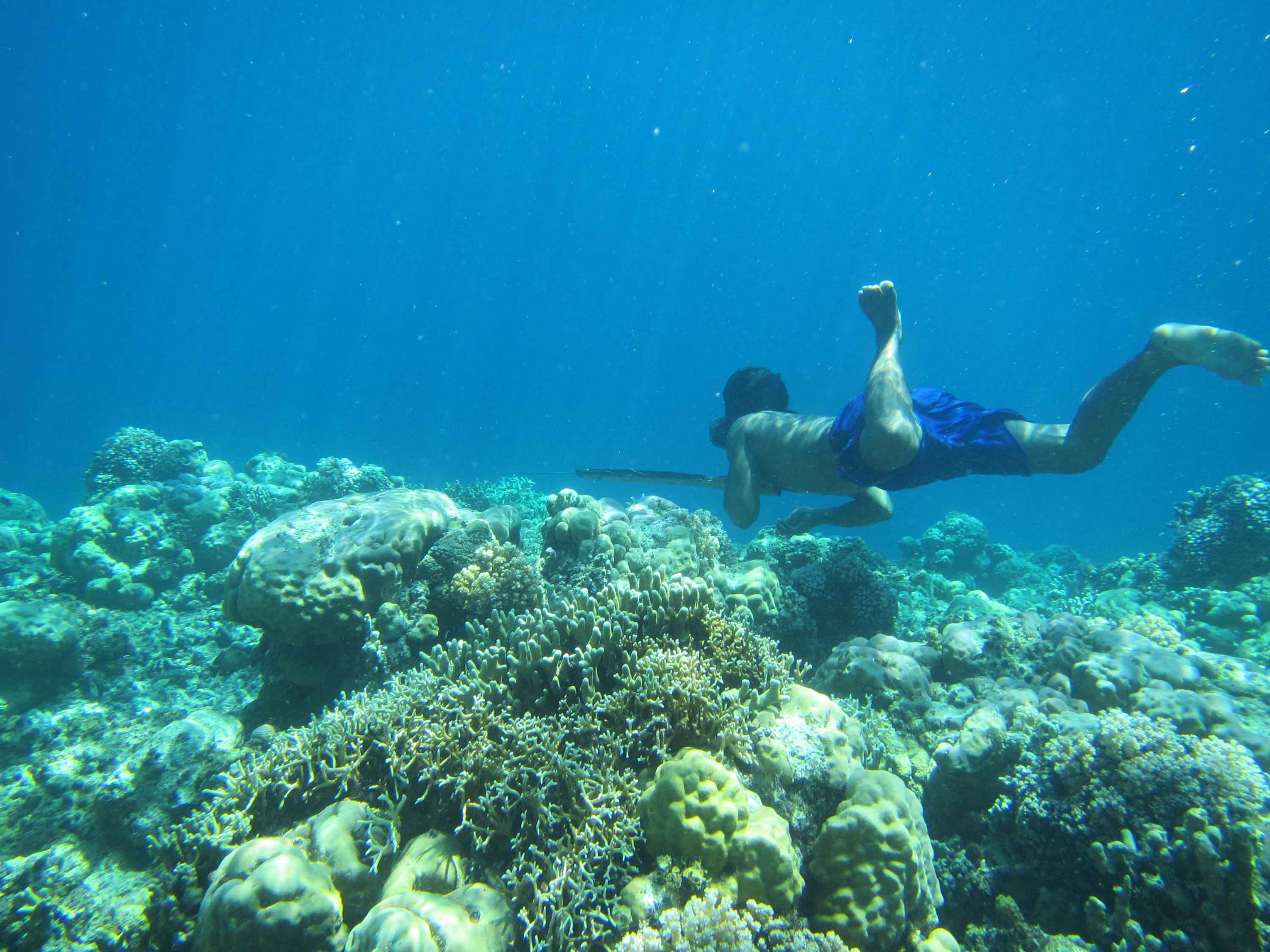
The Bajau are an Indigenous maritime people found across parts of Southeast Asia, including areas of Indonesia, Malaysia, and the Philippines.
Different Bajau communities have different lifestyles today, and not every Bajau person is a traditional diver.
Historically, however, some communities have depended heavily on the sea. Fishing, gathering marine foods, and traveling by boat have been central parts of life.
For traditional divers, spending significant amounts of time in the water is not an occasional hobby.
It can be part of daily work.
Researchers studying Bajau divers have documented repeated breath-hold dives, sometimes involving substantial depths and many hours of cumulative diving activity.
A 2018 study described traditional divers spending up to around eight hours engaged in diving activities during a day, with individual dives ranging from roughly 30 seconds to several minutes.
That raises an obvious question:
How can a human body become so well adapted to repeatedly functioning without breathing?
The answer begins with an organ that most people rarely associate with diving.
The spleen.
The Unexpected Organ Behind the Diving Story
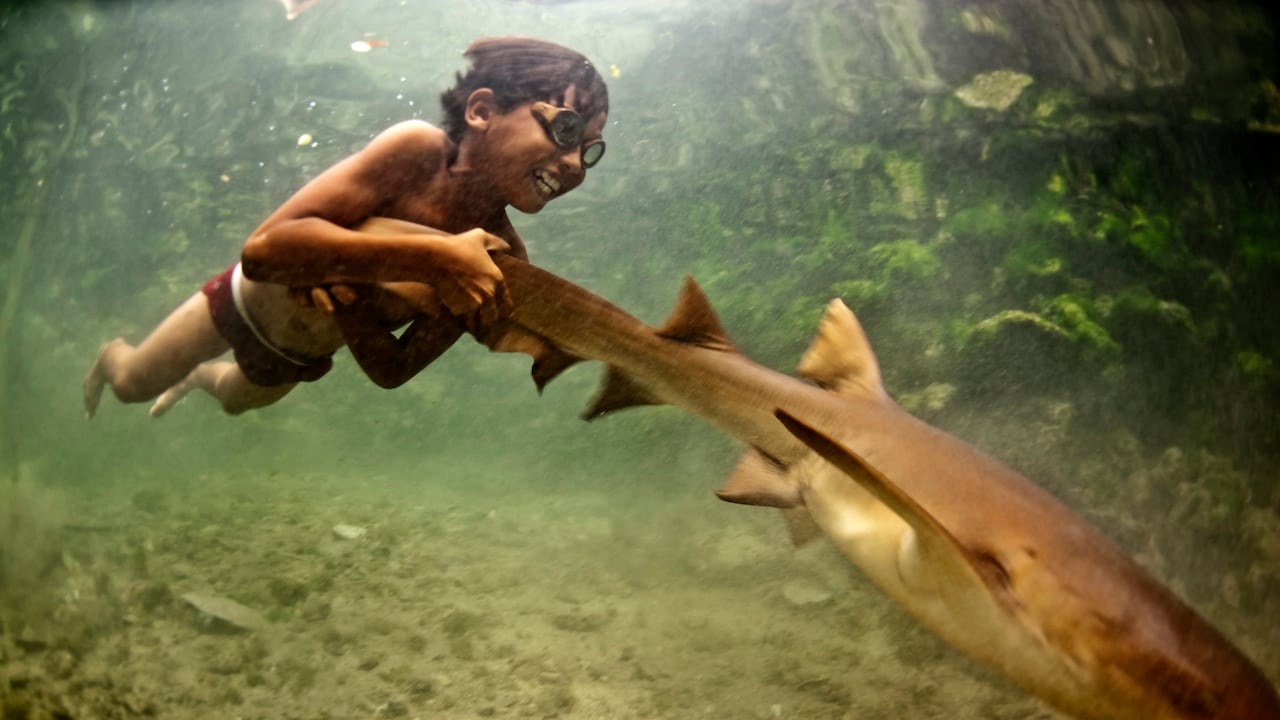
The spleen is located in the upper-left portion of the abdomen.
It is involved in several important functions, including filtering blood and participating in the immune system.
But it also has another interesting characteristic.
The spleen can act as a reservoir for red blood cells.
When humans hold their breath and submerge themselves, the body activates what scientists call the mammalian diving response.
Heart rate can slow.
Blood vessels in the limbs can constrict.
Blood flow is redirected toward organs that are particularly sensitive to low oxygen.
And the spleen contracts.
That contraction releases stored red blood cells into circulation, increasing the amount of oxygen-carrying blood available during the dive.
For most people, this response is relatively modest.
But for someone who repeatedly performs breath-hold dives, even small physiological advantages could become meaningful.
Researchers therefore wondered whether the Bajau might have developed unusual adaptations associated with their maritime lifestyle.
Scientists Compared the Bajau With Their Neighbors
In the 2018 study published in the journal Cell, researchers compared members of the Bajau population with people from the nearby Saluan population.
The communities lived only about 25 kilometers apart in the Central Sulawesi region of Indonesia, but the Saluan generally had much less interaction with the marine environment.
Researchers used ultrasound measurements to examine spleen size and also collected DNA samples.
The difference was striking.
The researchers found that the Bajau participants had significantly larger spleens than the Saluan participants.
The study included 43 unrelated Bajau individuals and 33 unrelated Saluan individuals in the main spleen-size comparison.
Other reporting on the study described the Bajau spleens as being approximately 50 percent larger than those of the neighboring comparison group.
That does not mean that every Bajau person has an enormous spleen, nor does it mean that spleen size alone determines diving ability.
But it provided scientists with an important clue.
Why Would a Larger Spleen Help a Diver?
Think of the spleen as a small biological reservoir.
When you breathe normally, your body continually receives oxygen through the lungs.
When you hold your breath underwater, that supply stops.
Your body therefore has to make careful use of the oxygen already available.
During a dive, the diving response helps conserve oxygen.
Heart rate decreases.
Blood flow to less immediately essential tissues is reduced.
And the spleen contracts, releasing additional red blood cells into the circulation.
Those cells contain hemoglobin, the protein responsible for carrying oxygen.
A larger spleen can potentially provide a larger reservoir of these oxygenated red blood cells.
That is why researchers have sometimes described the spleen as a kind of “biological scuba tank.”
Of course, it is not literally a scuba tank.
The analogy simply helps explain the basic idea: the spleen can contribute an additional reserve of oxygen-carrying capacity when the body is holding its breath.
The Discovery Was Not Just About Spleen Size
Perhaps the most fascinating part of the research is that scientists did not stop after measuring the organs.
They also investigated genetics.
The researchers identified evidence suggesting that natural selection may have influenced genetic variants associated with the Bajau diving phenotype.
One gene that attracted particular attention was PDE10A, which the researchers linked to differences in spleen size.
They also identified evidence of selection involving BDKRB2, a gene associated with aspects of the human diving response.
This is important because it changes the story from simply being about people who became exceptionally skilled at diving.
It suggests that biological adaptation may also be part of the picture.
However, scientists are careful about what such findings mean.
The study does not establish that a single “mutant gene” gives Bajau people extraordinary diving abilities.
Human physiology is complex.
Genes interact with one another and with the environment, while training and lifelong experience can also influence physical performance.
The researchers described their findings as evidence of natural selection acting on traits relevant to diving, rather than proof of one magical gene responsible for the entire ability.
The Human Diving Response Is More Powerful Than You Might Think
One reason this discovery is so fascinating is that the Bajau are not the only humans capable of remarkable breath-hold diving.
Humans already possess a built-in diving response.
You can observe part of it simply by holding your breath and submerging your face in cool water.
The body responds automatically.
The heart can slow down.
Blood vessels in the limbs narrow.
Circulation becomes more focused on vital organs.
The spleen contracts.
These changes help conserve oxygen while breathing has temporarily stopped.
The Bajau story suggests that long-term environmental pressures may have influenced how strongly certain aspects of this response are expressed in a population.
In other words, the human body already possessed the basic equipment.
Generations of life centered around the sea may have favored particular biological characteristics.
Traditional Skills Matter Too
It would be a mistake to assume that biology explains everything.
Bajau divers also develop extraordinary practical skills.
Traditional diving can involve specialized techniques, equipment, experience, and knowledge of the underwater environment.
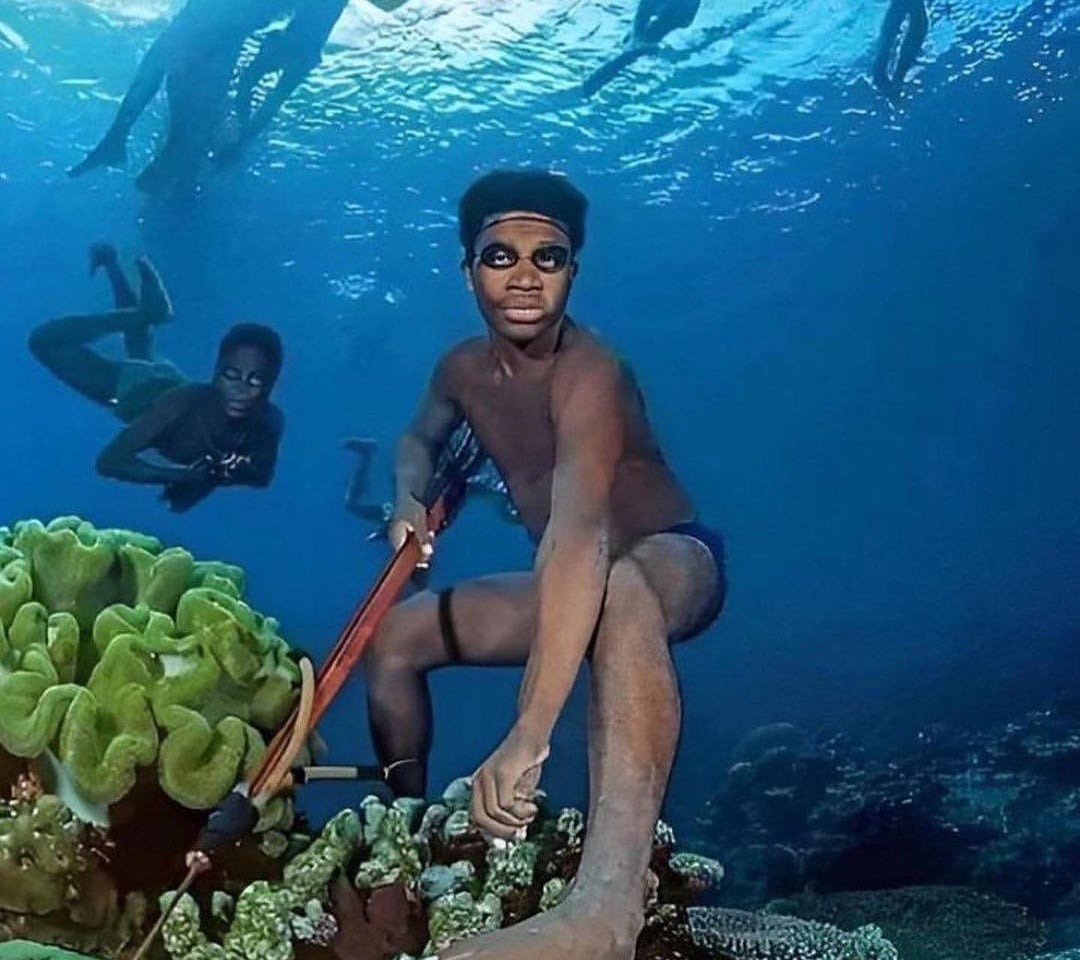
Researchers have observed divers using handmade wooden goggles and weights to help them descend.
Learning how to control breathing, move efficiently, manage energy, and navigate underwater can make a major difference.
The body may provide an advantage, but skill and experience remain essential.
This distinction matters because it prevents the discovery from turning into a simplistic story about one population being “built differently.”
Instead, the Bajau provide an opportunity to see how biology, culture, environment, and training can interact.
Does This Mean Anyone Can Develop a Bigger Spleen?
Not necessarily.
The 2018 research found a population-level difference and evidence suggesting a genetic component.
It does not mean that ordinary breath-hold training will automatically produce the same anatomical characteristics.
The study itself found that spleen size differences between Bajau divers and non-divers within the Bajau population were not statistically significant, suggesting the difference between Bajau and Saluan populations could not simply be explained by who happened to be diving more often.
This is one reason the genetics findings attracted so much scientific attention.
They suggested that the difference may reflect something deeper than short-term physical conditioning.
At the same time, researchers noted that environmental factors could still contribute.
Science rarely reduces a complicated human trait to one simple explanation.
Why Scientists Care About the Bajau
The Bajau research is about more than an unusual diving story.
It may help scientists understand how humans respond to hypoxia, a condition in which tissues receive less oxygen than they need.
Understanding how certain people tolerate low-oxygen conditions could eventually contribute to broader research into human physiology.
The original researchers specifically highlighted the potential medical importance of studying human adaptations to low oxygen.
This makes the Bajau a fascinating natural laboratory for studying a question that scientists have investigated in other environments as well:
How flexible is the human body when it faces extreme environmental demands?
High-altitude populations have provided one answer.
The Bajau offer another.
Instead of adapting to thin mountain air, they have historically lived in an environment where oxygen becomes unavailable simply by going underwater.
A Reminder That Human Bodies Are Remarkably Diverse
Modern life can make the human body seem relatively predictable.
We wake up.
We work.
We eat.
We exercise.
We sleep.
Most of us rarely encounter conditions that push our physiology to its limits.
But around the world, different communities have developed extraordinary relationships with their environments.
People living at high altitudes can show adaptations related to low atmospheric oxygen.
Endurance athletes can develop remarkable cardiovascular and metabolic capabilities through training.
And traditional breath-hold divers can demonstrate exceptional control and physiological responses underwater.
The Bajau research adds another fascinating chapter to that story.
Their larger spleens do not make them a different kind of human.
Instead, they demonstrate just how much variation can exist within our species.
The Bigger Lesson Beneath the Waves
The most fascinating part of the Bajau story may not actually be the spleen.
It is the reminder that the human body is not static.
Across generations, populations can be shaped by the environments in which they live.
At the same time, culture and learned behavior can reinforce those relationships with the environment.
For the Bajau, the sea has traditionally been more than scenery.
It has been a source of food, transportation, livelihood, and community.
And over generations, that relationship may have left a measurable signature in the body.
The 2018 study provides compelling evidence that larger spleens and particular genetic variants are associated with the Bajau diving lifestyle.
But it also shows why scientific discoveries are rarely as simple as a viral headline suggests.
There is no single “superhuman gene.”
There is no single organ responsible for extraordinary diving ability.
Instead, there is an intricate combination of physiology, genetics, experience, environment, and culture.
And that may be even more remarkable.
The next time you think about what the human body is capable of, remember the people who have spent generations looking beneath the waves with nothing more than a single breath.
Their story shows that sometimes the most extraordinary examples of human adaptation are already living quietly among us.
Sources
-
Cell — Physiological and Genetic Adaptations to Diving in Sea Nomads: the original peer-reviewed 2018 research on Bajau physiology and genetics.
-
PubMed — Physiological and Genetic Adaptations to Diving in Sea Nomads: indexed scientific record of the study and its findings.
-
Science News — Larger spleens may help ‘sea nomads’ stay underwater longer: accessible scientific reporting on the research and field observations.
-
NCBI Bookshelf — Breath-Hold Diving: overview of the physiology and safety considerations surrounding breath-hold diving.
-
PMC — Human adaptation to extreme environmental conditions: review discussing physiological and genetic adaptations to challenging environments, including the Bajau.