Weeks before the Super Bowl, Budweiser released its new commercial online, giving audiences an early look at the brand’s flagship campaign for one of the most watched advertising events of the year. Created to mark the company’s 150th anniversary, the spot quickly generated widespread attention across social media and marketing circles.
While early reactions from viewers have been highly emotional, the campaign itself reflects a broader strategy: a return to the classic storytelling and visual symbols that have defined Budweiser’s identity for decades. Based on official statements and verified reporting, the advertisement represents a deliberate shift toward heritage, unity, and long-term brand positioning rather than short-term spectacle.
A Cinematic Story Built Around Familiar Symbols

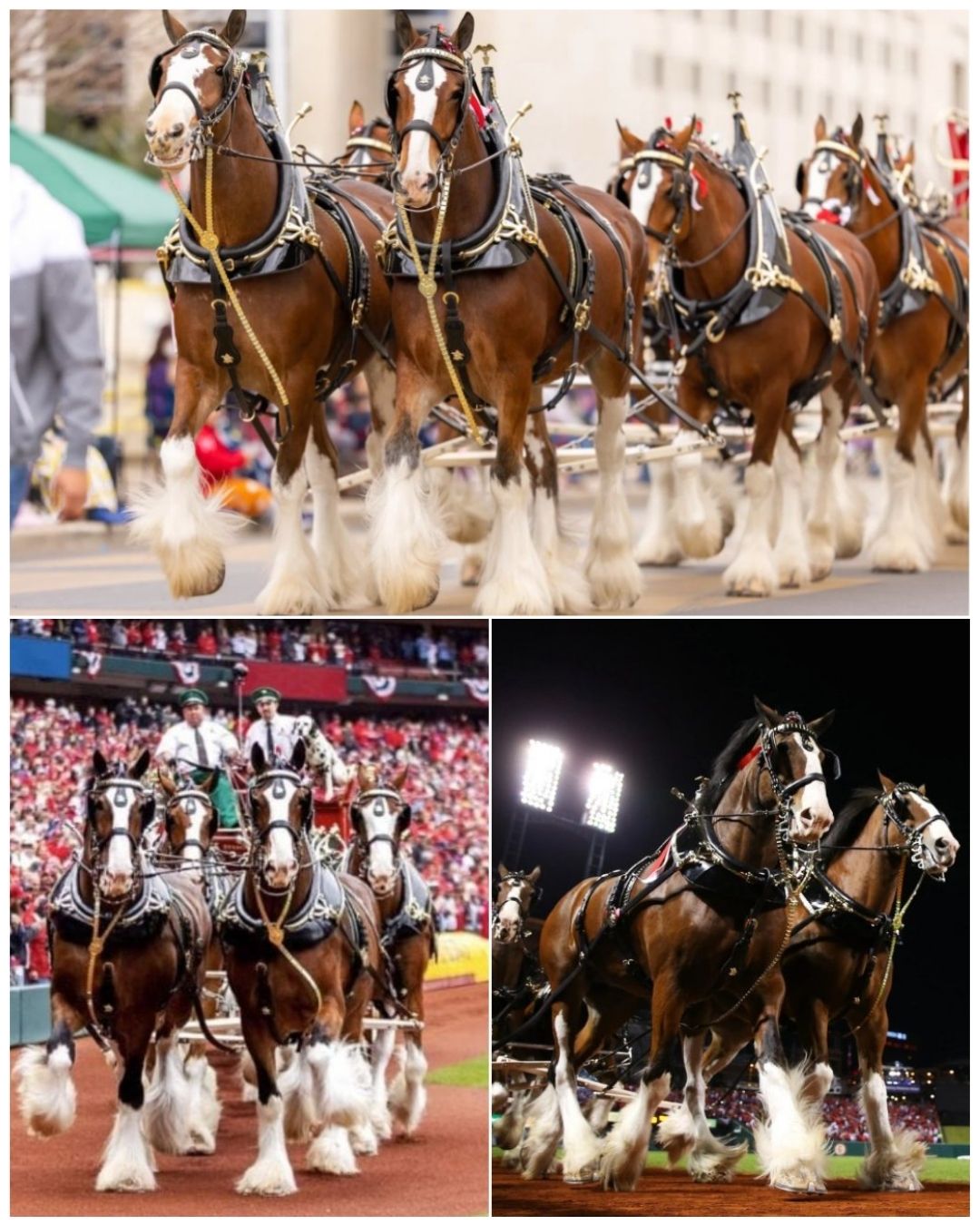
The commercial, titled “American Icons,” centers on two long-standing symbols associated with Budweiser: the Clydesdale horse and the bald eagle. The narrative follows a young Clydesdale that encounters an eagle chick after it falls from its nest. As the seasons change, the animals grow together, facing storms and difficult conditions before emerging stronger.
In the ad’s final sequence, the fully grown eagle spreads its wings while standing on the horse’s back, creating a striking visual designed to symbolize resilience, partnership, and shared strength. The spot concludes with Budweiser’s long-running tagline, “This Bud’s For You,” along with messaging that highlights the brand’s 150-year history in the United States.
According to Anheuser-Busch, the imagery was intentionally chosen to reflect continuity and national heritage. The company described the campaign as a tribute to enduring American symbols and shared cultural moments.
Why Budweiser Released the Ad Early
Super Bowl advertising has evolved into a multi-week marketing cycle, with brands increasingly releasing their commercials online before game day. Industry analysts note that early releases help generate digital engagement, media coverage, and social conversation that extend beyond the broadcast itself.
By launching the commercial ahead of the event, Budweiser was able to build momentum and gather audience reactions in advance. Early online distribution also reflects broader shifts in how major campaigns are measured, with digital views, shares, and sentiment now playing a central role alongside television reach.
Marketing experts point out that Super Bowl ads today function as integrated campaigns rather than single broadcasts, often supported by teaser clips, behind-the-scenes content, and social media discussion.
Audience Reaction Across Social Media

Following its release, the commercial drew strong emotional responses from viewers across multiple platforms. Many comments focused on the nostalgic tone, cinematic style, and return of traditional Budweiser imagery.
Some viewers compared the ad to the brand’s earlier Super Bowl campaigns, which frequently featured the Clydesdales and emphasized storytelling over celebrity appearances or humor. Others described the commercial as uplifting or reflective of shared values such as perseverance and unity.
While individual reactions varied, the overall sentiment online suggested that audiences responded positively to the campaign’s emotional approach and familiar visual identity.
From a marketing perspective, this type of response is significant. Emotional storytelling has historically been one of Budweiser’s most effective brand strategies, particularly during major national events.
The Strategy Behind “American Icons”
In an official statement, Budweiser marketing leadership explained that the campaign was designed to align with two major milestones: the company’s 150th anniversary and the upcoming 250th anniversary of the United States.
The goal, according to the brand, was to highlight its long history as an American manufacturer while reinforcing themes of shared experience and national tradition.
Industry observers note that heritage positioning is a common strategy for legacy brands seeking to strengthen emotional connections with consumers. By emphasizing history, craftsmanship, and cultural continuity, companies can differentiate themselves in highly competitive markets.
For Budweiser, the Clydesdales have served as a central brand asset since the 1930s, making their prominent role in the campaign consistent with long-term brand equity.
A Shift Toward Brand Stability and Familiarity

The positive reception to “American Icons” also comes after a period in which Anheuser-Busch faced significant public scrutiny related to earlier marketing decisions and brand messaging.
Company leadership has stated in recent interviews that its focus moving forward is on connecting with consumers through shared experiences, product quality, and traditional brand values. The new Super Bowl campaign reflects that approach by avoiding controversy and emphasizing broadly relatable themes.
Marketing analysts describe this as a “stability strategy,” in which established brands reinforce core identity elements to rebuild trust and strengthen long-term loyalty.
Rather than relying on celebrity endorsements or topical themes, the commercial focuses on visual storytelling and symbolic imagery designed to resonate across a wide audience.
The Role of Super Bowl Advertising in Brand Identity
The Super Bowl remains the most expensive and competitive advertising platform in the United States. A single 30-second spot costs several million dollars, and brands typically invest heavily in production to create cinematic-quality content.
For Budweiser, the event has historically served as a showcase for major brand storytelling moments. Past campaigns featuring the Clydesdales, puppies, and patriotic imagery have frequently ranked among the most memorable Super Bowl advertisements.
Advertising researchers note that the most successful Super Bowl campaigns tend to share several characteristics:
-
Strong emotional narrative
-
Clear brand identity
-
Simple, memorable imagery
-
Broad cultural appeal
“American Icons” aligns with each of these elements, which helps explain its early engagement performance.
Nostalgia as a Marketing Tool
One of the most notable aspects of the campaign is its reliance on nostalgia. Rather than introducing new characters or concepts, the ad returns to imagery that longtime viewers associate with the brand.
Consumer behavior studies show that nostalgia can increase positive brand perception by activating emotional memory and familiarity. For legacy brands like Budweiser, this strategy is particularly effective when celebrating historical milestones.
The combination of anniversary messaging, classic symbols, and cinematic storytelling positions the campaign as both a celebration of the past and a reaffirmation of the brand’s long-term identity.
Balancing Emotion and Commercial Messaging
Despite its emotional tone, the commercial maintains a clear brand objective. The closing message connects the narrative directly to Budweiser’s heritage and production history, reinforcing product identity without disrupting the story.
Marketing experts often describe this balance as “emotional branding,” where the narrative builds positive associations that extend beyond the product itself.
Rather than focusing on features or promotions, the campaign aims to position Budweiser as part of shared cultural experiences, particularly around major national events like the Super Bowl.
Early Performance and Industry Attention
Although full performance data will only become available after the Super Bowl broadcast, early indicators suggest strong engagement across digital platforms.
Industry publications have noted that early-release Super Bowl ads generating high organic sharing often translate into increased brand visibility during the game itself. The strategy also allows brands to refine messaging and amplify audience reactions ahead of the broadcast.
From a communications standpoint, releasing the ad early successfully shifted attention toward the campaign’s emotional impact rather than competition with other Super Bowl advertisers.
What the Campaign Signals for the Future
The reception to “American Icons” may signal a broader shift in large-scale advertising back toward emotional storytelling and brand heritage, particularly for legacy companies.
In recent years, many brands experimented with humor, celebrity appearances, or social commentary during the Super Bowl. Budweiser’s latest campaign suggests a renewed focus on long-term brand identity rather than short-term cultural relevance.
Marketing analysts note that in uncertain economic or social environments, audiences often respond more positively to messages centered on stability, tradition, and shared values.
Conclusion
Budweiser’s early release of its 150th anniversary Super Bowl commercial has generated significant online attention, driven largely by its cinematic storytelling and return to familiar brand symbols.
Rather than relying on spectacle or controversy, the campaign focuses on heritage, emotional connection, and long-standing visual identity. Early audience reactions suggest that this strategy resonates with viewers who associate the brand with tradition and memorable Super Bowl moments.
As the Super Bowl approaches, “American Icons” positions Budweiser not only as a major advertiser but also as a legacy brand reaffirming its place in American cultural and sporting traditions.
Sources
Anheuser-Busch official press statements
Industry coverage from AdAge and Marketing Dive
Super Bowl advertising analysis – Nielsen and Statista
Fox LiveNOW – Budweiser commercial preview reporting