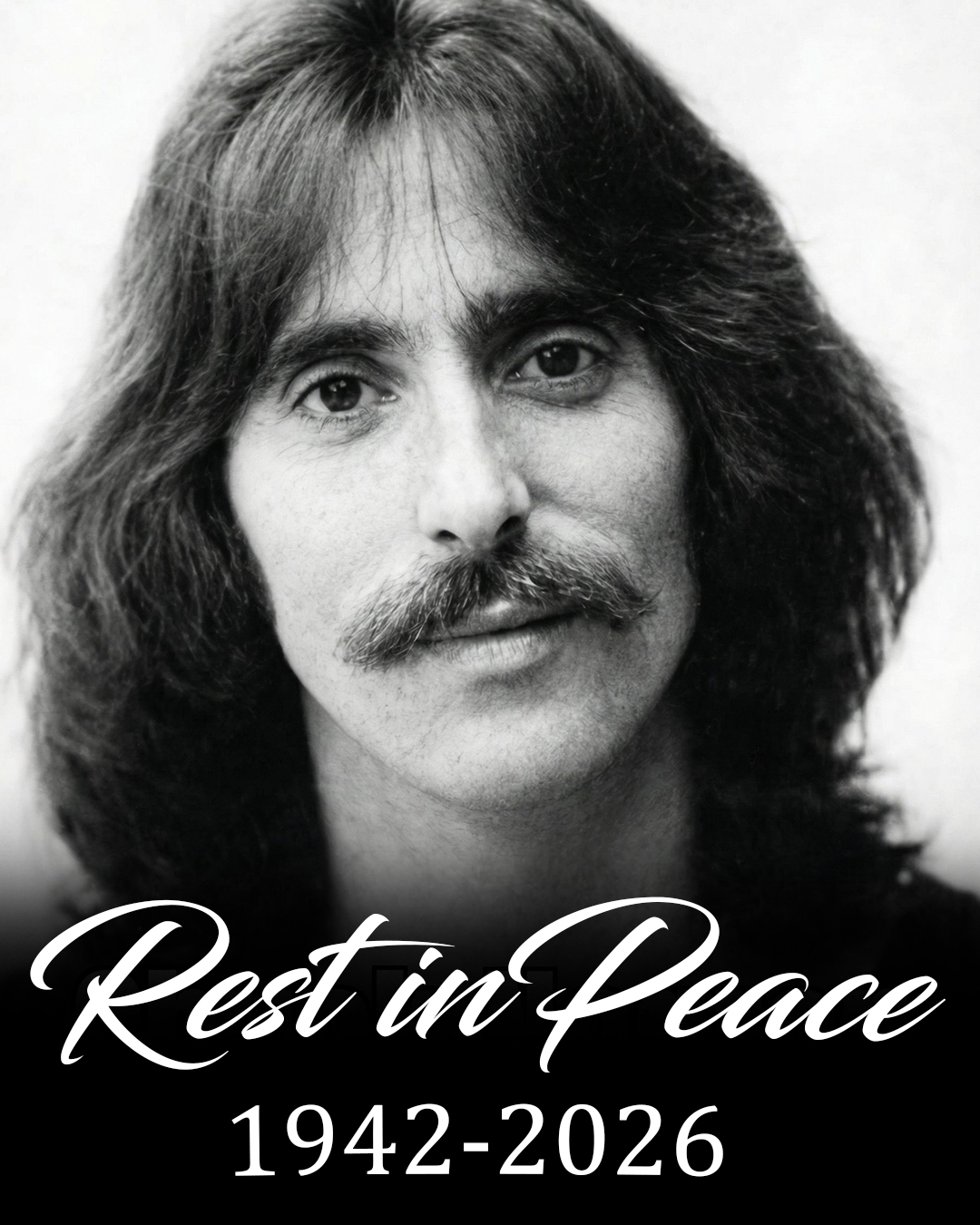
From a modest apartment in the Bronx to international stages filled with thousands of voices singing along, Chuck Negron lived a life shaped by music, resilience, and hard-earned redemption. His passing at the age of 83 marks the end of an era, but not the end of a story that continues to resonate deeply with fans across generations.
Negron, best known as the powerful and emotive voice behind many of Three Dog Night’s most enduring hits, died on Monday, February 2, at his home in Studio City, California. He was surrounded by family, according to his publicist. In the final chapter of his life, he faced serious health challenges, including heart failure and chronic obstructive pulmonary disease (COPD), conditions that gradually limited his ability to perform but never diminished his identity as an artist.
In a statement released after his death, Negron’s publicist described him as “a testament to perseverance—someone who endured both the hardships life imposed and the ones he created for himself, yet always found the strength to keep moving forward.” That sentiment captures not only Negron’s career, but the deeper arc of a life lived intensely, imperfectly, and honestly.
Born on June 8, 1942, Negron grew up in the Bronx, New York, in a household where music was a constant presence. His father, Charles Negron, was a Puerto Rican nightclub performer, and his mother, Elizabeth Rooke, supported the family while nurturing her son’s interests. As a teenager, Negron sang in local doo-wop groups and spent countless hours on neighborhood basketball courts, balancing discipline with creative expression.
By the age of 15, his talent had already carried him far beyond his block. He recorded his first single and soon found himself performing at the Apollo Theater with his vocal group, The Rondells—an experience that would shape his understanding of music’s power for the rest of his life. Reflecting on that performance years later, Negron recalled how the audience’s response transcended expectation and division, teaching him that music could connect people across boundaries that seemed immovable elsewhere.
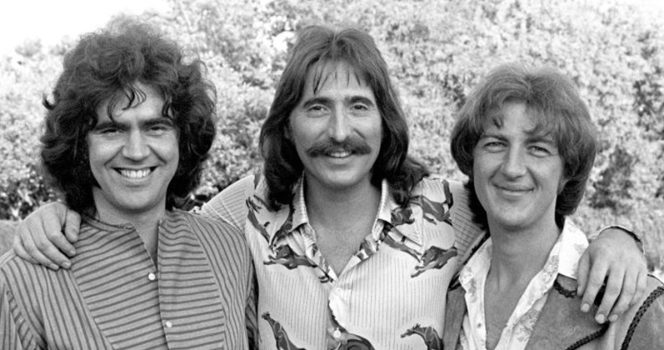
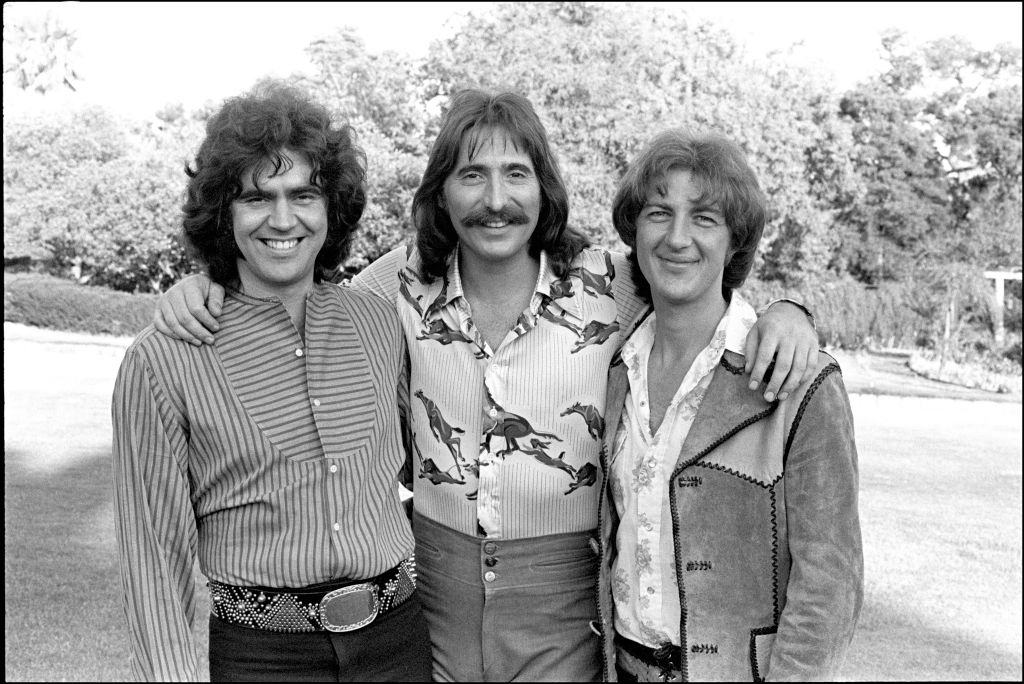
That belief followed him west when he moved to California to attend California State University on a basketball scholarship. Music, however, soon eclipsed athletics. Los Angeles in the mid-1960s was alive with creative energy, and Negron found his place within it. In 1967, he joined forces with Danny Hutton and Cory Wells to form Three Dog Night, a band that would soon become one of the most successful and recognizable acts of its time.
What set Three Dog Night apart was not just its sound, but its approach. The band built its identity around rich harmonies and carefully selected songs, many written by emerging songwriters whose work they brought to mainstream audiences. At the center of that sound was Negron’s voice—raw, expressive, and unmistakable.

He led vocals on a string of songs that became cultural landmarks, including “Joy to the World,” “One,” “Old Fashioned Love Song,” “The Show Must Go On,” “Easy to Be Hard,” and “Mama Told Me (Not to Come).” These tracks dominated radio airwaves in the late 1960s and early 1970s, helping Three Dog Night achieve a rare level of commercial success. At their peak, the band placed more songs on the Billboard charts than almost any other group of the era.
As the band expanded to include guitarist Michael Allsup and keyboardist Jimmy Greenspoon, along with Joe Schermie and Floyd Sneed, success brought both opportunity and strain. Constant touring, industry pressure, and personal struggles began to take their toll. Despite their achievements, internal conflicts and substance abuse issues gradually eroded the cohesion that had once defined the group.
By the mid-1970s, Three Dog Night had unraveled, ending its initial run at the height of its popularity. For Negron, the aftermath was especially difficult. His struggles with addiction intensified, and his professional and personal life entered a prolonged period of instability. For years, he drifted away from the spotlight, carrying the weight of past success alongside unresolved pain.
Yet Negron’s story did not end there.
In 1991, after years of hardship, he achieved sobriety—a turning point he would later describe as the most important decision of his life. Recovery allowed him to rebuild not only his health, but his sense of purpose. Music returned, this time without the chaos that had once accompanied it.
Between 1995 and 2017, Negron released seven solo albums, reconnecting with audiences who remembered his voice and introducing himself to new listeners drawn to his honesty and persistence. His performances, often more intimate than his stadium-filling days, carried a sense of reflection that only experience can bring.
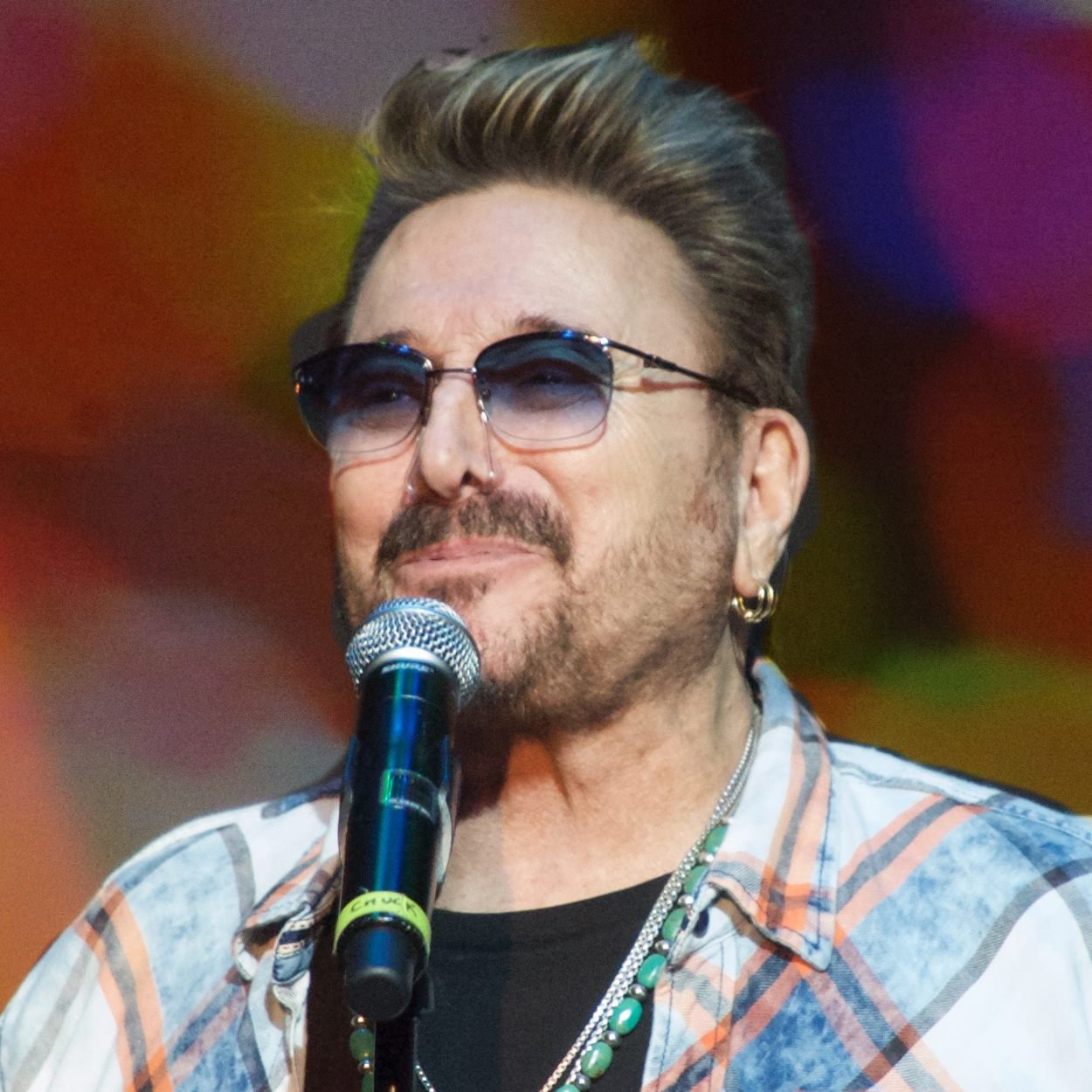
In 1999, he shared his life story in his memoir Three Dog Nightmare, a candid account of fame, addiction, near-fatal moments, and recovery. The book became a best-seller, praised for its openness and lack of self-glorification. Rather than presenting himself as a cautionary tale or a hero, Negron offered his life as a complex, human narrative—one shaped by talent, vulnerability, and choice.
Even as COPD began to limit his physical stamina, Negron continued to tour into his later years, performing whenever his health allowed. He eventually stepped back from live shows during the COVID-19 pandemic, prioritizing safety while remaining connected to fans through interviews and appearances.
In recent years, Negron also found closure in relationships that had once seemed beyond repair. After decades of estrangement, he and Danny Hutton reconnected, exchanging apologies and resolving long-standing tensions. According to his publicist, the reunion came at a meaningful moment, offering peace where there had once been distance.
Beyond music, Negron’s greatest source of pride was his family. He is survived by his wife, Ami Albea Negron, and his children: Shaunti Negron Levick, Berry Oakley, Charles Negron III, Charlotte Negron, and Annabelle Negron. Friends and family have emphasized that, despite his public legacy, his private devotion to those closest to him defined him just as deeply.
Chuck Negron’s voice carried joy, longing, defiance, and vulnerability—qualities that made his performances unforgettable. But his life, with all its rises and falls, may be his most enduring message: that talent alone does not define a person, and that recovery, reconciliation, and growth remain possible even after profound loss.
His songs continue to play, not as echoes of the past, but as living reminders of a time, a sound, and a voice that helped shape rock history.