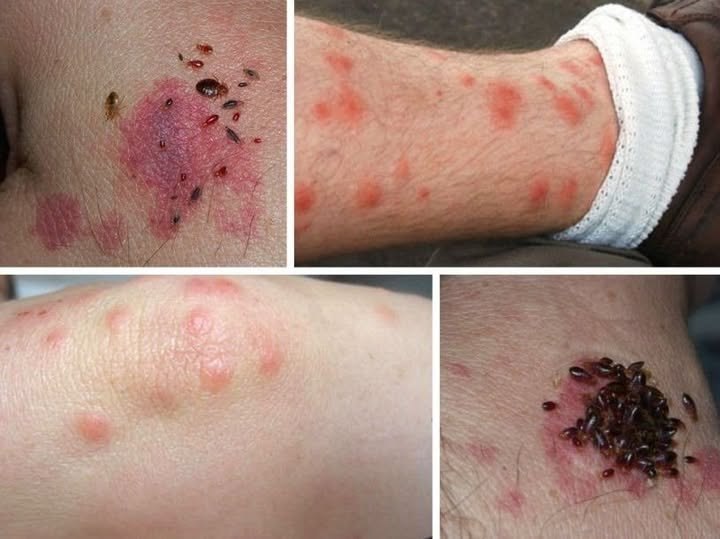
Most people think of cockroaches as simple household pests—unpleasant, fast-moving insects that trigger discomfort whenever they appear. But the real harm they pose goes far beyond being annoying or unhygienic. Cockroaches can influence human health in ways many people never fully understand, affecting not only physical well-being but also quality of life and mental comfort.
Understanding these risks is important because it helps you recognize early warning signs, keep your living space clean, and reduce potential health problems. Despite their small size, cockroaches play a surprisingly large role in household contamination, allergy triggers, and environmental hygiene. This article explores the major ways cockroaches can negatively affect humans and provides safe, practical insights into why prevention matters.
Cockroaches as Carriers of Bacteria

One of the most significant concerns surrounding cockroaches is their ability to carry bacteria. These insects often move through areas that are not sanitary, such as drains, basements, garbage zones, and hidden corners that accumulate moisture or food waste. When they travel through such places, they can pick up bacteria on their legs and bodies.
While cockroaches do not directly cause disease in the same way some insects do, they can spread bacteria indirectly by transferring contamination to surfaces people touch frequently. These surfaces might include countertops, dining tables, utensils, floors, or storage areas. Over time, this increases the possibility of poor hygiene in the environment, especially if cleaning habits are inconsistent.
Some of the common types of bacteria associated with unsanitary environments—such as those involving food spoilage or poor waste management—may be carried by cockroaches. This is why maintaining cleanliness and proper food storage is so important. Good hygiene significantly reduces the chance of bacteria spreading through indoor environments.
Cockroach Allergens: A Major Trigger for Sensitive Individuals
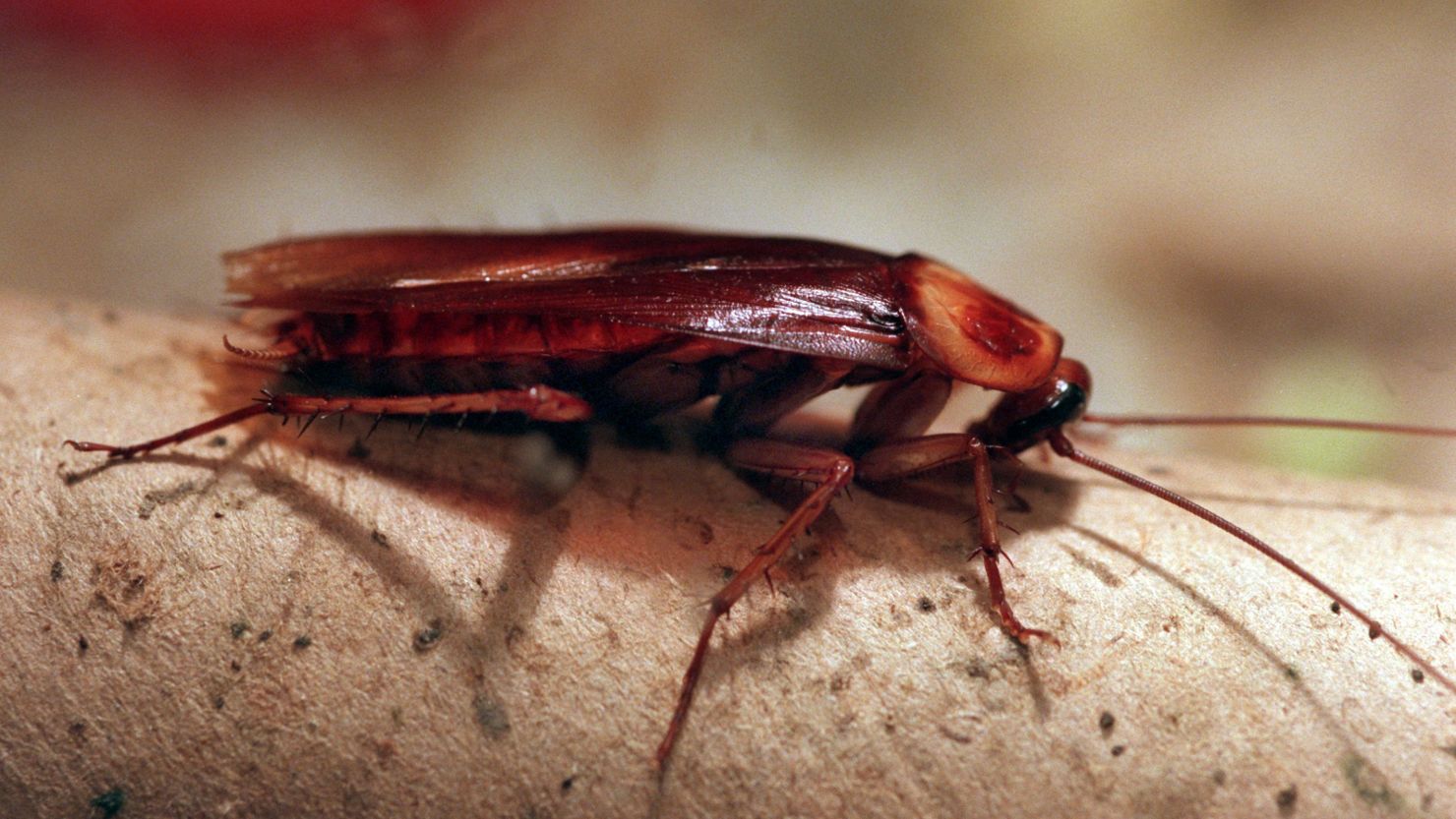
One of the lesser-known harms of cockroaches is their strong link to allergies. For many people, exposure to cockroach particles—such as their droppings, shed skin, or body fragments—can trigger discomfort and allergic reactions. These allergens can become airborne, settle into bedding, carpets, and clothing, and continue to affect sensitive individuals even when cockroaches are no longer visible.
Common allergy symptoms associated with cockroach exposure may include:
-
Sneezing or coughing
-
Nasal congestion
-
Itchy or watery eyes
-
Skin irritation
-
General respiratory discomfort
Children, in particular, can be more vulnerable to cockroach allergens, especially in humid, crowded, or poorly ventilated living spaces. People with pre-existing allergies may experience stronger reactions, and in many cases, they may not immediately realize the root cause is related to cockroach exposure.
Impact on Individuals With Asthma

Cockroach allergens are considered a major indoor asthma trigger. Studies in environmental health have shown that individuals—especially children—living in areas with cockroach infestations often face increased breathing difficulties.
When the allergens circulate in the air or settle in soft materials like bedding or carpets, they may cause:
-
Tightness in the chest
-
Increased sensitivity during sleep
-
Lower breathing comfort
-
More frequent respiratory irritation
Homes with good ventilation, regular cleaning routines, and proper pest control typically have far fewer asthma-related triggers. The connection between cockroach allergens and respiratory sensitivity is strong: improving environmental hygiene can noticeably improve breathing comfort for asthma sufferers.
Contamination of Food and Surfaces
Cockroaches are attracted to leftover food, unsealed containers, dirty dishes, crumbs, and even pet food. If they crawl across food or food preparation surfaces, they can potentially contaminate them. This contamination is indirect, but it increases the risk of foodborne discomfort or digestive issues in humans.
Because cockroaches are active at night, many people do not see them contaminating surfaces. You may wake up in the morning to find everything appearing normal, unaware of the unseen traces these pests might have left behind.
This is why it is important to adopt preventive habits such as:
-
Storing food in sealed containers
-
Cleaning kitchen surfaces regularly
-
Keeping trash covered
-
Not leaving food out overnight
-
Ensuring dishes are washed before bedtime
These habits can drastically reduce the chance of surface contamination.
Psychological and Emotional Effects

While the physical health risks are well known, many people forget the emotional impact cockroaches can have. The feeling of seeing cockroaches unexpectedly—especially in large numbers—can cause stress, discomfort, and even loss of peace in one’s own home.
Common psychological effects include:
Stress and Anxiety
Repeated encounters with cockroaches may create a sense of unease. Some people may become anxious about entering dark rooms, opening drawers, or even walking through their homes at night.
Sleep Disturbances
Because cockroaches are nocturnal, many people experience sleep discomfort knowing insects might be active while they rest. Hearing unexpected sounds or movement may increase restlessness.
Sense of Lost Control Over the Environment
A home is supposed to be a place of safety and comfort. The presence of cockroaches—especially in kitchens, bedrooms, or bathrooms—can make people feel like the environment is no longer truly clean. This emotional response is natural and affects people across all living situations.
By acknowledging the psychological impact cockroaches create, homeowners are more likely to take consistent steps to eliminate them and restore a sense of calm.
Cockroaches and Structural Hygiene Issues
While cockroaches are not directly destructive in the way termites or rodents are, they often indicate deeper structural or environmental problems. A visible infestation may signal:
-
Excessive moisture or humidity
-
Food particles accumulating in hidden places
-
Cracks, openings, or gaps in the home
-
Poor sanitation habits
-
Inadequate waste management
-
Leaks under sinks or behind appliances
In this sense, cockroaches serve as an early warning sign. Addressing these issues can improve not only pest control but also overall home cleanliness and safety.
Rapid Reproduction and Difficulty Controlling Infestations
Another concern is how quickly cockroaches multiply. Even if you eliminate a few, the population can grow again if the environment remains favorable. A small issue can become a larger infestation in a short time. Once cockroach numbers increase, the risks associated with allergens and contamination also rise.
Having a proactive prevention plan—rather than responding only after sightings—is key to keeping your environment healthy.
How to Minimize the Risks Cockroaches Bring
Fortunately, reducing cockroach-related harm is highly achievable with consistent habits. You do not need chemicals or extreme methods—basic hygiene and maintenance often make the biggest difference.
Here are practical steps to protect your environment:
1. Keep your home dry
Cockroaches thrive in humid spaces. Fix leaks, dry wet areas, and use ventilation fans in bathrooms or kitchens.
2. Store food properly
Use sealed containers and avoid leaving food out overnight.
3. Maintain daily cleaning habits
Wipe surfaces, sweep crumbs, and wash dishes before going to sleep.
4. Dispose of trash regularly
Use a covered bin and empty it often.
5. Seal cracks and gaps
This prevents cockroaches from entering or hiding.
6. Reduce clutter
Cockroaches hide in piles of paper, boxes, or unused items.
7. Use safe pest-control methods
Sticky traps, natural repellents, and regular inspections keep infestations manageable.
These steps create an environment that is clean, safe, and much less appealing to pests.
Why Understanding These Risks Matters
Cockroaches are not just unpleasant—they are indicators of overall health, hygiene, and air quality. Recognizing the risks they pose empowers you to take action early, protect your family, and maintain a comfortable living space.
By staying informed and practicing prevention, you can ensure that your home remains a place of safety, well-being, and peace—free from the hidden harms that cockroaches may bring.