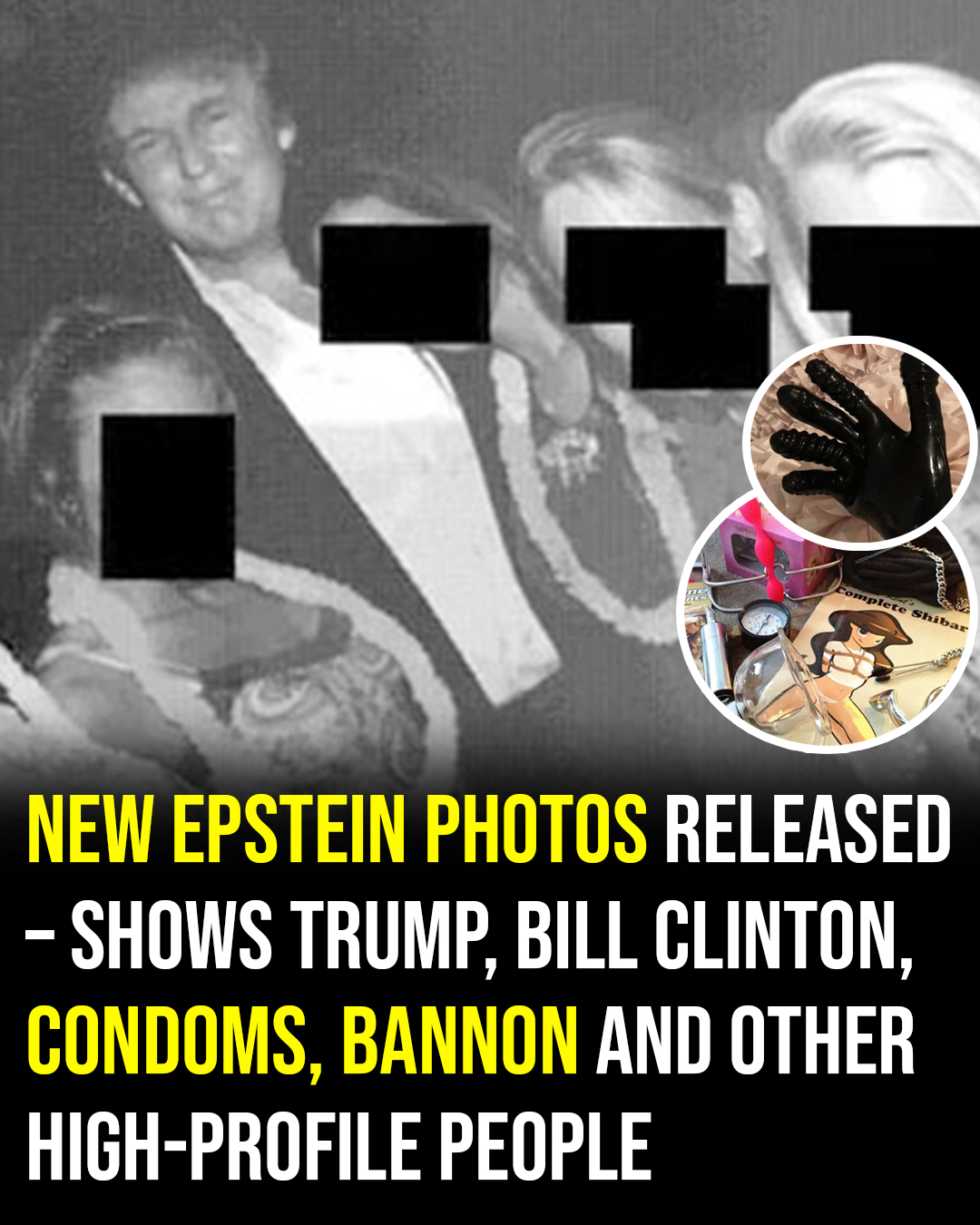
A new release of photographs connected to the late financier Jeffrey Epstein has reignited public discussion about his past associations with some of the world’s most prominent figures. The images, obtained and made public by a U.S. House committee, come from Epstein’s personal estate and include well-known political leaders, business executives, and cultural figures pictured in social settings.
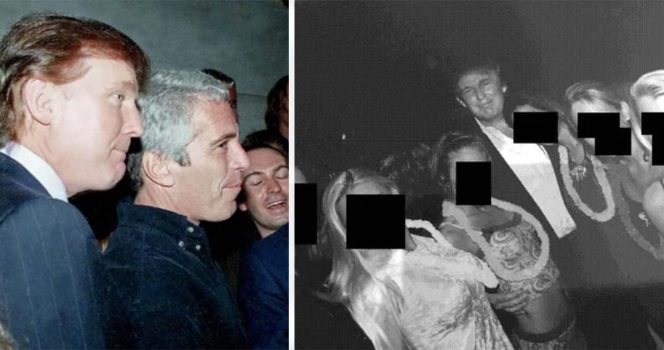
The release is part of an ongoing congressional effort to examine the broader network surrounding Epstein, who died in 2019 while facing federal charges related to sex trafficking. Lawmakers involved in the inquiry have emphasized that the newly released photographs do not, on their own, show evidence of illegal activity by the individuals depicted. However, they argue that the images raise unresolved questions about Epstein’s access to powerful circles and the nature of his relationships over several decades.
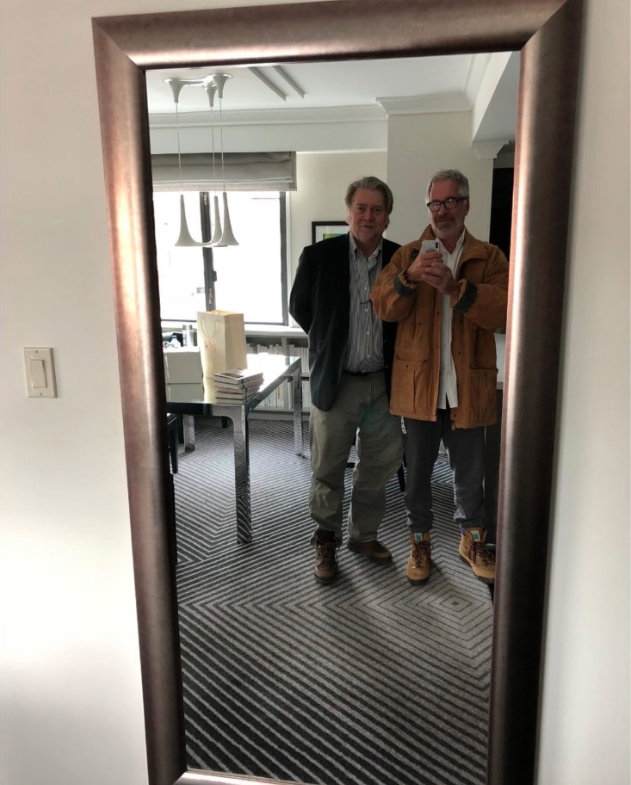
Among those appearing in the photographs are former President Donald Trump, former President Bill Clinton, Microsoft co-founder Bill Gates, filmmaker Woody Allen, and former White House adviser Steve Bannon. The images appear to show the individuals in casual or social environments, rather than in formal or official capacities.
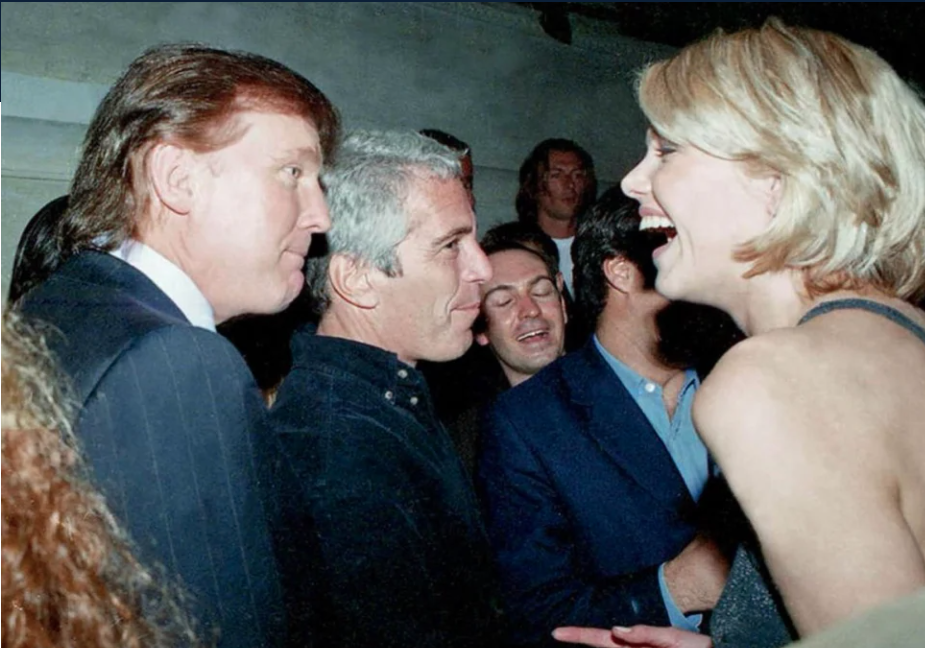
According to committee staff, the photos were selected from a much larger archive—nearly 100,000 images—recovered from Epstein’s properties. Only a small portion has been released publicly so far, with lawmakers stating that additional material remains under review.
Donald Trump has repeatedly stated over the years that he had no meaningful relationship with Epstein and that any prior contact was limited and ended long before Epstein’s criminal investigations became public. Trump has also pointed to past statements in which he distanced himself from Epstein and criticized his conduct once it became widely known.
The images involving Trump show him in social contexts rather than private or secluded settings. Committee officials have acknowledged that the photographs do not depict criminal behavior. Still, they argue that documenting Epstein’s connections is important to understanding how he was able to move within elite circles for so long without facing sustained scrutiny.
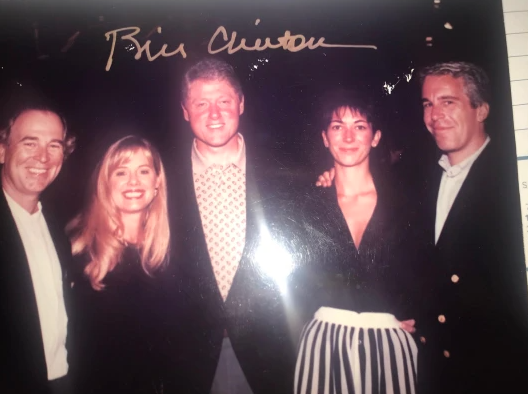
Former President Bill Clinton has previously acknowledged that he crossed paths with Epstein on multiple occasions, primarily in connection with charitable or international initiatives, but has denied any knowledge of or involvement in Epstein’s crimes. Clinton’s representatives have consistently stated that he severed contact with Epstein well before his arrest and that he was unaware of any illegal activity.
Similarly, Bill Gates has previously addressed questions about his past interactions with Epstein, describing them as limited and expressing regret for having any association at all. Gates has stated publicly that his contact with Epstein was a mistake and that he was unaware of Epstein’s criminal conduct at the time.
The House committee’s ranking member, Representative Robert Garcia of California, said in a statement that the release of the photographs is intended to promote transparency and accountability. He argued that the public has a right to understand how Epstein cultivated relationships with influential individuals across politics, business, and entertainment.
“These images raise serious questions about how Epstein gained access to power and influence,” Garcia said, according to reporting by NBC. He added that the committee believes additional records should be released by the Department of Justice to provide a more complete picture of Epstein’s activities and the systems that failed to stop him earlier.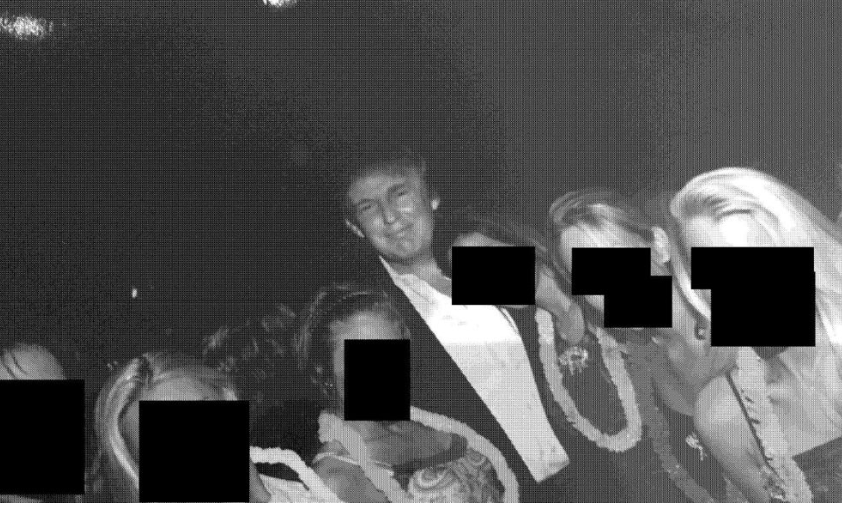
Committee members have been careful to note the distinction between association and wrongdoing. Legal experts frequently caution that appearing in photographs or attending social events does not imply criminal behavior, especially in high-profile circles where public figures often interact with a wide range of people.
Nonetheless, the images have drawn attention online, where they are being widely shared and debated. Some commentators see the release as overdue transparency, while others warn against drawing conclusions without clear evidence.
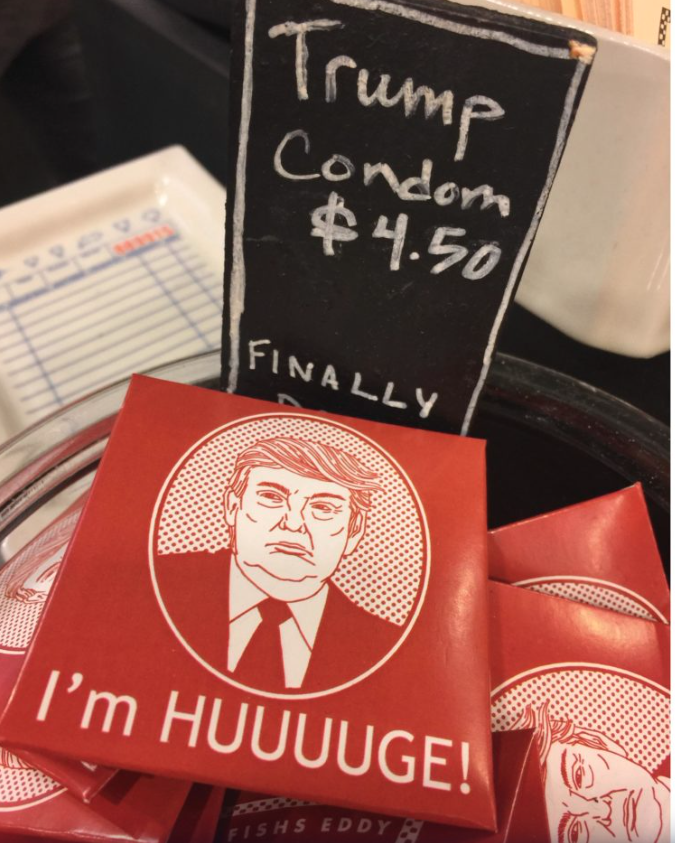
In addition to photographs of public figures, the released materials include images of objects recovered from Epstein’s estate. Among them are novelty items referencing political figures, which committee officials describe as personal belongings rather than evidence of misconduct. These items, while provocative in appearance, do not establish illegal activity, according to investigators.
The broader investigation into Epstein’s life and network has long been marked by public frustration. Many survivors and advocates argue that Epstein’s wealth and connections allowed him to evade accountability for years, despite earlier convictions and settlements. For them, the release of materials—even those that do not directly implicate crimes—represents a step toward acknowledging systemic failures.
Legal analysts note that Epstein’s case has become emblematic of a larger problem: how power, money, and access can complicate justice. While Epstein himself can no longer be prosecuted, scrutiny has shifted toward institutions, enablers, and gaps in oversight that may have allowed his behavior to continue unchecked.
The Department of Justice has previously stated that it continues to review materials related to Epstein, though officials have also emphasized the need to balance transparency with privacy rights and ongoing legal considerations. Not all records can be released publicly, particularly those involving victims or unsubstantiated allegations.
For the individuals named or pictured in the released materials, the renewed attention has prompted a familiar response: reiterating past statements, denying wrongdoing, and emphasizing the lack of evidence connecting them to Epstein’s crimes. In several cases, representatives have stressed that casual or professional interactions do not equate to endorsement or knowledge of illegal conduct.
Media scholars observing the reaction to the photo release point out that Epstein-related stories often blur the line between investigation and speculation. They caution that responsible reporting requires clear distinctions between verified facts, documented associations, and unsupported inferences.
At the same time, they acknowledge the public’s demand for answers. Epstein’s ability to operate for years despite previous legal action remains a source of widespread anger and mistrust. Images from his estate, even when not incriminating, feed into a broader desire to understand how accountability failed at multiple levels.
As the House committee continues its work, lawmakers say their focus remains on institutional responsibility rather than individual guilt without evidence. They argue that examining Epstein’s social and professional environment is necessary to prevent similar failures in the future.
The release of the photographs has not resolved the many unanswered questions surrounding Epstein’s life, death, and network. Instead, it has underscored how complex and far-reaching his connections were—and how difficult it is to disentangle proximity from culpability.
For the public, the images serve less as proof than as prompts: reminders of how power operates behind closed doors, and how essential transparency and due process are to maintaining trust in public institutions.
While debate continues online and in political circles, investigators stress one point repeatedly: images alone do not tell the full story. Only thorough, evidence-based inquiry can distinguish between coincidence, association, and wrongdoing.
As additional records remain under review, attention is likely to persist. Whether future disclosures bring clarity or further controversy will depend on how carefully facts are separated from assumption—and how committed institutions remain to accountability without speculation.
For now, the photographs stand as part of a much larger and still-unfinished examination of one of the most troubling scandals of recent decades, one that continues to challenge public confidence and demand careful, responsible scrutiny.