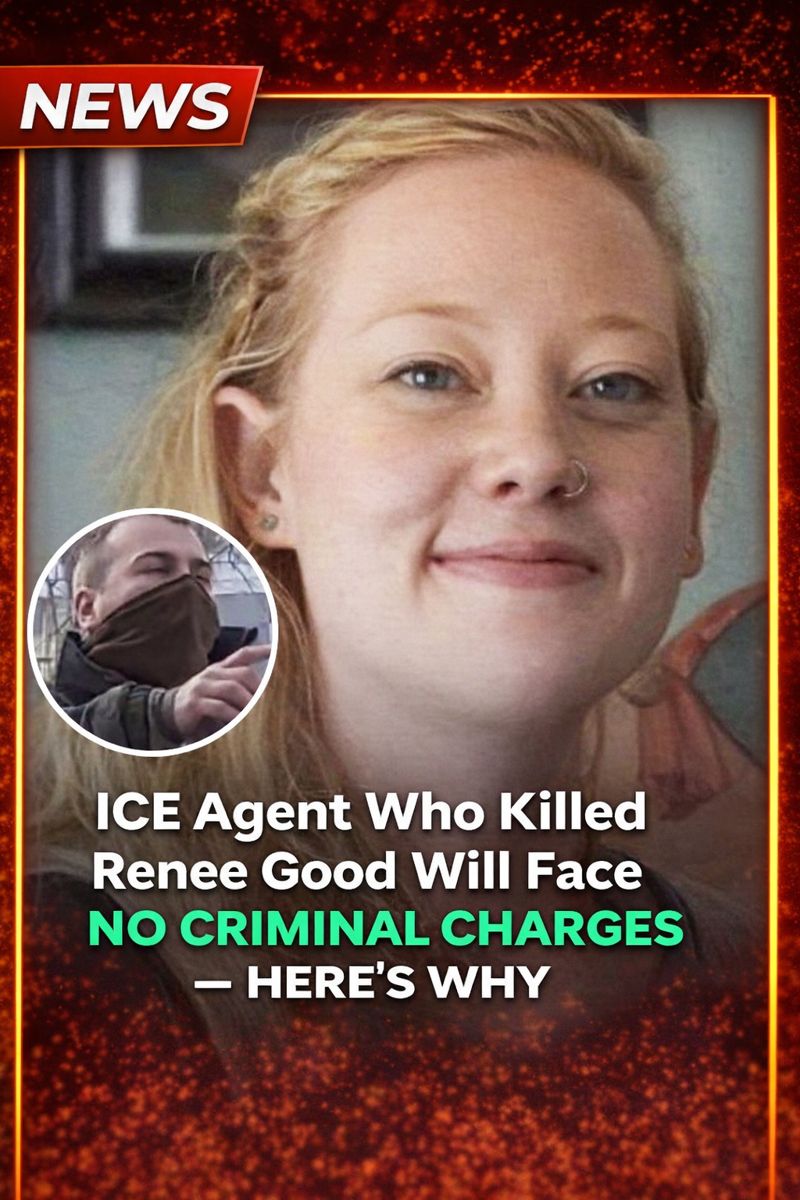
News coverage in the United States is evolving quickly after the fatal shooting of Renee Nicole Good by a federal Jonathan Ross, a U.S. Immigration and Customs Enforcement (ICE) officer, in Minneapolis, Minnesota on January 7, 2026. Good, a 37-year-old woman and resident of Minneapolis, was killed during an encounter with federal agents that has prompted nationwide attention and debate.

Federal authorities oversee immigration enforcement officers, and they operate under specific legal standards that differ from state and local police departments. One key factor affecting the possibility of criminal prosecution in this case is how federal law defines lawful use of force and legal protection for officers acting in the line of duty.
Under U.S. legal principles, federal law enforcement officers are generally permitted to use deadly force if they reasonably believe that they or others face imminent threat of death or serious harm. Prosecutors must not only show that a decision was poor, but also that the officer’s actions were so reckless that no reasonable officer would have acted that way in the same circumstances. This is a high legal threshold that is difficult to meet. Experts explain that simply being involved in a fatal use of force does not automatically mean criminal charges are warranted if the officer believed they were acting in self-defense.
In this particular situation, the U.S. Department of Justice (DOJ) recently stated that there is “no basis for a criminal civil rights investigation” into the actions of the ICE agent at this time. Deputy Attorney General Todd Blanche’s statement indicates that federal prosecutors do not currently see enough evidence to support a criminal case under federal civil rights statutes. Crucially, this decision also has the practical effect of blocking Minnesota state authorities from leading their own investigation, because the federal government has asserted control over the case.
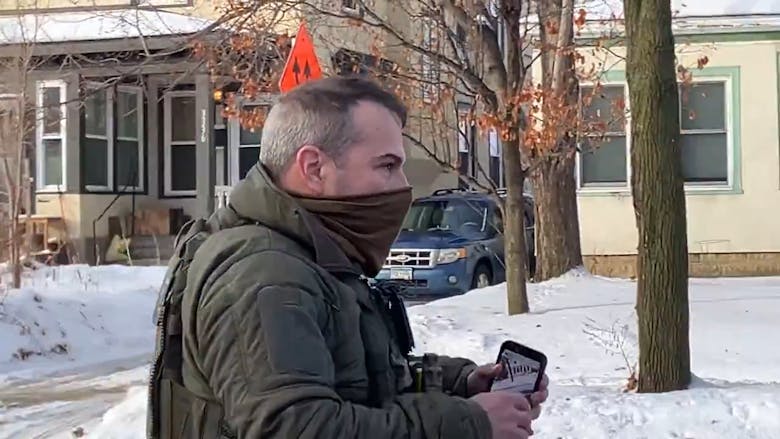
The decision not to pursue charges does not mean there are no questions about what happened. In fact, several prosecutors in the U.S. Attorney’s Office in Minnesota reportedly resigned in protest over how the investigation is being handled, expressing concern that pressure from federal leadership discouraged deeper inquiry into the officer’s conduct. Some leaders from the DOJ’s Civil Rights Division also left their posts amid controversy.
Local and state leaders have been outspoken as well. Officials in Minnesota, including the governor and the mayor of Minneapolis, have strongly criticized the federal response and questioned whether the use of force was justified. They point to video evidence and witness accounts that appear to raise questions about whether the officer’s actions were consistent with accepted law-enforcement practices. Independent experts in use-of-force tactics have noted that firing a weapon at someone in a vehicle is generally treated as a last resort and may not align with training protocols unless there is an immediate and unavoidable threat.
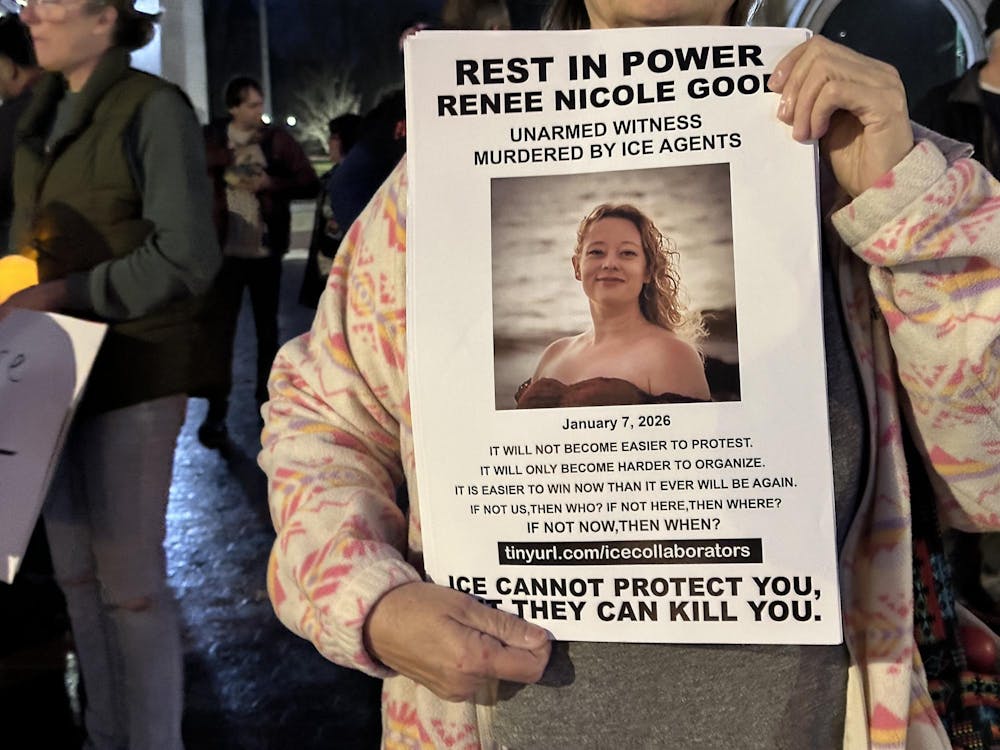
Good’s family has hired civil rights attorneys with experience in high-profile cases to conduct an independent investigation and pursue accountability through civil litigation. They argue that Good was not posing a threat that justified deadly force and are seeking answers about why it was used. A civil case, such as one brought under the Federal Tort Claims Act or related statutes, has a different legal standard than a criminal case and does not require proving guilt beyond a reasonable doubt.
One reason criminal prosecution appears unlikely is the federal government’s invocation of self-defense and operational justification. Officials at the Department of Homeland Security have described the agent’s actions as consistent with training and necessary because Good’s vehicle allegedly struck the officer. Some authorities have characterized her conduct as dangerous, while supporters of the federal response argue that the agent had reason to fear for his safety.

The situation also reflects broader debates over federal law enforcement practices, use-of-force standards, and oversight. Federal officers typically have strong legal protections, and civil rights investigations are one of the few mechanisms to examine potential misconduct. The current DOJ stance—that there is no basis for such an investigation—has intensified criticism from civil-rights advocates, community leaders, and members of the public who believe further review is warranted.

In summary, the reason the ICE agent involved in the Renee Good shooting is not facing criminal charges at this stage is tied to how federal law shields law enforcement officers acting in the course of their duties, the legal standards for proving criminal conduct, and the current position of federal prosecutors that there is insufficient evidence to meet those standards under civil rights statutes. No criminal charges have been filed, and federal officials have indicated that a prosecution is unlikely. However, investigations continue at multiple levels, and civil legal actions are being pursued by Good’s family.
If you’d like more context on how these legal standards work or how similar cases have been handled historically, I can explain that too.